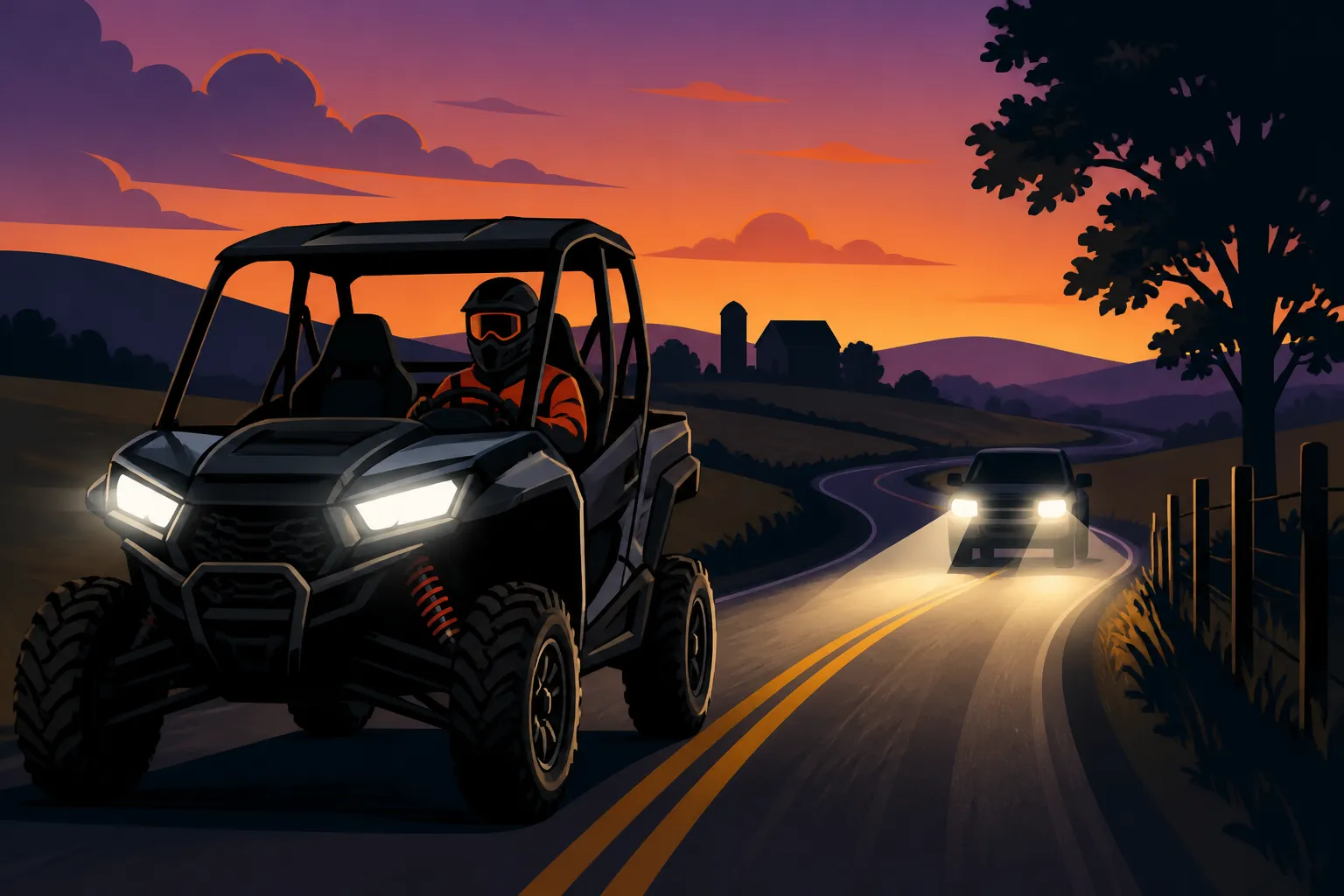
Being Seen on a Rural Road at Dusk
Riding an ATV or UTV in Pennsylvania is an incredible experience, but as the sun dips below the ridge line, visibility drops, and what was a clear path can quickly become a low-light challenge. It's a frustrating reality for many riders who find themselves finishing up a late afternoon ride or navigating a designated connector road back to camp as dusk sets in. This guide is all about helping you understand the unique dangers of those fading moments and, more importantly, equipping you with the knowledge and tools to ensure you and your machine are as visible as possible on rural roads at dusk, keeping you safer on your adventures.
The Unique Challenges of Dusk Riding on Rural Pennsylvania Roads
There's something magical about riding as the sun begins to set, casting long shadows and painting the sky with incredible colors. But for ATV and UTV riders, this beautiful time also ushers in a period of heightened risk. It’s not just about turning on your headlights; it’s a whole new ball game when it comes to being seen.
Why Dusk is Particularly Dangerous for ATV Riders
Think about it: during the day, your brightly colored helmet or machine might stand out. But at dusk, everything starts to blend into a muted palette of grays and blues. Your eyes, and the eyes of other drivers, are constantly adjusting to diminishing light, making it harder to perceive depth, speed, and distance. This is especially true on rural Pennsylvania roads, where you might encounter everything from an older farm truck with dim headlights, a deer suddenly bounding from the treeline, or even another ATV rider without adequate lighting.
The problem is compounded by the size of our machines. An ATV or UTV is significantly smaller than a car or pickup truck. We don't have the same reflective surface area, the high-mounted brake lights, or the sheer bulk that makes a passenger vehicle more noticeable. Add in the dust kicked up from a gravel road, and you're essentially a ghost in the fading light. This isn't a problem unique to Pennsylvania, of course, but our state's vast network of back roads, state forest roads, and designated township connectors means we often find ourselves needing to traverse these areas where full-sized vehicles are present, and their drivers might not be expecting an off-road machine.
Understanding Pennsylvania's Rules for Road Use
It's crucial to remember that in Pennsylvania, ATVs and UTVs are generally not street legal for use on most public roads. However, there are very specific, designated exceptions. Many riders utilize [Pennsylvania's Designated ATV Roads], often township or state forest roads that have been opened for ATV use to connect trails or allow access to trailheads. These are the very places where you'll encounter full-sized vehicles and where being highly visible becomes paramount.
If you're riding on private property and crossing a township road, or if you're in an area with a specific mixed-use ordinance, like certain parts of Windber Borough, you absolutely must adhere to all applicable road rules, including those regarding lighting and visibility. Ignorance of the law isn't an excuse, and encountering a vehicle on one of these designated or permitted roads after dark without proper illumination isn't just a potential fine; it's a significant safety hazard. Knowing where you can and cannot ride, and the specific rules for those allowable sections, is the first step toward staying safe when the sun goes down.
Essential Lighting and Visibility Upgrades for Your ATV/UTV
Your machine came from the factory with lights, sure, but "good enough for the showroom" often isn't "good enough for a rural road at dusk" in Pennsylvania. Most stock lighting systems are designed for minimal off-road use, not for sharing a potentially dusty, winding road with passenger cars and trucks. Upgrading your lighting isn't just a nice-to-have; it's a critical safety investment.
Headlights and Tail Lights: Beyond the Basics
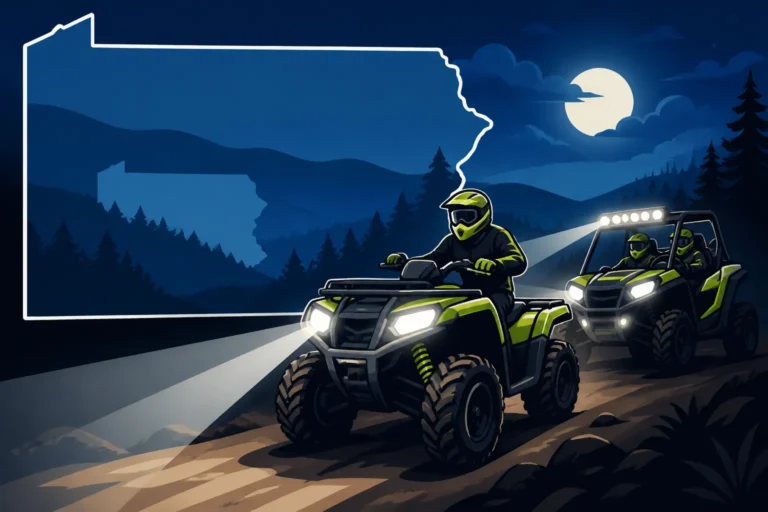
Let's face it, those halogen bulbs that came with your ATV might cut it on a perfectly clear day with plenty of daylight left, but as soon as the shadows stretch, they often feel like glorified flashlights. Upgrading your headlights to brighter LED units can make a world of difference. When we talk about "brighter," we're not just talking about lumens, which measure the total light output. We also need to consider the beam pattern. You want a headlight that casts a broad, even light without blinding oncoming drivers, and also illuminates the sides of the road where wildlife might be lurking.
For your tail lights, the same principle applies. Brighter LED tail lights will make your machine more visible from behind, especially crucial when you're riding in a group or when a car might be approaching from the rear. Some aftermarket tail lights even incorporate integrated brake lights that are significantly more noticeable than stock. It's not just about seeing; it's about being seen. Remember to keep your lights clean, too; mud and dust can drastically reduce their effectiveness. If you're riding under [Pennsylvania Lighting Rules for Night Riding], you'll know that legal requirements are minimal, but safety demands more.
Auxiliary Lighting: Light Bars and Pods
Sometimes, you need more than just upgraded headlights. This is where auxiliary lighting comes into play. LED light bars and individual LED pods can add an incredible amount of light. Brands like SuperATV offer a huge range of these, from smaller pod lights that can be mounted in various locations to massive light bars that turn night into day.
Now, a crucial caveat here: while these are fantastic for illuminating trails and fields, most large light bars are not legal for use on public roads when other vehicles are present. Their intensity can blind oncoming drivers. Many riders opt to have them installed with a separate switch, and sometimes a cover, ensuring they can only be used safely off-road. However, smaller, strategically placed auxiliary lights can still enhance your overall presence. For example, some riders add amber or white pod lights to the sides or rear, creating a larger "light footprint" for your machine, making it appear wider or more substantial to other drivers. Just be mindful of local regulations and always switch off high-intensity lights when on a designated public road.
Reflective Materials and Accessories
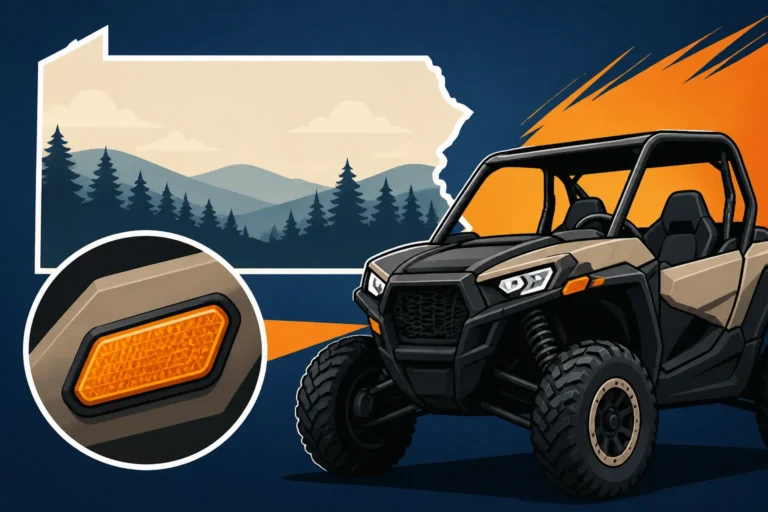
While powerful lights are excellent for active illumination, passive visibility, through reflective materials, is equally important, especially if your electrical system ever fails or if you momentarily look away. The more reflective surfaces you have on your machine, the better. Consider adding reflective tape to the front, sides, and rear of your ATV or UTV. Look for high-intensity reflective tapes that are designed for vehicle use and can be applied to fenders, frame members, or even your roll cage.
Don't forget reflective accessories for yourself and any passengers. A brightly colored, reflective vest worn over your riding gear can dramatically increase your visibility to other drivers. Some riders even attach small, reflective flags to their machines, especially on UTVs where the roof might block some of the machine's profile. Think about every angle from which another driver might approach and add reflectivity there. Every little bit helps to break up your silhouette and catch a driver's headlights, making you pop out of the deepening shadows.
Making Yourself Seen: Rider Gear and Habits
It's not just about what your machine is equipped with; it's also about what you wear and how you ride. You are the most critical part of the equation when it comes to safety and visibility. Your choices here can significantly impact how quickly and effectively other road users see you.
Choosing High-Visibility Riding Gear
If your riding jacket is camouflage or a dark, drab color, you essentially become part of the background as soon as the light starts to fade. This is where high-visibility gear truly shines. Think neon greens, bright oranges, vibrant yellows, and reflective accents. Many modern riding jackets, pants, and even gloves come with integrated reflective piping or panels.
Your helmet, which is legally required under [Pennsylvania Helmet Law for ATV Riders] for anyone under 18 and highly recommended for all, is another prime spot for visibility. Choose a brightly colored helmet, or add reflective decals to an existing one. Remember that on a UTV, even if you're not legally mandated to wear a helmet if you're 18 or older and have a seatbelt on, wearing a high-viz helmet still greatly enhances your visibility. The goal is to create as much contrast as possible between you and the natural environment around you, especially on those tree-lined rural roads where shadows can play tricks on the eyes.
Riding Strategies for Enhanced Safety
No amount of lights or reflective gear can fully compensate for unsafe riding habits. When you're on a designated road at dusk, your approach needs to shift from purely off-road trail riding. Slow down. Reduced light means reduced reaction time for everyone. Maintain a safe distance from any vehicles ahead of you, and be acutely aware of what's behind you.
If you're riding with a group on a designated road, always ride single file, making your group easier to pass and ensuring each machine is clearly seen. If you encounter oncoming traffic, especially on narrow rural roads, it's often wise to pull over safely to the shoulder and let them pass. Use clear hand signals for turns and stops, even if your machine has signals, as the extra visual cue can be incredibly helpful in dim light. Remember, when you're operating an ATV or UTV on a road, you're essentially sharing that space with traffic that often travels at much higher speeds and might not anticipate your presence. Always assume you haven't been seen until you make eye contact or get a clear indication otherwise. And if you're carrying a [Pennsylvania Rules for a Passenger on a Quad], ensure they too are visible and briefed on safe riding practices.
Maintenance, Preparation, and Legal Considerations
Being seen at dusk isn't just about what you have; it's also about ensuring everything is in working order and that you've done your due diligence before you even head out. A little proactive effort can save you a lot of trouble, and potentially an accident, down the road.
Pre-Ride Checks for Optimal Visibility
Before every ride, especially if you anticipate being out near dusk, make it a habit to do a quick walk-around of your machine. Check all your lights – headlights, tail lights, and any auxiliary lighting. Are they clean and free of mud or dust? A thin layer of grime can significantly reduce light output. Give your reflectors a wipe down as well. If you have extra batteries for your auxiliary lights, ensure they're charged.
Beyond lighting, check your tires. Proper tire pressure ensures stable handling, which is even more critical when visibility is low and road surfaces might be unpredictable. Ensure your mirrors, if equipped, are clean and properly adjusted. A small issue that might be a minor inconvenience in broad daylight can become a significant hazard in the fading light, so take those extra few minutes to prepare.
Understanding Pennsylvania's Enforcement
Pennsylvania's DCNR rangers and local law enforcement are tasked with ensuring safe ATV and UTV operation, and that includes adherence to lighting and safety regulations, particularly when machines are on designated roads or crossing public thoroughfares. An officer conducting a roadside check, perhaps near trailheads like those at Bloody Skillet or Whiskey Springs, will be looking for functioning lights, proper registration, and appropriate safety gear. [Pennsylvania Fines for Riding Illegally] can be substantial, and those for operating an unlit vehicle in dim conditions could be added to other violations.
It’s not just the initial fine, either. The "cost of prosecution" is often added on top of a base fine, which can make a relatively minor ticket balloon into a much larger expense. Think of it this way: ensuring your machine is brightly lit and you're wearing high-visibility gear is far cheaper than the potential costs of a ticket, or worse, an accident. Always assume that if you're in a designated area where you can encounter other vehicles, you are under scrutiny, and for good reason—it's about everyone's safety.
Planning Your Ride to Avoid Dusk
The simplest and often most effective strategy for avoiding the dangers of dusk riding on rural roads is to simply not be there when it happens. Plan your rides. Check the sunset times for your specific location in Pennsylvania. If you know you'll be on designated roads or connectors, aim to be back at your staging area or safely off public roads well before the sun begins its descent.
Consider the [Pennsylvania ATV Trail Season] and how the length of daylight changes throughout the year. Summer rides offer more daylight, but fall and winter rides mean much shorter days, and dusk can arrive surprisingly quickly, especially in wooded areas. If your ride will involve a journey across open roads or through areas where you might encounter traffic, build in a buffer of at least an hour before official sunset to ensure you have plenty of natural light. Sometimes, the best safety measure is proactive planning to avoid the hazard altogether.
| Visibility Enhancement | Primary Function | Pros | Cons |
|---|---|---|---|
| Upgraded Headlights | See further, be seen from front | Better illumination, enhanced frontal visibility | Can be costly; proper aiming crucial to avoid blinding |
| Auxiliary Light Bars/Pods | Maximize light output off-road | Excellent for trails, increases machine's presence | Often not street legal; must be covered/switched off on roads |
| Reflective Tape/Decals | Passive visibility, seen when unlit | Always on, no power needed, inexpensive | Only visible when light shines on them; can get dirty |
| High-Visibility Clothing | Make rider stand out | Direct visibility of operator, good contrast | Requires rider to wear specific colors, can be warm |
| Reflective Vests | Quick, inexpensive rider visibility | Easy to put on/take off, very effective | Can be cumbersome, may not match riding gear |
| Reflective Flags | Tall profile visibility, especially for UTVs | Great for cresting hills, increasing height profile | Can snag on branches, not always stable at speed |
| Safe Riding Habits | Overall safety, risk mitigation | Cost-free, empowers rider, prevents incidents | Requires constant vigilance and discipline |
Disclaimer
This article is for general informational purposes only and does not constitute professional advice. Laws, prices and regulations vary by location and change over time. Consult a qualified professional for guidance on your specific situation.