Where the Sticker Goes on the Plate
Got a shiny new Pennsylvania ATV registration plate and that crisp new sticker in your hand? Excellent! You're one step closer to hitting the incredible trails our state has to offer. But now you're probably wondering exactly where that little adhesive rectangle is supposed to go. It might seem like a small detail, but believe me, getting this right can save you a headache (and potentially a fine!) down the line when a DCNR ranger is checking your machine. This guide will walk you through the precise spot for your Pennsylvania ATV registration sticker, explain why it goes there, and share some seasoned tips to make sure it stays put and keeps you riding legal.
Understanding Your Pennsylvania ATV Plate and Sticker
When you register your ATV or UTV in Pennsylvania, you receive a few key pieces of documentation. Each plays a crucial role in proving your machine is legally allowed to operate, whether you're cruising on designated state forest trails or just exploring your own private acreage. The plate and sticker are your most visible forms of compliance, while the wallet card offers comprehensive proof.
The Components of Your Registration
First, let's talk about what comes in your registration packet. You'll get a small, rectangular metal plate, typically around 4×7 inches, with your unique registration number stamped on it. This plate is your machine's identifier, much like a license plate on a car, but specifically for off-highway vehicles. It signifies that your ATV or UTV has been properly recorded with the state, confirming ownership and registration type. It's the primary visual cue for anyone needing to identify your machine, especially DCNR officials.
Then there's the sticker. This small, colorful decal is a critical component because it indicates the current registration period. Unlike the plate which stays with your machine for its lifetime (or until transfer), the sticker changes every two years with each renewal. It's a quick, visual timestamp for enforcement officers to see at a glance that your registration is up-to-date without having to stop and inspect paperwork. Think of it as the current "expiration date" for your registration, making it incredibly important that the correct one is displayed.
Finally, you receive a wallet-sized card, often laminated or on durable stock. This card contains all the detailed information about your registration: your name, address, machine details (VIN, make, model), and the exact expiration date. While the plate and sticker are for quick visual checks, the wallet card is your undeniable proof of registration that you should carry with you whenever you ride. It’s what you’ll present if a ranger needs more than a glance at your plate. For more details on this essential item, check out [What the DCNR Wallet Card Is For].
Why Proper Placement Matters
It might seem trivial to fuss over a sticker's exact position, but believe me, it's far from it. Proper placement of your registration sticker isn't just about aesthetics; it's about compliance, visibility, and avoiding unnecessary hassles. The Department of Conservation and Natural Resources (DCNR) has specific guidelines for where your [Pennsylvania ATV Plates and Where They Mount] and your sticker should be placed, and these guidelines are in place for good reason.
The primary reason for precise placement is visibility for DCNR rangers and other enforcement personnel. When they are out on the trails, especially at a trailhead or during a routine check, they need to quickly confirm that every machine is legally registered. A sticker placed in an inconsistent or obscured location makes their job harder and could lead to them stopping you for further inspection, even if your registration is valid. They rely on that standardized location to make a rapid assessment of compliance.
Furthermore, getting the placement right helps you avoid potential fines. While a ranger might give a warning for a minor infraction, an improperly displayed or missing sticker could be grounds for a citation, especially if it appears you're intentionally trying to hide it or if your registration is indeed expired. It’s an easy thing to get right, and doing so eliminates one less thing to worry about when you're enjoying your ride. Taking the extra minute to ensure your sticker is correctly affixed is a small investment that pays off in peace of mind and avoids the hassle of dealing with enforcement actions.
The Official Word on Sticker Placement
The Pennsylvania DCNR is quite clear about where your annual registration sticker should go on your ATV or UTV plate. This isn't just a suggestion; it's a regulated requirement designed to ensure uniformity and ease of inspection across all registered off-highway vehicles in the state. Adhering to these directives makes your machine instantly recognizable as compliant.
DCNR's Clear Directives
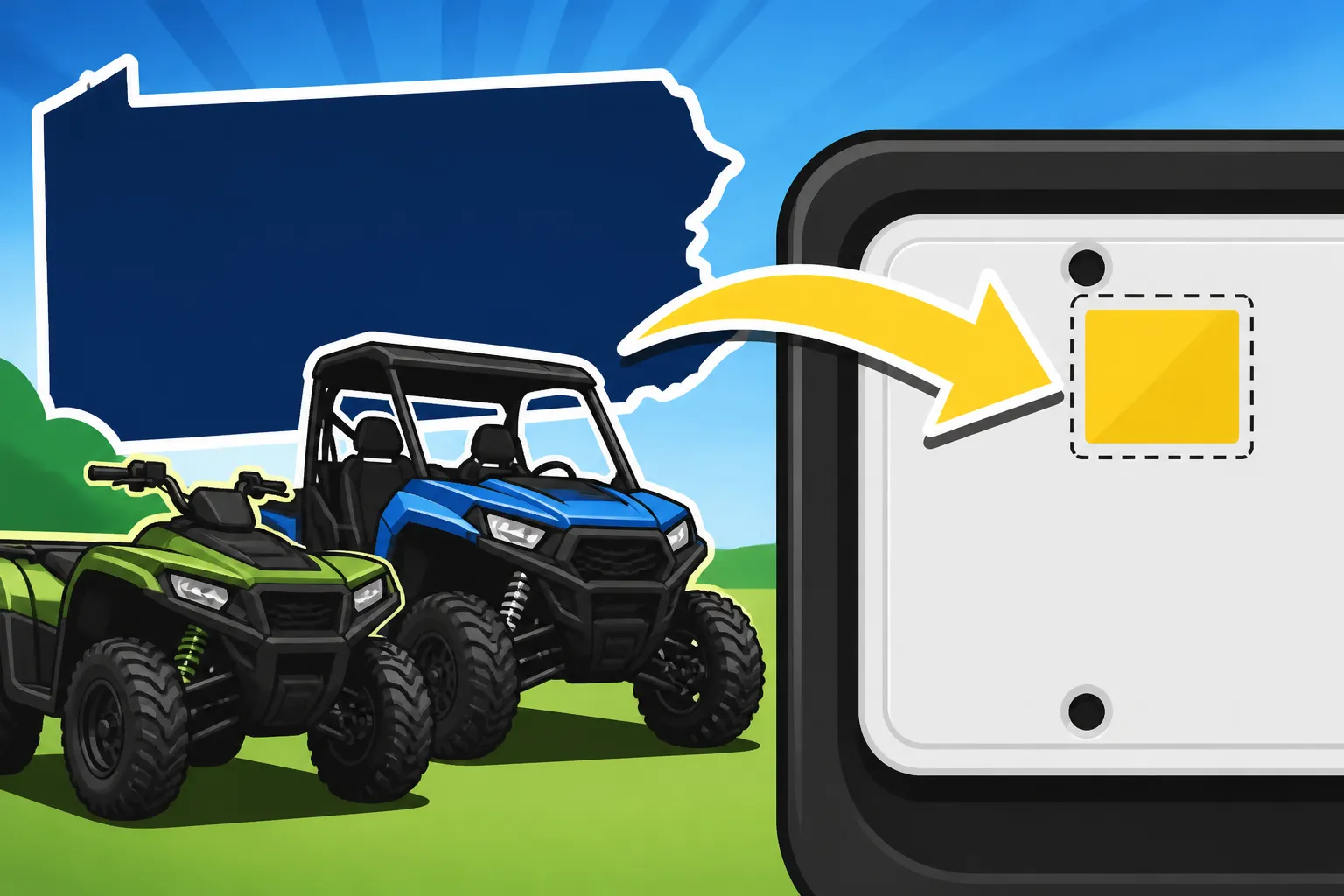
According to the Pennsylvania DCNR's official guidance, your registration sticker is to be affixed to the top right corner of your ATV or UTV registration plate. This specific spot isn't random; it's a standardized location chosen for optimal visibility and consistency. Imagine a DCNR ranger standing at a busy trailhead, quickly scanning dozens of machines as they arrive. If every sticker is in the same place, their job of verifying current registration becomes far more efficient and accurate.
This top-right placement ensures that the sticker doesn't obscure any critical information on the plate, such as the registration number or any state branding. It also makes it less likely to be damaged by trail debris or mud splatter, which is a common occurrence in our rugged Pennsylvania riding conditions. By consistently placing it in this spot, you're not only following the rules but also contributing to the smooth operation of enforcement and trail management. It's a small detail that has a big impact on overall compliance and safety for all riders.
Visual Cues and Practical Application
When you're ready to apply your sticker, visually locate the top right corner of your ATV plate. There usually isn't a pre-printed box or outline for the sticker, so you'll need to eyeball it, but the instruction "top right" is quite straightforward. The goal is for the sticker to be fully contained within that corner, not hanging off the edge, and not infringing on the main registration number displayed on the plate.
Think about it from the perspective of someone standing behind your machine. The sticker should be immediately obvious and readable. Make sure it's applied smoothly, without wrinkles or air bubbles, and is fully adhered to the metal. This ensures maximum legibility and helps prevent it from peeling off prematurely due to weather or vibrations. While you might be tempted to put it somewhere else that feels more "convenient" or less prone to damage, resist that urge. Stick to the top right, and you'll be golden.
Preparing for Sticker Application
Before you even think about peeling that backing off your new registration sticker, a little prep work goes a long way. This isn't just a casual stick-and-go; you want this sticker to last for two years of rugged Pennsylvania riding conditions. A properly applied sticker will stay put, remain legible, and continue to serve its purpose without peeling or fading prematurely.
Cleaning the Plate Surface
The single most important step to ensure your sticker adheres correctly and lasts its full two-year lifespan is to clean the plate surface thoroughly. Your ATV plate lives a tough life, constantly exposed to dirt, dust, mud, rain, and all sorts of grime from the trails. Any residual dirt, grease, or even old adhesive from a previous sticker can compromise the new sticker's ability to bond with the metal. If the surface isn't pristine, the sticker is much more likely to peel at the edges, bubble, or simply fall off after a few rides.
Start by wiping down the plate with a clean cloth, removing any loose dirt or mud. Then, use a mild soap and water solution to wash the entire plate. For a truly clean surface, a quick wipe with rubbing alcohol is highly recommended. This helps to strip away any invisible oils or residues that water alone might miss. Make sure the plate is completely dry before moving on to the next step. Any moisture trapped underneath the sticker will prevent proper adhesion and can lead to immediate peeling or bubbling. This might seem like an overly cautious step, but taking the extra minute now will save you the headache of replacing a lost sticker later.
Aligning and Applying the Sticker
Once your plate is squeaky clean and bone dry, you're ready for the actual application. This is where patience comes into play. Resist the urge to just rip off the backing and slap the sticker on. Instead, take a moment to line it up. Remember, it goes in the top right corner. Visually frame it in that space before you commit.
Slowly peel the backing from one corner of the sticker, exposing a small portion of the adhesive. Align this corner with the top-right edge of your plate, making sure it's straight. Once that first corner is in place, continue to slowly peel the backing away while simultaneously pressing the sticker down firmly with your thumb or a credit card. Work from the applied edge outwards, pushing any air bubbles towards the non-adhered edges. This method helps to smooth out the sticker as you go, preventing those annoying air pockets that can weaken the adhesive and make the sticker look sloppy. Take your time, apply firm, even pressure, and ensure every part of the sticker is making solid contact with the clean plate surface. This "one shot" approach means getting it right the first time is key to a long-lasting, compliant display.
Common Mistakes and How to Avoid Them
Even with clear instructions, it's easy to make a small error when applying your ATV registration sticker. These seemingly minor blunders can lead to frustrating consequences, from looking sloppy to potentially attracting unwanted attention from enforcement. Being aware of the most common pitfalls can help you avoid them entirely.
Misplacing the Sticker
One of the most frequent mistakes riders make is simply putting the sticker in the wrong spot. While DCNR specifies the top right corner, some riders might mistakenly place it on the bottom right, the top left, or even worse, directly over the existing registration numbers or year on the plate. This isn't just about aesthetics; misplacing the sticker, especially if it obscures important information, can make it difficult for rangers to quickly verify your registration.
Imagine a ranger doing a quick scan at a trail entrance, like at [Registration Checks at Whiskey Springs]. Their eyes are trained to go straight to that top right corner for the current sticker. If yours isn't there, they might assume your registration is expired or improperly displayed, prompting them to stop you for a closer look. This can be a frustrating delay when all you want to do is hit the trail. Another common mistake is placing it crookedly, making it difficult to read the expiration year at a glance. Always double-check the placement and alignment before firmly pressing the sticker down, ensuring it's clearly visible in the designated top right corner and doesn't cover any other critical details on the plate.
Issues with Adhesion and Durability
Beyond incorrect placement, issues with the sticker's adhesion and overall durability are prevalent. Many riders skip the crucial cleaning step, applying the sticker to a dirty or greasy plate. When you peel off that backing, the adhesive is designed to bond with a clean, smooth surface. If there's dirt, dust, or residual film, the sticker won't adhere properly, leading to edges that curl up, bubbles that form, and ultimately, the sticker peeling off entirely. This is particularly problematic in Pennsylvania's diverse weather, where rain, mud, and temperature fluctuations can quickly exploit any weakness in the adhesion.
Applying the sticker in cold or wet conditions can also hinder proper bonding. Adhesives generally perform best within a specific temperature range, and extreme cold can make them brittle and less effective. Similarly, moisture, even just condensation, will prevent a strong bond. Always try to apply your sticker in a dry environment at a moderate temperature. Once applied, it's a good idea to periodically check your sticker throughout the riding season, especially after particularly muddy or wet rides, or if you've been transporting your machine on a trailer. If you notice it starting to peel or fade significantly, you might need to acquire a replacement. Being proactive can prevent a situation where you're caught [Riding With an Expired Sticker] or an unreadable one, which can result in an automatic $300 fine. Services like LawDepot can assist with various legal forms, and while not directly related to stickers, ensuring all your ATV documentation is organized can help with overall compliance.
Beyond Sticker Placement: Maintaining Your Registration
Proper sticker placement is just one part of the equation when it comes to keeping your ATV or UTV legally ready for the trails. Maintaining the visibility and validity of your entire registration package throughout the year is equally important. Think of it as ongoing vehicle maintenance, but for your paperwork and plate.
Keeping Your Plate Visible and Legible
Your Pennsylvania ATV plate and its sticker are constantly exposed to the elements. Mud, dust, water, and debris are inevitable companions on our state's fantastic trails. Because of this, it's crucial to regularly clean your plate and sticker to ensure they remain clearly visible and legible. A plate caked in mud or with a faded, unreadable sticker defeats the purpose of registration for enforcement officers. Imagine trying to identify a machine at a distance if the plate is obscured!
Beyond cleaning, make sure your plate isn't bent, creased, or otherwise damaged in a way that makes it hard to read. Sometimes, a tight squeeze between trees or a minor bump can bend a plate, rendering it difficult to identify. Similarly, ensure that any accessories you might have added, like cargo racks or mud flaps, aren't inadvertently covering or obscuring the plate or sticker. DCNR regulations require your plate to be readable from behind, and failure to meet this can be a point of contention. If your plate is too damaged to be readable, you’ll need to consider [Replacing a Lost Pennsylvania ATV Plate] to avoid issues.
Renewing Your Registration On Time
Perhaps the most critical aspect of maintaining your registration (beyond initial application) is ensuring you renew it on time. Pennsylvania ATV registrations are valid for a two-year period. It’s easy to forget when that two-year window is up, especially if you’re only riding seasonally or have a busy life outside of the trails. DCNR does typically send out renewal notices to the address on file, so keeping your contact information current with them is very important. You can find more information about this at [Changing Your Address With DCNR].
However, even with notices, the ultimate responsibility falls to you, the rider, to ensure your registration is current. An expired sticker is just as problematic as no sticker at all and can lead to fines. Make a note of your expiration date, perhaps on a calendar or in your phone, and plan to renew well in advance. The DCNR Snowmobile and ATV Section offers convenient ways to renew, including through their online portal. For full details on the process, check out [Renewing a Pennsylvania ATV Registration] or [Renewing Every Two Years in Pennsylvania]. Don't let a lapse in renewal be the reason your ride gets cut short by a ranger check.
What Happens on the Trail: Enforcement and Verification
Once your ATV or UTV is properly registered and that sticker is perfectly placed, you're ready to enjoy Pennsylvania's trails. But it's wise to understand how DCNR rangers and other law enforcement officials verify your compliance when you're out there. Knowing what they're looking for can give you peace of mind and help you avoid any unexpected interruptions to your ride.
How DCNR Rangers Check Registration
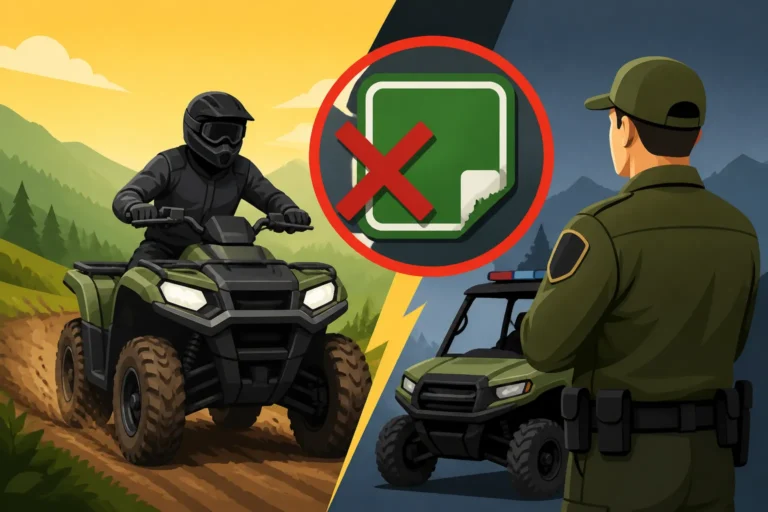
When you're out riding on state forest lands, designated trails, or even crossing approved township roads, it's common to encounter DCNR rangers or local law enforcement conducting compliance checks. Their primary goal is to ensure the safety of all riders and to protect our natural resources, and a big part of that is making sure machines are legally registered. The first thing they'll look for is your clearly displayed registration plate and, specifically, that sticker in the top right corner.
These checks are often quick visual scans. A ranger might be observing machines as they enter or exit a trailhead, like those at [Registration Checks at Bloody Skillet], or they might set up a more formal checkpoint. They'll quickly confirm the presence and validity of your sticker. If everything looks in order from a distance, you'll likely pass without interruption. However, if your sticker is missing, expired, or improperly placed, they will almost certainly stop you. At that point, they will request to see your DCNR wallet card, which contains all the detailed information about your registration, including the expiration date, your name, and the machine's VIN. Having this card readily accessible (and dry!) is crucial for a smooth interaction. It's the definitive proof that backs up your plate and sticker.
Consequences of Non-Compliance
Nobody wants to deal with fines or legal trouble while trying to enjoy a day on the trails, but unfortunately, non-compliance with registration rules carries consequences. For minor issues, like a slightly obscured plate that's easily fixed, a ranger might issue a warning and provide educational materials. However, for more significant infractions, such as riding with an expired registration or no registration at all, you're likely looking at a citation.
The state of Pennsylvania takes unregistered ATV operation seriously. Riding an unregistered machine can result in an automatic fine, often a substantial one, plus additional court costs. This is not just a slap on the wrist; it's a significant financial penalty. Beyond just the registration sticker, it's important to have all your paperwork in order, especially if you've recently purchased your machine. A comprehensive bill of sale, which you can easily draft using services like LawDepot, is crucial documentation, particularly if you're ever questioned about ownership or sales tax payment. For specific details on potential penalties, you can consult [Pennsylvania ATV Registration Fines]. The bottom line is that a little attention to detail and proactive compliance can save you a lot of money and stress, ensuring your time on the trails is all about enjoyment, not legal woes.
Essential Registration Sticker Checklist
To make sure you're always riding legally and avoiding any headaches on the trail, here’s a handy checklist for applying and maintaining your Pennsylvania ATV registration sticker. Follow these steps, and you’ll be good to go for your full two-year registration period.
| Step | Description | Why It Matters |
|---|---|---|
| 1. Clean the Plate | Use mild soap/water or rubbing alcohol to remove dirt and grime. | Ensures strong adhesion, prevents peeling. |
| 2. Dry Thoroughly | Make sure the plate is completely dry before applying. | Moisture prevents proper sticking. |
| 3. Locate Top Right Corner | Identify the top right corner of your Pennsylvania ATV plate. | Official, standardized placement for easy verification. |
| 4. Peel and Align | Slowly peel the sticker backing and carefully align it in the corner. | Prevents bubbles and ensures straight, neat application. |
| 5. Apply Pressure | Press firmly from the center outwards to smooth out any air bubbles. | Activates adhesive, secures sticker, removes trapped air. |
| 6. Verify Visibility | Double-check that the sticker is clearly visible and not obscured. | Critical for DCNR ranger checks and compliance. |
| 7. Carry Wallet Card | Always have your DCNR registration wallet card with you when riding. | Official proof of registration, often requested by rangers. |
| 8. Monitor Condition | Periodically inspect the sticker for peeling, fading, or damage. | Ensures continued compliance and legibility. |
| 9. Renew On Time | Mark your calendar for renewal every two years; don't wait for it to expire. | Crucial to avoid fines and maintain legal riding status. |
Remember, having all your documentation in order can give you peace of mind. For instance, if you're buying or selling a machine privately, having a properly drafted bill of sale is vital. Services like LawDepot can provide templates for these kinds of legal documents, ensuring you have all your bases covered before hitting the trails or after a transaction. This kind of attention to detail reflects responsible ownership and makes the entire riding experience more enjoyable for everyone.
Disclaimer
This article is for general informational purposes only and does not constitute professional advice. Laws, prices and regulations vary by location and change over time. Consult a qualified professional for guidance on your specific situation.