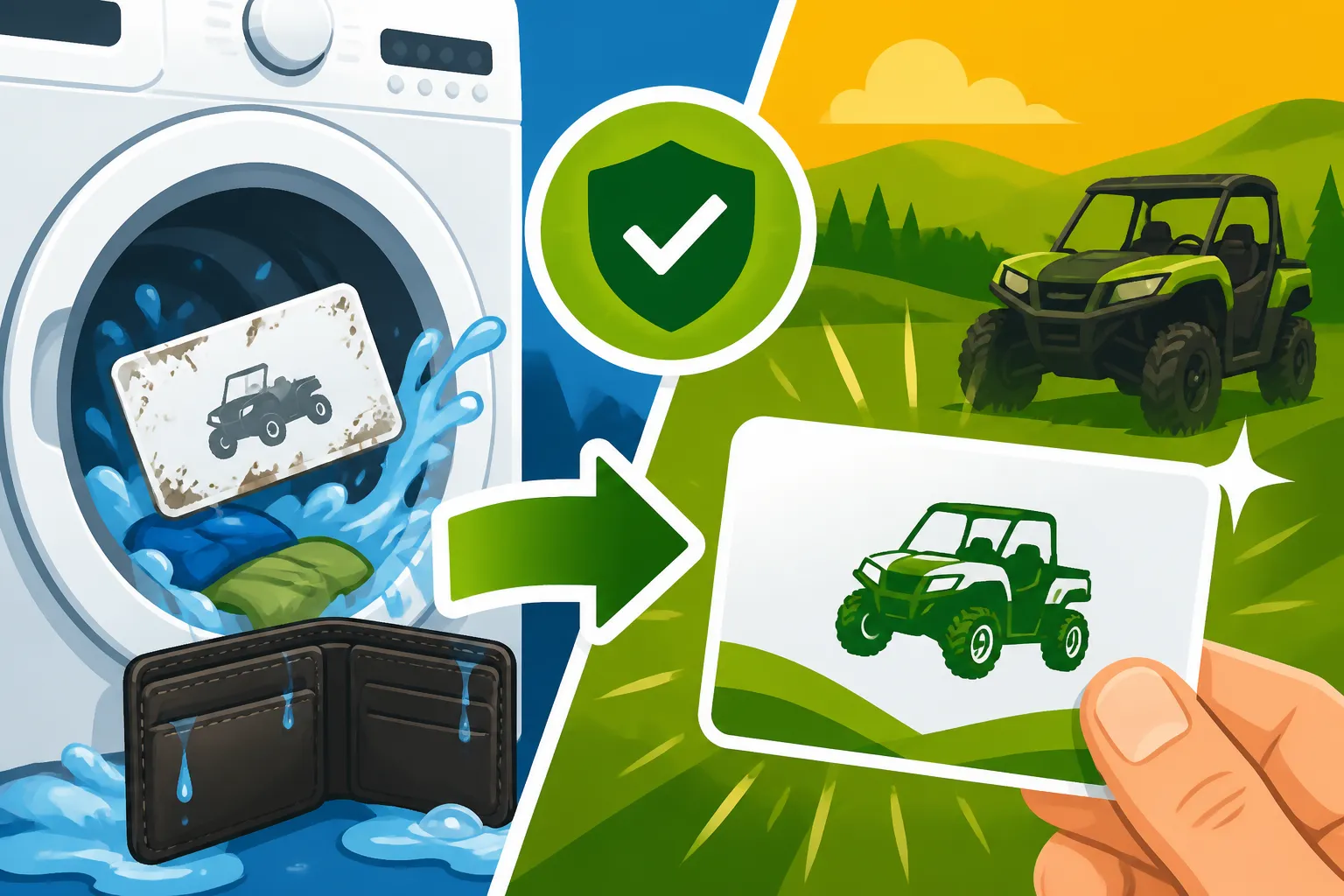
Replacing a Wallet Card That Went Through the Wash
We've all been there: you're getting ready for an epic weekend ride on your Pennsylvania ATV, maybe planning a trip to Whiskey Springs or Bloody Skillet, and you reach for your registration wallet card, only to find it's either vanished or, worse, become a pulpy, faded mess after an accidental trip through the washing machine. It’s a frustrating moment, leaving you wondering how you’ll prove your machine is legal for the trails. This guide is here to walk you through the process of replacing that vital little card, so you can get back to planning your next adventure without unnecessary stress.
Understanding Your Pennsylvania ATV Wallet Card and Why It's So Important
Let's start by talking about this often-overlooked but absolutely crucial piece of paper. Your Pennsylvania ATV wallet card isn't just some flimsy little printout; it's your official proof of registration, a pocket-sized testament that your all-terrain vehicle is properly accounted for with the Department of Conservation and Natural Resources (DCNR). It contains critical information about your machine and you, the owner. Think of it as your ATV's driver's license and vehicle registration rolled into one.
The card typically lists your full name and address, the make, model, VIN, and year of your ATV, its unique Pennsylvania registration number, and the all-important expiration date. When you're out on a state forest trail, at a pay-to-ride park, or even just crossing a designated road, rangers or law enforcement officers will often ask to see this card. It’s their quick way of confirming your machine is legally registered and ready to ride. Without it, even if you have your physical plate mounted perfectly, you could face questions or even a citation. It really is a simple piece of paper, but its importance can't be overstated when it comes to legal, hassle-free riding in the Commonwealth. It's truly [What the DCNR Wallet Card Is For].
What the Card Proves About Your Machine
Every time you head out on your quad, whether it's for a quick spin on a local trail connector or a full day exploring the vastness of Sproul State Forest, that wallet card serves as immediate, tangible proof that your ATV is in the DCNR system. It's tied directly to the registration plate on your machine, ensuring that anyone checking your documents can quickly verify your status. This isn't just a formality; it's a fundamental aspect of responsible and legal ATV operation in Pennsylvania.
Imagine you're at a popular trailhead like Bloody Skillet or Whiskey Springs. It’s not uncommon for DCNR rangers or local police to perform random checks. They’ll be looking for your plate, of course, but they'll also expect you to present that wallet card. This process helps the DCNR enforce regulations, ensure riders are compliant, and ultimately, helps fund trail maintenance and safety initiatives through the registration fees. Having your card means a smooth, quick check and you're on your way to enjoy the trails. Not having it can lead to delays and unnecessary complications. These [Registration Checks at Bloody Skillet] and [Registration Checks at Whiskey Springs] are routine, and having your card ready makes them painless.
Why You Can't Ride Without It (Legally Speaking)
While your physical ATV plate, which is often mounted on the rear of your machine, is visible from a distance, the wallet card is designed for close inspection. It contains all the detailed information that a quick glance at a plate cannot provide. This is especially true when it comes to verifying the current expiration date of your [Pennsylvania's Two-Year ATV Registration]. An expired registration is just as problematic as no registration at all.
Legally, carrying this card with you whenever you operate your ATV off your own private property is a requirement. It’s similar to needing to have your driver’s license with you when you drive a car. While a sympathetic officer might let you off with a warning if you genuinely forgot it but can prove registration later, it's not a guarantee. The DCNR’s rules are pretty clear: operate your machine on public or authorized private land, and you need to have your registration proofs, including that wallet card. Failing to do so can lead to a citation, and nobody wants to cut their ride short with a fine. Getting a ticket for no registration is a real headache and can result in significant financial penalties, even if your machine is actually registered. The DCNR can issue [Pennsylvania Fines for an Unregistered ATV] if you cannot prove registration on the spot.
Uh Oh! My Wallet Card is Gone or Ruined: Immediate Next Steps
So, you've discovered your wallet card is either a soggy mess, faded beyond recognition, or simply vanished into the ether. Take a deep breath! This isn't the end of the world, and you're certainly not the first Pennsylvania ATV rider to experience this particular brand of frustration. It happens more often than you might think, whether it's a forgotten pocket item in the laundry, a mishap on the trail, or just plain old misplacement. The key is to act quickly and systematically to get a replacement.
Your immediate priority should be to prevent riding illegally. While it might be tempting to risk it, especially if you have a trail ride planned, it’s generally not advisable to operate your ATV on DCNR trails or designated roads without proof of registration in hand. You don't want to turn a fun day into a costly encounter with law enforcement. Knowing [What a Ranger Checks at a Trailhead] will help you understand why carrying that card is so important.
Don't Panic: Assessing the Damage and What You Still Have
First things first, take a moment to assess the situation. Is the card completely gone, or is it just damaged? If it's merely a bit smudged but still readable, you might be able to simply laminate it to prevent further deterioration. However, if it's illegible, torn to shreds, or completely vanished, then a replacement is definitely in order.
While the wallet card is critical, it's not the only piece of your registration puzzle. You should still have your physical registration plate mounted on your machine. This plate has your unique registration number. Also, think about any other documents you might have that contain your ATV's VIN and registration number, such as your title, a bill of sale, or even an insurance card. These details will be crucial when you contact the DCNR for a replacement. Sometimes, having photos of your old card on your phone, though not official, can at least give you the numbers you need to start the replacement process. Remember, your [Pennsylvania ATV Plates and Where They Mount] is one form of proof, but the wallet card is the detailed one you carry.
Can You Ride in the Meantime? Proceed with Caution!
This is a tricky one, and the most conservative advice is to avoid riding on public or designated trails until you have a valid, legible registration card in your possession. While you might have your plate on the machine, and perhaps even a digital photo of your card on your phone, these aren't considered official, scannable proof by DCNR personnel.
If you absolutely must move your ATV, say, to a repair shop or for a short distance on private property where you have permission, that's generally less risky than hitting a state forest trail. However, any time you're on public land or a designated ATV road, you are subject to the rules. A DCNR ranger or local law enforcement officer might still issue a citation if you cannot produce the physical card when asked. It’s simply not worth the risk of a fine and the hassle that comes with it. Getting your replacement card should be your top priority before your next big ride.
The Replacement Process: How to Get a New Wallet Card From DCNR
Alright, you've done your due diligence, assessed the situation, and now it's time to get that replacement card. The good news is that the Pennsylvania DCNR has a clear process for this. You'll primarily be working with their Snowmobile and ATV Section, which handles all aspects of registration for these off-highway vehicles. The process is straightforward, but it does require you to provide specific information about your machine and yourself. Don't worry, they're used to these requests!
The DCNR understands that accidents happen and cards get lost or damaged. Their goal is to make sure registered riders can continue to enjoy Pennsylvania's extensive network of trails. Patience is key, as is having all your information readily available when you contact them. They're there to help, but having everything squared away on your end will make the process much smoother and faster.
Contacting the Pennsylvania DCNR Snowmobile and ATV Section
The quickest and most direct way to initiate a replacement request is to contact the DCNR Snowmobile and ATV Section directly. They are the experts and have access to all your registration records. You have a few options for reaching them, depending on your preference:
- Phone: You can call their dedicated registration line during business hours. This is often the best method if you have questions or need immediate clarification, as you can speak directly with a representative. Have your ATV's VIN and current registration number (if you still have it, perhaps from your plate or an old document) handy before you call. They can look up your record and guide you on the next steps, including any forms you might need to submit or fees associated with a duplicate card. [Calling the DCNR Registration Line] is usually the most efficient.
- Email: If you prefer written communication, or if it's outside business hours, you can send an email to the DCNR. Be sure to include all relevant details in your email: your full name, mailing address, phone number, the ATV's make, model, year, VIN, and registration number. Clearly state that you are requesting a replacement wallet card due to loss or damage. They will likely reply with instructions, often pointing you to an online form or a mail-in process. You can find contact information on the DCNR website under their Snowmobile and ATV section. For general inquiries, [Pennsylvania ATV Registration Email Contact] can be useful.
- Online Portal: The DCNR also offers an online portal for various registration services, including renewals. While the primary function is often for new registrations or renewals, you might find an option for requesting duplicate documents. It's worth checking [Using the Snowmobile and ATV Portal] to see if a specific online form exists for duplicate wallet cards. This can sometimes be the fastest way to submit your request, as it goes directly into their system.
When you contact them, be polite and clear about your needs. They'll walk you through the specifics for your situation.
Required Information for a Duplicate Card
No matter which method you use to contact the DCNR, you'll need to provide specific information to prove ownership and facilitate the replacement. Having these details ready will significantly speed up the process:
- Your Full Name and Current Mailing Address: This ensures the new card is sent to the correct location. If you’ve recently moved, you might need to update your address with DCNR first.
- Your Phone Number and Email Address: For DCNR to contact you if they have any questions or to confirm your request.
- ATV's Vehicle Identification Number (VIN): This is the unique identifier for your ATV. You can usually find it stamped on the frame of your machine, on your title, or on an old bill of sale.
- Pennsylvania ATV Registration Number: This is the number displayed on your physical registration plate and would have been on your original wallet card.
- Reason for Replacement: Clearly state that the card was lost, stolen, or damaged (e.g., "went through the wash").
It's a good idea to create a secure personal record of your ATV's VIN and registration number, perhaps using a tool like LawDepot to generate a personal inventory document or a secure file. While LawDepot doesn't directly handle DCNR replacements, having your critical information organized in a legally sound, personal document can be invaluable for many aspects of vehicle ownership, including preparing for official requests. This practice helps ensure you always have access to these numbers, even if all your DCNR paperwork is temporarily unavailable.
Fees and Processing Time for Your New Card
Getting a duplicate wallet card from the DCNR typically involves a small administrative fee. This fee covers the cost of processing your request, printing the new card, and mailing it out. The exact amount can change, so it's always best to confirm the current fee when you contact the DCNR. They will usually inform you of the cost and how to submit payment (often by check or money order if mailing in a request, or potentially via credit card if using an online portal).
Once your request and payment (if applicable) are received, the DCNR will process your duplicate card. The processing time can vary depending on their current workload and the time of year. Generally, you can expect it to take a few weeks for the new card to arrive in the mail. However, during peak seasons, such as right before major trail opening dates, it might take a bit longer. It's always a good idea to ask the DCNR representative for an estimated turnaround time when you make your request. They have a general guideline for [How Long Pennsylvania Takes to Process a Registration], which applies here.
Here's a quick summary table for common DCNR contact methods:
| Method | Best For | Information Needed | Potential Cost | Estimated Wait |
|---|---|---|---|---|
| Phone | Immediate questions, speaking with a person | Your full name, address, ATV VIN, Registration Number | Nominal Fee | Varies (weeks) |
| After-hours request, written record | Your full name, address, ATV VIN, Registration Number, Issue | Nominal Fee | Varies (weeks) | |
| Online | Fastest submission, if option available | Account details, ATV VIN, Registration Number | Nominal Fee | Varies (weeks) |
| Formal submission, if required | Completed form, payment (check/money order), details | Nominal Fee | Varies (weeks) |
Always confirm current fees and exact procedures directly with the DCNR, as they can change.
Avoiding Future Wallet Card Woes: Tips for Protection
Once you have your shiny new, crisp, and un-washed wallet card in hand, you'll probably want to take steps to ensure this doesn't happen again. Losing or damaging important documents is never fun, and a little proactive effort can save you a lot of hassle down the road. There are several simple, effective ways to protect your ATV registration card and other vital papers, ensuring they stay safe and sound through all your riding adventures and daily life.
Protecting your documents isn't just about avoiding the DCNR replacement process; it's also about always being prepared. Being able to present your documents quickly and clearly if asked by a ranger means less downtime on the trail and a smoother experience overall. Plus, it demonstrates you're a responsible rider who takes compliance seriously.
Lamination and Waterproof Storage Solutions
One of the most effective and simplest ways to protect your paper wallet card is to laminate it. Many local office supply stores, print shops, or even self-service laminating machines can do this for a very small fee. Lamination creates a durable, waterproof seal around the card, making it resistant to moisture, tears, and fading from sunlight. It won't protect against a full wash cycle, but it'll certainly help with incidental splashes, sweat, or light rain while you're out riding.
Beyond lamination, consider investing in waterproof storage solutions. There are many great options designed specifically for outdoor activities:
- Waterproof Pouch/Bag: Small, zippered waterproof pouches are perfect for carrying your wallet card, driver's license, and perhaps your [Pennsylvania ATV Insurance Requirement] proof. These often come with a lanyard or clip, so you can secure them inside your jacket, a fanny pack, or a cargo box on your ATV. Look for options designed for boating or camping, as they are built to withstand tough conditions. This is essential for [Keeping Paperwork Dry on a Wet Trail].
- Dedicated Wallet Slot: If your riding gear (jacket, pants) has a designated waterproof pocket, make that the permanent home for your card.
- Hard Case: For longer trips or if you carry multiple documents, a small, crush-proof hard case (like those used for electronics) can offer superior protection inside a backpack or cargo box.
Digital Backups and Redundant Information Storage
While a physical, official card is required, having digital backups of your important ATV information is a smart secondary measure. Take clear, well-lit photos of both sides of your wallet card and your ATV registration plate. Store these photos in a secure cloud service (like Google Drive, Dropbox, or iCloud) and also keep a copy on your phone. In a pinch, if your physical card is lost but you remember your registration number, these photos can quickly provide you with the necessary details to contact DCNR for a replacement. Just remember, a photo is not a substitute for the physical card if a ranger asks for it.
Additionally, consider keeping a separate, written record of your ATV's VIN, registration number, and expiration date in a safe place at home, away from your riding gear. This could be in a file cabinet or a secure digital document. As mentioned earlier, using tools like LawDepot to create general personal asset inventories can be a useful practice for organizing all your important vehicle information, not just for ATVs. While you might use LawDepot for creating a [Pennsylvania ATV Bill of Sale Requirements] when you buy or sell, its templates can also help you organize your personal records to make sure you always have access to your VIN and registration number. This redundancy ensures that even if all your physical documents are compromised, you still have the core information needed to retrieve official replacements.
Establishing a "Document Checklist" Before Each Ride
Before you load up your ATV and hit the road, make it a habit to perform a quick "document check." This simple routine can prevent a lot of headaches:
- Wallet Card: Is it in its waterproof pouch and in your designated riding pocket?
- Driver's License/ID: Do you have your personal identification?
- Insurance Proof: Do you have proof of your ATV insurance? While DCNR doesn't mandate minimum coverage, insurance is required to ride off your own property.
- Trail Permit (if applicable): If you're riding in an area that requires a separate trail permit (like the Northcentral Regional Permit or the Allegheny National Forest Permit), ensure you have that with you as well.
This brief checklist becomes second nature over time and ensures you’re always fully compliant and prepared for whatever the trail throws your way. It might feel like an extra step, but it's far better than realizing you're missing something crucial when you're miles from home and a ranger is asking to see your papers. Planning ahead ensures your time on Pennsylvania's fantastic trails is spent riding, not worrying about paperwork.
Disclaimer
This article is for general informational purposes only and does not constitute professional advice. Laws, prices and regulations vary by location and change over time. Consult a qualified professional for guidance on your specific situation.