Blind Corners on a Mountain Road
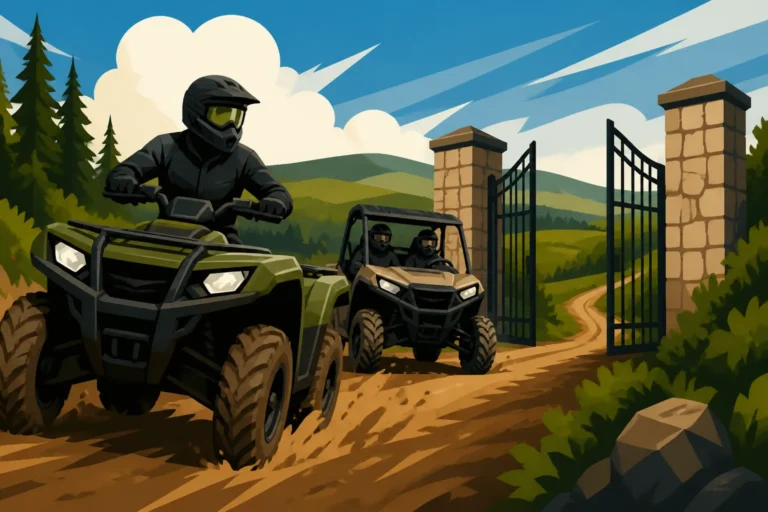
There's nothing quite like the rush of carving through a winding mountain road on your ATV or UTV here in Pennsylvania. The scenery is breathtaking, the air is crisp, and the machine hums with power. But let's be honest, that thrill can quickly turn to dread when you're approaching a blind corner, not knowing what—or who—is waiting on the other side. This guide is all about helping you navigate those unpredictable bends safely, making sure your ride remains exhilarating, not terrifying.
The Hidden Dangers of Blind Corners on Mountain Roads
Blind corners are a unique beast when you're riding an ATV or UTV, especially on the kind of twisting, sometimes narrow mountain roads we have scattered across Pennsylvania. It’s not like driving a car where you’re enclosed in a steel cage with airbags; on an ATV, you're much more exposed, and the consequences of an unexpected encounter are far more severe.
Why Blind Corners Are So Treacherous for ATV Riders
The biggest reason blind corners are so dangerous is, well, the "blind" part. Your line of sight is completely cut off, meaning you have no idea if another rider, a log truck, a deer, or even a fallen tree is just around that bend. Imagine cresting a steep hill on a gravel road, and the first thing you see is the grill of an oncoming pickup – there's precious little time to react. Your speed, while perhaps feeling moderate on a straightaway, can be far too fast for a corner where visibility is zero. Unlike a car that can take a minor fender bender, an ATV or UTV might be sent sprawling, potentially injuring the rider and passenger. Plus, many mountain roads in Pennsylvania, particularly those designated as joint-use or forest access roads, aren't designed with wide shoulders or generous sight lines, making them even more perilous for powersports vehicles.
Common Scenarios Where Riders Get Into Trouble
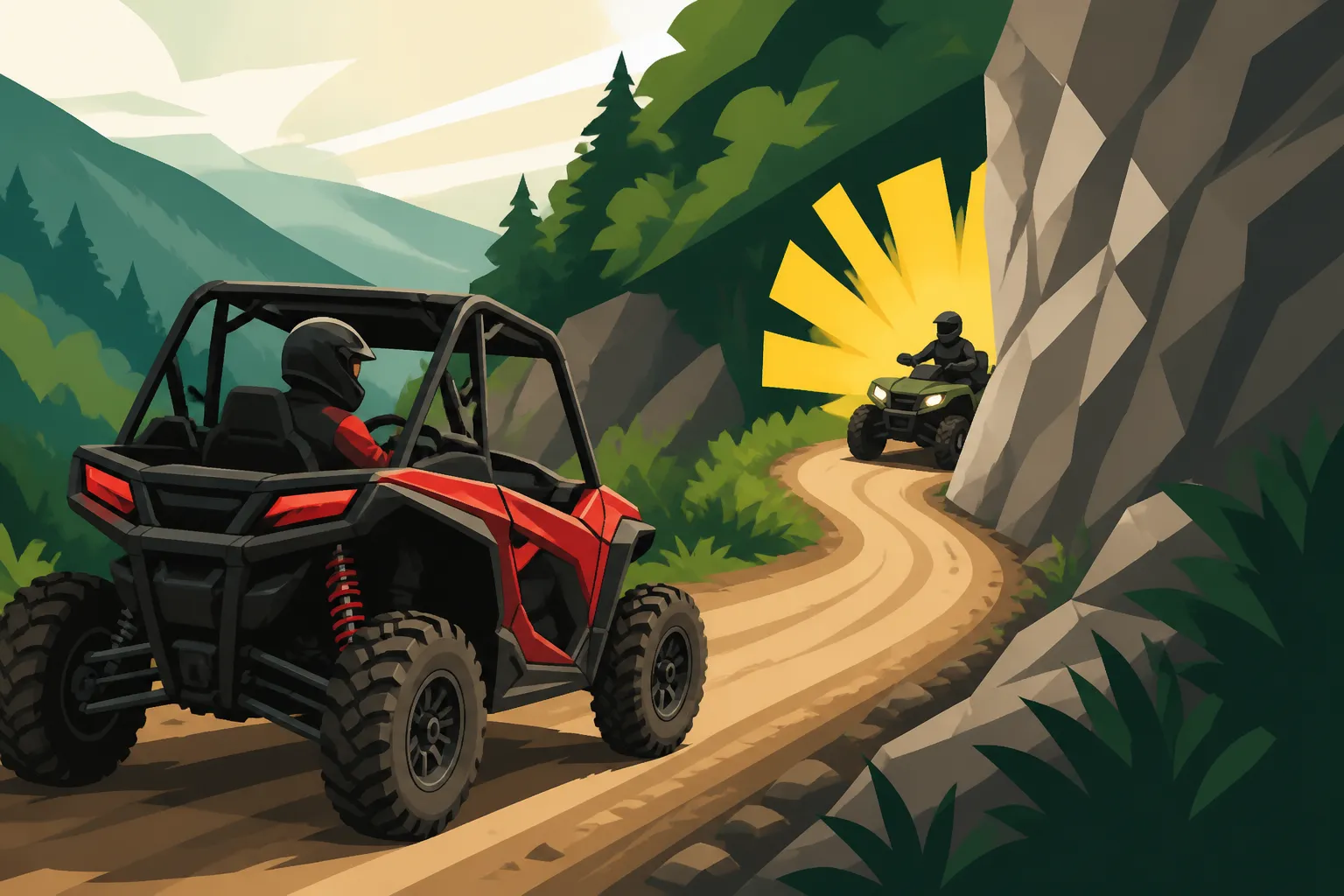
We've all heard the stories, or maybe even had a close call ourselves. One common scenario is that tight, right-hand turn carved into the side of a mountain, where dense foliage or a rock outcrop completely blocks your view of what's coming. You lean into the turn, and suddenly you’re face-to-face with an SUV coming the other way. Another classic is the sharp left-hand turn after a long, fast downhill section; your momentum is carrying you, and your brain tells you to keep speed, but your eyes can't see past the bend. Then there are the unexpected obstacles: a herd of deer frozen in the middle of the road, a wash-out from a recent storm that's left a massive rut, or even hikers who might be using the road to access a trail. Each of these situations, when combined with a blind corner, can turn a leisurely ride into an emergency very quickly.
Essential Strategies for Navigating Blind Corners Safely
When you're out on the trails or designated roads, every rider wants to have fun, but safety has to be the top priority, especially around those sneaky blind corners. It’s not about being timid; it’s about being smart and proactive.
Slow Down and Expect the Unexpected
This is probably the most crucial piece of advice, and honestly, the hardest for many of us to truly internalize. When you see a blind corner approaching, regardless of whether it's on a state forest road or a joint-use township route, you need to significantly reduce your speed. Don't just tap the brakes; actually scrub off enough speed that you could comfortably stop if a school bus was parked in the middle of the road directly after the turn. Cover your brakes, too—this means having your fingers or foot lightly resting on the levers or pedal, ready to engage them instantly. Think of it like driving through a neighborhood where kids are playing; you don't expect a child to run into the street, but you're prepared for it. The same goes for that blind turn: expect that the worst-case scenario is waiting for you, and you'll be ready to react calmly and effectively. [Pennsylvania Fines for a Trail Violation] could certainly apply if a lack of caution leads to an incident.
Positioning Your Machine for Maximum Visibility
Where you place your machine on the road can make a surprisingly big difference in how much you can see around a blind corner. Generally, on a right-hand bend, you want to position yourself slightly to the left side of your lane (while staying in your lane, of course) to try and open up your line of sight further into the turn. For a left-hand bend, you'd want to hug the right side of your lane. The goal is to maximize your visual "reach" into the curve, allowing you an extra fraction of a second to spot hazards. Always remember to stay on your side of the road, particularly on [Pennsylvania Joint-Use Road Rules] where you could encounter cars and trucks. Never swing wide into the opposing lane unless you have a crystal-clear view and absolute certainty the road is clear. Maintaining proper lane position can also help you avoid obstacles or soft shoulders that might be lurking just out of sight.
Using Sound and Light as Your Allies
Even if you can't see around a corner, you might be able to hear or be seen. Before entering a truly blind bend, a quick, polite tap of your horn can alert any oncoming vehicles or pedestrians to your presence. Don't hold it down like you're angry; just a brief "toot-toot" is usually enough. And speaking of being seen, always keep your headlights on, even during daylight hours. This is especially true on dusty trails or in wooded areas where shadows can obscure a vehicle. A bright headlight, potentially augmented with some aftermarket lighting from a company like SuperATV, makes you much more noticeable to others. Remember, the goal is to make yourself as big and obvious as possible without being a nuisance. Listening is equally important; kill your throttle for a moment before the turn to listen for the distinct sound of an engine or tires on gravel. Every little bit of information helps paint a clearer picture of what's ahead. [Pennsylvania Lighting Requirements for ATVs] are important to be aware of.
Special Considerations for Pennsylvania's Unique Terrain
Pennsylvania is a rider's paradise, but our landscape comes with its own set of challenges. From vast state forests to winding township roads, understanding the specific nuances of our terrain is key to staying safe around those tricky blind corners.
Navigating Pennsylvania's Joint-Use Roads and Forest Trails
Pennsylvania has a fantastic network of trails and roads, but many of them are shared. [Pennsylvania's Designated ATV Roads] might be open to ATVs and UTVs, but they also often serve as access routes for log trucks, hunters in pickup trucks, or even just local residents. When you’re on a forest road, expect the unexpected. A log truck can suddenly appear, taking up most of the road, or a maintenance vehicle might be working around a bend. These are not always pristine, perfectly maintained roads; they can have potholes, washouts, and debris. The same caution applies to dirt or gravel township roads that might connect trail systems. Always assume there could be a full-size vehicle around any blind curve. Take extra care, particularly in areas like Sproul State Forest or Buchanan State Forest, where these multi-use roads are common. You'll often see signs indicating [Meeting a Log Truck on a Forest Road], which serves as a stark reminder of the mixed traffic.
Wildlife Encounters and Unexpected Obstacles
One of the best parts about riding in Pennsylvania is the incredible natural beauty and abundant wildlife. However, deer, bear, turkeys, and other animals frequently cross trails and roads without warning. A blind corner is a perfect spot for an animal to suddenly dart out into your path. Always keep an eye out for movement in the trees or brush, and scan the road surface directly after the turn for any hazards. Beyond animals, our weather can leave behind all sorts of surprises: fallen branches, rocks dislodged from a hillside, or even deep puddles that conceal hazards like submerged rocks or severe ruts. These aren't just minor inconveniences; hitting one at speed, especially around a blind corner, can cause you to lose control. A good rule of thumb is to treat every corner as if there's a deer standing in the middle of the road, or a fallen tree across your path. [Pennsylvania Rules for Riding a State Forest Road] often emphasize this awareness.
Gear and Machine Modifications for Enhanced Safety
While no piece of gear can replace good judgment, the right equipment can certainly enhance your safety and awareness. A brightly colored helmet and reflective riding gear make you much more visible to other road users, especially in dappled sunlight or during dusk rides. Consider adding auxiliary lighting to your machine – a wider beam pattern from a light bar can sometimes illuminate a bit more around a gentle curve than your stock headlights. Many riders look to companies like SuperATV for lighting upgrades or specialized mirrors that can provide a slightly better field of view, though even the best mirrors have limitations on blind corners. Just remember, these are aids, not replacements for slowing down and paying attention. Properly maintained brakes and tires are also critical, ensuring you have the stopping power and grip needed if an emergency situation arises after a blind corner. Always wear your [Pennsylvania Helmet Law for ATV Riders] compliant helmet, and make sure your passengers are wearing theirs too.
Here's a quick reference guide to staying safe around those blind corners:
| Strategy | Description | Key Action Points |
|---|---|---|
| Slow Down | Reduce speed significantly before entering any blind corner, cresting a hill, or navigating a tight turn. | Decelerate to a speed where you can comfortably stop if an obstacle appears immediately after the turn. Cover your brakes. Always ride within your visibility limits. |
| Position Your Machine | Adjust your lane position to maximize your line of sight through the turn, while always staying on your side of the road. | On right turns, position slightly left within your lane. On left turns, hug the right side of your lane. Never cross the centerline without clear visibility. |
| Use Sound & Light | Utilize your horn and headlights to alert others to your presence, and actively listen for approaching vehicles or hazards. | Briefly tap your horn before entering blind corners. Keep headlights on at all times, even during the day. Kill throttle briefly to listen for sounds of other vehicles or animals. |
| Anticipate Hazards | Be mentally prepared for anything to be around the bend: other vehicles, pedestrians, wildlife, or unexpected obstacles. | Assume the worst-case scenario. Scan edges of the road for movement. Look for signs of recent weather or trail use that might indicate hazards. Be aware of [Pennsylvania Rules for Riding With a Dog] if you have a canine companion, as they too can be a distraction. |
| Check Your Gear | Ensure your machine is well-maintained, and your personal protective equipment enhances your visibility and safety. | Maintain brakes, tires, and suspension. Consider bright, reflective riding gear. Ensure headlights are clean and functioning. Think about auxiliary lighting (e.g., from SuperATV) for enhanced visibility, but don't rely solely on it. |
Disclaimer
This article is for general informational purposes only and does not constitute professional advice. Laws, prices and regulations vary by location and change over time. Consult a qualified professional for guidance on your specific situation.