Pennsylvania ATV Registration for a Club Machine
It can feel a little confusing when your ATV or UTV isn't just a personal plaything but an asset for a club or organization. You know it needs to be legal to ride Pennsylvania's fantastic trails, but how do you register something that isn't owned by a single person? This guide is here to untangle the specific requirements and steps for registering an ATV or UTV that belongs to a club, ensuring your group stays compliant and keeps those wheels turning.
Why Even Club Machines Need Pennsylvania Registration
When you're part of an ATV or UTV club, it's easy to think of club-owned machines differently from personal quads. Maybe it's a dedicated trail maintenance machine, a loaner for new members, or a shared resource for events. However, regardless of its purpose or who technically holds the deed, if that machine is going to touch any public land or DCNR-permitted trail in Pennsylvania, it needs to be properly registered. There are no special loopholes for groups.
The Law Doesn't Discriminate by Owner Type
The Pennsylvania Department of Conservation and Natural Resources (DCNR) regulations are pretty clear: any ATV or UTV operated on state lands, designated trails, or even private property open to the public for riding must be registered. The focus is on the machine and its operation, not the specific entity that owns it. Whether it's an individual, a business, a non-profit organization, or a recreational club, the rules for registration remain consistent.
Think about it this way: the registration system exists for several vital reasons. It helps fund the maintenance and development of trails, supports safety initiatives, and provides a means of identification in case of an accident or issue. The fees collected, like the [What Pennsylvania ATV Fees Pay For], directly contribute to the riding infrastructure that your club and its members enjoy. Without consistent registration across all machine types and ownership structures, this system simply wouldn't work effectively. So, while your club's quad might have a different use case than a private owner's, its impact on the trail system and the need for accountability are the same.
Accessing Pennsylvania's Trails and Lands
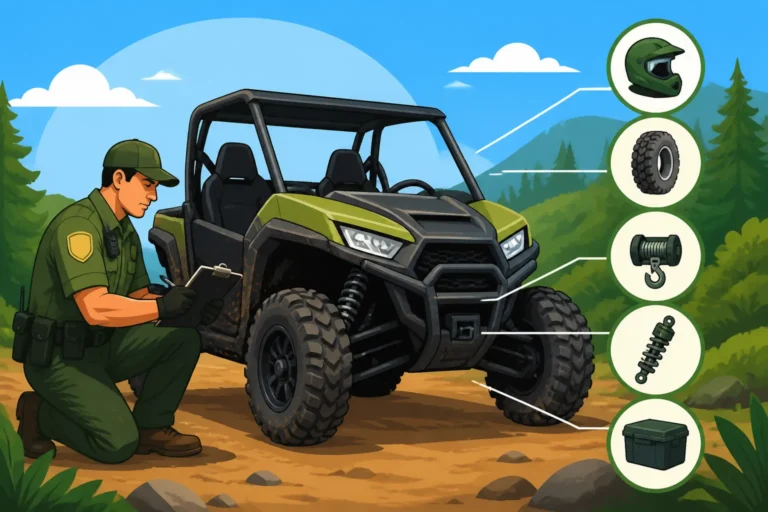
The most practical reason for ensuring your club-owned machine is registered is plain and simple: you won't be able to ride it legally on the trails otherwise. State forest trails, authorized private parks like the AOAA or Rock Run Recreation Area, and even some local designated routes strictly enforce registration requirements. Rangers and trail staff are vigilant about checking for valid registration. Imagine taking a club machine out for a trail cleanup day, only to be turned away at the trailhead or, worse, cited by a DCNR ranger because the registration is missing or expired.
This is where the rubber meets the road. Whether you're heading to the expansive trails of Bloody Skillet in Sproul State Forest or participating in a club event at Whiskey Springs, the registration is your machine's ticket to legal access. DCNR officials, especially at popular staging areas, often conduct [Registration Checks at Bloody Skillet] and other trail systems, verifying that every machine operating on their land has current and valid paperwork. Having an unregistered machine, even if it's for a noble club purpose, can lead to significant headaches and fines, disrupting your club's activities and potentially costing a lot more than the registration fee itself.
The Registration Process for a Club-Owned ATV/UTV
Registering a club machine follows many of the same steps as registering a personal ATV, but there are some nuances, particularly around proving ownership and ensuring the paperwork reflects the club's legal entity. It's all about attention to detail to make sure DCNR has the correct information on file.
Proving Ownership for a Club
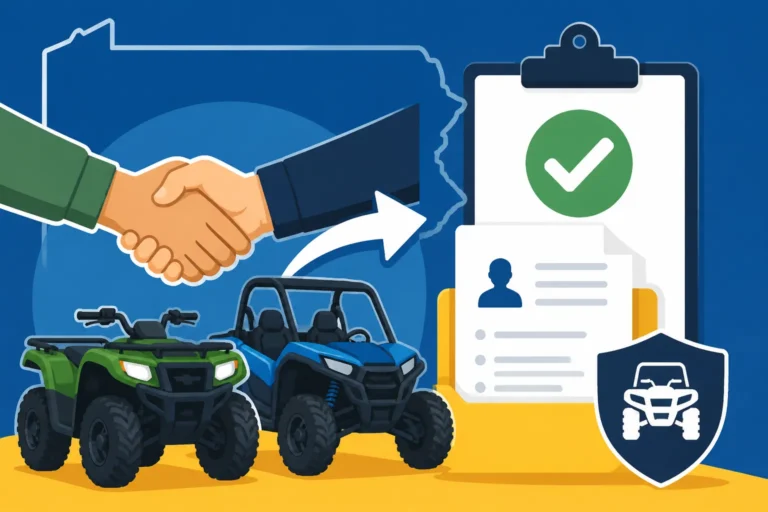
This is often the trickiest part for clubs. Unlike an individual with a personal title or bill of sale in their own name, a club needs to demonstrate that it, as a legal entity, owns the machine. The registration will be issued in the club's official name, not the name of a club president, treasurer, or any other individual member. This means your club needs clear documentation establishing ownership.
Acceptable forms of proof typically include:
- Original Certificate of Title: If the machine was titled to the club previously, or if a dealer titled it directly to the club, this is ideal.
- Manufacturer's Certificate of Origin (MCO): For a brand-new machine purchased by the club.
- Bill of Sale: If the club purchased the machine from a private party or a dealer. This bill of sale must clearly state the club's legal name as the buyer. This is a critical document. Sometimes clubs acquire machines through donations or through purchases from private parties. Having robust documentation, like a professionally drafted bill of sale or an internal transfer agreement, can make proving ownership much smoother during the registration process. Services like LawDepot can provide templates for these types of legal documents, ensuring all necessary details are captured accurately and professionally.
- Transfer of Ownership Document: If the machine was transferred from an individual to the club, perhaps as a donation.
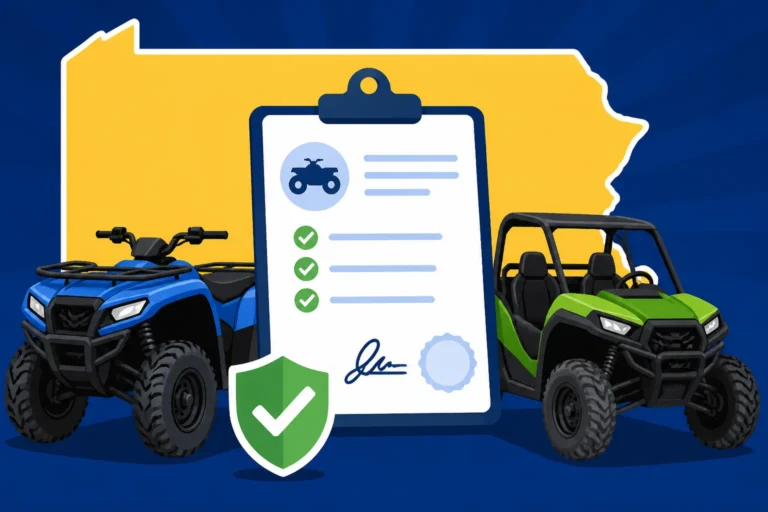
It’s crucial that whatever document you submit clearly identifies the club as the owner. DCNR needs to see a chain of custody that leads directly to your club's legal name. Gathering all your [Pennsylvania ATV Registration Paperwork Checklist] documents before you start will save a lot of back-and-forth.
Completing Form DCNR-43 for a Club
Form DCNR-43 is the standard application for ATV and snowmobile registration in Pennsylvania. When filling it out for a club, there are a few key fields to pay close attention to to ensure the registration is processed correctly:
- Owner Information: This section must be filled out with the club's full legal name. Avoid using abbreviations or nicknames. For example, if your club is officially "The Northern Pennsylvania ATV Riders Association," that's what should go on the form, not just "NPAVRA."
- Address: Use the club's official mailing address, not a personal address of a member, unless that personal address is officially recognized as the club's contact address for legal purposes.
- Contact Person: While the owner is the club, DCNR will still need a contact person – typically an officer like the President, Treasurer, or Secretary – who they can reach regarding the registration. Make sure this person's contact information (phone, email) is accurate and up-to-date.
- Signatures: An authorized officer of the club must sign the form. This typically means the person who has the legal authority to act on behalf of the club in financial and administrative matters. Make sure the signer also prints their name and title clearly.
You'll also need to select the type of registration. Most clubs operating on public or designated trails will need [Pennsylvania's General Registration for Everywhere Else]. This allows the machine to be ridden on state forest trails and other DCNR-authorized areas. The "limited" registration is typically for private land use, which generally wouldn't apply to a machine meant for club activities on public land. Take your time when completing the form; rushing through [What Pennsylvania Asks on Form DCNR-43] can lead to errors and delays.
Fees, Titles, and Payment
The costs associated with registering a club machine are the same as for an individually owned machine. This includes a fee for the title and a fee for the registration itself. When you purchase an ATV or UTV, especially through a dealer, a title is typically issued in the name of the purchaser. The [Pennsylvania ATV Title Cost] is a one-time fee to establish legal ownership.
The [Pennsylvania ATV Registration Cost] is a recurring fee, typically due every two years. When paying, ensure the payment method (check, money order) is made out in the club's name or is clearly associated with the club's financial accounts. If sending a personal check from a club officer, it might be wise to include a note explaining the payment is for the club's machine registration. This minimizes any confusion about who is paying and for what machine. You can typically submit the forms and payment either by mail or, in some cases, through the [Registering Online at Pennsylvania's DCNR Portal] if your club has an account set up.
| Document/Item | Requirement for Club Machine Registration |
|---|---|
| Completed DCNR-43 | Yes, with club name and authorized signature |
| Proof of Ownership | Title, MCO, or Bill of Sale in club's name |
| Identification | EIN for the club, or ID of signing officer |
| Payment | Check/money order in club's name for fees |
| Sales Tax Proof | Yes, or exemption if applicable |
| Lienholder Info | If machine is financed |
Maintaining Your Club Machine's Registration and Legal Standing
Getting the registration is just the first step. For a club, maintaining that registration and ensuring all legal requirements are met is an ongoing responsibility, especially since different members might be operating the machine. Consistency and good record-keeping are your club's best friends here.
Renewing Every Two Years
Pennsylvania ATV registrations are valid for two years from the date of issuance. This means your club's machine will need to be renewed regularly. It's critical to have a system in place to track the expiration date and ensure the renewal is submitted on time. DCNR typically sends renewal notices to the mailing address on file. If your club's address changes, or if the contact person rotates, it's essential to update that information with DCNR immediately. Otherwise, renewal notices could go missing, leading to an expired registration and potential fines.
Consider setting up a reminder system within your club's administrative structure. A Google Calendar reminder, a note in the club's financial ledger, or a task assigned to a specific officer well in advance of the expiration date can prevent costly oversights. Timely [Renewing a Pennsylvania ATV Registration] ensures uninterrupted legal use of the machine.
Keeping Records and Documentation Handy
Club machines are often shared resources, meaning various members might be using them throughout the year. It's absolutely crucial that a copy of the valid registration wallet card and proof of insurance (which is also required for riding off private land) is always with the machine or with the operator.
Imagine a scenario: your club's UTV is being used by a volunteer member to clear a fallen tree on a state forest trail. A DCNR ranger patrols by and requests to see documentation. That volunteer needs to have the paperwork on hand. A good practice is to keep a laminated copy of the [Why Both Pennsylvania Registrations Include a Wallet Card] and the insurance card in a waterproof pouch securely attached to the machine, or in the glove box for a UTV. You might also want to draft a simple internal agreement (again, LawDepot could offer templates for such internal club usage policies) outlining who can operate the machine and what documentation they must carry, protecting both the club and its members.
Avoiding Fines and Ensuring Compliance
The consequences of operating an unregistered or improperly registered ATV or UTV in Pennsylvania can be severe. [Pennsylvania Fines for an Unregistered ATV] can start at several hundred dollars, plus court costs. For a club, this can be a significant financial hit, diverting funds from trail maintenance, events, or equipment upgrades. Beyond the monetary cost, it can also damage the club's reputation and relationships with DCNR and other trail organizations.
It falls to the club leadership to establish clear guidelines and ensure all machines are compliant before they ever hit the trail. This includes not just registration, but also ensuring that anyone operating the machine meets safety requirements. For instance, if your club has younger members who might operate a youth-sized club machine, they must adhere to [Pennsylvania ATV Safety Certificate Requirements] and age restrictions for engine size. Regularly auditing your club's machines for current registration stickers, plates, and proper documentation is a wise preventative measure that keeps everyone riding legally and safely.
Ultimately, registering an ATV or UTV for a club in Pennsylvania is about being a responsible land user and ensuring your club can fully enjoy the incredible riding opportunities the state offers. While it requires a bit more administrative rigor than a personal machine, it’s a straightforward process that safeguards your club's activities and contributions to the off-road community.
Disclaimer
This article is for general informational purposes only and does not constitute professional advice. Laws, prices and regulations vary by location and change over time. Consult a qualified professional for guidance on your specific situation.