Pennsylvania’s DCNR Snowmobile and ATV Section
Trying to make sense of all the rules and regulations for ATVs and UTVs in Pennsylvania can feel like trying to ride through a muddy creek bed with a blindfold on. It’s a lot to take in, and many riders find themselves scratching their heads wondering who exactly is in charge and what steps they need to take to legally hit the trails or even just ride on their own property. This comprehensive guide is here to shed light on the vital role of the Pennsylvania Department of Conservation and Natural Resources (DCNR) Snowmobile and ATV Section, walking you through everything you need to know to stay compliant and enjoy your ride.
The DCNR's Role in Pennsylvania ATV and UTV Riding
When you think about vehicle registration, your mind probably jumps straight to PennDOT, right? That’s where you register your car, truck, and even your motorcycle. So it's completely natural to assume your ATV or UTV would follow the same path. But in Pennsylvania, ATVs and UTVs are treated differently because they're generally not designed for public roads. That’s where the Pennsylvania Department of Conservation and Natural Resources (DCNR) steps in, taking on the crucial role of regulating and overseeing all things related to off-highway recreational vehicles (OHRVs) like ATVs and UTVs. This distinction is foundational to understanding how to legally operate your machine in the Keystone State.
Why DCNR, Not PennDOT, Handles ATVs
It's a common point of confusion for new and even seasoned riders: why isn't PennDOT involved with ATV registration? The core reason lies in the fundamental purpose and intended use of these vehicles. PennDOT's mandate is to manage vehicles primarily used on public highways and roads. They handle things like driver's licenses, vehicle titles, and registrations for cars, trucks, and motorcycles that travel on paved surfaces. Your average ATV or UTV, however, is built for the dirt, rocks, and trails – not for daily commuting on Route 80 or city streets. Because ATVs and UTVs are designed for off-road recreational use, the state places their oversight under DCNR, an agency focused on land management, conservation, and outdoor recreation.
This separation reflects a broader philosophy about land use and environmental stewardship. DCNR's mission includes protecting natural resources and providing opportunities for outdoor recreation, which naturally extends to managing the trails and regulations for machines that operate within these natural environments. They understand the unique impact these vehicles have on ecosystems and how to best manage their use to balance recreation with conservation. So, while it might seem counterintuitive at first, DCNR’s involvement ensures that ATV and UTV riding is integrated into the state’s broader strategy for responsible land use and public access. It's a system designed to ensure that the beautiful Pennsylvania wilderness remains accessible and protected for generations of riders to come.
Beyond Registration: DCNR's Broader Scope
While registering your ATV or UTV is often the first interaction riders have with DCNR, their role extends far beyond simply issuing plates and stickers. The DCNR Snowmobile and ATV Section is a comprehensive agency dedicated to ensuring safe, responsible, and sustainable off-highway recreation across the state. They are the architects and guardians of Pennsylvania's vast network of state forest and park trails, developing new riding opportunities while maintaining existing ones to high standards. This involves everything from planning new trail systems in state forests to conducting regular maintenance, ensuring signage is clear, and addressing environmental concerns like erosion control.
Moreover, DCNR is deeply committed to rider safety and education. They oversee and approve mandatory safety training courses for younger riders, ensuring that the next generation of ATV enthusiasts learns proper riding techniques and safety protocols from an early age. They also work to educate all riders on best practices, trail etiquette, and the importance of respecting natural resources. Their rangers are the boots on the ground, enforcing regulations, assisting riders in need, and ensuring that everyone adheres to the rules that keep both people and the environment safe. This broader scope highlights DCNR's holistic approach: not just allowing you to ride, but empowering you to ride safely and responsibly, preserving the very places you love to explore. They are the backbone of the state’s efforts to provide outstanding off-road recreation while safeguarding Pennsylvania's natural beauty.
Navigating Pennsylvania's ATV Registration System
Getting your ATV or UTV registered in Pennsylvania can feel like a maze, especially with the different types of registration available. It’s not just a one-size-fits-all situation, and understanding the nuances is key to staying legal, whether you're heading out to a state trail or just riding on your own land. The DCNR has a clear system in place, but it requires a bit of attention to detail to ensure you pick the right path for your riding needs. Don't worry, we'll break it down so it makes sense.
Understanding General vs. Limited Registration
One of the most important distinctions you'll encounter when registering your ATV or UTV in Pennsylvania is between General Registration and Limited Registration. This isn't just a bureaucratic formality; it dictates where and how you can legally operate your machine. Many riders mistakenly assume one covers all bases, but choosing the wrong one can lead to fines and frustration.
General Registration is for those who intend to ride on state-designated ATV trails, private land where they have permission, or on approved joint-use roads. If you're planning a trip to the Sproul State Forest trails, the Anthracite Outdoor Adventure Area (AOAA), or any other public riding area, General Registration is absolutely essential. It signifies that your machine is authorized for broader recreational use and that you're contributing to the maintenance of these public resources. This registration comes with a full-size, typically yellow, plate that needs to be prominently displayed on your ATV or UTV.
On the other hand, Limited Registration is specifically designed for machines that will only be operated on private land owned or leased by the registrant. Think of it as a "private property only" tag. If you have a large tract of land, a farm, or a hunting camp where you solely use your ATV, then a Limited Registration might be what you need. The crucial difference is that a Limited Registered machine is not permitted on state forest trails, public roads (even designated ones), or any land other than your own. The great thing about [Pennsylvania's Free Limited Registration] is that it typically doesn't carry a fee, reflecting its restricted use. This distinction is vital for avoiding accidental violations. You can find more details on this by checking out [Pennsylvania's Limited and General Registrations].
| Feature | General Registration | Limited Registration |
|---|---|---|
| Purpose | Public trails, private land with permission, designated roads | Private land owned or leased by the registrant |
| Plate Type | Full-size, standard ATV plate | Smaller, "Limited Use" plate |
| Sticker | Annual sticker on plate (if applicable, typically renewed every two years) | No annual sticker (permanent if conditions met) |
| Cost | Fee applies (check DCNR for current rates) | Free (if conditions for exemption are met) |
| Usage Area | State forest/park trails, designated municipal roads | Strictly on registrant's private property |
| Duration | Two years, renewable | Permanent if conditions for exemption are met |
| Trail Access | Required for DCNR trails (often with additional permit) | Does not permit access to DCNR trails |
| Transferability | Transfers with machine sale | Stays with registrant (not machine if sold off property) |
The Registration Process: Paperwork and Fees
Once you've decided whether you need General or Limited Registration, the next step is to tackle the paperwork. This part can feel daunting, but DCNR has a relatively straightforward process. The primary form you'll need is DCNR-43, the "Application for Certificate of Registration and Title." This form asks for all the essential information about you, the owner, and your ATV or UTV, including its make, model, year, and vehicle identification number (VIN). It's crucial to fill this out accurately and completely to avoid delays. Make sure your VIN is clearly legible and matches the documentation for your machine. You can learn more about [What Pennsylvania Asks on Form DCNR-43] to prepare yourself.
Along with the DCNR-43 form, you'll typically need to provide proof of ownership, which usually means the original title for your ATV or UTV. If your machine is older or falls under certain exemptions, you might need a bill of sale or other documentation establishing ownership. Proof of Pennsylvania sales tax payment is also required, especially if you bought the machine from a private seller. If you're going for General Registration, there's a fee involved. The [Pennsylvania ATV Registration Cost] covers the processing of your registration and title. This fee is usually for a two-year registration period, so you won't have to worry about it annually. It’s always a good idea to check the current fee schedule on the DCNR website or call their Snowmobile and ATV Section directly, as these figures can change. Once all your paperwork is in order and fees are paid, you'll submit everything to DCNR. They will then process your application and, upon approval, issue your registration certificate, wallet card, and plate (if applicable).
Online Options and Dealer Assistance
In today's digital age, convenience is king, and DCNR has recognized this by offering online options for certain ATV registration tasks. While the initial registration of a brand-new or newly acquired machine often requires submitting physical paperwork and proof of ownership, the DCNR portal can be a real time-saver for renewals or checking your registration status. Utilizing the [Registering Online at Pennsylvania's DCNR Portal] can simplify the biennial renewal process for your General Registration, allowing you to pay your fees and update your information from the comfort of your home. This avoids trips to a DCNR office or the hassle of mailing documents and waiting for them to be processed.
For those purchasing a new ATV or UTV from a dealership, the process is often even smoother. Authorized Pennsylvania ATV dealers are typically equipped to handle all the registration and titling paperwork on your behalf right at the point of sale. This is a massive convenience, as they are familiar with the DCNR-43 form, know exactly what supporting documents are needed, and can usually process the fees directly. They will often issue you a temporary 45-day dealer sticker, allowing you to ride legally while your permanent registration and plate are being processed by DCNR. This takes a lot of the guesswork and administrative burden off your shoulders. Understanding [What a Pennsylvania Dealer Handles for You] can save you a significant amount of time and ensure everything is done correctly the first time.
Essential Elements of DCNR Compliance
Getting your ATV or UTV registered is a huge first step, but DCNR compliance goes beyond just a piece of paper. To truly enjoy the trails and avoid any unnecessary run-ins with enforcement, you need to understand the physical proofs of registration, the mandatory safety requirements, and other crucial considerations like insurance. These elements are designed to ensure safety for all riders, protect the environment, and provide a clear system for identifying legitimate machines. Ignoring any of these can quickly turn a fun day of riding into a costly headache.
Plates, Stickers, and Wallet Cards
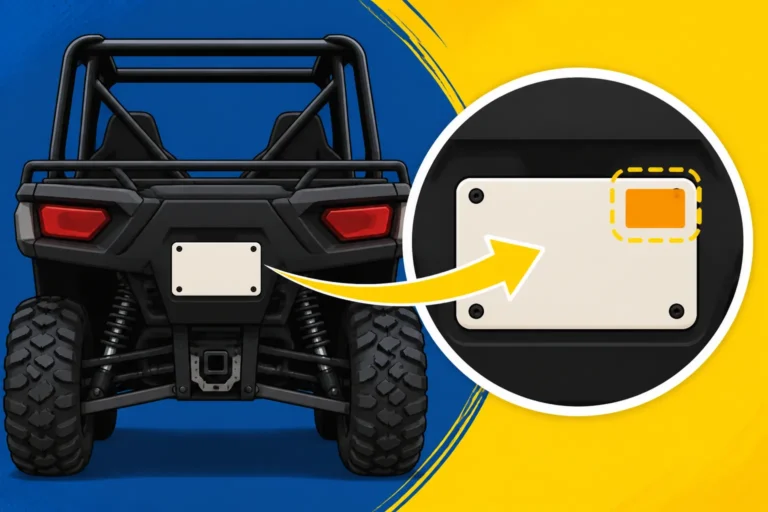
Once your ATV or UTV is registered, DCNR will issue specific items that serve as official proof of your compliance. These aren't just decorative; they are vital for identification and verification, especially when you're out on the trails or crossing a public road. First and foremost is your registration plate. For General Registration, this is a distinct plate, usually yellow, with specific numbering and "PA DCNR" clearly printed. It must be securely mounted to the rear of your machine in a visible location, free from dirt or obstruction. The DCNR specifies exactly [Pennsylvania ATV Plates and Where They Mount] to ensure visibility for rangers and other authorities. This plate is your machine's identifier, much like a license plate on a car, and it's how DCNR keeps track of registered ATVs and UTVs.
Along with the plate, you'll receive a registration sticker. This sticker is typically affixed to the plate itself and indicates the expiration date of your registration. It's a quick visual cue for enforcement to see if your registration is current. For Limited Registration, the plate is smaller and usually green, simply stating "Limited Use." While it doesn't get an annual sticker like the General Registration plate, it still needs to be mounted prominently. Finally, regardless of whether you have General or Limited Registration, DCNR issues a wallet-sized registration card. This card contains all your machine's details and your owner information. It's critical to carry this card with you whenever you're operating your ATV or UTV, especially off your own private property. If a DCNR ranger or law enforcement officer asks for proof of registration, this card is your go-to document. Neglecting to carry it or having an expired sticker can lead to citations, so understanding [Why Both Pennsylvania Registrations Include a Wallet Card] is important for every rider.
Safety Training and Age Requirements
Safety is paramount in ATV and UTV riding, and DCNR places a strong emphasis on proper training, especially for younger operators. It's not just about having fun; it's about learning the skills and understanding the risks to prevent accidents and injuries. Pennsylvania law mandates that all ATV operators between the ages of 8 and 15, and those 16 or older who have not previously held a valid certificate, must possess an ATV Safety Certificate to operate an ATV on state-owned land or designated trails. This means if you have a young rider eager to hit the trails with you, they'll need to complete an approved safety course. These courses cover essential topics like riding techniques, rules of the trail, environmental awareness, and emergency procedures.
DCNR provides resources to find approved safety courses, often offered by certified instructors in communities across the state. They ensure that these courses meet specific standards to adequately prepare riders for safe operation. For adult riders (16 and older), while a certificate might not always be mandatory depending on previous experience, it's still highly recommended, as it provides invaluable knowledge that can prevent accidents. Beyond the safety certificate, there are strict age requirements that dictate who can operate an ATV and what size machine they can ride. For example, children under the age of 8 are generally prohibited from operating an ATV on state land, and there are displacement (CC) restrictions for different age groups. Understanding [Pennsylvania ATV Safety Certificate Requirements] and [Pennsylvania Minimum Age to Ride an ATV] is not just about avoiding fines; it’s about ensuring the well-being of all riders, particularly the younger generation.
Insurance and Other Important Considerations
Beyond registration and safety training, there are a few other critical components of DCNR compliance that riders often overlook. One of the most significant is insurance. While Pennsylvania does not require ATV insurance for riding exclusively on your own private property, it becomes mandatory the moment you take your machine onto public lands, designated trails, or private property you don't own. This is usually liability insurance, designed to cover damages or injuries you might cause to others while operating your ATV. Accidents can happen quickly, and having adequate insurance provides a vital layer of protection for you and others.
It's crucial to carry proof of insurance with you, just like you would your wallet registration card. DCNR rangers and law enforcement may ask to see it. While DCNR doesn't specify a minimum coverage amount, it's wise to consult with an insurance agent to ensure you have sufficient coverage for your riding habits and the value of your machine. You can learn more about [Pennsylvania ATV Insurance Requirement] to ensure you're covered.
Beyond insurance, DCNR also has regulations regarding the equipment on your ATV or UTV. All machines operating on state land must be equipped with a US Forest Service approved spark arrester to prevent wildfires. Your muffler system must also be in good working order, ensuring your machine isn't excessively loud, which can disturb wildlife and other trail users. Headlights and taillights are required, especially if you plan to ride at dusk or in low-light conditions. These equipment rules are not just arbitrary; they are in place to promote safety, minimize environmental impact, and ensure a harmonious experience for everyone enjoying Pennsylvania's natural resources. Regular maintenance and checking these items before each ride will help keep you compliant and safe.
Exploring Pennsylvania's DCNR Trails and Regulations
One of the greatest benefits of DCNR's comprehensive approach to ATV and UTV management is the vast network of trails available to registered riders. Pennsylvania boasts an impressive array of riding opportunities, from challenging rocky ascents to smooth, winding forest roads. However, accessing these trails comes with its own set of rules and, often, an additional permit beyond your basic registration. Navigating these requirements ensures you can fully and legally enjoy the adventure that awaits in Pennsylvania's beautiful state forests and parks.
State Forest and Park ATV Trail Systems
Pennsylvania is truly a treasure trove for ATV and UTV enthusiasts, offering hundreds of miles of designated trails across its state forests and parks. DCNR actively manages and expands these trail systems, providing diverse riding experiences for all skill levels. Some of the most popular and expansive systems include Whiskey Springs and Bloody Skillet in Sproul State Forest, the Potter County Trail in Susquehannock State Forest, and the trails at the Anthracite Outdoor Adventure Area (AOAA), which, while not a DCNR state forest trail, works closely with DCNR in promoting responsible riding. Each of these areas offers unique terrain and scenery, from dense woodland trails to former mining lands.
These trails are not open year-round, which is a common point of confusion for riders. DCNR implements specific [Pennsylvania's ATV Trail Season] dates to manage trail conditions, protect fragile ecosystems, and minimize conflicts with other forest users, such as hunters. Typically, state forest trails are open from the Friday before Memorial Day through the last full weekend in September, and then again from the day after the close of the regular antlerless deer season through April 1. These dates are crucial to remember, as riding on a closed trail can result in significant fines. Before planning any trip, it’s always best to check the official DCNR website for the most current information on trail status, closures, and operating hours. Understanding [Where to Ride an ATV in Pennsylvania] is the first step, but knowing when and how to ride is just as important.
Permits for State Forest Riding
Even with a valid General Registration, accessing certain state forest ATV trails often requires an additional trail permit. This is a key distinction that sometimes catches riders off guard. DCNR's state forest ATV trail systems, particularly those in the northcentral region (Clinton, Lycoming, Potter, and Tioga counties), operate under a permit system. This means that in addition to your machine being registered with a DCNR General Registration, you also need to purchase a specific trail permit to ride within these designated areas. This permit helps fund the maintenance, development, and management of these extensive trail networks.
These permits are typically issued annually and come with different fee structures for residents and non-residents. The [Pennsylvania ATV Trail Permit Cost] usually covers a full season, from spring through the winter riding window. It’s important to purchase the correct permit for your situation and to have it with you, along with your registration card, whenever you ride in these areas. DCNR provides information on how and where to purchase these permits, often through their online portal or at specific forest district offices. Just like your registration, having an expired or incorrect permit for the area you are riding in can lead to citations, so always double-check the requirements for the specific trail system you plan to visit. It’s an extra step, but it ensures the sustainability and continued enjoyment of these amazing riding opportunities.
Understanding Trail Rules and Enforcement
Riding on DCNR-managed trails isn't a free-for-all; it's a privilege that comes with specific rules and regulations designed to ensure safety, minimize environmental impact, and promote a positive experience for all users. One of the most important rules pertains to the width of your machine. Pennsylvania's state forest trails have a strict [Pennsylvania's Class II Trail Width Limit] of 64 inches. This means many wider side-by-sides (UTVs) might not be permitted on all DCNR trails, as they simply won't fit or could cause excessive trail damage. Always measure your machine before heading out to avoid disappointment or fines. Speed limits are also enforced, typically 25 mph on designated trails, and lower in staging areas or near campgrounds.
Beyond width and speed, other rules include staying on marked trails – absolutely no off-trail riding, which can damage sensitive ecosystems and is a serious violation. Littering is strictly prohibited, and riders are expected to practice Leave No Trace principles. Alcohol consumption is also forbidden on DCNR trails. These rules are enforced by DCNR rangers, who are often patrolling the trails. They are there to help riders, provide information, and, when necessary, issue citations for violations. Penalties for infractions can range from warnings to significant [Pennsylvania ATV Registration Fines], potentially including the cost of prosecution. Rangers regularly conduct checks at trailheads and along the trails, verifying registration, permits, safety certificates, and adherence to operating rules. Knowing and respecting these regulations not only keeps you safe and legal but also helps preserve the trails for everyone to enjoy for years to come.
Common Scenarios and DCNR Guidance
Life with an ATV or UTV isn't always a straightforward journey. There are often bumps in the road, like buying or selling a machine, moving to Pennsylvania from another state, or dealing with unique ownership situations. The DCNR Snowmobile and ATV Section anticipates many of these common scenarios and offers clear guidance to help riders navigate them without confusion. Understanding these specific situations can save you time, stress, and potential legal issues.
Buying and Selling ATVs in Pennsylvania
The process of buying or selling an ATV or UTV in Pennsylvania, especially through a private sale rather than a dealership, can sometimes feel a bit like uncharted territory. When purchasing a used machine from a private seller, the most crucial document you'll need is the original title, properly signed over to you by the previous owner. Pennsylvania law requires all ATVs and UTVs to be titled, similar to cars, unless they fall under specific exemptions for older machines. Without a title, proving ownership can become a significant hurdle for future registration. You'll also need a bill of sale, which acts as a legal record of the transaction. This document should include details like the date of sale, the purchase price, the VIN of the machine, and the names and signatures of both the buyer and seller. A robust bill of sale from a reputable source like LawDepot can provide peace of mind and protection for both parties.
Once you have the title and bill of sale, you’ll take these documents to DCNR (either directly or through an authorized agent) to transfer ownership and register the machine in your name. If the previous owner had a General Registration, that registration typically transfers with the machine to the new owner, though you’ll still need to update the ownership records with DCNR. For sellers, it's a good practice to notify DCNR of the sale, even if the buyer is responsible for the transfer. This ensures that the machine is no longer associated with you in DCNR's records. For comprehensive guidance on what’s needed, make sure to check out [Pennsylvania ATV Bill of Sale Requirements] and [Registering After a Private Sale in Pennsylvania] to ensure a smooth transition of ownership.
Non-Resident Riding in Pennsylvania
Pennsylvania's beautiful landscapes and extensive trail systems attract riders from neighboring states, but visitors need to be aware of specific DCNR requirements. If you're a non-resident and wish to ride your ATV or UTV on state-owned trails in Pennsylvania, your machine must be legally registered in your home state, and that state must have a reciprocity agreement with Pennsylvania. Reciprocity means that Pennsylvania recognizes registrations from states that also recognize Pennsylvania's registrations for their residents. It’s not a universal agreement with every state, so it’s essential to verify if your state has a reciprocal agreement with Pennsylvania before you hit the trails.
Even with reciprocity, most non-residents will still need to purchase a Pennsylvania ATV trail permit if they plan to ride on state forest trails that require them (like those in the northcentral region). Your out-of-state registration does not exempt you from the need for a DCNR trail permit. This additional permit helps contribute to the upkeep of the very trails you'll be enjoying. It's always best to carry proof of your home state's registration, along with any necessary Pennsylvania permits, and your identification. DCNR rangers regularly check these documents. Before embarking on a trip, it's highly recommended to consult the DCNR website or call their Snowmobile and ATV Section to confirm all current requirements for non-resident riders. Knowing [Do Nonresidents Need Pennsylvania ATV Registration?] and the specific permit rules will prevent any unexpected issues during your visit.
Special Cases: Inherited, Farm, or Club Machines
Sometimes, ATVs or UTVs come into ownership through less conventional means, or they are used for specialized purposes that might have different registration considerations. DCNR provides guidance for these unique scenarios to ensure all machines are properly accounted for and legally operated.
If you've inherited an ATV or UTV, the process for transferring ownership to your name involves a few extra steps beyond a standard sale. You'll typically need to provide proof of inheritance, such as a death certificate and documentation of your legal right to the vehicle (e.g., a will, letters of administration, or small estate affidavit). DCNR will then guide you through the process of transferring the title and registration into your name. It's important not to operate the machine until this transfer is complete. Understanding [Registering a Machine You Inherited in Pennsylvania] will walk you through the specifics.
For machines primarily used for farming or other business operations on private property, Pennsylvania offers exemptions under certain conditions. The [The Farm and Business Exemption in Pennsylvania] may apply if the ATV or UTV is solely used for agricultural purposes on land owned or leased by the operator, or for other specific business-related tasks that do not involve recreational riding on public trails. These machines might not require General Registration, but it's crucial to understand the exact criteria for these exemptions to ensure you are truly compliant and not inadvertently violating registration laws. Again, a clear bill of sale or ownership document from a resource like LawDepot can be invaluable even in these niche situations.
Similarly, ATVs or UTVs owned by clubs, government units, or rental fleets often have specific registration procedures tailored to their operational needs. Rental fleets, for instance, might register multiple machines under a business entity, while club machines might have unique arrangements for use on club-leased land. For any of these special cases, contacting the DCNR Snowmobile and ATV Section directly is the best course of action. Their staff can provide precise guidance based on your specific circumstances, ensuring you meet all legal requirements and can operate your machine without issues.
Disclaimer
This article is for general informational purposes only and does not constitute professional advice. Laws, prices and regulations vary by location and change over time. Consult a qualified professional for guidance on your specific situation.