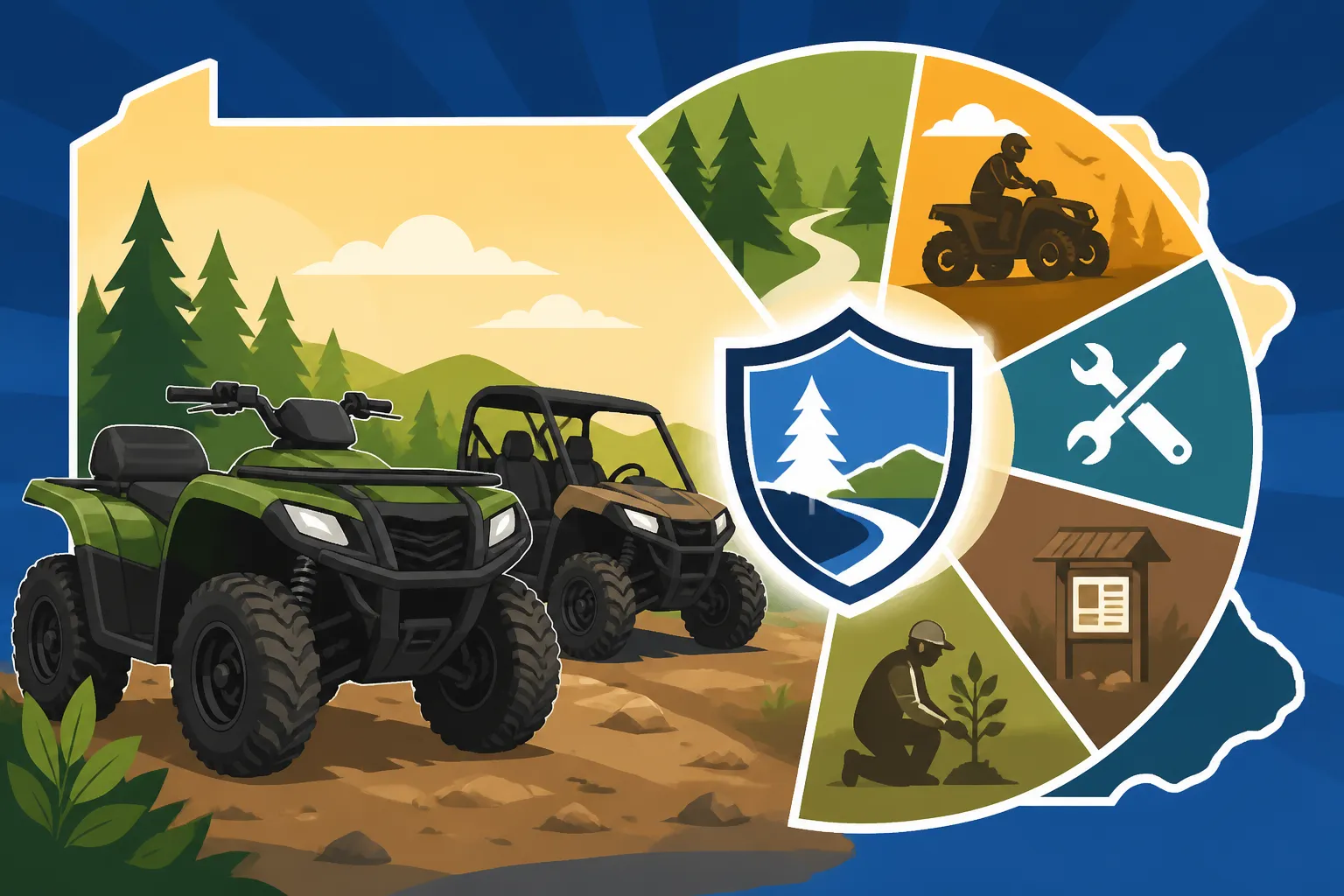
What Pennsylvania ATV Fees Pay For
It’s easy to look at the fees associated with owning and riding an ATV or UTV in Pennsylvania and feel a pang of frustration. Another registration fee, another title fee, and then the taxes on top of it all! It often feels like money just disappearing into the ether, adding to the already significant cost of getting out on the trails. But what if I told you these fees aren't just random government charges? They actually serve a crucial purpose, directly funneling funds back into the very infrastructure, safety programs, and environmental protections that make Pennsylvania a fantastic place to ride. This guide will break down exactly where your ATV fees go, helping you understand the valuable impact of every dollar you spend.
Why Pennsylvania Collects ATV and UTV Fees
When you open your wallet to pay for your ATV's title or registration, it’s not just an arbitrary tax. These fees are the lifeblood of Pennsylvania's off-road recreation system, carefully designed to ensure that the sport remains sustainable, safe, and accessible for everyone. Without these dedicated funds, the trails we cherish, the safety programs that protect our kids, and the beautiful natural landscapes we explore simply wouldn't exist in their current form.
The Department of Conservation and Natural Resources DCNR's Mandate
At the heart of ATV regulation and funding in Pennsylvania is the Department of Conservation and Natural Resources, or DCNR. They are the primary state agency responsible for overseeing the registration of ATVs and snowmobiles, managing state forest lands, and promoting outdoor recreation. Unlike motor vehicles that are handled by PennDOT, ATVs and snowmobiles fall under DCNR's purview because their primary operation is off-road, often within state forests and parks. The fees collected are specifically earmarked to support DCNR's mission. You can learn more about [Why DCNR Registers Pennsylvania ATVs] in detail. Their mandate isn't just about collecting money; it's about stewardship – managing our natural resources responsibly while also providing recreational opportunities. This involves balancing rider access with environmental protection, a complex task that requires significant funding.
Think about the sprawling state forests, the maintenance crews, the signage, and the rangers who patrol the trails. All of this comes at a cost, and your fees contribute directly to ensuring these resources are managed effectively. Without DCNR’s focused efforts and the funding derived from registration, maintaining a consistent, well-managed system for ATV use across such a vast and diverse landscape would be nearly impossible.
Building and Maintaining Our Off-Road Infrastructure
One of the most immediate and tangible ways your fees are put to use is in the development and upkeep of Pennsylvania’s extensive ATV trail system. Imagine riding a challenging trail, only to encounter fallen trees, washed-out bridges, or dangerously eroded sections. These are precisely the kinds of issues that registration fees help to address. Trail crews, often state employees or contractors, are constantly working to clear debris, repair surfaces, install culverts, and build bridges to ensure trails are safe and enjoyable.
This infrastructure isn't just about existing trails, either. A portion of the funds goes towards planning and creating new trail opportunities, expanding the network and providing more places for riders to explore. [Pennsylvania ATV Trail Permits Explained] can give you a better idea of how additional funds are sometimes collected specifically for regional trail access. Whether it's restoring old logging roads for recreational use or negotiating access with private landowners, the process of expanding our riding areas is complex and resource-intensive, directly benefiting from the fees collected.
Breaking Down the ATV Registration Fee
The biennial registration fee you pay for your ATV or UTV is perhaps the most direct way your money goes back into the riding community. This fee isn't just a charge for a piece of paper and a plate; it's a contribution to a dedicated fund that supports a wide array of programs critical to the sport's health and future in Pennsylvania. For a quick look at the base cost, check out [Pennsylvania ATV Registration Cost].
Funding Trail Development and Maintenance
A significant portion of your registration fee is allocated directly to trail work. This includes everything from the heavy machinery used to grade trails after a wet season to the hand tools used by volunteers and state employees to clear brush and repair erosion control structures. Without this constant attention, many trails would quickly become impassable or dangerously degraded, making for a miserable and potentially hazardous riding experience. These funds also go towards ensuring proper signage, so riders can navigate trails safely and are aware of any special conditions or regulations.
Consider the effort involved in maintaining popular areas like the Whiskey Springs ATV Trail or the Bloody Skillet ATV Trail. These trails see thousands of riders each season, and the wear and tear is immense. Your registration fee directly supports the dedicated teams who work tirelessly to keep these trails in top condition, ensuring that the ground you ride on today is still rideable next year and for years to come.
Supporting Safety, Education, and Enforcement
Beyond the physical trails themselves, your registration dollars also fund crucial safety initiatives. This includes the development and dissemination of safety literature, public awareness campaigns, and the funding of ATV safety courses across the state. These courses, often mandatory for younger riders, teach essential skills and responsible riding practices, helping to prevent accidents and injuries. You can find more information about these requirements in [Pennsylvania ATV Safety Certificate Requirements]. By investing in education, Pennsylvania aims to create a more knowledgeable and responsible riding community.
Furthermore, these fees contribute to the enforcement efforts of DCNR rangers and local law enforcement. Rangers patrol trails to ensure compliance with registration requirements, safety regulations, and environmental rules. This presence helps to deter illegal riding, protect sensitive habitats, and ensure that all riders adhere to the rules, creating a safer and more enjoyable environment for everyone. Think of it as investing in the peace of mind that comes from knowing the trails are being looked after, and those who disregard the rules are being held accountable.
Covering Administrative and Operational Costs
Like any large-scale program, the ATV registration system itself has administrative and operational costs. Your fees help cover the expenses associated with processing registrations, issuing plates and decals, maintaining rider databases, and managing the DCNR's Snowmobile and ATV Section. This also includes the costs of customer service, such as staffing phone lines and responding to inquiries about registration, trails, or regulations. These behind-the-scenes efforts are essential for the smooth functioning of the entire system.
These funds also support the technology infrastructure needed to manage the program, from online registration portals to the software used for tracking trail conditions and funding allocations. While not as visible as a newly graded trail, these administrative functions are absolutely vital to ensuring that the overall program runs efficiently and effectively, delivering the benefits that riders expect.
Understanding the ATV Titling Fee
While registration is about your right to operate on designated trails, titling is fundamentally about establishing legal ownership of your ATV or UTV. When you buy a machine, whether new from a dealer or used from a private seller, you’ll typically encounter a titling fee. You can review [Pennsylvania ATV Title Cost] for general details on this fee.
Establishing Clear Ownership and Deterring Theft
The primary purpose of the titling fee is to create a legally recognized record of who owns a particular ATV. This official document, issued by the DCNR, is your indisputable proof of ownership. In the unfortunate event of theft, a clear title is instrumental in helping law enforcement recover your machine and proving it belongs to you. Without a title, proving ownership can be incredibly difficult, making it harder to get your ATV back or claim insurance.
This system also helps prevent the sale of stolen machines. Buyers are generally hesitant to purchase an ATV without a clear title, as it raises red flags about its origin. A title provides a chain of custody, tracing the machine's ownership history, which is a powerful deterrent to illicit activities. When you need to formalize a private sale and ensure all paperwork is correct, resources like LawDepot can provide templates for a bill of sale, ensuring you have the necessary documentation to prove your purchase and facilitate the title transfer smoothly.
Creating a Permanent Record for Your Machine
Beyond proving ownership, the titling process establishes a permanent state record for your ATV, tied to its unique Vehicle Identification Number (VIN). This record includes details about the machine, previous owners, and any liens that might be attached to it. This information is invaluable for both buyers and sellers in the used market. For a buyer, checking the title history can reveal if the machine has been salvaged, flood-damaged, or reported stolen.
For sellers, having a clear title makes the sales process much smoother. It assures potential buyers that the machine is legitimate and transferable. Whether you're selling or buying, having access to clear, legally sound documentation is paramount. Using services like LawDepot to create a comprehensive bill of sale, especially during a private transaction, can add an extra layer of security and clarity to this permanent record-keeping process. This record is critical for situations like [Selling an ATV and Transferring in Pennsylvania].
Other Key Financial Contributions
While registration and titling fees are direct contributions to the DCNR’s ATV program, there are other financial aspects to owning and riding in Pennsylvania that also serve important purposes, either directly benefiting the state or providing essential protection for you as a rider. These are often forgotten when we tally up the costs, but they are just as vital to the overall picture.
The Role of Pennsylvania Sales Tax
When you purchase an ATV or UTV in Pennsylvania, whether new or used, you will pay sales tax. This is typically a 6 percent state sales tax, with an additional 1 or 2 percent in certain counties like Allegheny and Philadelphia. For more specific details, you can look into [Pennsylvania ATV Registration and the 6 Percent Tax]. Unlike registration fees, sales tax is a general revenue tax, meaning it goes into the state's general fund to support a wide range of public services, from schools and roads to emergency services. While not directly earmarked for ATV programs, this tax is a fundamental part of commerce in Pennsylvania.
For private sales, it’s the buyer’s responsibility to ensure sales tax is paid to the DCNR when applying for the title and registration. This often requires a clear bill of sale, detailing the purchase price, to accurately calculate the tax owed. This is another instance where using a reputable platform like LawDepot to draft a legally sound bill of sale can prevent headaches later, ensuring you have proper documentation for tax purposes and can avoid issues like [Proving Pennsylvania Sales Tax Was Paid]. It might feel like another cost, but it's a contribution to the broader public good that indirectly benefits all residents, including ATV riders.
Dealer Documentation and Service Fees
If you purchase your ATV from a dealer, you'll likely encounter additional fees beyond the sales price, tax, title, and registration. These can include a "documentation fee" or "dealer prep" charges. These fees cover the dealer's costs for handling paperwork, preparing the machine for delivery, and sometimes even delivering the machine to you. While DCNR fees are fixed by the state, dealer fees can vary. It's always a good idea to understand what these fees cover and whether they are negotiable.
A dealer often acts as an agent for DCNR, handling the complex process of titling and registering your new machine on your behalf, which saves you a trip to a DCNR office or the hassle of mailing in forms. This convenience is a service, and the fees reflect that. Understanding [What a Pennsylvania Dealer Handles for You] can help you differentiate between state-mandated costs and dealer services. Always ask for a clear breakdown of all charges before finalizing a purchase, ensuring you know exactly what you're paying for.
The Importance of ATV Insurance
While Pennsylvania state law only requires liability insurance for ATVs ridden off private property, it’s an absolutely essential financial consideration for any responsible rider. Insurance protects you financially in case of an accident, theft, or damage to your machine. Without it, you could be personally liable for tens of thousands of dollars in medical bills or property damage if you're involved in a collision.
Think about the unexpected. A deer jumps out, you swerve, and damage your ATV. Or worse, you accidentally collide with another rider on a trail. Having a good insurance policy in place, even if only liability, is a peace of mind investment. While it’s not a fee that goes to the state for trails, it’s a direct payment for your own protection and solvency. Consider it part of the overall [What an ATV Costs to Own in Pennsylvania] and a critical part of being a prepared rider.
The Tangible Benefits for Riders and the Commonwealth
Looking beyond the individual line items on your bill, the collective impact of all these fees creates a much larger picture of benefits. Your contributions don't just disappear; they recirculate to enhance the riding experience, protect our environment, and even boost local economies. It’s a systemic approach designed to ensure the longevity and health of ATV recreation in Pennsylvania.
Enhancing the Riding Experience and Trail Access
The most direct benefit to riders is the continued availability and improvement of designated ATV trails. Without the funding from registration, many of the state forest trails and DCNR-managed riding areas simply wouldn't exist or would quickly fall into disrepair. These funds ensure that trails are regularly maintained, obstacles are cleared, and proper signage is in place, leading to a safer and more enjoyable ride every time you hit the dirt.
Furthermore, these fees support efforts to expand the network of legal riding areas. This might involve negotiating with landowners, conducting environmental impact studies for new trails, or converting old logging roads into recreational routes. Every dollar contributes to increasing the options available to you, the rider, making Pennsylvania one of the premier destinations for ATV and UTV enthusiasts. From the wide-open spaces of the Anthracite Outdoor Adventure Area to the dense forests of Sproul State Forest, the quality of these experiences is a direct result of these collective investments.
Protecting Pennsylvania's Natural Resources
ATV riding, like any outdoor recreational activity, has an environmental footprint. A significant portion of your fees goes towards mitigating this impact and preserving the natural beauty of Pennsylvania’s forests and wildlands. This includes funding for environmental protection projects, erosion control measures, and habitat restoration efforts along and near trails. DCNR’s careful management ensures that ATV use is conducted in an environmentally responsible manner.
These funds also support research into sustainable trail design and management practices, helping to minimize environmental disruption while maximizing recreational opportunities. It's about finding that crucial balance where humans can enjoy the wilderness without causing irreversible harm. By contributing to these fees, you are participating in the long-term stewardship of Pennsylvania's natural resources, ensuring that future generations of riders and nature lovers can enjoy these same landscapes.
Economic Impact on Rural Communities
While not a direct transfer of funds, the money spent on ATV fees generates a significant economic ripple effect, especially in the rural communities that often host trail systems. When riders visit these areas, they spend money on gas, food, lodging, and local services. This influx of cash supports small businesses, creates jobs, and contributes to the economic vitality of towns that might otherwise struggle.
Consider a small town near a popular ATV trail system. Riders need fuel for their machines, meals after a long day, and perhaps a place to stay overnight. This demand supports local gas stations, restaurants, hotels, and convenience stores. The taxes collected from these purchases also go back into the local economy, helping to fund community services. So, while you're primarily paying for your right to ride, you're also playing a part in sustaining vibrant rural communities across the Commonwealth.
Understanding the Full Financial Picture
When you tally up all the fees and expenses associated with ATV ownership and riding in Pennsylvania, it can seem like a lot. There’s the initial purchase price, the title fee, the recurring registration, the sales tax, insurance, and potentially dealer fees. Each of these components plays a distinct role, and understanding where your money goes can transform perceived burdens into recognized investments.
The Value of Your Contribution
Rather than just viewing these as unavoidable costs, consider them as your personal investment in the future of ATV riding in Pennsylvania. Your registration fee helps ensure the trails are maintained and expanded, your title fee provides security of ownership, and your sales tax contributes to broader public services. Even though it might not always feel that way when you’re writing the check, every dollar spent on these fees helps to keep the sport alive, safe, and thriving. This collective contribution is what allows Pennsylvania to offer such a robust and well-managed off-road experience.
For those planning to purchase or transfer ownership of an ATV, having a clear understanding of the necessary documentation and financial responsibilities is key. Whether you're navigating a dealer purchase or a private sale, a well-drafted document like a bill of sale can be crucial. Platforms such as LawDepot provide user-friendly tools to help you create these legal documents, ensuring both buyers and sellers have proper records for all financial transactions, including those related to tax and title. This ensures that your contribution to the system is properly documented and recognized.
Budgeting for Enjoyment
To fully enjoy your ATV or UTV without financial stress, it’s wise to factor all these costs into your budget from the outset. Don't just consider the purchase price; think about the ongoing expenses. [Pennsylvania ATV Registration Cost] and [Pennsylvania ATV Title Cost] are just the start. You'll also need to budget for insurance, fuel, maintenance, gear, and potentially trail permits like the [Pennsylvania ATV Trail Permit Cost]. By understanding the full financial picture upfront, you can plan accordingly, ensuring that you have the resources not just to buy an ATV, but to truly enjoy it for years to come.
Ultimately, the fees you pay for your ATV in Pennsylvania are more than just bureaucratic charges. They are integral to a system designed to provide fantastic riding opportunities, ensure safety, protect the environment, and support the broader community. Each dollar contributes to a greater goal, directly benefiting you and your fellow riders, while also preserving the beautiful landscapes that make Pennsylvania a prime destination for off-road adventure.
Disclaimer
This article is for general informational purposes only and does not constitute professional advice. Laws, prices and regulations vary by location and change over time. Consult a qualified professional for guidance on your specific situation.