Checking a VIN Before You Buy Used
Buying a used ATV or UTV in Pennsylvania can feel like navigating a minefield. You're trying to find a great deal on a machine that will bring years of enjoyment out on the trails, but the worry of hidden problems, undisclosed damage, or even a stolen quad can quickly overshadow the excitement. This guide is here to walk you through the crucial steps of checking a Vehicle Identification Number (VIN) before you hand over any cash, giving you the confidence and peace of mind you deserve when making such a significant purchase.
Why a VIN Check is Your First Line of Defense When Buying Used
When you're looking at a used ATV or UTV, especially one from a private seller, it's easy to get caught up in the shiny paint, the growl of the engine, or the promise of adventure. But beneath that excitement lies the very real possibility of problems that aren't immediately obvious. A VIN check is not just a suggestion; it's an absolute necessity. It’s the single most powerful tool you have to uncover a machine's true past and protect yourself from potential headaches and financial loss down the road.
The Risks of Not Checking: Undisclosed Damage, Stolen Machines, Liens
Imagine buying a quad, getting it home, and then discovering it was reported stolen years ago. Or perhaps you find out there's a lien on the title from a previous owner who never paid off their loan, meaning the bank could still technically own part of your new machine. These aren't far-fetched scenarios; they happen more often than you might think. Without a VIN check, you could unknowingly become involved in a legal dispute, lose your machine, or inherit significant repair costs from undisclosed accidents.
Beyond the legal and financial traps, there's the issue of the machine's actual condition. Sellers might not intentionally mislead you, but they also might not know the full history themselves. A VIN check can reveal if the ATV has been in a major accident, declared a total loss, or rebuilt from salvage parts. Riding a machine with a questionable history or significant underlying damage isn't just a financial risk; it's a safety concern. You want to ensure the frame is straight and that critical components haven't been compromised by a previous collision, which might not be visible during a quick walk-around.
Protecting Your Investment: Peace of Mind, Avoiding Legal Headaches
Ultimately, performing a VIN check is about safeguarding your investment. ATVs and UTVs are significant purchases, and you want to ensure your hard-earned money is going towards a legitimate, safe, and problem-free machine. Knowing the full history allows you to make an informed decision. If the check comes back clean, you can proceed with confidence, knowing you're less likely to encounter nasty surprises later. If it flags issues, you have the leverage to walk away, negotiate a better price for the disclosed problems, or demand additional documentation from the seller.
This due diligence prevents the heartache of losing your machine because of a hidden lien or discovering it's a stolen property years after you've been riding it. It also shields you from the complexities of trying to register a machine with a troubled past. The Pennsylvania Department of Conservation and Natural Resources (DCNR) handles ATV registrations, and they'll want to ensure everything is above board. A clean VIN report makes the registration process much smoother. You can learn more about this by reading [Registering an ATV in Pennsylvania] or [Registering After a Private Sale in Pennsylvania].
Unlocking Your ATV's History: What a VIN Can Tell You
The Vehicle Identification Number is more than just a random string of characters; it's the unique fingerprint of an ATV or UTV, encoded with a wealth of information about its origin, specifications, and history. Understanding what each part of the VIN signifies and what a comprehensive VIN check report can reveal is key to making an informed purchase.
Manufacturer and Model Year: Confirming the Seller's Claims
The VIN, a 17-character alpha-numeric code, follows a global standard set by the International Organization for Standardization (ISO). The first three characters identify the world manufacturer. For example, '1HG' might indicate a Honda manufactured in the USA, while 'JF3' could point to a Yamaha made in Japan. Knowing these codes can immediately tell you if the seller's claim about the brand and origin is accurate.
Further down the VIN, specific digits will tell you the model year. For instance, the 10th character in the VIN often represents the model year (e.g., 'K' for 2019, 'L' for 2020, 'M' for 2021, and so on, skipping some letters). This is critical for confirming that the machine is as new or as old as the seller claims. Sometimes a seller might unknowingly list a machine as a newer model year because they bought it late in the previous year. A VIN check clarifies this, ensuring you're not paying a premium for an older model.
Theft Records: Avoiding a Stolen Machine
One of the most immediate and critical pieces of information a VIN check provides is whether the ATV has been reported stolen. This is perhaps the biggest fear when buying privately. If you purchase a stolen machine, you have no legal claim to it, even if you paid fair market value. The original owner can reclaim it, and you'll be out both the machine and your money, with no recourse.
A comprehensive VIN check queries national databases for stolen vehicles, cross-referencing the VIN against law enforcement records. If a hit comes up, it’s a clear red flag to walk away immediately. It's not worth the legal trouble, the potential involvement with law enforcement, or the financial loss. This check alone makes the entire process worthwhile. It’s also wise to check the VIN against the physical machine itself, ensuring it hasn't been tampered with or replaced.
Lien Information: Discovering Outstanding Debts
Another huge concern is an undisclosed lien. If the previous owner financed the ATV and still owes money on it, the lender (a bank, credit union, or finance company) holds a lien on the title. This means they legally own a part of the machine until the debt is paid off. If you buy a machine with an active lien, and the previous owner stops making payments, the lender can repossess your ATV to satisfy the debt.
A good VIN check report will search for active liens against the vehicle. If a lien is found, it doesn't necessarily mean you can't buy the ATV, but it means you need to be extremely careful. The seller must clear the lien before you complete the purchase. This typically involves the seller paying off the loan during the transaction, and the lender providing a lien release document. Without this, you could be in serious trouble. Documents like a lien release can often be found or created using services like LawDepot, ensuring proper legal forms are used for these critical transfers. For more details on what to watch out for, check out [Pennsylvania ATV Lien Check Before Buying].
Accident History and Salvage Titles: Identifying Hidden Issues
Beyond theft and liens, a VIN check can reveal an ATV's accident history. This includes information about past collisions, significant damage reports, and whether the machine was ever declared a "total loss" by an insurance company. A total loss doesn't always mean the machine is unusable, but it often leads to a "salvage" title, indicating substantial damage.
Buying a machine with a salvage title means it was deemed too costly to repair by an insurance company relative to its value. While some might be rebuilt safely, others may have structural damage that impacts their integrity and safety. A VIN check report can tell you if a salvage title was issued, giving you the opportunity to scrutinize the machine much more closely or negotiate a significantly lower price. It's crucial to know if you're buying a machine that has seen heavy damage, especially if you plan on putting it through its paces on Pennsylvania's challenging trails.
Navigating the Pennsylvania VIN Check Process
So, you're convinced a VIN check is essential (and it absolutely is!). Now, how do you actually go about performing one for an ATV or UTV you're considering in Pennsylvania? The process involves locating the VIN, choosing the right services, and knowing when to escalate your inquiry to state authorities.
Where to Find the VIN: Common Locations on ATVs/UTVs
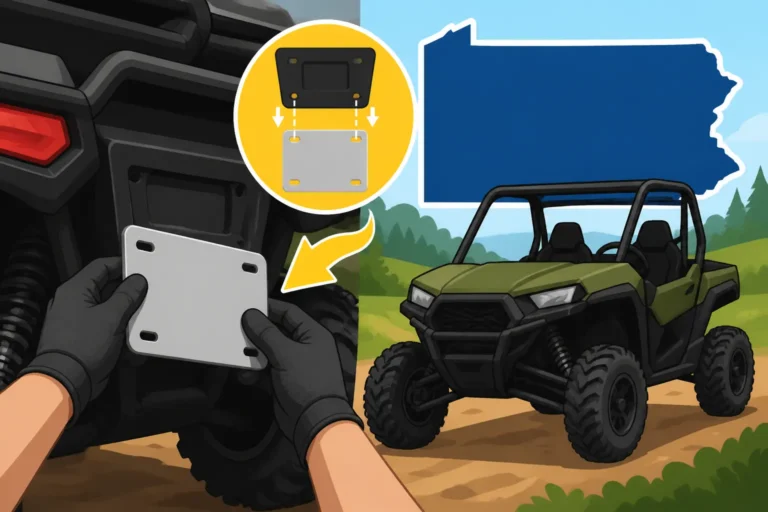
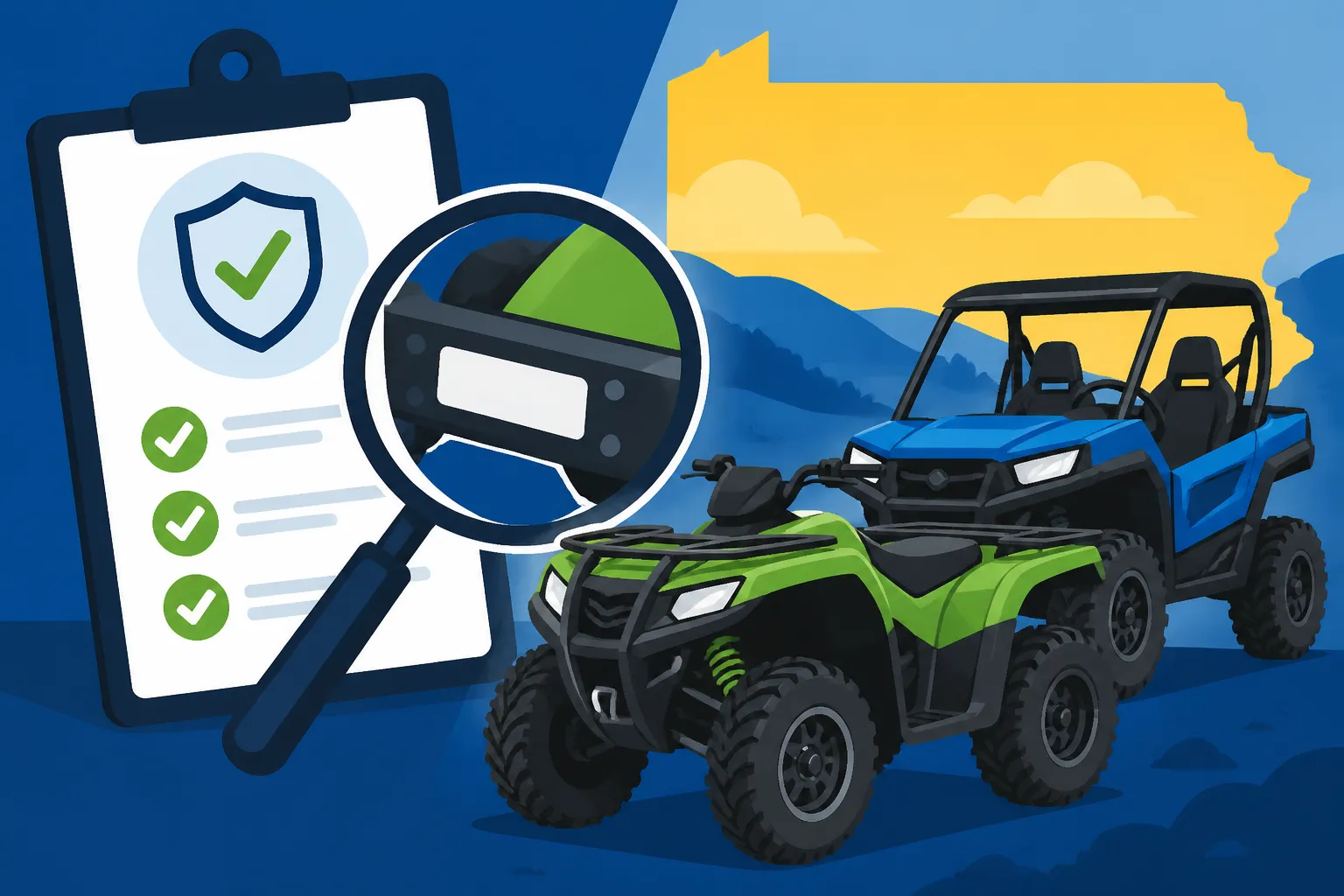
First things first: you need the VIN itself. It’s not always in the most obvious spot, but manufacturers usually place it in a few key locations. The most common place to find the VIN on an ATV or UTV is on the frame. Look for a small metal plate or a stamped number on the lower left side of the frame, near the front wheel, or sometimes near the footrest/peg area. On UTVs, it might be visible through the driver's side front wheel well or stamped on the frame near the engine.
Always physically verify the VIN on the machine. Compare it character for character with the VIN on any paperwork the seller provides, like a title, registration card, or bill of sale. If there are any discrepancies, or if the VIN appears to have been tampered with (scratched out, welded over, or re-stamped), that's a massive red flag. Walk away immediately from any machine with a suspicious VIN; it almost certainly means something nefarious is afoot. Knowing [VIN Proof for a Pennsylvania Registration] is key to a smooth process later.
Here's a quick guide to common VIN locations:
| Machine Type | Common VIN Location | Important Note |
|---|---|---|
| ATV | Left front frame rail, near the lower A-arm or footpeg. | Look for a metal plate or stamped characters. May be obscured by mud or accessories. |
| UTV | Driver's side frame, near the front wheel well or firewall. | Can sometimes be under the seat or in the engine compartment. Check both sides. |
| General | Engine casing, under the seat, or on manufacturer labels. | Always confirm the frame VIN matches any other VINs found on labels or engine. |
Online VIN Check Services: Exploring Reputable Options
Once you have the VIN, you have several options for conducting a check. Numerous reputable online services specialize in VIN checks for vehicles, including ATVs and UTVs. These services compile data from various sources, including motor vehicle departments, insurance companies, and law enforcement databases, to generate a comprehensive report. Some popular services might include providers like Carfax or AutoCheck, which often extend their services to powersports vehicles.
While many of these services charge a fee, it's a small price to pay for the extensive information and peace of mind they provide. Look for services that specifically mention ATVs, UTVs, or powersports vehicles in their offerings to ensure they have access to the most relevant databases. When using an online service, you'll simply input the 17-character VIN, and within minutes, you'll receive a detailed report covering theft history, lien status, accident records, and sometimes even service history.
Contacting DCNR or Law Enforcement: When to Go a Step Further
While online services are fantastic for a broad overview, there are times you might need to go a step further, especially if the online report raises concerns or if you're buying a very old machine. In Pennsylvania, the DCNR is responsible for ATV registration, not PennDOT. If you have questions about a machine's registration status or need clarification on specific regulations, contacting the [Pennsylvania's DCNR Snowmobile and ATV Section] directly can be beneficial. They may not provide detailed VIN history reports themselves but can confirm if a machine is currently registered to the seller or if there are any flags in their system related to that VIN.
If your online VIN check reveals a potential stolen status or an active lien, do not confront the seller yourself. Instead, contact your local police department (for theft concerns) or the lienholder (for lien issues, if identified in the report). Provide them with the VIN and explain your findings. They can guide you on the appropriate legal steps. This is a crucial safety measure to protect yourself from potentially dangerous situations.
Official DCNR Channels for VIN Verification
It's important to clarify that DCNR primarily handles registration and does not offer a public-facing VIN history check service in the same way that a commercial service might for accident reports. However, for the purpose of titling and [Pennsylvania ATV Registration Without a Title], they will perform their own VIN verification. This usually happens when you submit your [Pennsylvania ATV Registration Paperwork Checklist]. If you're [Buying a Quad With No Paperwork] or if the seller [Buying When the Seller Cannot Find the Title], the DCNR will certainly be scrutinizing the VIN during the registration process to ensure legitimacy. While they don't provide you with a report to guide your purchase, their internal checks are thorough.
Interpreting Your VIN Report and Next Steps
Once you've run the VIN check and have the report in hand, it's time to carefully review the information. Understanding what constitutes a red flag and how to use the findings can significantly impact your purchase decision and potentially save you money or prevent future headaches.
Red Flags to Watch For: Discrepancies, Missing Records
A clean VIN report is ideal, but even a few minor discrepancies warrant further investigation. Here are some key red flags to look out for:
- Stolen Status or Active Liens: As mentioned, these are absolute deal-breakers unless the seller can immediately provide irrefutable proof of resolution (e.g., a formal lien release document directly from the bank). If a lien is reported, make sure it's cleared before any money changes hands.
- Salvage or Flood Title: These indicate significant past damage. While some salvaged ATVs are expertly rebuilt, they often come with inherent risks regarding structural integrity or hidden electrical issues. If you proceed, insist on a professional inspection by a trusted mechanic who specializes in powersports.
- Odometer Rollback: Some reports will indicate if there's a discrepancy in mileage readings over time, suggesting potential odometer tampering. While less common on older ATVs, it's still a possibility.
- Title Brands/Markers: Beyond salvage, other brands like "flood," "junk," or "rebuilt" can appear. Each indicates a significant event in the vehicle's history that affects its value and safety.
- Inconsistent Ownership History: If the report shows an unusually high number of owners in a short period, or if the ownership history doesn't align with the seller's story, it might suggest the machine has been problematic or frequently flipped.
- VIN Tampering: This isn't usually in the report itself but is something you must physically check. If the VIN on the frame looks altered, welded, or obscured, that's the biggest red flag of all.
Any of these red flags should prompt serious questions for the seller. If they can't provide satisfactory explanations or documentation, it's usually best to walk away.
Negotiating with Confidence: Using Information to Your Advantage
A VIN report, even one with minor issues, can be a powerful negotiation tool. If the report reveals minor accidents or an inconsistent service history, you can use this information to negotiate a lower price. For example, if the machine has a documented accident but the seller claims it's never been damaged, you now have concrete proof to counter their claim.
Knowing the true model year can also help. If the seller has accidentally (or intentionally) listed a machine as a 2020 model, but the VIN reveals it's a 2019, you can point this out and adjust your offer accordingly. The goal isn't to nickel and dime, but to ensure you're paying a fair price for the actual condition and history of the machine. Being informed puts you in the driver's seat. For more tips on evaluating the machine, consider reading [Checks Before You Buy a Used Quad in Pennsylvania].
Documentation After a Clean Check: Bill of Sale, Title Transfer
Once you've performed a thorough VIN check, inspected the machine, and are satisfied with the purchase, don't forget the essential paperwork. Even with a clean VIN, proper documentation is crucial for taking legal ownership and registering the ATV in Pennsylvania.
You'll need a comprehensive bill of sale. This document should include the full names and addresses of both buyer and seller, the date of sale, the purchase price, and most importantly, the VIN of the ATV. It should also state that the machine is being sold "as-is" and that the seller verifies they are the legal owner. Customizable legal forms for a bill of sale or even a lien release can be found on platforms like LawDepot, making sure you have all the necessary provisions. This ensures legal clarity and helps with [Proving Pennsylvania Sales Tax Was Paid] and [Pennsylvania ATV Sales Tax on a Private Purchase].
Finally, ensure you receive the machine's title (if applicable, as some older ATVs may be exempt, see [Pennsylvania ATV Title Exemptions]). In Pennsylvania, all ATVs manufactured after February 1987 must have a title. The title is the ultimate proof of ownership. The seller must sign it over to you. You'll then take this title, along with your bill of sale and other required DCNR forms, to complete the title transfer and register the ATV in your name. If you're buying a machine that predates the title requirement, the process is a bit different, as detailed in [A Machine Registered Before 1987]. This thorough approach will help you avoid issues later and ensure your new-to-you quad is legally yours and ready for the trails.
Disclaimer
This article is for general informational purposes only and does not constitute professional advice. Laws, prices and regulations vary by location and change over time. Consult a qualified professional for guidance on your specific situation.