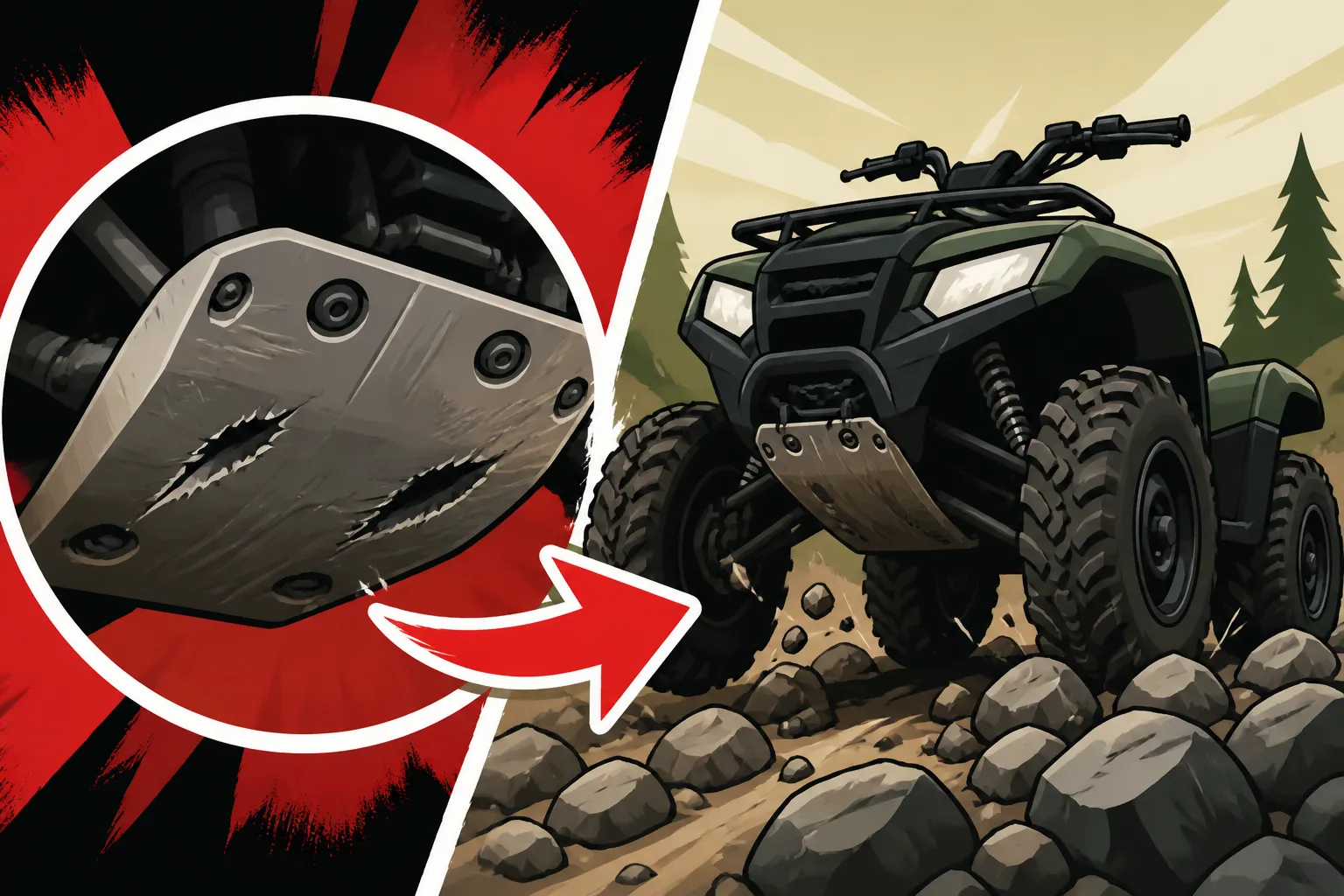
What a Rock Trail Does to Your ATV Plate
If you've spent any time riding the incredible ATV trails here in Pennsylvania, you know that our landscape is as beautiful as it is brutal on your machine. One of the most common and frustrating casualties of our beloved rock trails? Your ATV plate. This guide will walk you through exactly why those rocks are such a menace, how to spot the damage, what you can do to protect your plate, and the steps to take if your plate ultimately succumbs to the trail's relentless assault.
The Unavoidable Truth: Rock Trails and Your ATV Plate's Demise
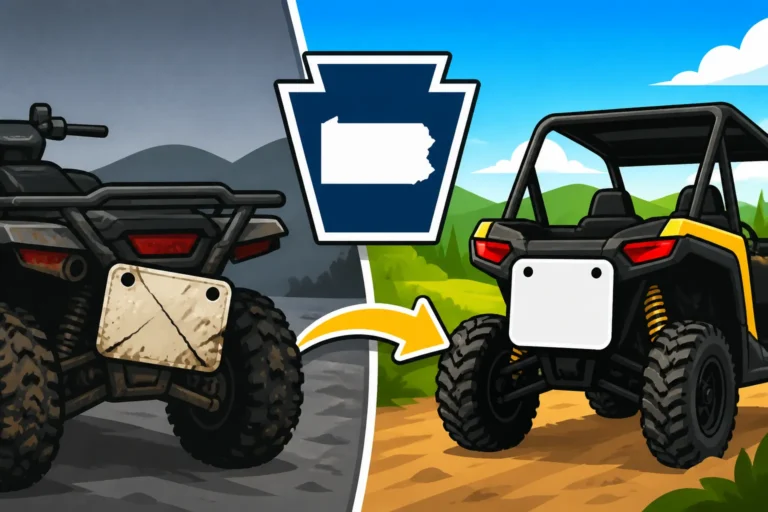
It’s a tale as old as time for Pennsylvania ATV riders: you head out for an epic day on trails like those at Whiskey Springs or Bloody Skillet, exhilarated by the challenge of navigating rocky climbs and technical descents, only to discover later that your humble ATV plate has taken a beating. These aren't just minor scuffs; we're talking about bent, scratched, illegible, or even completely missing plates. The very nature of our state's varied terrain, particularly the prevalent rock trails, creates a perfect storm for plate destruction.
The Physics of Plate Damage on Rocky Terrain
Think about it for a moment: your ATV plate, a relatively thin piece of metal or plastic, is usually mounted in an area susceptible to impact. As you traverse a rock garden, the low-hanging plate becomes a prime target. Here’s why:
- Direct Impact: It's the most obvious culprit. A sudden drop, an unexpected rock protrusion, or even a branch flicked up by your tires can smack directly into the plate. On trails known for their challenging rock sections, like parts of Sproul State Forest, direct impacts are almost guaranteed over time. The force of these impacts can bend the plate, crack it, or even rip it clean off its mounting points.
- Abrasion and Grinding: This is the slow, insidious killer. As your ATV bounces and shimmies over uneven rocky surfaces, the plate can constantly rub, scrape, and grind against rocks, roots, and debris. This isn't one big hit, but a thousand tiny ones that, over the course of a ride or many rides, wear down the plate's surface. The reflective coating, the paint, and especially the printed numbers and letters can get rubbed away, making the plate unreadable.
- Vibration and Fatigue: Beyond direct hits, the constant vibration from riding rough trails puts immense stress on the plate and its mounting hardware. Screws can loosen, mounting holes can enlarge, and the plate material itself can fatigue, leading to cracks that eventually cause pieces to break off. Imagine a long day on [Whiskey Springs and Pennsylvania's Longest Trail], where miles of bumpy terrain can slowly work on your plate.
The Consequences of an Unreadable or Missing Plate
A damaged or lost plate isn't just an aesthetic issue; it's a legal one. In Pennsylvania, your ATV must have a clearly visible and legible registration plate when operating off your own private property. DCNR rangers, state police, and local law enforcement check for proper registration and plate display, especially at trailheads or during patrols.
- Fines and Citations: Riding with an unreadable or missing plate can lead to a citation. Officers need to be able to identify your machine, and if they can't, it's a problem. A ranger checking registrations at a staging area will quickly spot an issue, and you could face [Pennsylvania Fines for an Unregistered ATV], even if you are technically registered.
- Limited Trail Access: Many organized riding areas, state forests, and private parks require a visible and valid plate for entry. If your plate is mangled beyond recognition, you might be turned away after driving hours to get there. It’s not worth the disappointment on a long-planned weekend ride.
- Safety Concerns: While less direct, a plate that falls off on the trail can become debris, potentially causing issues for other riders. More importantly, it can signify that other parts of your machine's mounting or chassis might be stressed, which could indicate broader maintenance needs.
Spotting the Damage: From Scratches to Missing Plates
Recognizing plate damage isn't always about a gaping hole or a completely missing tag. Sometimes, the issue is more subtle but equally problematic from a legal standpoint. After every ride, especially if you've been on particularly challenging terrain, it's crucial to give your ATV plate a quick inspection.
Common Types of Plate Damage
Damage comes in many forms, each posing its own set of challenges. Knowing what to look for can help you decide when it's time to take action.
- Bending and Warping: This is probably the most frequent type of damage. A solid hit can cause the plate to bend inwards, upwards, or even fold over on itself. While a slightly bent corner might seem minor, severe bending can obscure the registration numbers or make the plate difficult to read from a distance. If it’s bent significantly enough that the numbers are distorted, it’s a problem.
- Scratches and Abrasions: Rocks, gravel, and even mud can act like sandpaper on your plate's surface. This leads to scratches that can range from superficial cosmetic blemishes to deep gouges that remove the reflective coating and obscure characters. If the numbers and letters are no longer clearly legible due to scratching, the plate is considered compromised.
- Cracks and Breaks: The thin material of an ATV plate can crack, especially if it's subjected to repeated bending or a sharp, forceful impact. These cracks can propagate, leading to pieces of the plate breaking off. If a crack runs through a registration number or if a significant piece of the plate is missing, it needs attention.
- Faded or Obscured Numbers/Letters: Beyond physical damage, the environment itself can take a toll. Mud, dirt, and general grime can cake onto the plate, obscuring the information. While often fixable with a quick wash, consistent exposure to elements and abrasive cleaning can also fade the printed details over time, making it hard to read even when clean. [Keeping Your ATV Plate Readable From Behind] is paramount for compliance.
- Missing Plate or Mounting Hardware: This is the most serious form of damage. One moment your plate is there, the next it’s gone, having either vibrated loose or been ripped off entirely. Similarly, the screws or bolts holding the plate might shear off or vibrate out, leaving the plate precariously attached or missing altogether. Discovering your plate is missing is a surefire way to ruin an otherwise great day of riding.
Checking for Readability and Compliance
When inspecting your plate, ask yourself this simple question: "Could a DCNR ranger easily read my plate from a few feet away, day or night?" If the answer is anything less than a resounding "yes," it's time to consider a replacement.
- Visual Inspection: Get down on your knees and look at the plate from different angles. Is every character clear and distinct? Is the background reflective as it should be? Check for any deep scratches that run through numbers.
- Mounting Integrity: Gently try to wiggle the plate. Is it firmly attached? Are the screws tight? If there's any play, the mounting hardware might be compromised, or the plate itself might have fatigued around the bolt holes. You want to make sure the plate is secure, even after all the bumps and jostles of a long ride.
- Legibility Test: Imagine you’re trying to read your plate in dim light or from a moving vehicle. If you have to squint or guess, it's not truly legible. The goal is clear, immediate identification, so you don't run into issues when encountering law enforcement or trail staff.
Strategies for Plate Protection: Guarding Against the Grime and Grit
While you can’t completely armor your ATV against every rock and root our Pennsylvania trails throw at it, you can certainly take proactive steps to protect your registration plate. A little foresight and a few simple accessories can go a long way in saving you the headache and cost of a replacement.
Smart Mounting Locations and Techniques
Where and how you mount your plate makes a huge difference in its vulnerability. Many stock locations aren't ideal for aggressive trail riding.
- Higher and More Inward Mounting: The lower and more exposed your plate is, the more likely it is to take a hit. Consider relocating your plate to a higher position on the rear of your ATV, perhaps tucked more inward towards the center of the frame, rather than directly on the furthest protruding rear fender. This might require a custom bracket, but the protection it offers is invaluable. However, always ensure it remains visible from the rear, as per Pennsylvania regulations. [Where Pennsylvania Wants the Plate Mounted] is a key consideration here – visibility is mandatory.
- Sturdy Backing Plates: A simple backing plate made of a more robust material, like thicker aluminum or durable plastic, can absorb impacts and distribute force better than the plate alone. Mount your registration plate to this backing plate, and then mount the backing plate to your ATV. This creates a sacrificial layer that can take the brunt of impacts, protecting the actual registration plate.
- Heavy-Duty Hardware: Ditch the flimsy screws that came with your ATV or plate. Invest in larger, high-strength bolts, fender washers, and nyloc nuts. These will be much more resistant to vibration and won't strip out or fall off as easily. Using Loctite on the threads can also add an extra layer of security against vibration-induced loosening.
Protective Accessories and Aftermarket Solutions
The aftermarket is full of innovative solutions designed to protect vulnerable parts of your ATV, and your plate can benefit too.
- Skid Plates and Plate Guards: While typically designed to protect the undercarriage, some ATV models have aftermarket rear skid plates or bumper extensions that can also offer a degree of protection to a mounted license plate. Specific plate guards are also available; these are usually metal cages or frames that surround the plate, shielding it from direct impacts. These can be particularly effective on rocky trails like those found in the Allegheny National Forest.
- Flexible Mounting Brackets: Some riders opt for flexible rubber or plastic mounting brackets that allow the plate to flex and give a little upon impact, rather than rigidly absorbing the force. This flexibility can prevent bending, cracking, and even shearing off the mounting hardware.
- Clear Protective Films or Laminates: For abrasion resistance, you can apply heavy-duty clear protective films over your plate. These are similar to paint protection films used on vehicles and can significantly reduce scratching and fading of the numbers. While not foolproof against direct impacts, they provide excellent defense against everyday trail grime and minor scrapes.
Regular Maintenance and Pre-Ride Checks
Even with the best protection, vigilance is key. Incorporate plate checks into your routine.
- Pre-Ride Inspection: Before every ride, especially before hitting a new or notoriously rocky trail, quickly check your plate. Ensure it's clean, legible, and securely mounted. A minute spent here can save you a world of trouble later.
- Post-Ride Clean and Inspect: After your ride, when cleaning your ATV, take a moment to thoroughly inspect the plate for any new damage. Clean off all mud and dirt to ensure full visibility of the characters. This is also a good time to check that all mounting hardware is still tight and secure.
- Consider a Spare: While not a "protection" per se, knowing the process for [Replacing a Lost Pennsylvania ATV Plate] is protection for your peace of mind. Keeping a copy of your registration paperwork (perhaps digitally on your phone, and a physical copy in a waterproof bag) and understanding the replacement steps means you're prepared if the worst happens. You might even consider using a service like LawDepot to help organize and keep your important ATV documents, like a bill of sale, in one accessible place.
When the Inevitable Happens: Replacing Your Pennsylvania ATV Plate
Despite your best efforts to protect it, sometimes a rock trail just wins. If your ATV plate becomes unreadable, damaged beyond repair, or goes missing entirely, you can't just slap on a new one from your garage. There’s a specific process in Pennsylvania to get a replacement, ensuring everything stays legal.
The Replacement Process Through DCNR
Replacing your Pennsylvania ATV plate involves contacting the Department of Conservation and Natural Resources (DCNR), which handles all ATV registrations in the state. Unlike cars, PennDOT is not involved in ATV registration.
- Contact DCNR's Snowmobile and ATV Section: The first step is to reach out to the DCNR. You can often find contact information on their website. They are the go-to authority for anything related to your [Pennsylvania's DCNR Snowmobile and ATV Section]. You'll need to explain that your plate is lost, stolen, or damaged beyond readability.
- Completing the Replacement Form: DCNR will likely require you to fill out a specific form for a replacement plate. This form usually asks for information about your ATV, your existing registration, and details about how the plate was lost or damaged. You'll need your ATV's VIN, your registration number, and your personal identifying information. Having comprehensive records, perhaps stored securely through a platform like LawDepot, can make this process smoother.
- Providing Proof of Identity and Ownership: You'll need to confirm your identity and that you are the registered owner of the ATV. This might involve showing a driver's license and your existing ATV registration wallet card. If your wallet card was also lost with the plate, they might require additional proof of ownership, like your title or a bill of sale.
- Payment for the Replacement: There is typically a nominal fee for replacing a lost or damaged plate. This cost covers the administrative work and the physical production of a new plate and sticker. Always check the DCNR website or contact them directly for the most current fee schedule, as prices can change. This is separate from your standard [Pennsylvania ATV Plate Replacement Cost].
- Waiting for Your New Plate: Once the form is submitted and the fee is paid, DCNR will process your request. It may take some time for the new plate to be manufactured and mailed to you. They will provide an estimated timeframe, but always factor in a buffer, especially during peak riding seasons. During this waiting period, you technically cannot ride on public trails without a valid, visible plate.
Important Considerations During the Waiting Period
Riding without a visible, legible plate is a risk. Here's what to keep in mind while you wait for your new one.
- Avoid Public Trails: The safest course of action is to avoid riding your ATV on any public DCNR trails or roads designated for ATV use until your new plate arrives. If you are caught riding without a legible plate, you could still face a fine, even if a replacement is in process. It is simply not worth the [Pennsylvania Fines for an Unregistered ATV].
- Keep Proof of Application: If you absolutely must move your ATV for essential reasons (e.g., to a repair shop on a trailer), carry all documentation of your replacement request. This includes a copy of the completed form, proof of payment, and any communication from DCNR regarding the processing of your new plate. While this might not exempt you from a citation if stopped, it can demonstrate your good faith efforts to comply.
- Temporary Solutions (Use with Caution): Some riders might consider printing a temporary paper plate with their registration number. While this might offer a visual deterrent for minor situations, it is not a legal replacement for an official DCNR-issued plate. Law enforcement typically requires the official physical plate. Stick to private property if you must ride, or avoid riding altogether.
What to Do If Your Plate is Stolen
If your ATV plate is stolen, the process is largely similar, but with an added crucial step:
- File a Police Report: Immediately report the theft to your local police department. This creates an official record and can protect you if the stolen plate is used illegally. Get a copy of the police report, as DCNR may ask for it. This report also serves as robust documentation, which is always wise to keep organized, perhaps within your digital files, much like you might organize other important documents through a service like LawDepot.
- Notify DCNR: Inform DCNR that your plate was stolen, not just lost or damaged. They will likely flag your old plate number in their system. Then, follow the same replacement process as above, providing the police report number if requested.
Taking care of your ATV plate is just one small part of being a responsible rider in Pennsylvania. By understanding the risks, taking preventative measures, and knowing the proper steps for replacement, you can ensure your machine is always trail-ready and legal, letting you focus on the joy of riding our incredible state.
Table: Common ATV Plate Damage & Solutions
| Damage Type | Description | Likely Cause on Rock Trails | Impact on Legality / Readability | Recommended Solution |
|---|---|---|---|---|
| Bending/Warping | Plate is physically distorted, bent inward/outward, or folded. | Direct impact from rocks, stumps, or hard landings. | Numbers/letters become obscured; plate is harder to read. | Higher mounting, backing plate, plate guard. Replacement if severe. |
| Scratches/Abrasions | Surface of plate is scraped, paint or reflective layer worn off. | Constant rubbing against rocks, gravel, or debris. | Obscures characters, reduces reflectivity, makes plate unreadable. | Protective film/laminate, regular cleaning. Replacement if characters unreadable. |
| Cracks/Breaks | Plate material is split, or pieces are missing. | Sharp, forceful impact; metal fatigue from vibration. | Key information (numbers/letters) may be compromised or missing. | Sturdy mounting, flexible bracket, plate guard. Replacement required. |
| Faded Characters | Numbers/letters are no longer distinct or visible. | UV exposure, abrasive cleaning, or constant mud/dirt. | Plate is not immediately identifiable; looks unmaintained. | Regular cleaning, protective film. Replacement if illegible when clean. |
| Missing Plate | Plate is completely detached from the ATV. | Sheared mounting hardware, severe impact, vibration. | ATV is considered unregistered on public trails; subject to fines. | Replacement required immediately. Check mounting hardware regularly. |
Disclaimer
This article is for general informational purposes only and does not constitute professional advice. Laws, prices and regulations vary by location and change over time. Consult a qualified professional for guidance on your specific situation.