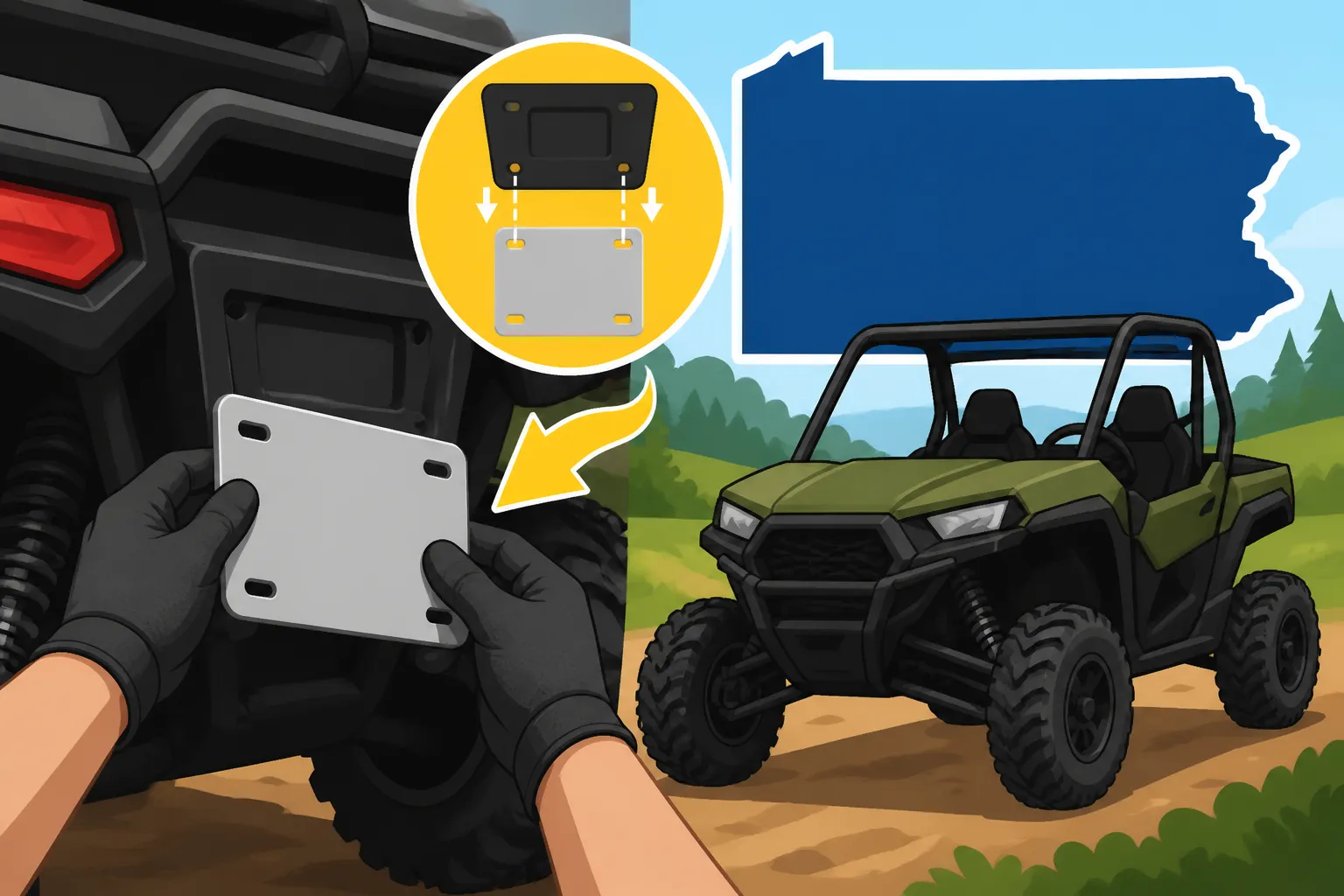
Replacing a Plate That Fell Off
There's nothing quite like the heart-sink moment when you pull into a staging area or finish a challenging section of trail and realize your Pennsylvania ATV registration plate is no longer where it should be. Maybe it vibrated off, got snagged on a rogue branch, or perhaps even found a new home in the bottom of a particularly deep mud hole. It's frustrating, inconvenient, and leaves you wondering what to do next to stay on the right side of the law. This guide will walk you through the common reasons why plates go missing, the immediate steps you should take, and the official process to get a shiny new replacement so you can get back to riding legally and with peace of mind.
Why Your ATV Plate Might Go Missing in Pennsylvania
Pennsylvania's diverse landscape offers some incredible ATV riding, from rocky mountain trails to dense forests and sprawling coal lands. While these environments provide endless adventure, they also present unique challenges for keeping your ATV—and its attached plate—intact.
The Rigors of Pennsylvania Trails
Our trails are notoriously tough on equipment, and your ATV plate is no exception. Picture this: you're navigating a section of Whiskey Springs, bouncing over a continuous series of embedded rocks, or slogging through the deep, soupy mud at the Anthracite Outdoor Adventure Area. Each bump, every splash, and constant vibration puts immense stress on every component of your machine, including where your registration plate is mounted.
The constant jostling can slowly loosen bolts, widen mounting holes, or even fatigue the metal of the plate itself. A heavy impact from a flying rock, a minor scrape against a tree trunk, or the persistent tug of thick mud can easily rip a weakly secured plate clean off. It’s not uncommon to hear tales from fellow riders who’ve had their plates disappear mid-ride, only to realize it much later. Many riders underestimate [What a Rock Trail Does to Your ATV Plate] until they experience it firsthand. The combination of water crossings, deep ruts, and aggressive riding creates a perfect storm for plate detachment.
Improper Mounting and Security
Often, a lost plate isn't just bad luck; it's a symptom of improper mounting. When you first register your ATV or receive a new plate, it's easy to just slap it on with whatever hardware is handy. However, the flimsy bolts or zip ties that might seem adequate in your garage simply won't stand up to the abuse of a Pennsylvania trail.
Many riders make the mistake of mounting their plate in a spot that's too exposed, too close to moving parts, or using fasteners that aren't designed for high vibration environments. For instance, mounting it too low can invite mud and water to accumulate around it, accelerating corrosion and weakening its attachment. Mounting it in an area prone to flexing or vibration will quickly wear down the mounting points. It’s crucial to consider [Mounting a Plate Away From the Tires] to prevent direct impact and abrasion. The DCNR specifies [Where Pennsylvania Wants the Plate Mounted], typically on the rear and clearly visible. Ignoring these guidelines or using sub-par hardware significantly increases the risk of loss. Even if you use bolts, if they aren't paired with lock washers or Nylock nuts, they can back out over time, leaving your plate free to take flight.
Theft and Vandalism
While less common than losing a plate on the trail, sometimes a missing plate isn't an accident at all. Unfortunately, ATV plates can occasionally be targeted for theft. This might happen if your machine is parked in an unsecured location, or if you've left it unattended for an extended period. Someone might steal a plate to put on an unregistered machine, to avoid their own fines, or simply for malicious reasons.
If you suspect your plate was stolen rather than lost, the steps you take will be slightly different, primarily involving a police report in addition to contacting DCNR. It's a frustrating reality that adds another layer of complexity to the situation, making secure storage and vigilance essential for every ATV owner.
The Immediate Steps After Realizing Your Plate is Gone
Discovering your ATV plate is missing can be a jarring experience. Your mind races: When did it happen? Where? What do I do now? Taking the right immediate steps can save you a lot of headache and potential legal trouble.
Confirming the Loss and Checking Your Route
The very first thing to do is confirm that the plate is truly gone. Sometimes, it might have simply been dislodged and is hanging precariously, or maybe it fell off when you unloaded your machine at home. If you're still on the trail or near where you last rode, it’s worth a quick, cautious backtrack, especially if you were on private land or a less traveled path where it might still be visible.
Think about the last time you saw your plate. Was it securely attached when you left the staging area? Did you hit a particularly rough patch of trail just before you noticed its absence? Retracing your steps, even mentally, can sometimes jog your memory or, on rare occasions, lead you back to the lost plate. While not always successful, this initial verification can rule out simple misplacement and confirm you're dealing with a genuine loss.
Understanding the Implications of No Plate
Riding a registered ATV without its plate, even if it was lost innocently, puts you in a legally precarious position. In Pennsylvania, an ATV must display a valid registration plate when operated off private property. If you're stopped by a DCNR ranger or local law enforcement and your plate is missing, you could face penalties. It's similar to [Riding With an Expired Sticker]; the machine isn't compliant, even if you paid for the registration.
The consequences can be significant. Operating an ATV in Pennsylvania without a valid registration plate is considered a violation, and the fines can be steep. Many riders are unaware that [Pennsylvania Fines for an Unregistered ATV] can be automatically applied, even if your machine is registered but lacks the visible plate. The standard penalty can be an automatic $300 fine, plus potential court costs, which can quickly add up. This is why it’s critical to address a missing plate as soon as you discover it. You essentially lose the visual proof that your machine is allowed on state-designated trails or public access roads.
Contacting DCNR Promptly
Once you've confirmed your plate is truly lost, the next crucial step is to contact the Pennsylvania Department of Conservation and Natural Resources (DCNR) Snowmobile and ATV Section. They are the governing body for ATV registration in the state and the only ones who can issue a replacement. Don't delay this step; the sooner they are aware of the situation, the better.
When you call, have your ATV's VIN (Vehicle Identification Number) and your existing registration number (if you remember it or have it noted elsewhere) ready. Be prepared to explain the circumstances of the loss. The DCNR can guide you through the specific forms and procedures required for a replacement plate. They are there to help, and proactive communication can make the process much smoother. You can typically reach them via the [Pennsylvania ATV Registration Help Line] during business hours or through their [Pennsylvania ATV Registration Email Contact] for less urgent inquiries. Timely reporting not only helps you, but also helps DCNR track registrations.
The Official Process for Replacing Your Pennsylvania ATV Plate
Once you've taken the initial steps, it's time to dive into the formal process of obtaining a replacement plate from the DCNR. While it might seem like a bit of a hassle, it's a straightforward procedure designed to get you back on the trails legally.
Required Forms and Documentation
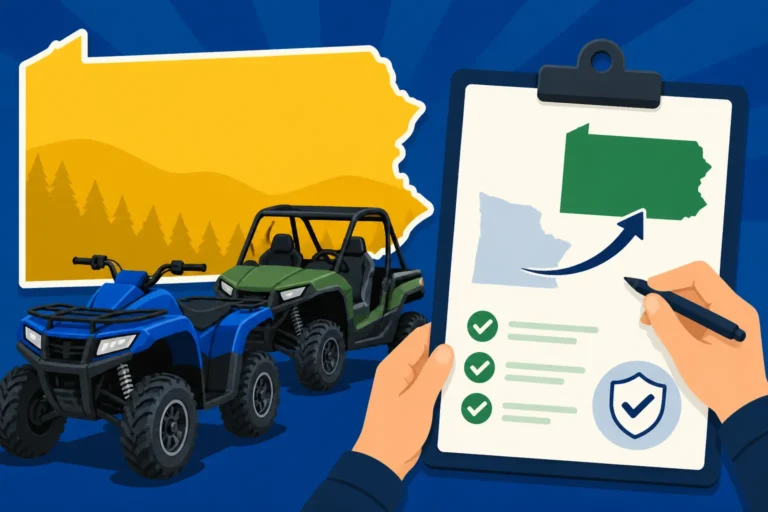
To replace your lost ATV plate, you will need to complete a specific form provided by the DCNR. This isn't the same as the initial registration form, but rather one specifically for replacement requests. The form will ask for essential information about you and your ATV, including:
- Your full name and contact information.
- Your existing ATV registration number.
- The Vehicle Identification Number (VIN) of your ATV.
- A description of how the plate was lost (e.g., "fell off on trail," "stolen," "damaged beyond recognition").
- Your signature and the date.
While [What Pennsylvania Asks on Form DCNR-43] primarily relates to new registrations and titles, the type of identifying information required for any DCNR form will be similar. It's always a good idea to keep copies of all your ATV-related documents, including your original registration application and title, in a safe place at home. This makes filling out any subsequent DCNR forms much easier, as all the necessary details are readily accessible. Services like LawDepot can be invaluable for organizing and generating essential legal documents related to your vehicle, such as a bill of sale if you ever sell your ATV, which contains much of the same identifying information. Having these personal records easily at hand prevents scrambling for information if you ever need to interact with DCNR again.
Fees Associated with Plate Replacement
Like most government services, there is typically a fee associated with replacing a lost or damaged ATV plate. This fee covers the administrative costs of processing your request, manufacturing a new plate, and mailing it to you. The exact cost can vary, so it's best to confirm the current fee directly with DCNR or on their official website when you initiate your request.
You'll usually pay this fee via check or money order submitted with your replacement form. Be sure to make it payable to the Commonwealth of Pennsylvania or DCNR, as specified on the form. This fee is distinct from your initial registration cost, and it's a necessary step to get your new plate. Knowing the [Pennsylvania ATV Plate Replacement Cost] upfront helps you budget for the replacement and avoid delays in processing. These fees are a small but important part of what keeps our state's ATV program running and trails maintained.
Submission Methods and Waiting Times
Once you have filled out the replacement form and included the correct fee, you'll need to submit it to the DCNR. Typically, this is done by mailing the completed form and payment to the address provided on the form. While some DCNR offices might accept in-person submissions, mailing is the most common and often preferred method. Always double-check the instructions on the form for the most current submission procedures.
After submission, there will be a waiting period while DCNR processes your request, issues a new plate number (if necessary), and sends out the physical plate. [How Long Pennsylvania Takes to Process a Registration] can vary based on their current workload, seasonal demand (e.g., before riding season kicks off), and the mail service. It's not uncommon for it to take a few weeks. Patience is key, but if an unreasonable amount of time passes, you can always follow up with DCNR using their contact information.
| Action Item | Description | Typical Timing / Expectation |
|---|---|---|
| Confirm Loss | Physically check mounting area, retrace immediate path if safe and practical. | Immediately upon noticing. |
| Contact DCNR | Call the Snowmobile and ATV Section. Provide VIN and existing registration number. | As soon as confirmed lost; ideally same day or next business day. |
| Complete Replacement Form | Fill out DCNR's specific form for plate replacement with accurate personal and ATV information. | As soon as you receive the form (often downloadable online). |
| Submit Form & Fee | Mail the completed form and payment (check/money order) to the DCNR address. | Within a few days of completing the form. |
| Receive Temporary Proof | DCNR may issue a temporary document via email or mail to carry while waiting for the physical plate. | Varies; often within a week of DCNR receiving your request, but not always guaranteed. |
| Receive New Plate | The physical replacement plate arrives via mail. | 2-4 weeks after submission is common, but can be longer during peak seasons. |
| Mount New Plate Securely | Attach the new plate using robust hardware, considering vibrations and trail conditions. | Immediately upon receipt of the new plate. |
| Update Wallet Card | If a new registration number is issued, replace or update the information on your wallet card. | Once the new plate is mounted and all details are confirmed. |
Temporary Proof of Registration
While you wait for your new physical plate to arrive in the mail, you might wonder if you can still ride. The DCNR understands that riders need a way to legally operate their machines during this interim period. In many cases, once your replacement request is processed, they may issue some form of temporary proof of registration. This could be an email confirmation, a printable document, or an acknowledgment letter.
It is absolutely crucial to carry this temporary proof with you whenever you ride. Think of it like a temporary driver's permit—it validates your status while the permanent document is in transit. This temporary document, along with your DCNR-issued wallet card, serves as evidence to law enforcement or rangers that your machine is properly registered, even if the physical plate isn't yet displayed. Remember, [Why Both Pennsylvania Registrations Include a Wallet Card] is for just this type of scenario – to have a readily available, durable form of proof even if your plate is elsewhere or awaiting replacement. Keep all your documentation, temporary or permanent, safe and accessible during your rides.
Preventing Future Plate Loss and Ensuring Compliance
Losing an ATV plate is a headache you don't want to repeat. Beyond the inconvenience, there's the cost and the worry of being cited. Taking a few proactive steps can significantly reduce the chances of a repeat occurrence and ensure you remain fully compliant with Pennsylvania's ATV regulations.
Secure Mounting Techniques
When your new replacement plate arrives, or if you're mounting a plate for the first time, take the extra effort to secure it properly. This isn't just about avoiding a ticket; it's about peace of mind on the trail. Here’s how to do it right:
- Choose the Right Location: Ensure the plate is mounted in a spot that is clearly visible from the rear, as required by DCNR, but also relatively protected from direct impacts. Avoid areas that flex excessively or are prone to getting snagged by branches or kicked-up debris. Review [Where Pennsylvania Wants the Plate Mounted] for specific guidance.
- Use Robust Hardware: Ditch the flimsy screws and zip ties. Invest in proper stainless steel bolts, lock washers, and Nylock nuts. Lock washers create tension that resists loosening from vibration, and Nylock nuts have a nylon insert that grips the bolt threads, preventing them from backing out.
- Backing Plate or Reinforcement: For extra security, especially if your ATV's plastic fender is thin, consider using a small aluminum or sturdy plastic backing plate behind the registration plate. This spreads the load, reduces stress on the mounting holes, and makes it harder for the plate to tear or bend off.
- Drill New Holes if Necessary: Don't be afraid to drill new holes in the plate if the existing ones don't align perfectly with sturdy mounting points on your ATV. Just ensure the new holes don't compromise the plate's integrity or obscure any characters.
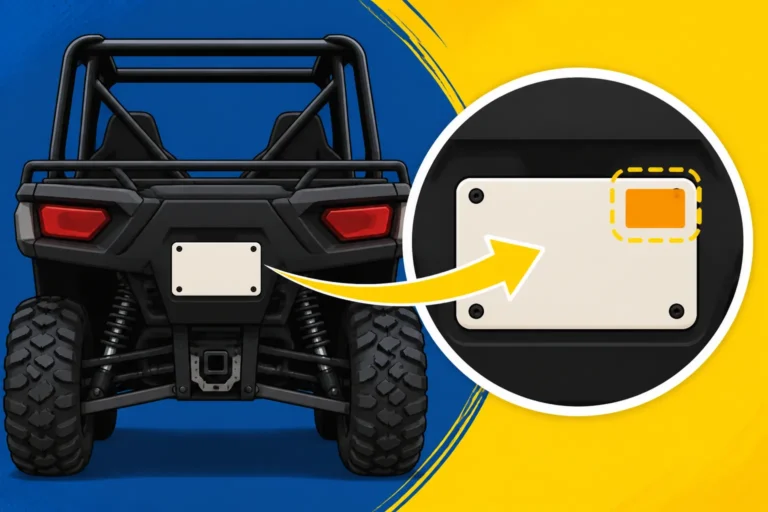
- Regular Checks: Make plate security a part of your pre-ride inspection checklist. A quick tug and visual check can alert you to any loosening bolts before you hit the trail. Also, ensure that [Where the Sticker Goes on the Plate] is adhered correctly and not peeling, as a lost sticker can also cause issues.
By taking these steps, you'll ensure your plate stays put, even through the most challenging Pennsylvania terrain, and remains clearly visible for compliance, fulfilling the requirement of [Keeping Your ATV Plate Readable From Behind].
Regular Inspections and Maintenance
Secure mounting is important, but ongoing vigilance is just as critical. Your ATV takes a beating on the trails, and components can loosen over time. Incorporate a quick check of your registration plate and its mounting hardware into your routine maintenance schedule and especially your pre-ride inspection.
Before each ride, give your plate a firm but gentle wiggle. Are the bolts tight? Are there any cracks forming around the mounting holes? Is the plate itself bent or showing signs of fatigue? After a particularly muddy or rocky ride, rinse off your plate and its mounting area. Accumulated mud can hide issues, and constant moisture can accelerate corrosion. If you spot any signs of wear or loosening, address them immediately. Tighten bolts, replace worn washers, or consider reinforcing the mounting points. This proactive approach not only prevents plate loss but also helps you spot other potential issues with your machine before they become bigger problems.
Documenting Your ATV for Peace of Mind
Beyond the physical plate, proper documentation of your ATV is essential for both legal compliance and peace of mind. Your DCNR-issued wallet card contains vital registration information, so always keep it on you when riding. If your plate ever goes missing again, or if you need to prove ownership for any reason, having this information readily accessible is incredibly helpful.
Consider taking clear photographs of your ATV, including detailed shots of your registration plate and VIN. Keep these photos stored digitally and perhaps even a printed copy with your home ATV files. This provides an additional layer of proof. Furthermore, when it comes to the legal side of ATV ownership, such as buying or selling a machine, proper paperwork is paramount. For example, having a well-drafted [Pennsylvania ATV Bill of Sale Requirements] document is crucial for proving ownership and tax payment, especially if you buy from a private seller. Tools like LawDepot can assist in generating legally sound documents for these types of transactions, ensuring you have a complete and organized record of your ATV's history. Keeping all these documents in order can save immense hassle in situations ranging from a lost plate to a change of ownership or an insurance claim.
Disclaimer
This article is for general informational purposes only and does not constitute professional advice. Laws, prices and regulations vary by location and change over time. Consult a qualified professional for guidance on your specific situation.