What Trail Work Registration Funds
It’s a question that many of us riders in Pennsylvania have pondered while bouncing over a rough section of trail or admiring a newly installed bridge: we pay our ATV registration fees every two years, but where does that money actually go? Sometimes it feels like those fees just vanish into the ether, leaving us wondering if our hard-earned dollars are genuinely contributing to the trails we love. This guide is here to pull back the curtain and explain exactly how your ATV registration funds are put to work, ensuring Pennsylvania's incredible riding opportunities remain vibrant and accessible.
The Burning Question: Where Does My Registration Money Actually Go?
It’s completely natural to wonder about the destination of your registration fees. You fork over your money, get your plate and sticker, and head out on the trails. But behind the scenes, there's a specific system in place to make sure that money circles back to benefit the riding community. Many riders understandably feel a bit disconnected from this process, especially when you're just focused on getting your machine legal and hitting the dirt. We all want to know our contribution means something, right?
Think about it: you pay for gasoline, and you see the gas going into your tank. You pay for tires, and you see them on your quad. But when you hand over that registration fee, it feels like a transaction without an immediate, tangible return beyond the legal right to ride. This can lead to frustration or a sense of detachment, making it harder to appreciate the importance of compliance. We're all contributing, but understanding the collective impact makes a huge difference in how we view that biennial expense. This isn't just a tax; it's an investment in your passion.
The Frustration of Unseen Funding at Work
Imagine you’re out on a challenging section of the [Bloody Skillet's 38 Miles] trail. You hit a deep rut, or navigate a stream crossing that's become severely eroded. In that moment, you might think, "Didn't I just pay my registration? Why isn't this fixed?" This immediate dissatisfaction is understandable. What often isn't immediately obvious is that trail maintenance is an ongoing, massive undertaking, and the work funded by your fees might be happening hundreds of miles away on another trail system, or it might be a long-term project that's not yet visible.
The DCNR manages a vast network of trails across the state, and prioritizing repairs, upgrades, and new developments is a complex task. One season might see significant work on trails in [Pennsylvania's Sproul State Forest Trails], while the next year focuses on improving access points for [Rock Run Recreation Area in Cambria County]. It's a continuous cycle, and while we might not see our exact dollar directly fill a specific pothole, the cumulative effect of all riders' contributions is what keeps the entire system going. Without it, those trails we rely on for adventure would quickly deteriorate and become unrideable.
Why Transparency Matters to Riders
For dedicated ATV and UTV enthusiasts, riding is more than just a hobby; it's a lifestyle. We invest heavily in our machines, gear, and travel to trailheads. When we pay our registration fees, it’s not just about legality; it's about supporting the infrastructure that allows us to pursue this passion. Providing clarity on where those funds go fosters trust and encourages continued compliance. It changes the narrative from "another fee to pay" to "my contribution to the future of Pennsylvania ATV riding."
Knowing that your registration fee directly supports trail improvements, safety initiatives, and even the creation of new riding opportunities strengthens the bond between riders and the DCNR. When you see a new trailhead kiosk, a well-maintained bridge, or fresh signage, it reinforces the idea that your money is truly making a difference. This transparency helps to counter the feeling that funds are disappearing, allowing riders to feel proud of their contribution to the sport. It's about empowering the community by showing them the direct return on their investment.
The DCNR Snowmobile and ATV Restricted Account: Your Funds at Work
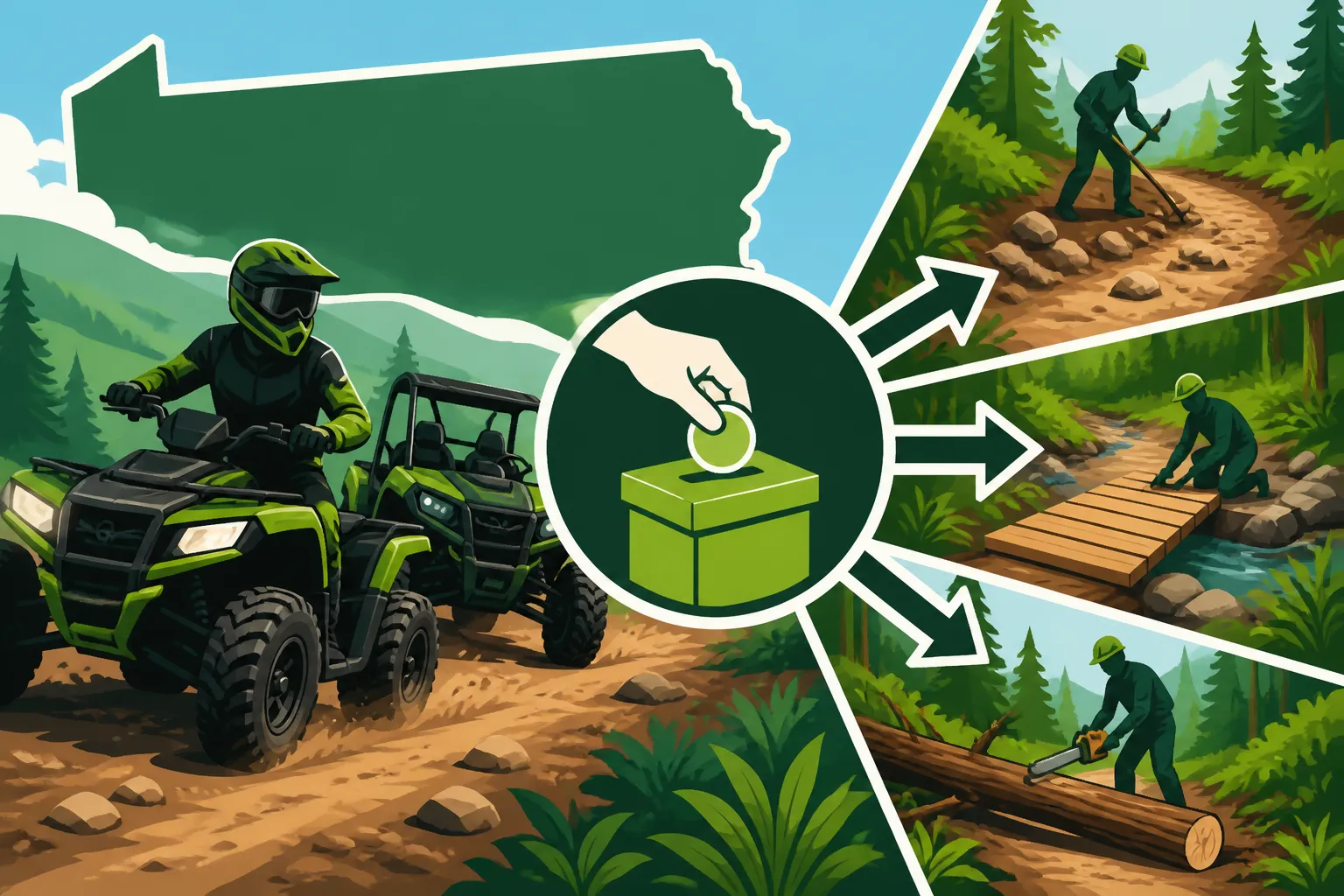
The destination for your Pennsylvania ATV registration dollars isn't a mystery box. All those fees, whether from a [Pennsylvania's General Registration for Everywhere Else] or [Pennsylvania's Limited Registration for Your Own Land], are funneled into a specific, dedicated fund: the DCNR Snowmobile and ATV Restricted Account. This isn't some general state budget slush fund; it's a legally mandated account created precisely for the benefit of snowmobile and ATV recreation. This crucial distinction ensures that the money collected from riders actually goes back to support riding.
This account is vital because it protects the funds from being diverted to other state programs. It's like having a special savings account specifically for your ATV needs, but on a much grander scale, managed by the state. This dedicated funding mechanism is a testament to Pennsylvania's commitment to supporting motorized recreation and recognizing the importance of these activities to residents and visitors alike. It's the core reason why our state has such an extensive network of trails and why efforts are continually made to expand and improve them.
What Pennsylvania ATV Fees Pay For
So, specifically, what comes out of this restricted account? It's not just about pouring concrete. The funds support a wide array of activities critical to managing and developing the state's snowmobile and ATV trails. This includes everything from the salaries of trail managers and maintenance crews to the purchase of heavy equipment needed for trail construction. Your [Pennsylvania ATV Registration Cost] is broken down into various essential components.
Here’s a look at the types of expenses covered by the DCNR Snowmobile and ATV Restricted Account:
| Category | Description |
|---|---|
| Trail Development | Funding for designing and building new trails, expanding existing networks, acquiring easements, and creating staging areas. This is how we get more miles to ride! |
| Maintenance & Repair | The ongoing work of keeping trails safe and enjoyable, including grading, erosion control, bridge repair, culvert installation, tree clearing, and signage. This is the grunt work that keeps your favorite trail open. |
| Land Acquisition | Purchasing or leasing land specifically for new trail corridors or expanding existing trailheads and parking. More land means more opportunities. |
| Grant Programs | Financial assistance to local municipalities, non-profit organizations, and ATV/snowmobile clubs for their own trail projects, equipment purchases, or maintenance activities. Many local trails depend on these grants. |
| Operations & Management | Covers the administrative costs of running the [Pennsylvania's DCNR Snowmobile and ATV Section], including personnel, equipment, mapping, and educational programs like Pennsylvania ATV Safety Certificates. These are the folks who make sure everything runs smoothly. |
| Safety & Enforcement | Funding for safety education, emergency services on trails, and enforcement of rules and regulations to ensure a safe riding environment for everyone. Rangers patrolling trails like Whiskey Springs are often supported by these funds. |
| Restroom & Amenities | Installation and maintenance of facilities at trailheads, such as restrooms, picnic tables, and information kiosks. Enhancing the overall experience for riders. |
How Grants Support Local Trail Systems
It’s easy to think of "state trails" as only those directly managed by DCNR. However, a significant portion of the restricted account's impact comes through grant programs that empower local municipalities, clubs, and organizations. These grants are critical because they allow smaller, community-focused groups to develop and maintain trails that might not be part of the larger state forest system. For example, a local ATV club might apply for a grant to repair a section of trail on leased private land, or a borough might seek funds to create connector routes through their town.
These grants often require matching funds or in-kind contributions, fostering a sense of ownership and community involvement. It means your registration fee, when allocated through a grant, can have a magnified effect, stimulating local economies and volunteer efforts. These programs are essential for creating the diverse and expansive network of riding opportunities we enjoy, from the well-known [Anthracite Outdoor Adventure Area in Pennsylvania] to smaller, local trail systems that depend on this outside support. When you see improvements on a local trail, chances are your registration fees, through a DCNR grant, helped make it happen.
What Kind of Trail Work Benefits from These Funds?
When you’re out riding, the most obvious benefit of your registration fees is the trail itself. But "trail work" is a broad term, encompassing a huge variety of tasks that go into making sure our trails are safe, sustainable, and fun. It's not just about pushing dirt around; it's about environmental stewardship, user experience, and long-term planning. From the most rugged terrain in the state forests to the smoother paths on rail trails, every mile benefits from these dedicated funds.
Consider the diverse landscapes of Pennsylvania: rocky climbs in the mountains, muddy sections in valleys, and winding paths through dense forests. Each environment presents unique challenges for trail construction and maintenance. The funds are used to address these specific needs, ensuring that whether you're riding a youth quad or a side-by-side, the trails are designed and maintained to accommodate a range of machines and skill levels. It's a continuous, year-round effort that ensures the trails are ready for [Pennsylvania's Summer Season Dates] and beyond.
Maintenance and Repair: The Backbone of Trail Quality
The unsung heroes of the trail system are the maintenance crews, and their work is directly supported by your registration dollars. This isn't glamorous work, but it's absolutely essential. We're talking about clearing downed trees after a storm, filling in ruts and washouts caused by heavy rain, and repairing bridges that have taken a beating from thousands of machines. Think about the impact of spring thaws and heavy rains on trails – without constant vigilance and repair, they would quickly become impassable.
For instance, after a particularly wet season, certain low-lying areas might develop deep mud holes that are both challenging and environmentally damaging. Registration funds allow crews to install culverts, improve drainage, or even reroute sections of trail to avoid sensitive areas. It's about proactive care as much as reactive repair. This ongoing work ensures that when you head out, you're riding on a trail that's been cared for, minimizing risks and maximizing enjoyment. This includes maintaining clear sightlines, ensuring proper signage, and making sure the trail width remains consistent where it needs to be.
Trail Development and Expansion: More Miles to Explore
One of the most exciting aspects of knowing where your registration money goes is understanding its role in creating new riding opportunities. This isn't just about maintaining the status quo; it's about growing the sport in Pennsylvania. Trail development can involve everything from initial feasibility studies and environmental impact assessments to actual construction. This often requires acquiring land, securing easements, or negotiating access with private landowners or other government agencies.
Imagine the thrill of a new trail section opening up, adding miles to your favorite riding spot or connecting two previously separate areas. That expansion is a direct result of the DCNR Snowmobile and ATV Restricted Account. These funds are crucial for projects like expanding the [Allegheny National Forest Trails at Marienville] or even developing completely new parks. It's how Pennsylvania continues to build on its impressive [Pennsylvania's 908 Miles of ATV Riding Statewide], ensuring there's always something new for riders to discover. These projects require significant capital, and your registration fees are a cornerstone of that investment.
Enhancing Safety and User Experience
Beyond the physical trail, registration funds also contribute significantly to rider safety and the overall user experience. This includes funding for crucial signage—warning riders of sharp turns, steep grades, or upcoming intersections. It also supports safety patrols by rangers, who are often the first responders in case of an accident and who ensure compliance with rules like those on [Pennsylvania Helmets for Operator and Passenger].
Furthermore, these funds are used for amenities at trailheads, such as designated parking areas, restrooms, and information kiosks where you can find [Pennsylvania Trail Maps From DCNR]. These facilities make a huge difference, especially for families or those traveling long distances to ride. Providing clear, up-to-date information, safe staging areas, and essential facilities contributes to a much more enjoyable and accessible experience for everyone, from seasoned veterans to those just starting their ATV journey. It's about creating a holistic, positive environment for motorized recreation.
Beyond the Dirt: The Broader Impact of ATV Registration Fees
While the most direct impact of your ATV registration fees is seen on the trails themselves, the benefits extend far beyond the dirt. These funds play a crucial role in the economic vitality of rural communities, foster a sense of shared responsibility among riders, and ensure the long-term sustainability of ATV recreation in Pennsylvania. It's about more than just maintaining trails; it's about investing in a thriving outdoor lifestyle that benefits many.
When we talk about the economic impact, consider the small towns near major trail systems like [Whiskey Springs Along Kettle Creek] or the [AOAA]. Riders often stop for gas, grab a meal, or even stay overnight, bringing much-needed revenue to these areas. Your registration fees indirectly support this economic activity by keeping those trails open and attractive to riders. This ripple effect helps keep local businesses afloat and contributes to the overall prosperity of regions heavily reliant on tourism and outdoor recreation.
Economic Boost for Rural Communities
Imagine pulling into a small town after a long day of riding. You're tired, hungry, and your gas tank is low. That local diner, gas station, or convenience store relies on riders like you. The trails funded by your registration fees draw thousands of visitors to these areas each year. This influx of tourism translates directly into jobs, business for local shops, and a stronger tax base for communities that might otherwise struggle.
For example, communities surrounding state forests benefit immensely from the ATV season. Riders buy snacks, drinks, and fuel; they might even require repairs from a local shop or stay at a nearby motel or campground. This economic activity is a direct consequence of well-maintained and accessible trails, which are, in turn, funded by your registration dollars. It’s a powerful symbiotic relationship where your fees contribute to not just your hobby but also the livelihoods of many Pennsylvanians.
Fostering Responsible Riding and Environmental Stewardship
The funds from your registration also contribute to initiatives that promote responsible riding and environmental stewardship. A portion of the budget goes towards educational programs, teaching riders about proper trail etiquette, minimizing environmental impact, and respecting wildlife. These programs are vital for ensuring that ATV riding remains a sustainable activity for future generations.
Furthermore, some funding is allocated to environmental restoration projects within trail systems, such as stabilizing stream banks, planting native vegetation, or implementing measures to control invasive species. This demonstrates a commitment to not just recreation but also to protecting Pennsylvania's natural beauty. When you ride a well-marked trail, you're less likely to wander off into sensitive areas, and that proper signage and trail design is a direct result of effective fund allocation. It's about enjoying nature responsibly, and your fees help make that possible.
Securing the Future of Pennsylvania ATV Recreation
Ultimately, your ATV registration fees are an investment in the future. Without this dedicated funding stream, the entire infrastructure of Pennsylvania's ATV trails would crumble. New trails wouldn't be built, existing ones would fall into disrepair, and the opportunities for riding would drastically shrink. By contributing your share, you are actively helping to preserve and expand the sport for yourself, your children, and future generations of riders.
It's about ensuring that when you want to hit the trails next year, or five years from now, those trails are still there, still maintained, and still offering the incredible experiences you cherish. It shows that Pennsylvania values motorized recreation and understands the importance of providing designated, safe, and exciting places for riders to enjoy their machines. So, the next time you're paying your [Pennsylvania's Two-Year ATV Registration], remember that you're not just paying a fee; you're investing in the very heart of the sport in the Commonwealth.
Disclaimer
This article is for general informational purposes only and does not constitute professional advice. Laws, prices and regulations vary by location and change over time. Consult a qualified professional for guidance on your specific situation.