Keeping Paperwork Dry on a Wet Trail
There’s nothing quite like hitting the trails in Pennsylvania, especially after a good rain. The woods smell fresh, the mud flies, and the world just feels a little more alive. But that exhilarating feeling can quickly turn to frustration if you reach for your vital ATV or UTV paperwork and pull out a soggy, illegible mess. We've all been there, fumbling with damp documents when a DCNR ranger asks for them, and it’s a situation no one wants. This guide is all about helping you keep those important papers perfectly dry, accessible, and ready for inspection, no matter how wet your ride gets.
Why Keeping Your ATV Paperwork Dry is So Crucial in Pennsylvania
Riding an ATV or UTV in Pennsylvania is an absolute blast, but it comes with responsibilities. Chief among them is ensuring you have the proper documentation on hand whenever you're out on the trails or designated roads. Failing to produce clear, readable paperwork can turn a fantastic day into a real headache, potentially leading to fines or having your ride cut short. It’s not just about compliance; it’s about avoiding unnecessary stress and ensuring your adventures remain smooth.
The Dangers of Damaged Documents
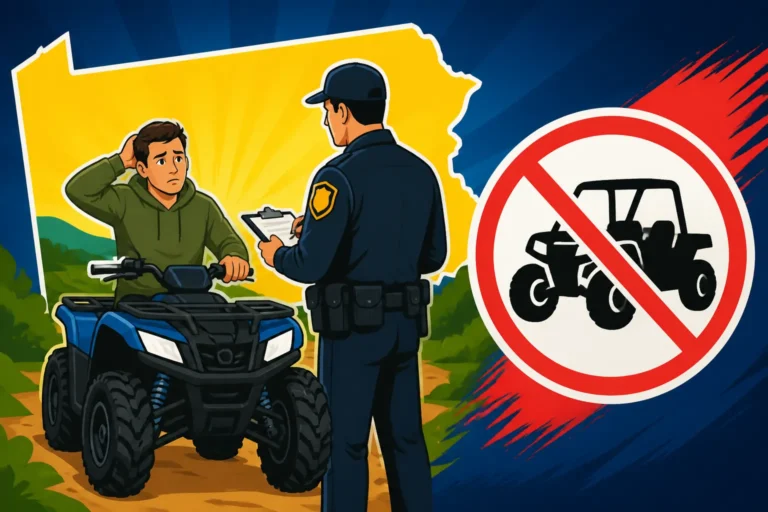
Imagine this: you're deep in Sproul State Forest, the sun is shining, and you've just navigated a fantastic creek crossing. Suddenly, you round a bend and there's a DCNR ranger waiting for a spot check. No big deal, you think, as you reach for your registration. But when you pull out the paper, it's a crumpled, waterlogged blob. The ink has run, the numbers are smudged, and it's practically unreadable. That moment of sinking dread is exactly what we want to avoid.
Damaged documents aren't just an inconvenience; they can be a real problem. If your registration or proof of insurance is illegible, it's as good as not having it at all in the eyes of the law. This can result in a citation for [Pennsylvania Fines for an Unregistered ATV] or [Pennsylvania Fines for No ATV Insurance], which nobody wants. Beyond the legal ramifications, it's simply a hassle. You might waste valuable riding time trying to explain the situation, or worse, be asked to leave the trail. Keeping your paperwork pristine means you can confidently present it and get back to what you came to do: ride.
The Pennsylvania Requirements You Need to Meet
Pennsylvania has specific requirements for what documents you need to carry when operating an ATV or UTV off your own private land. The main ones are your current DCNR ATV registration, proof of liability insurance (especially if you're on state forest trails or designated joint-use roads), and if you're a younger rider, your ATV safety certificate. [What the DCNR Wallet Card Is For] is a prime example of a document that needs to stay dry and intact. This card is your proof of registration and often contains your insurance details.
The expectation is that you can produce these documents upon request by an enforcement officer. This means they need to be readily accessible and in a condition that allows for quick and clear verification. A blurry photo on a wet phone screen or a disintegrated paper slip simply won't cut it. Understanding these specific requirements underscores why proactive measures to protect your documents are so vital. It’s not just a suggestion; it’s a part of responsible riding in the Commonwealth.
Practical Solutions for Waterproofing Your Essential Documents
Now that we know why it's so important, let's dive into the practical solutions for keeping your documents dry. There's a range of options, from simple and inexpensive to highly robust, ensuring there's a solution for every rider and every budget. The key is to find a method that you'll consistently use, because even the best waterproof gear does no good if it's sitting at home.
Waterproof Pouches and Cases
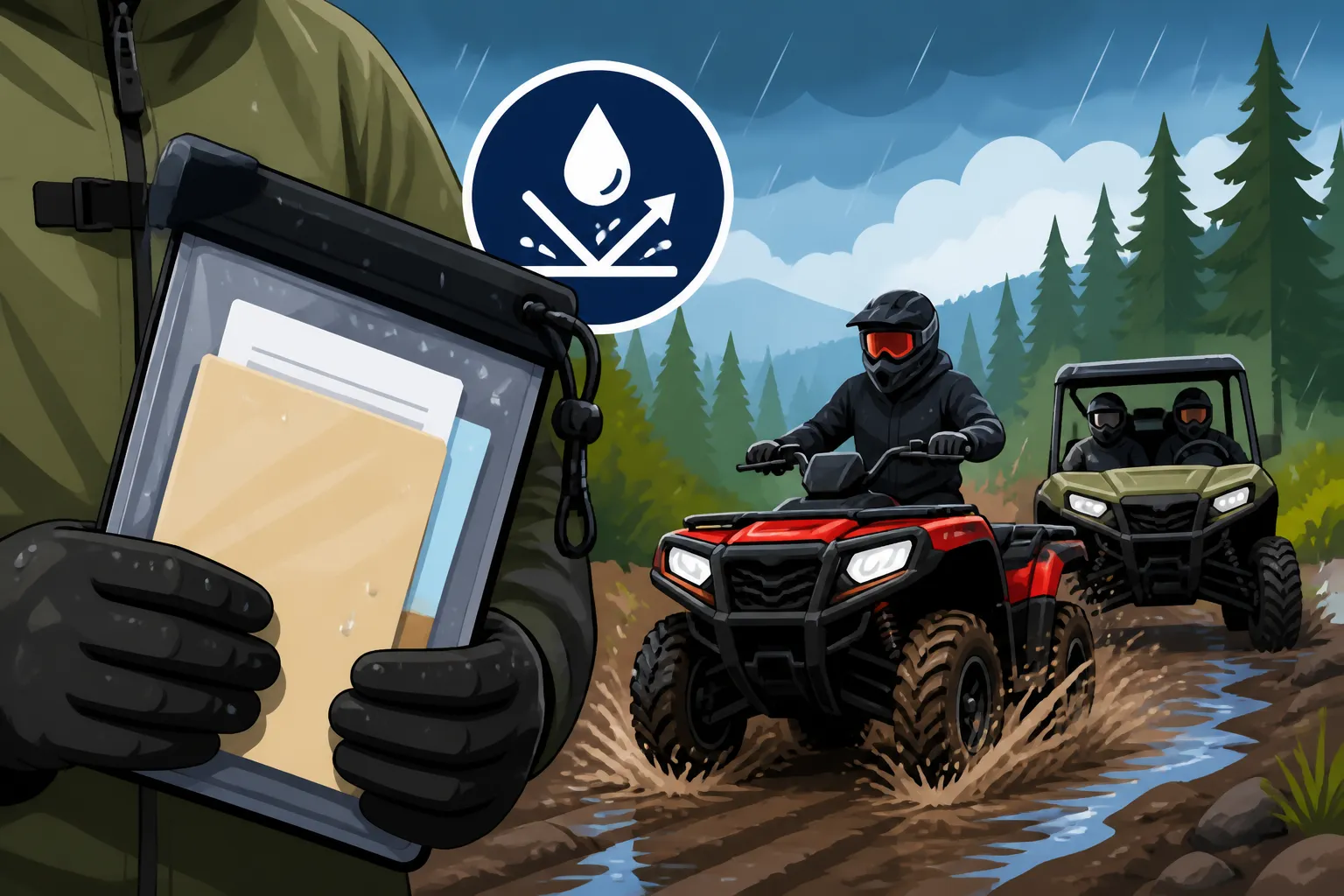
When it comes to keeping your papers dry, a dedicated waterproof pouch or case is your best friend. The most basic and widely available option is a heavy-duty, freezer-grade Ziploc bag. While these offer a good first line of defense against splashes and light rain, they aren't foolproof against submersion or prolonged wet conditions. For better protection, many riders opt for small, roll-top dry bags, similar to what kayakers or backpackers use. These are typically made of durable PVC or coated nylon and offer excellent protection against water ingress, even if your machine ends up in a deep puddle.
For the ultimate in protection, especially if you carry other valuable items like your phone or keys, consider a small, hard-shell waterproof case. Brands like Pelican or similar robust cases are designed to withstand submersion, impacts, and extreme conditions, ensuring your documents are safe no matter what the trail throws at you. These often have a rubber gasket seal and a secure latching mechanism. When choosing, think about how much abuse your documents might endure and select a pouch or case that matches that level of protection. You can even combine methods, placing your documents in a Ziploc inside a dry bag for double the security against moisture. This multi-layer approach gives you peace of mind during a sudden downpour or an unexpected splash.
Digital Backups and What Pennsylvania Accepts
In our increasingly digital world, it's natural to wonder if a picture of your registration on your smartphone is sufficient. While having digital backups is a fantastic idea for your own records and emergencies, it's important to understand Pennsylvania's stance. Generally, when an enforcement officer requests your ATV registration and proof of insurance on state lands, they expect to see the physical documents. [Carrying Proof of Insurance in Pennsylvania] specifically refers to having the actual card or paper.
A digital copy on your phone should be considered a backup, not a primary form of identification for state-required documents. It can be incredibly helpful if your physical documents are accidentally damaged or lost mid-ride, allowing you to show something while you explain the situation or seek a replacement. However, don't rely solely on your phone. Beyond the legal aspect, phones can run out of battery, screens can crack, or they can get wet themselves, rendering your digital backup useless. Always carry the physical copies, protected, and have a digital photo as an extra layer of security.
Storing Documents on Your Machine
Once you've got your documents safely protected in a waterproof container, the next step is to find the best place to store them on your ATV or UTV. Accessibility is key here – you don't want to be fumbling around for five minutes while a ranger waits. Many machines have a small glove compartment or a storage bin under the seat. These are often decent places to keep your waterproof pouch. For ATVs, fender bags or tank bags, which are typically designed to be water-resistant, can also work well.
When choosing a spot, consider both convenience and security. You want to be able to reach your documents quickly, but also ensure they won't bounce out on rough terrain or be easily snatched if you step away from your machine. Securely strapping down a small dry bag in a cargo box is another excellent option for UTVs or ATVs with racks. Just make sure the spot you choose is not prone to excessive heat, vibration, or impact, as even the best waterproof pouch can fail under extreme stress. A small, purpose-built storage area, perhaps even one with a lock, provides the ideal balance of protection and accessibility.
Beyond Waterproofing: Other Tips for Document Management on the Trail
Protecting your documents from water is paramount, but effective document management goes a step further. It involves preparation, organization, and knowing when and how to replace documents. A little forethought before you hit the trail can save you a lot of grief once you're out there.
Creating a Comprehensive "Trail Packet"
Beyond just your registration and insurance, consider compiling a small "trail packet" with other useful information. This could include a copy of your [Pennsylvania ATV Bill of Sale Requirements] if you've recently purchased your machine, especially if you're still waiting for a permanent title. It’s also wise to include emergency contact information, any medical alerts, and maybe even a small, laminated map of the trails you'll be riding. Having all your essential information in one place makes it easy to grab and go.
When putting together this packet, you might even find tools like LawDepot helpful. While they won't print your state registration, you can use their templates for personal documents like a bill of sale, or even a basic medical information sheet. Printing these out clearly and professionally from a service like LawDepot ensures they are legible and easy to waterproof, becoming a sturdy component of your trail packet. Keep the packet concise, focusing on truly essential information to avoid unnecessary bulk.
Regular Checks and Replacements
Documents don't last forever, especially when subjected to the rigors of off-road riding. Even if you diligently waterproof them, the constant folding, unfolding, and general handling can lead to wear and tear. Make it a habit to check your trail packet before each season, or even before major rides. Are the edges frayed? Is the print fading? Is your insurance card still current?
If you notice any significant damage or expiration, don't wait until you're asked to present them. Order replacements for your registration card from DCNR, or contact your insurance provider for a new card. For personal documents you generated, like a bill of sale, creating a fresh, clean copy using a service like LawDepot is simple. Remember, a crisp, clear document is always better than a faded, torn one. Sometimes, documents can even go missing, leading to the need for actions like [Replacing a Lost Pennsylvania ATV Plate] or [Replacing a Wallet Card That Went Through the Wash]. Staying on top of your document's condition ensures you're always prepared.
The Role of Durable Document Holders
While waterproof pouches protect against moisture, consider the overall durability of your document holders. Paper, even laminated, can still get bent, creased, or torn over time. Investing in a truly durable wallet card holder made of rigid plastic or a hard-sided case can help maintain the integrity of your documents against physical damage, not just water. Some riders even laminate their DCNR wallet cards if it’s permitted and they feel it adds an extra layer of protection, just ensure it doesn't obscure any important details or void its validity.
Think about how these documents are handled – pulled out, glanced at, put back. A durable holder can prevent the kind of minor damage that, over time, can render a document unreadable. When you print out a crucial personal document, like a permission slip for private land access or a detailed inventory for your machine, using a resource like LawDepot can help ensure the initial print quality is excellent, making it easier to protect and keep readable for the long haul. Ultimately, the goal is to have documents that look as good on the trail as they did the day they were printed.
Waterproofing Methods Comparison Table
| Method | Protection Level | Cost | Durability | Accessibility | Notes |
|---|---|---|---|---|---|
| Heavy-Duty Ziploc Bag | Basic | Very Low | Low | High | Good for splashes, not reliable for submersion. Cheap and easy to replace. |
| Roll-Top Dry Bag | Excellent | Moderate | Moderate | Moderate | Designed for water sports, highly effective against submersion and rain. |
| Hard-Shell Waterproof Case | Superior | Higher | High | Moderate | Offers best protection against water and physical impact. Bulkier. |
| Lamination | Good (Water-Resistant) | Low | High | High | Protects against splashes and tears. Check if legal for official documents. |
| Waterproof Wallet/Holder | Good (Water-Resistant) | Low-Moderate | Moderate | High | Often includes slots for cards, good everyday protection. |
Disclaimer
This article is for general informational purposes only and does not constitute professional advice. Laws, prices and regulations vary by location and change over time. Consult a qualified professional for guidance on your specific situation.