Helmet Rules for Pennsylvania Riders
Navigating the rules and regulations for ATV and UTV riding in Pennsylvania can sometimes feel like trying to untangle a stubborn fishing line – confusing, frustrating, and prone to knots. One of the most common questions, and perhaps one of the most critical for your safety, revolves around helmets. This guide is here to cut through the confusion, clearly outlining Pennsylvania’s helmet laws for ATV and UTV riders, validating the challenges you face in understanding them, and ensuring you know exactly what’s expected to keep yourself and your passengers safe on the trails and roads.
Understanding Pennsylvania's General Helmet Law for ATVs
Many riders in Pennsylvania scratch their heads trying to figure out the exact rules for helmets. It feels like every time you talk to someone new, you get a different answer, right? This section will clear up the baseline requirements straight from the Department of Conservation and Natural Resources (DCNR), which oversees much of our state's recreational riding.
The Basic Mandate for ATV Operators
When you're out there enjoying the incredible trails and riding areas Pennsylvania offers, the state has a pretty clear stance on head protection. For the vast majority of ATV riding, especially on public lands or designated trails, a helmet isn't just a good idea—it's the law. This mandate is rooted in safety, aiming to protect riders from the inherent risks of off-road vehicle operation. Whether you're navigating rocky climbs in Sproul State Forest or cruising through the mud at the Anthracite Outdoor Adventure Area (AOAA), that helmet needs to be securely fastened. It's not just a suggestion; it's a fundamental part of responsible riding.
This rule applies universally to almost all operators of ATVs within Pennsylvania's public riding environments. It doesn't matter if you're a seasoned veteran with decades of saddle time or just bought your first quad; the requirement stands. The idea is to create a consistent safety standard that helps mitigate serious injuries in the event of an accident. Think about it: a moment of inattention, a hidden root, or an unexpected washout can happen to anyone, anywhere. Having that helmet on is your first line of defense against potentially life-altering head trauma.
It's crucial not to confuse Pennsylvania's ATV helmet laws with motorcycle helmet laws, which have different criteria regarding age and experience. For ATVs, the scope is much broader, encompassing almost all riders. This is important because the terrain and riding conditions for ATVs often present unique challenges that can lead to spills, even at lower speeds. So, when in doubt, just put the helmet on. You'll be glad you did if you ever need it, and it will keep you compliant with [Pennsylvania Helmet Law for ATV Riders].
Who Needs to Wear a Helmet in Pennsylvania?
Here's where some of the common misunderstandings can creep in. For ATVs in Pennsylvania, the short answer is that nearly everyone operating or riding as a passenger on an ATV in most situations needs a helmet. The law is primarily age-based for general riding, making it very inclusive for youth. If you're under 16 years old, the requirement is absolutely non-negotiable, regardless of where you're riding, even on your own private property unless a very specific farm exemption applies (more on that later). This is designed to protect our youngest riders who are still developing their skills and judgment.
However, the requirement doesn't stop at age 16 for all riding environments. If you're riding on state-owned land, like the DCNR trails in Buchanan or Bald Eagle State Forests, or even on designated local roads, the helmet rule generally extends to all riders, regardless of age. This means that if you're 45 and on a state trail, you still need to be wearing that helmet. It's a key distinction that can trip up riders who might assume age-based exemptions like those found in some other vehicle laws, such as those related to [Pennsylvania's Sixteen-Year-Old Road Rule] for other vehicles.
So, while the under-16 rule is paramount everywhere, remember that public access points, designated trails, and any road opened for ATV use will almost always require a helmet for everyone. It’s a collective safety measure for shared spaces, ensuring that anyone encountering the risks of off-road riding on public property has proper head protection. This broad application is a hallmark of Pennsylvania's approach to ATV safety.
What Kind of Helmet is Required?
Just any old helmet won't cut it when it comes to meeting Pennsylvania's legal requirements for ATV riding. The law is quite specific about the type of helmet you need to wear, focusing on recognized safety standards. Essentially, your helmet must be approved by the U.S. Department of Transportation (DOT). This isn't just a label; it signifies that the helmet has undergone rigorous testing to ensure it meets minimum impact protection standards. When you're looking at helmets, always check for that DOT sticker on the back. It's your assurance that the helmet offers a baseline level of protection.
Why DOT approval? It means the helmet is designed to protect against various types of impacts that can occur in an ATV accident, from glancing blows to direct hits. These helmets typically feature a sturdy outer shell, an impact-absorbing liner (often made of expanded polystyrene or EPS foam), a comfort padding layer, and a secure retention system (chin strap). Brands like SuperATV, among many others, offer a range of DOT-compliant helmets designed specifically for off-road use, balancing protection with features like good ventilation and wide fields of view.
It's also worth noting that the helmet should fit properly. A DOT-approved helmet that's too loose or too tight won't provide optimal protection. It should sit snugly on your head without restricting vision, and the chin strap should be fastened securely. A helmet that rattles around on your head, or one that you can easily pull off, isn't doing its job. Invest in a helmet that meets the legal standards and fits you correctly; it’s an investment in your safety.
Specific Scenarios: When Helmets Are and Aren't Required
The blanket rule often has exceptions or specific interpretations depending on where you're riding. Pennsylvania is a diverse state with many types of terrain and regulations. Let's dig into the specifics, because a rule that applies to [Pennsylvania ATV Trails That Reopen for Winter] might be slightly different than one for a farm lane.
Riding on State Forest Trails and DCNR Lands
If you're planning a trip to one of Pennsylvania's fantastic state forest ATV trail systems, like the Sproul State Forest trails or the Bloody Skillet complex, you absolutely need to wear a helmet. The Pennsylvania Department of Conservation and Natural Resources (DCNR), which manages these trails, maintains a strict policy on helmet use for all riders, regardless of age. This is a non-negotiable safety measure designed to protect everyone enjoying these challenging and sometimes unpredictable environments. You'll often see rangers checking for compliance at staging areas and trailheads, such as during [Registration Checks at Bloody Skillet].
The reason for this universal requirement on state lands is simple: the trails can be rugged, featuring rocks, roots, mud, and steep climbs. Accidents, while rare for experienced riders, can happen quickly and without warning. A helmet significantly reduces the risk of severe head injury in a crash. Even if you're just putting around a campground on a designated ATV road, if that land is managed by the DCNR, the helmet rule applies. It's part of the agreement you make when you choose to ride on these public resources, which are supported by fees like the [Pennsylvania ATV Registration Cost].
So, when packing for your adventure on [Pennsylvania's Sproul State Forest Trails] or [Riding Whiskey Springs Along Kettle Creek], make sure every rider, from the youngest to the most seasoned, has a properly fitting, DOT-compliant helmet. It's not just about avoiding a fine; it's about ensuring everyone can come home safe after a great day of riding. This consistent application across all DCNR-managed trails simplifies things: if you're on a DCNR trail, wear a helmet.
The Farm and Business Exemption
Now, here’s one of the few places where the helmet rules can get a bit more nuanced: the farm and business exemption. Pennsylvania law recognizes that ATVs are often essential tools for agricultural work or certain business operations, and in these very specific contexts, the helmet requirement can be waived. This exemption isn't a free pass to ride without a helmet anywhere; it's tightly defined. The ATV must be actively being used for farming, ranching, or other clearly defined business purposes directly on the property where the work is taking place.
For example, if you're using your quad to check fences, herd livestock, or transport tools across your own agricultural land, you might not be legally required to wear a helmet. This [Pennsylvania Helmet Exception for Farming] acknowledges the practicalities of farm life, where getting on and off the machine frequently might make consistent helmet use cumbersome. Similarly, certain business operations, like surveying a construction site or maintaining a large industrial property, could fall under this exemption if the ATV is being used solely for that purpose on private property.
However, a crucial point: this exemption does not extend to recreational riding on farm property, even if you own the farm. If you finish your chores and decide to take a joyride around the fields, the general helmet rules might re-apply, especially for youth riders. It’s also strictly limited to the private property where the work is being performed. The moment you take that ATV onto a public road or a designated trail, even if you’re just going from one field to another, the helmet requirement kicks back in for everyone. So, while it's an important exception, understand its narrow scope.
Helmet Rules for Designated ATV Roads and Joint-Use Roads
Pennsylvania has a limited number of designated ATV roads and joint-use roads, often managed at the township or borough level, which allow ATVs to share the road with traditional vehicles. This is a fantastic amenity for connecting trails or accessing local services, but it comes with its own set of rules, including specific helmet requirements. When you're riding on these public roads, whether they're [Pennsylvania's Designated ATV Roads] or [Pennsylvania Joint-Use Roads and Who Shares Them], the helmet law is generally in full effect for all riders.
The rationale here is similar to that for state trails: you're operating a vehicle in an environment where you could encounter other traffic, unforeseen obstacles, or varied road conditions. While these roads are often less rugged than dedicated trails, the potential for accidents still exists, and the consequences of a head injury remain severe. Therefore, the state prioritizes safety by mandating helmet use for everyone on these shared routes. This means if you're riding through Windber Borough's mixed-use program, for instance, you'll need to be wearing your helmet.
It’s important to remember that these designated roads are often clearly marked with specific signage, so you know when you’re on an approved route. Don't assume that just because a road looks like a gravel lane that it's open to ATVs without a helmet requirement. Always check local signage and DCNR guidelines. A good rule of thumb for any shared public space where you're riding your ATV or UTV: put on that DOT-approved helmet. It shows you're a responsible rider and keeps you safe.
Passengers and Youth Riders: Special Considerations
When you have more than one person on the machine, or when younger riders are involved, the rules can feel even more complex. It's vital to get these details right, not just for legal compliance, but for the safety of those who are most vulnerable.
Rules for ATV Passengers in Pennsylvania
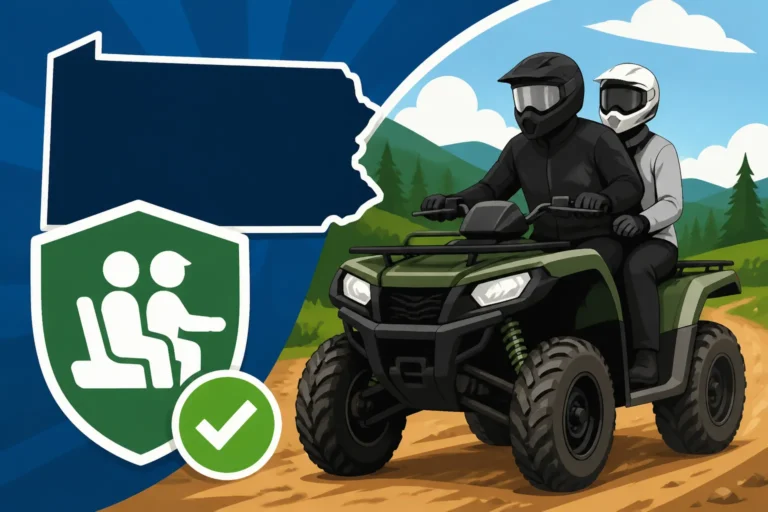
If your ATV is designed to carry a passenger, and you decide to bring someone along for the ride, Pennsylvania law has specific requirements for their safety, particularly regarding helmets. Much like the operator, any passenger on an ATV is generally required to wear a DOT-approved helmet. This isn't just a courtesy; it's a legal mandate that ensures the safety of everyone on board. The risks associated with an ATV rollover or collision are just as significant for a passenger as they are for the operator, and often, a passenger might be less prepared to react to sudden movements or obstacles.
This rule applies across the board, whether you're cruising on a designated state trail, traversing an approved joint-use road, or even riding on private property where the general helmet rules would apply (i.e., not under a specific farm exemption). The intent is to provide consistent head protection for all occupants of an ATV. So, before you head out with a friend or family member, make sure you have a second, properly fitting, DOT-compliant helmet ready for them. [Pennsylvania Helmet Law for Passengers] is clear on this point.
It's also worth considering the physical capabilities of your passenger. They need to be able to hold on securely, keep their feet on the footrests, and follow your movements as the operator. A helmet is a critical piece of the safety puzzle, but it works best in conjunction with a passenger who is physically capable and properly informed about safe riding practices. Never carry more passengers than your ATV is designed for, and always ensure everyone has their helmet securely fastened.
Supervising Younger Riders and Helmet Use
Pennsylvania takes the safety of its youth riders very seriously, and this is reflected strongly in its helmet laws. If you're supervising a rider under the age of 16, they are absolutely required to wear a DOT-approved helmet at all times when operating an ATV, regardless of where they are riding. This includes private property, farm fields, and any public access land. There are virtually no exceptions for riders in this age group when it comes to head protection. This strict rule is in place because younger riders have less experience, often less developed motor skills, and are more susceptible to severe injury in an accident.
Parents and guardians bear a significant responsibility for ensuring compliance. Not only could a child face serious injury without a helmet, but the supervising adult could also face legal repercussions and fines for allowing an underage rider to operate an ATV without proper head protection. This isn't just about avoiding a ticket; it's about safeguarding the future of our kids. Making helmet use a habit from their very first ride instills good safety practices that can last a lifetime.
When looking for a helmet for a youth rider, proper fit is even more critical. Children's heads come in various sizes, and a helmet that's too big will move around and offer little protection, while one that's too small will be uncomfortable and could even be dangerous. Consider visiting a specialty store to ensure a professional fitting. Many brands, including some offered by retailers like SuperATV, make youth-specific helmets that are lighter and sized appropriately for smaller heads while still meeting DOT standards. Remember, [Pennsylvania ATV Safety Certificates] are also often required for youth, and helmet use is a core part of that training.
The 70cc Cap and Helmet Needs for Under-16 Riders
Delving deeper into youth riding, Pennsylvania law also places restrictions on the size of ATVs that can be operated by the youngest riders. Specifically, riders aged eight and nine are typically limited to ATVs with an engine displacement of 70cc or less. This restriction is paired with the absolute requirement for a helmet. Even if a child is riding a small, low-powered machine, the need for a DOT-approved helmet remains paramount. The risk of falling, even at low speeds, can still result in a head injury, and a smaller machine doesn't negate this risk.
This 70cc cap for the youngest eligible riders (8 and 9 years old) is part of a broader strategy to introduce children to ATV riding safely and progressively. As they gain experience and mature, they can move to larger machines. However, throughout this progression, the helmet remains a constant, essential piece of safety gear. For instance, if you have a nine-year-old on a youth quad, not only must the machine be under 70cc, but that child must have a properly fitted, DOT-compliant helmet on at all times.
It’s about creating a safe learning environment. The combination of appropriate machine size for age and mandatory helmet use helps to minimize the potential for serious injury as children learn the ropes of off-road riding. Never compromise on helmet use for youth, regardless of the size of the machine they are operating. It's a non-negotiable part of responsible youth ATV riding in Pennsylvania, and a key factor when [Choosing a First Machine in Pennsylvania] for a young family member.
Beyond the Law: The Critical Importance of Helmet Safety
While legal mandates are important, the true value of a helmet goes far beyond simply avoiding a fine. It's about protecting yourself and your loved ones from devastating consequences.
Protecting Your Most Important Asset
Let's be brutally honest: your brain is your most important asset, not just for riding, but for living. It controls everything—your thoughts, your movements, your memories, your ability to enjoy life. A serious head injury can irrevocably alter your life and the lives of those around you. When you're out on an ATV, especially on varied terrain, you're exposing yourself to potential hazards. Rocks, trees, uneven ground, other riders, and even wildlife can present unexpected challenges that can lead to a sudden impact.
A DOT-approved helmet is specifically designed to absorb and dissipate the energy from an impact, preventing that force from reaching your skull and brain directly. It's not magic, but it significantly reduces the likelihood and severity of traumatic brain injuries (TBIs). Think of it as a personal crumple zone for your head. Even a minor fall or a slow-speed tip-over can result in hitting your head on a hard surface. The simple act of buckling your helmet can be the difference between a minor bump and a life-altering injury.
So, while the law might allow for certain exemptions, especially on private land or under specific agricultural conditions, ask yourself if the momentary inconvenience of wearing a helmet is truly worth the risk of permanent brain damage. Most experienced riders will tell you that the helmet becomes a natural extension of their riding gear, a non-negotiable item that always goes on before the ignition turns over. Prioritize your well-being; wear your helmet.
Common ATV Accidents and Head Injuries
ATV accidents, unfortunately, are a reality of the sport, and head injuries are among the most serious consequences. Understanding how these injuries commonly occur can reinforce the importance of helmet use. Rollovers are one of the most frequent types of ATV accidents. Whether it's climbing a steep incline, traversing a side hill, or hitting an unseen obstacle, an ATV can tip or flip, often ejecting the rider. In such scenarios, the rider's head can strike the ground, the machine itself, or other solid objects with considerable force.
Collisions are another major concern. This could be with another ATV, a tree, a rock, or even a vehicle if riding on shared roads. Even at relatively low speeds, the impact forces in a collision can be immense, leading to severe head trauma if unprotected. Ejection from the vehicle, where the rider is thrown clear, also carries a high risk of head injury upon landing. The ground, rocks, and other debris can become deadly hazards.
The types of head injuries range from concussions to skull fractures, intracranial hemorrhages, and diffuse axonal injuries. Even what might seem like a "minor" concussion can have long-lasting effects on cognitive function, balance, and mood. Helmets are engineered to protect against these specific types of impacts. This is why when you check [What a Pennsylvania Officer Checks Roadside] beyond registration, helmet compliance is often high on the list.
Choosing the Right Helmet for Comfort and Protection
Selecting the right helmet isn't just about meeting the DOT standard; it's also about finding one that fits comfortably and provides features that enhance your riding experience without compromising safety. A helmet that's uncomfortable is one you'll be tempted to take off, defeating its purpose. When choosing, look for a helmet designed for off-road use. These often have a prominent visor to shield from roost and sun, and a more open face design to accommodate goggles for eye protection.
Fit is paramount. A helmet should be snug but not painfully tight. It shouldn't shift excessively when you move your head, and there should be no pressure points. The chin strap should be adjustable and easy to fasten, holding the helmet firmly in place. Ventilation is another key feature, especially for riding in warmer Pennsylvania summers. Good airflow helps keep you cool and prevents fogging of goggles. Many helmets today come with removable, washable liners, which is a huge plus for hygiene after a dusty or muddy ride.
Consider the weight of the helmet, especially for longer rides, as a lighter helmet can reduce neck fatigue. While many excellent brands exist, checking out options from companies like SuperATV, or your local powersports dealer, can give you a good idea of the range of features and price points available. Remember, the best helmet is one you'll wear every time you ride, so prioritize fit, comfort, and protection equally.
Navigating Exceptions and Common Misconceptions
The rules aren't always black and white, and certain situations or types of vehicles can create confusion. Let's clarify some of these common gray areas.
When the Agricultural Exemption Applies
We touched on the agricultural exemption earlier, but it’s worth reiterating its strict limitations to avoid any misunderstandings that could lead to fines or, worse, injury. This exemption for [Pennsylvania's Agricultural Exception to the Helmet Rule] is specifically for ATVs and UTVs actively being used in farm operations on the farmer's own land. This means tasks like hauling feed, checking crops, or moving equipment within the boundaries of the farm. It is not for casual riding around the farm after chores are done, nor is it for riding on public roads to get to another farm, even if that road is adjacent.
The intent behind this exemption is to facilitate day-to-day farm work, where frequent mounting and dismounting might make continuous helmet use impractical. However, this is a very narrow exception. If a child under 16 is operating an ATV for farm work, there might still be a requirement for a helmet depending on specific interpretations and the general youth rider laws. It's always safest to err on the side of caution, even within this exemption.
Always remember: if the activity shifts from work to recreation, or if the vehicle leaves the defined boundaries of the farm property onto any public or designated land, the general helmet laws immediately apply. There’s no ambiguity there. So, if you're a farmer and you use your quad for work, you have this specific allowance, but be mindful of its boundaries and prioritize safety even when not legally compelled.
Helmets and Enclosed UTVs
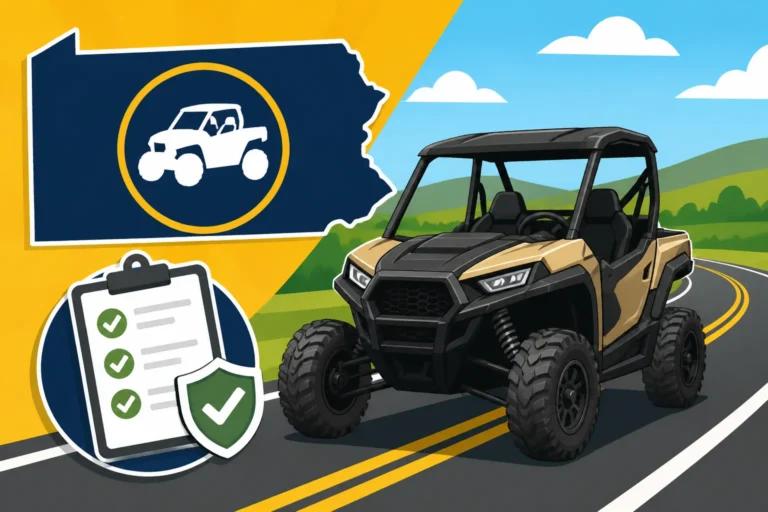
UTVs, or Side-by-Sides, have become incredibly popular in Pennsylvania, offering a different riding experience with their car-like controls and often enclosed cabs. This enclosure leads many UTV owners to wonder if helmets are still required. The answer is generally yes, with some caveats. While a UTV may have a roll cage, doors, and even a windshield, it is still classified as an off-road vehicle, and the same fundamental safety principles apply.
For most public riding areas in Pennsylvania, including DCNR trails and designated multi-use roads, helmets are required for both the operator and passengers in a UTV, just as they are for ATVs. The roll cage provides a degree of protection in a rollover, but it doesn't eliminate the risk of head injury. An impact inside the cage, or if a limb extends outside the cage during an incident, can still cause severe harm. Therefore, the safest and often legally mandated approach is for all occupants to wear DOT-approved helmets. Brands like SuperATV offer robust windshields and roofs for UTVs, but these accessories, while enhancing comfort, do not negate the helmet requirement on public lands.
However, there can be very specific, limited exceptions, particularly on private property where the owner sets the rules, or under the agricultural exemption mentioned previously, where a UTV being used for farm work might not require helmets. But for the vast majority of recreational UTV riding in Pennsylvania, especially on state-managed trails or designated local roads, assume helmets are required for everyone inside, regardless of the level of enclosure. This is the safest and most compliant approach to enjoying your side-by-side. [Pennsylvania Rules for a UTV on a Road] will reiterate this.
Reciprocity for Out-of-State Riders
Pennsylvania is a popular destination for ATV and UTV enthusiasts from neighboring states. If you're visiting from New York, Ohio, or Maryland, for example, you might wonder if Pennsylvania honors your home state's helmet laws or if you need to abide by Pennsylvania's rules. This falls under the concept of reciprocity. Generally, when you ride in Pennsylvania, you are expected to follow Pennsylvania's laws, regardless of where your machine is registered or where you typically ride.
While Pennsylvania does have some reciprocity agreements for vehicle registration (e.g., [Pennsylvania Reciprocity With New York] or [Pennsylvania Reciprocity With Ohio]), helmet laws are often treated separately and locally enforced. This means that even if your home state has different, more lenient helmet laws, when you cross into Pennsylvania and ride on its public lands or designated roads, you must comply with Pennsylvania's mandatory helmet requirements for ATVs and UTVs. This applies to both operators and passengers, and especially to youth riders.
It's always best practice for any out-of-state rider to review Pennsylvania's specific regulations before heading out. The DCNR website is a great resource. Assume you'll need a DOT-approved helmet for everyone on your machine when riding anywhere other than strictly private property with owner permission and specific exemptions. This proactive approach prevents unexpected fines and, more importantly, keeps you and your riding companions safe while enjoying the beautiful Pennsylvania terrain. [Do Nonresidents Need Pennsylvania ATV Registration?] is another common question for visitors, so be sure to check that too.
Enforcement, Fines, and What to Expect
Knowing the law is one thing, but understanding the consequences of not following it is crucial. Nobody wants a ticket, especially when you're out trying to have fun.
What a Pennsylvania Officer Checks Roadside
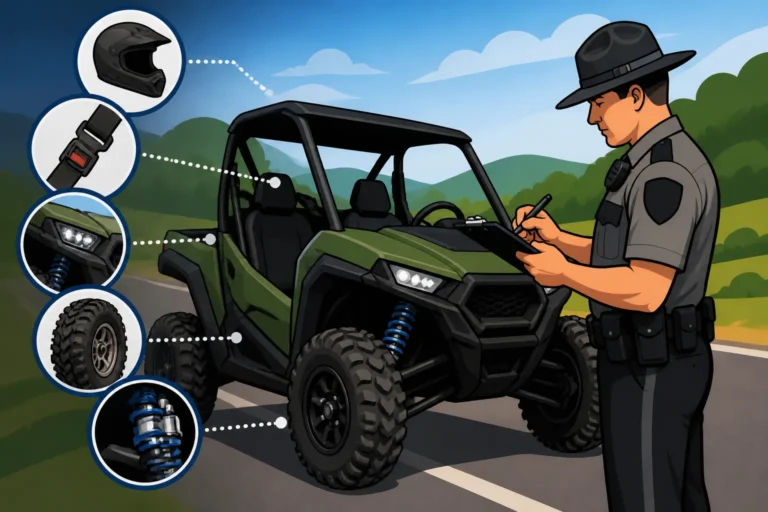
Imagine you're taking a quick break on a designated ATV road, or perhaps you're at a trailhead staging area like those near [Bloody Skillet's 38 Miles]. A DCNR Ranger or local law enforcement officer might approach your group. They're not usually looking to ruin your day, but they are ensuring everyone is riding safely and legally. When they conduct a roadside or trailhead check, helmet compliance is almost always at the top of their list, right alongside registration and safety certificates.
An officer will be looking for a few key things regarding helmets:
- Presence: Is a helmet being worn by the operator and any passengers?
- Type: Is it a DOT-approved helmet? They'll often quickly glance for the DOT sticker on the back.
- Condition: Is the helmet in good repair, not obviously damaged or structurally compromised?
- Proper Use: Is it fastened securely? A helmet resting on your head or worn backward offers little protection and won't satisfy the requirement.
They might also check for other safety items like eye protection, proper lighting if riding at dusk, and ensuring youth riders are on age-appropriate machines. These checks are for everyone's safety and help maintain order on public trails. Being prepared and compliant makes these interactions quick and stress-free, allowing you to get back to your ride.
Pennsylvania Helmet Law Fines
Ignoring Pennsylvania's helmet laws can lead to more than just a stern warning; it can result in significant financial penalties. While specific fine amounts can vary and may be subject to change, being caught without a required helmet typically incurs a citation. This is not a minor infraction. The base fine for certain ATV violations in Pennsylvania can start at a considerable amount, and that's often before court costs and other associated fees are added. For example, [Pennsylvania Fines for Riding Illegally] can be substantial, and helmet violations can be similar.
Think of it this way: a fine for a helmet violation can easily cost you more than purchasing a high-quality, DOT-approved helmet in the first place. It's an avoidable expense that also comes with the hassle of dealing with the legal system. Beyond the financial aspect, repeated offenses could lead to more severe penalties or even impact your ability to ride on state lands in the future.
The goal of these fines isn't just punitive; it's preventative. It's meant to encourage compliance with safety regulations that are proven to save lives and prevent serious injuries. So, if you're weighing the cost of a new helmet against the potential fine, the helmet is almost always the more sensible and cost-effective choice, let alone the one that protects your brain.
Avoiding Citations and Staying Safe
The best way to avoid a helmet-related citation, and more importantly, to stay safe, is simply to make helmet use a non-negotiable part of your riding routine. Develop the habit: gear up, helmet on, strap buckled, then start the engine. If you ride with a group, encourage everyone to do the same. A culture of safety within your riding circle benefits everyone.
Here's a quick checklist to help you stay compliant and safe:
- Always Wear It: If there's any doubt about whether a helmet is required, put it on. It's better to be safe and legal than sorry.
- DOT Certified: Ensure your helmet has the official DOT certification sticker.
- Proper Fit: Make sure your helmet fits snugly and doesn't wobble.
- Secure the Strap: Always fasten your chin strap securely. A loose helmet is a dangerous helmet.
- Lead by Example: If you're an adult riding with youth, always wear your helmet. Your actions speak louder than words.
- Inform Passengers: If you carry a passenger, ensure they understand the helmet requirement and have one that fits them.
- Know Your Location: Be aware of the specific rules for the area you're riding in, especially when moving between private land, state trails, and designated roads.
By making these simple practices part of every ride, you dramatically reduce your risk of injury and avoid the headache of a citation. It allows you to fully enjoy the thrill of Pennsylvania's ATV trails with peace of mind. Remember, [Pennsylvania ATV Insurance Requirements for Trails] are another key piece of compliance.
Maintaining Your Helmet and Other Safety Gear
Your helmet is a piece of safety equipment, and like any equipment, it requires proper care and maintenance to perform at its best. Neglecting it can compromise its ability to protect you.
When to Replace Your ATV Helmet
A helmet isn't a "set it and forget it" item; it has a finite lifespan, even if it hasn't been in a crash. Understanding when to replace your ATV helmet is crucial for maintaining optimal protection. The general recommendation from most helmet manufacturers and safety organizations is to replace your helmet every five years from the date of manufacture (not purchase), or immediately after any significant impact, regardless of visible damage.
Why five years? Over time, the materials in a helmet degrade. The expanded polystyrene (EPS) foam liner, which is critical for absorbing impact energy, can become less effective due to exposure to UV light, sweat, chemicals, and even just the passage of time. The outer shell can also weaken, and the chin strap and other components can fray or lose their integrity. Even if a helmet looks perfectly fine on the outside, its internal protective capabilities can diminish.
And this is vital: if your helmet has been involved in any crash or significant impact, replace it immediately. Even if there are no visible cracks or damage to the shell, the internal EPS liner might have compressed or cracked, rendering it less effective for future impacts. It's designed for a single major impact. Don't take chances with your brain; a new helmet is a small price to pay for continued protection. You wouldn't reuse an airbag after a car crash, right? Think of your helmet the same way.
Essential Complementary Safety Gear
While the helmet is king for head protection, it's part of a broader system of safety gear that can significantly reduce the risk of injury when riding an ATV or UTV in Pennsylvania. Thinking holistically about your gear ensures a safer and more comfortable ride.
- Eye Protection: Goggles or a full-face helmet with a visor are absolutely critical. Dirt, dust, branches, and insects can strike your eyes at speed, leading to severe injury or, at the very least, distracting you at a crucial moment. Clear vision is non-negotiable for safe riding.
- Gloves: Protect your hands from blisters, abrasions, and impacts. They also improve your grip on the handlebars, which is vital for control, especially in wet or bumpy conditions.
- Long Sleeves and Pants: Even in warm weather, wearing long sleeves and durable pants (like riding pants or heavy jeans) can protect your skin from scrapes, cuts, and minor burns from the engine or exhaust.
- Over-the-Ankle Boots: Sturdy boots with good ankle support are essential. They protect your feet from impacts, ensure good grip on the footpegs, and prevent your ankles from twisting.
- Chest Protector/Body Armor: For more aggressive riding or rocky terrain, a chest protector or full body armor can shield your torso from impacts with handlebars, trees, or the ground.
- Emergency Kit: Always carry a basic first-aid kit, some tools, water, and navigation aids. Being prepared for minor issues on the trail is part of responsible riding.
Brands like SuperATV, along with many others, offer a full range of these safety accessories, often specifically designed for the rigors of off-road riding. Investing in this gear is just as important as maintaining your ATV itself.
Storing Your Helmet Properly
Believe it or not, how you store your helmet can affect its longevity and effectiveness. Proper storage helps maintain the integrity of its materials and keeps it ready for your next adventure. After a ride, especially if it's been dusty or muddy, give your helmet a quick wipe down. If the interior is damp from sweat, allow it to air out thoroughly in a well-ventilated area, away from direct sunlight or extreme heat. Many modern helmets have removable, washable liners, which is fantastic for hygiene.
Avoid storing your helmet in places where it might be exposed to harsh chemicals, solvents, or fuel fumes. These substances can degrade the helmet's shell and liner materials, compromising its protective qualities. Garages where gasoline or cleaning agents are stored should be treated with caution. Also, don't leave your helmet sitting on your ATV's seat in direct sunlight for prolonged periods, as UV exposure can break down materials over time.
Ideally, store your helmet in a cool, dry place, perhaps in its original helmet bag or a dedicated gear bag, to protect it from dust and accidental bumps. Hanging it on a sturdy hook is fine, but avoid leaving it where it can fall or be knocked around. Treating your helmet with care between rides ensures that when you strap it on for your next adventure, it's still offering you the maximum protection it was designed to provide.
PA ATV Helmet Requirements at a Glance
To make things even clearer, here's a quick table summarizing the helmet requirements for various riding scenarios in Pennsylvania.
| Riding Scenario | Operator Helmet Required? | Passenger Helmet Required? | Youth Under 16 Helmet Required? | Notes |
|---|---|---|---|---|
| State Forest Trails (DCNR) | Yes | Yes | Yes | DOT-approved for all. |
| Designated ATV Roads | Yes | Yes | Yes | DOT-approved for all, regardless of age. |
| Private Property (Recreational) | Generally Yes | Generally Yes | Yes | Strongly recommended for all, legally mandatory for under 16. |
| Farm/Business Exemption | No (Under specific use) | No (Under specific use) | Often Yes (Check specifics) | Only when actively performing farm/business duties on private land. |
| UTVs (Public Land) | Yes | Yes | Yes | Even with roll cages, helmets are generally required. |
| Non-Resident Riders | Yes | Yes | Yes | Pennsylvania laws apply when riding in PA. |
Disclaimer
This article is for general informational purposes only and does not constitute professional advice. Laws, prices and regulations vary by location and change over time. Consult a qualified professional for guidance on your specific situation.