Pennsylvania Helmets for Operator and Passenger
It can be incredibly frustrating to navigate all the different rules and regulations when you just want to enjoy a ride on your ATV or UTV in Pennsylvania. One area that often causes confusion, and sometimes even leads to a run-in with law enforcement, is helmet use for both the operator and any passengers. This guide is here to cut through the noise, clarify exactly when and where helmets are required in the Keystone State, and help you understand how to stay safe and compliant.
The Foundation of Pennsylvania's ATV Safety Laws
When we talk about off-road riding, safety is paramount. Accidents can happen in an instant, and a helmet is arguably the most critical piece of personal protective equipment you can wear. Pennsylvania's laws are designed with this reality in mind, aiming to reduce the severity of injuries should an unfortunate incident occur. It’s not about stifling your fun; it’s about making sure you can come back and ride another day.
Why Helmets Are So Important for Off-Road Riding
Think about the environment you're riding in: uneven terrain, potential for sudden stops or impacts, low-hanging branches, and the possibility of other riders or obstacles. Unlike a car, an ATV or UTV offers little to no structural protection in a crash or rollover. Your head, specifically, is highly vulnerable. A helmet acts as your first line of defense against concussions, skull fractures, and other traumatic brain injuries that can be life-altering.
Beyond the obvious impact protection, a good helmet can also protect you from debris kicked up by other riders, insects, and even the elements like wind and rain, which can impair vision and lead to fatigue. It truly is an investment in your well-being, allowing you to focus on the trail ahead rather than worrying about what might hit you. This is why organizations like the DCNR emphasize their importance so heavily.
Who Sets the Rules: DCNR vs. PennDOT
One of the biggest sources of confusion for riders in Pennsylvania is understanding which state agency is responsible for what. When it comes to ATVs and UTVs, the primary authority for registration, trail access, and safety regulations on designated trails and state land falls under the purview of the Department of Conservation and Natural Resources (DCNR). They manage the state's vast network of parks and forests and set the rules for riding on those lands.
PennDOT, the Pennsylvania Department of Transportation, on the other hand, is primarily concerned with on-road vehicles and highway safety. While they might govern things like driver's licenses and vehicle inspections for cars and trucks, their role in ATV and UTV regulation is much more limited, largely because ATVs are generally not street legal in Pennsylvania. It's the DCNR you'll be interacting with most often for things like registration, permits, and trail-specific rules, including those for helmets. Understanding this distinction helps clarify where to look for accurate information.
Understanding Mandatory Helmet Use in Pennsylvania
Pennsylvania has clear-cut rules about helmet use for ATV and UTV riders, and these rules are designed to protect everyone on the machine. It’s not just a suggestion; it’s a legal requirement that carries consequences if not followed. Whether you’re the one steering or just along for the ride, knowing these regulations is key to a worry-free outing.
The Operator's Responsibility: When You Must Wear a Helmet
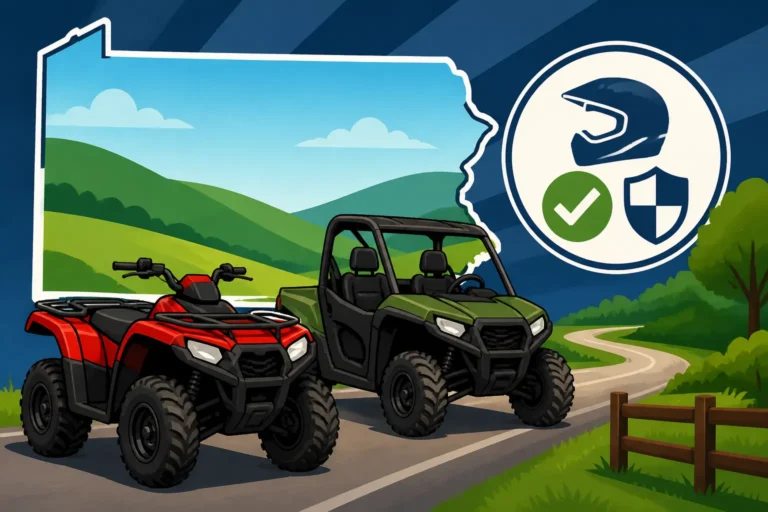
Under Pennsylvania law, any person operating an ATV or UTV on lands other than their own private property must wear a securely fastened helmet. This means if you're hitting state forest trails, local club trails, designated riding areas, or even just crossing a public road where permitted, that helmet needs to be on your head and properly secured. There's no wiggle room here; if your tires touch public or permitted riding land, the helmet needs to be in place. This is a crucial distinction, as many riders mistakenly believe that just because they're not on a highway, helmets aren't mandatory. The DCNR's regulations are quite explicit on this point.
This requirement also extends to any machines that fall under the ATV definition, whether it's a traditional four-wheeler, a youth quad, or even a side-by-side. The law prioritizes head protection for the active driver who is responsible for controlling the machine in potentially unpredictable off-road conditions.
Protecting Your Passenger: Helmet Rules for the Second Rider
It's not just the operator who needs head protection. Pennsylvania law also mandates that any passenger riding on an ATV or UTV must wear a securely fastened helmet. This rule applies under the same conditions as the operator's: whenever the machine is being operated on lands other than private property. This ensures that everyone aboard, regardless of their role, is afforded the same critical level of safety. When you're planning a group ride or taking the family out, make sure everyone in your party, especially those who will be passengers, understands and complies with this rule. For more details on carrying extra riders, you can check out [Pennsylvania Rules for a Passenger on a Quad].
The responsibility for ensuring passengers are properly helmeted often falls to the operator, who is ultimately in charge of the machine's safe operation. Imagine coming across a trail ranger at a trailhead or during a routine check; they won't just be looking at your helmet, but at every helmet on your machine. No matter how short the ride, or how smooth the trail seems, the law requires that helmet to be on and fastened.
The Age Factor: Helmet Requirements for Younger Riders
Pennsylvania takes the safety of its youngest riders very seriously. For any ATV operator under the age of 16, a DCNR-approved safety certificate is generally required to ride on public lands, and alongside that, the helmet rule is non-negotiable. Not only must they wear a helmet, but the helmet must be appropriately sized for their head. A helmet that's too big can shift around, obstruct vision, and offer less protection than one that fits snugly. For youth riders between the ages of 8 and 15, specialized training and specific machine displacements are also mandated, all designed to ensure a safe introduction to the sport. [Pennsylvania ATV Safety Certificate Requirements] and [Pennsylvania ATV Safety Certificate for Ages 8 to 15] offer further reading on this.
It's vital for parents and guardians to not only provide the correct gear but also to ensure it's worn every single time. Sometimes, kids might complain about wearing a helmet, but the potential consequences of not wearing one far outweigh any momentary discomfort. Many safety-conscious brands, including companies like SuperATV, offer a wide range of youth-specific helmets and safety gear, recognizing the unique needs of younger riders.
Exemptions and Special Circumstances
While Pennsylvania's helmet laws are quite broad, there are a few specific situations where the requirements might differ. It’s important to understand these nuances, not to find loopholes, but to ensure you’re always in compliance, whether you’re working on the farm or exploring new trails. Knowing these exceptions can prevent misunderstandings and unnecessary fines.
The Agricultural Exception to the Helmet Rule
There's a significant exception to the helmet law for those using ATVs and UTVs for agricultural purposes. If you are operating an ATV or UTV solely for business or agricultural purposes on land you own, lease, or have permission to use for such activities, you are generally exempt from the helmet requirement. This applies to activities like farming, logging, or performing maintenance around a property. This exemption recognizes the practical realities of using these machines as tools for work rather than for recreation.
However, it's crucial to understand the limits of this exception. If you finish your farm chores and then decide to take a joyride down a state trail or even a township road designated for ATVs, the helmet rule immediately kicks back in. The exemption is tied directly to the purpose of the operation and the location. So, if you're not actively engaged in agricultural or business operations on your own private land or land where you have agricultural permission, you should always wear a helmet. For more information, check out [Pennsylvania's Agricultural Exception to the Helmet Rule].
Riding on Private Land and Helmet Choices
When you're riding strictly on your own private property, or on private property where you have explicit permission from the landowner, Pennsylvania state law generally does not mandate helmet use. This offers a degree of freedom for landowners to set their own rules for their private domain. For many, this might mean a relaxed approach, especially for short trips around the yard or property.
Despite this legal exemption, common sense and safety still strongly suggest wearing a helmet, even on private land. The ground doesn't get softer, and obstacles don't disappear just because you're on private property. A fall or impact can still lead to serious injury. Many experienced riders choose to wear helmets consistently, regardless of the legal requirement, simply because they understand the inherent risks of off-road riding. It's a personal choice in this specific scenario, but one that should always prioritize safety.
Helmets and Enclosed UTVs
UTVs, or Side-by-Sides, have grown immensely in popularity, and many models now come with cabs, windshields, and even doors. This often leads riders to question whether helmets are still necessary in what feels like a more enclosed and protected environment, similar to a car. However, in Pennsylvania, if you are operating a UTV on public lands or designated trails, the helmet law still applies to both the operator and all passengers, regardless of whether the UTV has a roof, a windshield, or doors. The law makes no distinction for enclosed cabins; it simply defines the machine as an ATV or UTV and applies the rules accordingly.
While a roll cage and seatbelts offer significant protection, they are not a substitute for a helmet in Pennsylvania's eyes. Rollovers can still occur, and impacts can cause occupants to hit the interior of the vehicle or be ejected. Therefore, even in a seemingly more secure UTV, helmets remain a mandatory piece of safety gear when riding off your own private property. If you're outfitting your UTV for trail riding, look into accessories from companies like SuperATV to enhance safety, but don't forget the helmets.
Choosing the Right Helmet and Other Safety Gear
Selecting the right helmet isn't just about compliance; it's about maximizing your protection and comfort on the trail. There's a wide range of options out there, and knowing what to look for can make a big difference in your riding experience. Beyond the helmet, a full suite of safety gear works together to keep you safe from head to toe.
What Makes a Helmet 'Legal' in Pennsylvania?
For a helmet to be considered "legal" and compliant with Pennsylvania's ATV laws, it must meet specific safety standards. Generally, this means it needs to be approved by recognized safety organizations. The most common certifications you'll see are DOT (Department of Transportation) and Snell. A DOT-certified helmet means it has met the minimum safety requirements set by the federal government for motor vehicle helmets. Snell certification, often seen in higher-end helmets, signifies even more rigorous testing and performance standards.
When you purchase a helmet, always look for the DOT sticker on the back. Without this certification, even a new, well-fitting helmet might not be considered legal by a DCNR ranger or law enforcement. Beyond certification, proper fit is non-negotiable. A helmet should be snug but not uncomfortable, sit level on your head, and not move excessively when you shake your head. The chin strap should be securely fastened, allowing only a finger or two to slide underneath. Remember, an uncertified or ill-fitting helmet offers minimal protection, regardless of what the tag says.
Beyond the Helmet: Eye Protection, Gloves, and Boots
While the helmet is critical, it's just one part of a comprehensive safety ensemble. Eye protection is almost as important. Goggles or a helmet with a face shield are essential to protect your eyes from dust, debris, insects, and low-hanging branches. Imagine hitting a patch of mud or dust and losing your vision for a split second; it could lead to a serious accident. Your eyes are far too valuable to leave exposed on the trail.
Gloves offer protection for your hands from blisters, abrasions, and impacts, while also improving grip on the handlebars. Good riding boots, preferably ankle-high or taller, provide ankle support, protect your feet from impacts, and offer better grip on the footpegs, preventing your feet from slipping off during aggressive riding. Finally, long pants and long-sleeved shirts, preferably made of durable materials, will protect your skin from scrapes, sun exposure, and minor impacts. Think of it as an extra layer of armor for your entire body.
| Gear Item | Purpose | Key Features to Look For |
|---|---|---|
| Helmet | Head protection from impact, debris | DOT/Snell certification, proper fit, ventilation, secure chin strap |
| Eye Protection | Protects eyes from dust, debris, sun, branches | Anti-fog, scratch-resistant, wide field of vision, secure fit with helmet |
| Gloves | Hand protection, improved grip, shock absorption | Durable material, reinforced knuckles, good dexterity, snug fit |
| Boots | Ankle support, foot protection, grip on pegs | Over-the-ankle height, sturdy sole, impact protection, waterproof options |
| Long Pants | Leg protection from abrasions, branches, sun | Durable fabric (denim, riding pants), comfortable for movement |
| Long-Sleeved Shirt/Jacket | Arm/torso protection from scrapes, sun, elements | Durable fabric, ventilation, elbow/shoulder padding (optional) |
Gear for Different Riding Conditions and Seasons
The type of gear you choose might also depend on the specific riding conditions and the time of year. Summer riding calls for gear that offers good ventilation to prevent overheating, while still providing ample protection. Lightweight, moisture-wicking materials can make a significant difference in comfort during hot Pennsylvania summers. For winter riding, the focus shifts to warmth and waterproofing. Layering is key, and insulated gloves, boots, and a warm jacket are essential to combat the cold. [Pennsylvania Trails That Reopen for Winter] might mean you'll be riding in colder conditions.
Muddy conditions necessitate waterproof gear and potentially extra layers of protection against splashes. Rocky trails might call for more robust knee and elbow pads. The versatility of your riding gear should adapt to the diverse environments Pennsylvania offers. Companies like SuperATV understand this need for adaptable gear, offering various products designed to handle different climates and terrains, ensuring you're prepared for whatever the trail throws at you. Investing in versatile gear will enhance your enjoyment and keep you safer throughout the year.
Penalties for Non-Compliance and Enforcement
Ignoring Pennsylvania's helmet laws isn't just a matter of personal risk; it's a legal infraction that can come with real consequences. Understanding these penalties and how the rules are enforced can help motivate riders to always prioritize safety and compliance. It's far better to be prepared and compliant than to face a fine or, worse, suffer a preventable injury.
Understanding the Fines for Riding Without a Helmet
If you or your passenger are caught riding an ATV or UTV without a helmet where one is legally required in Pennsylvania, you can expect to face a citation. While I can't provide specific dollar amounts, these fines are not insignificant and are designed to deter non-compliance. A ticket for a helmet violation can quickly add an unwelcome expense to your day of riding. This penalty applies whether it's the operator or a passenger who is unhelmeted, holding the operator largely responsible for ensuring all occupants are in compliance.
Beyond the initial fine, there can be additional costs associated with the citation, such as court fees or "cost of prosecution," which can further inflate the total expense. It’s not just a slap on the wrist; it’s a financial hit that could have been easily avoided by simply putting on the correct head protection. These fines are part of a broader set of regulations aimed at ensuring safe off-road recreation, similar to other penalties outlined in [Pennsylvania Fines for Riding Illegally].
How Enforcement Happens on Pennsylvania Trails and Roads
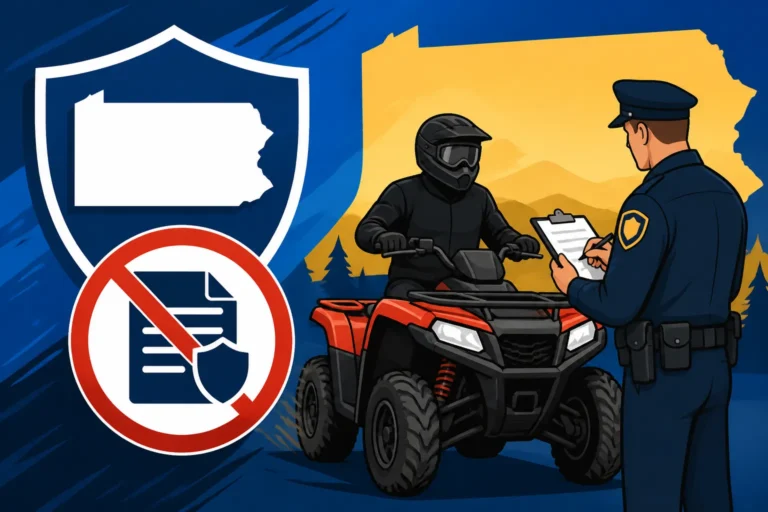
Enforcement of ATV and UTV laws, including helmet requirements, is typically carried out by DCNR rangers, Pennsylvania State Police, and sometimes local law enforcement in areas where ATVs are permitted. These officials conduct routine patrols on designated state trails, in state forests, and at trailheads. It's not uncommon to encounter a ranger checking for registration, permits, and proper safety gear, including helmets, during your ride. Checkpoints are also a common sight, especially on busy weekends or at popular riding areas.
Furthermore, if you're riding a designated [Pennsylvania's Designated ATV Roads] or crossing a public road where permitted, local police or state troopers might also be on the lookout for violations. They are empowered to enforce these laws, even if their primary focus is typically on highway traffic. The expectation is that you know and follow the rules, and ignorance is not considered a valid excuse. A simple roadside check can quickly turn into a citation if helmets aren't worn.
The Ripple Effect: Insurance, Liability, and Your Wallet
Beyond the immediate fines, failing to comply with helmet laws can have far-reaching implications, particularly concerning insurance and liability. If you're involved in an accident while riding without a legally required helmet, your insurance company might deny or reduce coverage for your injuries or damages. Many ATV insurance policies stipulate that the operator must comply with all state laws for coverage to remain valid. [Pennsylvania ATV Insurance Requirement] is critical for all riders.
Furthermore, if you are injured while not wearing a helmet, and it can be proven that the lack of a helmet contributed to the severity of your injuries, it could significantly impact any personal injury claims you might try to make. You could be found partially or wholly at fault for your own injuries, even if another party was initially responsible for the accident. This is known as contributory negligence, and it means that an already unfortunate incident could become even more financially devastating. Investing in a helmet is not just about avoiding a ticket; it's about protecting yourself legally and financially in the long run.
Promoting a Culture of Safety on Pennsylvania Trails
While regulations are important, creating a genuinely safe riding environment goes beyond simply adhering to the law. It requires a collective commitment from every rider to embrace a culture of safety, educate others, and support the initiatives that make our trails enjoyable and secure for everyone. We all have a role to play in fostering responsible riding habits.
Leading by Example: Rider Responsibility
As experienced riders, we have a responsibility to lead by example. This means always wearing your helmet, ensuring your passengers are helmeted, and generally riding safely and respectfully. When newer riders, especially youth, see experienced individuals consistently following safety protocols, it reinforces the importance of these practices. A seasoned rider who dismisses helmet laws sends the wrong message, potentially encouraging unsafe behavior in others. Your actions speak louder than any lecture.
Beyond helmets, leading by example also means maintaining your machine, riding within your skill level, respecting trail etiquette, and being mindful of other trail users. [Pennsylvania Trail Etiquette on Narrow Trails] is a good resource here. It’s about being a good steward of the trails and a responsible member of the riding community. Our collective behavior shapes the public perception of ATV and UTV enthusiasts, and a strong safety record helps ensure continued access to the incredible riding opportunities Pennsylvania offers.
Educating New Riders and Passengers
Many people get into ATV and UTV riding without fully understanding all the rules or safety best practices. It's up to us, as a community, to help educate them. If you're taking a new passenger out for the first time, take a few minutes before the ride to explain why helmets are necessary, how to wear them correctly, and what to expect on the trail. For new operators, encouraging them to take a safety course, even if not legally required for their age, is always a great idea.
Sharing reliable resources, like information from the DCNR or reputable organizations, can empower new riders to make informed safety choices. Sometimes, a friendly reminder from an experienced peer goes a long way. This proactive approach to education is vital for reducing accidents and ensuring that everyone can enjoy the sport safely. It's about mentorship and building a stronger, more safety-conscious riding community.
Supporting Organizations That Advocate for Rider Safety
Numerous clubs, associations, and state agencies in Pennsylvania work tirelessly to promote ATV and UTV safety, advocate for rider rights, and maintain our cherished trail systems. Supporting these organizations, whether through membership, volunteering, or simply following their guidelines, directly contributes to a safer riding environment for everyone. These groups often organize safety courses, maintain trails, and lobby for sensible regulations that balance access with safety.
When you see a group like the DCNR or a local ATV club posting about helmet safety or proper riding techniques, remember that their goal is to keep you and your fellow riders safe. Engaging with these groups, attending their events, and staying informed about their initiatives helps strengthen the entire off-road community. Together, we can ensure that Pennsylvania remains a fantastic and safe place to enjoy ATV and UTV riding for generations to come.
Disclaimer
This article is for general informational purposes only and does not constitute professional advice. Laws, prices and regulations vary by location and change over time. Consult a qualified professional for guidance on your specific situation.