Pennsylvania Rules for a Passenger on a Quad
Many of us who love the thrill of ATV riding in Pennsylvania want to share that experience with friends and family. However, the open road – or, more accurately, the open trail – comes with specific rules, especially when you're thinking about bringing a passenger along. It’s not as simple as just hopping on and going; Pennsylvania has very clear regulations designed to keep everyone safe. This guide will walk you through the nuances of Pennsylvania's ATV passenger laws, helping you understand when, where, and how you can legally and safely share your quad adventures.
Understanding Pennsylvania's Passenger Rules for ATVs
Navigating the rules for carrying a passenger on an ATV in Pennsylvania can feel a bit like trying to read a mud-splattered trail map. You might see other riders with passengers and assume it's always okay, but the truth is far more nuanced. Pennsylvania's Department of Conservation and Natural Resources (DCNR), which oversees ATV registrations and trail rules, has specific guidelines that prioritize safety above all else. These aren't just suggestions; they're enforceable laws designed to prevent accidents and injuries.
What the Law Says About Passengers
At its core, Pennsylvania law states that an ATV is generally designed for a single operator. This means that if your ATV came from the factory with only one seat, it's typically intended for one person only. The law is quite explicit about the dangers of overloading a machine or having a passenger in an unsafe position. It's about maintaining the ATV's balance, control, and overall safe operation. When you add a passenger to a single-rider machine, you fundamentally alter its weight distribution and handling characteristics, making it harder to steer, brake, and maneuver, especially on challenging terrain.
Imagine trying to navigate a tight, rocky section of trail on your single-seater quad with a passenger perched precariously behind you. The machine, which you know like the back of your hand when you're riding solo, suddenly feels alien. The suspension might bottom out, the front end might lift unexpectedly on climbs, or you might struggle to keep the tires on the ground during descents. These are the kinds of scenarios the DCNR rules aim to prevent. The law wants to ensure that every rider, and every passenger, has the safest experience possible, and that often means sticking to the manufacturer's intended design.
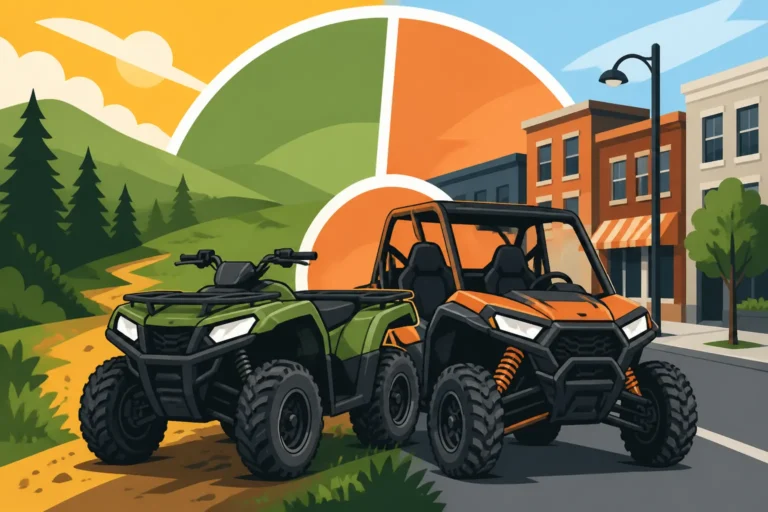
It's also important to differentiate between an ATV and a UTV (Utility Task Vehicle, often called a side-by-side). While this article focuses on ATVs, UTVs are designed from the ground up to carry multiple passengers, with dedicated seating and safety features like seatbelts and roll cages. The rules for [Pennsylvania Rules for a UTV on a Road] are distinct because the machines themselves are fundamentally different in their design and capability for carrying multiple people. For ATVs, the primary design is for a single rider, and any deviation from that requires careful consideration of the law.
Why These Rules Are So Strict
The strictness of Pennsylvania's passenger rules for ATVs isn't arbitrary; it's rooted in a deep understanding of ATV dynamics and accident statistics. ATVs, by their nature, are high-performance machines ridden in challenging environments. They require significant body english, weight shifts, and active control from the operator to navigate obstacles, corners, and changes in terrain. Introducing a passenger, especially one who isn't actively involved in manipulating the machine's balance, significantly increases the risk of a rollover or loss of control.
Think about the physics involved: a sudden turn or an unexpected bump on the trail can easily throw an unbraced passenger off balance, which in turn throws the entire machine off balance. The operator then has to compensate not just for the terrain, but also for the shifting weight of their passenger. This can be incredibly difficult, even for experienced riders. The DCNR prioritizes these rules because accidents involving passengers often result in more severe injuries, as the passenger is typically less prepared to brace for impact and may not have the same level of protection as the operator.
The goal is to keep our trails fun and safe for everyone. Nobody wants a day of adventure to end in a trip to the emergency room. These rules are a proactive measure to ensure that riders consider the inherent risks and make responsible choices about who and how they carry on their machines. It's about fostering a culture of safety on the trails, protecting not just the operator, but every individual who ventures out on a quad.
Specific Machine Requirements for Carrying a Passenger
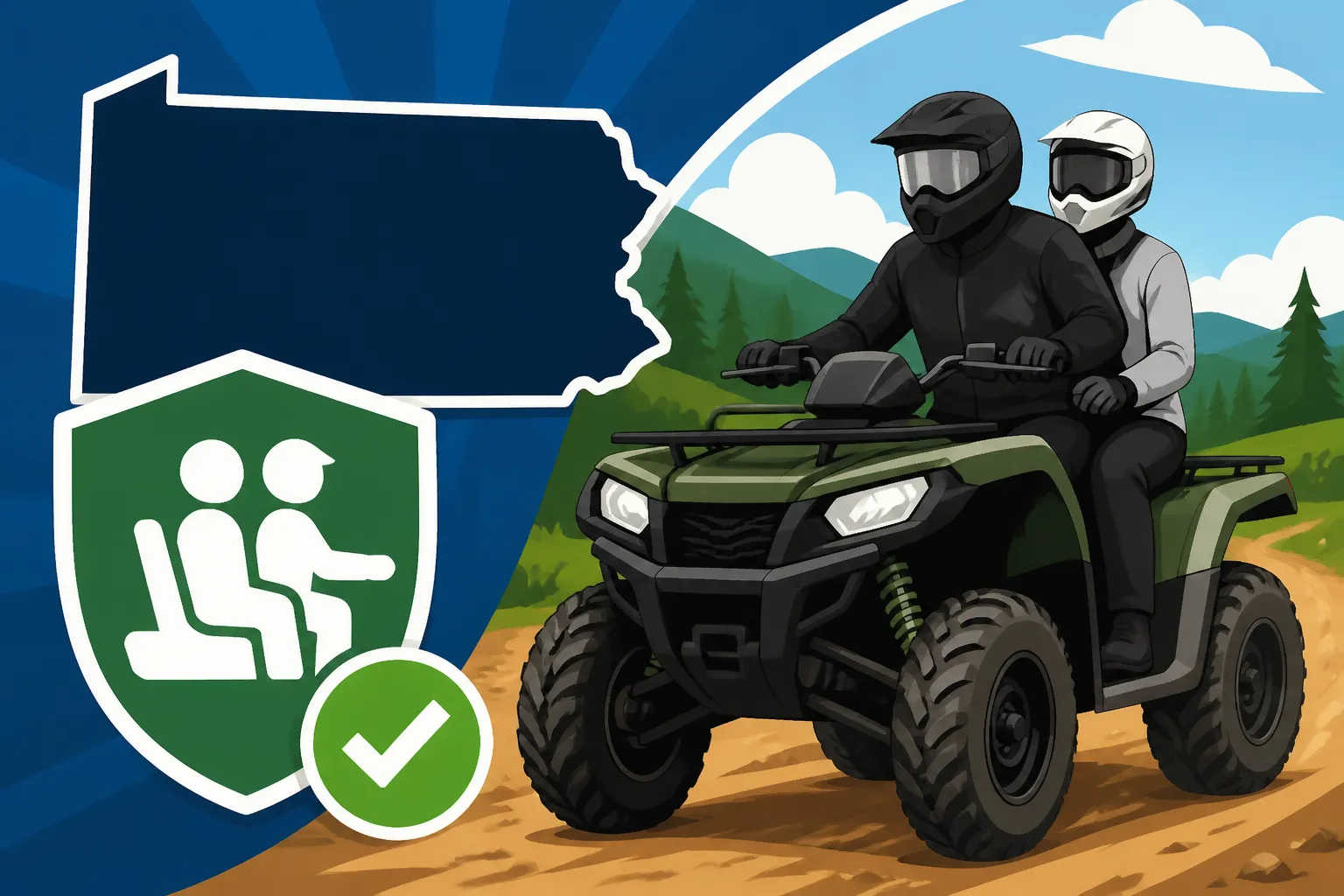
So, what kind of machine can legally carry a passenger in Pennsylvania? The key phrase here is "designed by the manufacturer to carry more than one person." This means the ATV must have factory-installed features specifically for a passenger. We're talking about a dedicated passenger seat, not just an extended cargo rack or a cushion strapped to the back fender. These machines, often referred to as "two-up" ATVs, are built with a longer wheelbase, heavier-duty suspension, and often more powerful engines to safely handle the additional weight.
Furthermore, a passenger-ready ATV will also feature grab handles or handholds for the passenger to securely hold onto, and often separate footrests. These features are critical for the passenger to maintain their balance and stability, especially when riding over rough terrain or during maneuvers. If your ATV doesn't have these components from the factory, attempting to add aftermarket seats without the corresponding chassis and suspension modifications won't magically make it street legal for two. While companies like SuperATV offer a wide range of accessories, including racks and storage, remember that structural modifications for passenger seating must meet legal and safety standards beyond just bolting on a seat.
Modifying a single-seat ATV to carry a passenger is generally not recommended and often not legal for public or DCNR-managed trails. If your ATV was built as a one-seater, trying to make it a two-seater through aftermarket add-ons could expose you to significant liability in the event of an accident, and could also result in fines or citations if you're caught riding with an unauthorized passenger. Always check your ATV's owner's manual and the manufacturer's specifications to confirm its passenger-carrying capabilities before even thinking about bringing a second person along. This ensures you're aligning with both the law and safe operating practices.
Age and Supervision Requirements for ATV Passengers
When you're considering bringing a passenger on your two-up ATV, age isn't just a number; it's a critical factor in Pennsylvania's safety regulations. The state has specific rules about minimum ages for both operators and passengers, recognizing that younger individuals may lack the physical development, coordination, and judgment necessary for safe ATV riding, whether they're driving or just along for the ride. These rules are put in place to protect our most vulnerable riders and to ensure that anyone on an ATV is capable of handling the demands of the trail.
Minimum Age for an ATV Passenger
Pennsylvania's DCNR states that a passenger on an ATV must be at least eight years old. This isn't just a random number; it's based on safety considerations for younger individuals. At this age, children generally have developed better core strength, balance, and the ability to follow instructions and hold on securely, which are all vital for maintaining safety on an ATV designed for two. A child younger than eight simply won't have the physical maturity to safely absorb the bumps and shifts of ATV riding, even as a passenger, increasing their risk of injury.
Beyond the legal minimum, common sense and a realistic assessment of the child's individual capabilities should always come first. A child might be eight years old, but if they are small for their age, easily distracted, or prone to wiggling, they might not be ready for the unique challenges of being an ATV passenger. You, as the operator, are responsible for their safety. It's crucial to have a serious conversation with any potential young passenger about what to expect, how to hold on, and the importance of remaining still and following directions while the machine is in motion. You should also ensure they are properly equipped with all required safety gear, just as if they were riding their own machine. For a deeper dive into youth riding, you might want to read [Pennsylvania Rules for a Child Passenger].
When an Adult Must Supervise a Young Rider
For operators under the age of 16, Pennsylvania law requires direct adult supervision, and this often extends to situations involving young passengers as well. While the primary focus of supervision rules is on the operator, if a youth is operating a two-up ATV with another young person as a passenger, the supervision rules become even more critical. The adult supervisor must be readily available to provide instruction or assistance, and often means being in close proximity, either on another ATV or, in some cases, even riding on the same machine if the machine is designed for three and the adult is the primary operator.
The presence of a responsible adult provides an invaluable layer of safety, especially when there's a child passenger involved. An adult can monitor the child's comfort and alertness, communicate with them about the ride, and ensure they are maintaining a secure position. This supervision isn't just about preventing accidents; it's also about teaching safe riding practices and instilling good habits from a young age. The DCNR emphasizes safety education, and having an experienced adult guide younger riders and passengers through proper techniques is a cornerstone of that mission.
It's also worth noting that anyone operating an ATV on DCNR-managed lands who is under 16 must possess a valid ATV Safety Certificate. While this specifically applies to operators, ensuring everyone on the machine understands basic safety is paramount. Learning more about [Pennsylvania ATV Safety Certificate Requirements] can illuminate the comprehensive approach the state takes to rider education and safety.
Ensuring Safety for All Ages
Regardless of age, ensuring the safety of your passenger boils down to preparation, communication, and a clear understanding of your machine's limits. For adult passengers, while there isn't a minimum age restriction beyond the operator's decision, they still need to be physically capable of riding securely and be able to hold on. A passenger who is impaired, has mobility issues, or simply isn't comfortable on an ATV poses a risk to themselves and the operator.
Before you even leave the staging area, have a brief safety talk. Explain where to hold on, how to lean (or not lean) into turns, and what to do if you hit a bump. Establish a signal for them to let you know if they need you to slow down or stop. This open communication is vital for building trust and ensuring a smooth, enjoyable ride. Remember, their experience largely depends on your careful operation and attention to their comfort.
Always consider the terrain you plan to cover. If you're heading to an area known for extremely technical or aggressive riding, it might not be the best choice for carrying a passenger, even on a two-up machine. Save those gnarly trails for solo runs. The goal is to share the joy of the ride, not to scare your passenger or put them in undue danger. A great ride is one where everyone comes back smiling and in one piece.
Required Safety Gear for ATV Passengers
Just like the operator, an ATV passenger in Pennsylvania must wear specific safety gear. This isn't optional; it's a legal requirement designed to protect them from serious injury in the event of an accident. Falling off an ATV, even at low speeds, can result in significant scrapes, bruises, and more severe trauma if unprotected. The right gear acts as your first line of defense, absorbing impacts and preventing cuts and abrasions from trail debris.
Mandatory Helmet Use for Passengers
Pennsylvania law is unequivocal: anyone riding an ATV, whether as an operator or a passenger, must wear a securely fastened helmet. This is one of the most critical pieces of safety equipment you can wear, and its importance cannot be overstated. A helmet is designed to protect your brain from impact injuries, which can be devastating and life-altering. The DCNR specifies that helmets must be approved by the Department of Transportation (DOT) or meet other recognized safety standards. Look for the DOT sticker on the back of the helmet as proof of its compliance.
Ensuring your passenger has a properly fitting helmet is just as crucial as ensuring they have one at all. A helmet that is too loose can shift around during a ride, obstructing vision or even coming off in a crash. A helmet that is too tight can be uncomfortable and distracting. Take the time to measure your passenger's head and select a helmet that fits snugly without causing painful pressure points. This is not the place to skimp or make do with ill-fitting hand-me-downs. When you understand [Pennsylvania Helmet Law for Passengers], you realize it's a non-negotiable part of riding. For operators, the rules are similarly strict, as detailed in [Pennsylvania Helmet Law for ATV Riders].
Eye Protection: Beyond Just Comfort
Beyond a helmet, eye protection is another non-negotiable safety item for ATV passengers in Pennsylvania. This can come in the form of goggles or a face shield that's part of a full-face helmet. The reason for this requirement is simple: the trail environment is full of hazards that can easily damage your eyes. Dust, dirt, flying rocks, branches, and insects are constantly being kicked up by your own machine or those ahead of you. Even a small piece of debris hitting your eye at speed can cause severe injury or, at the very least, make you lose focus and put both you and your passenger at risk.
Proper eye protection doesn't just shield your eyes from physical objects; it also helps protect against wind, which can cause eyes to water and blur vision, especially at higher speeds. Clear, unobstructed vision is paramount for safety, allowing the passenger to see and anticipate terrain changes and enjoy the scenery. Make sure the goggles or face shield are clean and free of scratches, as impaired vision is a significant safety hazard. Some riders also prefer tinted lenses for bright, sunny days, but always carry clear lenses for low-light conditions or when riding through heavily wooded areas.
Appropriate Clothing for ATV Passengers
While not strictly defined by law in the same way as helmets and eye protection, wearing appropriate clothing is a vital component of passenger safety and comfort on an ATV. We're talking about long sleeves, long pants, and over-the-ankle boots. This kind of clothing provides a crucial barrier between your passenger's skin and the various hazards of the trail. Branches, thorns, engine heat, mud, and flying debris are all common occurrences on an ATV ride, and exposed skin is highly vulnerable.
Gloves are also highly recommended for passengers. They not only protect hands from scrapes and blisters but also provide a better grip on the machine's handholds. The material of the clothing matters too; durable fabrics like denim or specialized riding gear offer better protection than flimsy shorts or t-shirts. Footwear should be sturdy boots, not open-toed shoes or sneakers, as they protect feet from impacts, crushing injuries, and provide grip on footrests. Investing in proper riding gear, or at least ensuring your passenger is dressed appropriately, can significantly reduce the risk of injury and make the ride much more enjoyable. Think of it as investing in your safety and comfort for a better overall experience out on the beautiful Pennsylvania trails.
Passenger Rules on Different Types of Pennsylvania Land
Pennsylvania's ATV rules, including those for passengers, can vary slightly depending on where you're riding. A private property might have different guidelines than a state forest trail, and a designated joint-use road has its own set of regulations. Understanding these distinctions is crucial to staying legal and safe, preventing an unexpected fine or a confrontation with authorities. It's not a one-size-fits-all approach, and what's permissible in one location might be strictly forbidden in another.
State Forest and DCNR Designated Trails
For most ATV enthusiasts in Pennsylvania, state forest trails and DCNR-designated riding areas are the primary destination. These are the vast networks of trails specifically managed and maintained for off-road vehicle use, such as those found at Whiskey Springs or Bloody Skillet. On these trails, the DCNR regulations for passengers are strictly enforced. As discussed, your ATV must be specifically designed by the manufacturer to carry a passenger, meaning it's a "two-up" machine with a dedicated seat, grab handles, and separate footrests.
Riding a single-seat ATV with a passenger on a DCNR trail is generally prohibited, even if you've added some aftermarket cushions or extended racks. Rangers and trail monitors are vigilant about ensuring compliance, and they will check machines for proper registration, safety certificates (for youth operators), and adherence to passenger rules. A violation can result in a citation and fines. The spirit of these rules on public lands is to manage risk for everyone enjoying the outdoors. To explore more about these spaces, checking out [Pennsylvania Rules for Riding a State Forest Road] can offer greater context on the general operating procedures.
Beyond the machine itself, remember that all passengers must meet the minimum age requirement (8 years old) and wear the mandatory safety gear, including a DOT-approved helmet and eye protection. These are non-negotiable requirements for any DCNR-managed trail. The DCNR trails are fantastic resources, and following their rules ensures they remain open and safe for all riders for years to come.
Private Property and Landowner Permission
When it comes to riding on private property, the rules can be a bit different, but they don't necessarily give you a free pass for unsafe practices. On your own land, or on land where you have explicit permission from the landowner, the state's DCNR registration and safety certificate rules might not apply directly unless you are crossing public roadways to access the property. However, the basic safety principles regarding passengers still hold true. Legally, the landowner sets the rules for their property, but they are also exposed to liability if an accident occurs due to negligence.
Even on private land, it is strongly advised to adhere to the manufacturer's recommendations for your ATV regarding passengers. If your ATV is a single-seater, trying to ride with a passenger, even in your own backyard, significantly increases the risk of an accident. If an injury occurs, especially to a minor, the legal ramifications can be severe, regardless of whether it happened on public or private land. Common sense and safety should always be your guide.
If you are riding on someone else's private property, make sure you have explicit, written permission. The landowner's rules regarding passengers, youth riders, and safety gear should be discussed and understood beforehand. While the DCNR won't be enforcing fines on private property, your own personal responsibility and the potential for liability still mean you should operate your ATV safely and only with the appropriate number of riders for your machine's design.
Designated Joint-Use Roads and Borough Streets
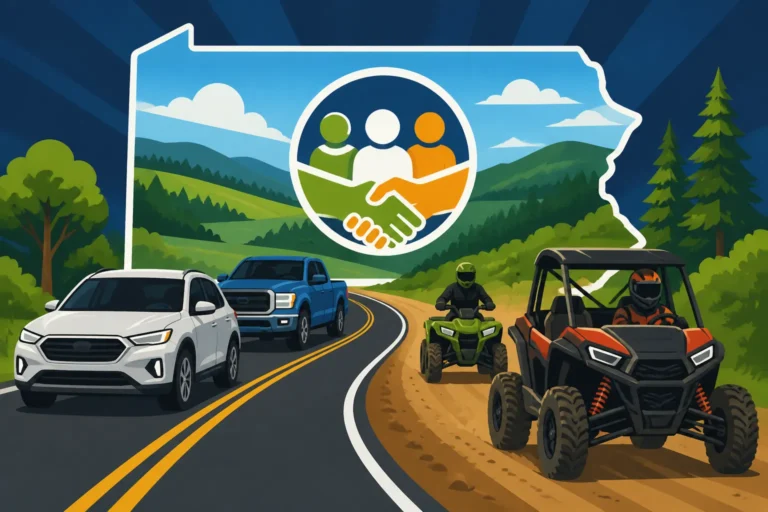
Pennsylvania has a limited number of designated joint-use roads and borough streets where ATVs are permitted. These are typically smaller, rural roads that have been specifically opened by local municipalities or the DCNR to connect trails or allow access to services. When riding on these designated roads, ATVs are generally subject to more stringent regulations, often mirroring some of the rules for highway vehicles, although ATVs are not street legal in Pennsylvania in the traditional sense. Understanding [Pennsylvania Joint-Use Road Rules] is essential here.
The passenger rules on these designated roads usually align with the general DCNR regulations: only ATVs specifically designed by the manufacturer for multiple riders are permitted to carry a passenger. The age requirements and mandatory safety gear (helmet, eye protection) remain in full effect. Additionally, speed limits, lighting requirements, and other specific traffic laws for these roads must be obeyed. Law enforcement, whether state police or local authorities, can and will enforce these rules on designated roads.
Riding with an unauthorized passenger on a single-seat ATV on a joint-use road is a sure way to incur a fine. The increased exposure to other vehicles and pedestrians on these roads makes strict adherence to passenger limits even more critical. These roads are opened as a privilege for riders, and maintaining that privilege means demonstrating responsible and safe operating practices at all times.
Addressing Common Passenger-Related Riding Scenarios
Even with the rules laid out, real-world riding often presents specific questions and dilemmas when it comes to passengers. It's easy to assume certain situations are okay, but a deeper look reveals why strict adherence to passenger limits and safety guidelines is always the best approach. Let's tackle some common scenarios you might encounter.
Carrying a Child on a Utility ATV
Many folks have a utility ATV, often a workhorse for chores around the property, and they might think, "Well, it's bigger, so it must be okay for my child to ride along." This is a dangerous misconception. While utility ATVs might have a larger frame or a more robust cargo rack, if they are designed as single-operator machines from the factory, they are not intended to carry passengers. The cargo racks are for gear, not people, and are not designed to support the shifting weight of a child.
Even if a child is small and seems to fit, their presence on a single-seat utility ATV compromises the machine's balance and handling. On rough terrain, a child can easily be bounced off or fall, leading to serious injury. Furthermore, the heat from the engine or exhaust, or proximity to moving parts, can pose additional risks to a passenger not seated in a designated, protected area. If you want to ride with your child, the safest and legal option is to invest in a two-up ATV specifically designed for that purpose, or a UTV. Remember, even with aftermarket modifications like "buddy seats," if the machine wasn't designed for it, you're taking a significant risk. Companies like SuperATV specialize in durable accessories, but they also emphasize proper fitment and safe use, which means respecting your machine's original design limits for passenger transport.
When Your ATV Isn't Designed for Two
This is perhaps the most common passenger-related problem. You have a standard sport or utility quad, designed for one rider, and a friend or family member wants to join you. It's tempting to say yes, especially for a short, seemingly harmless ride. However, as established, if your ATV isn't a factory two-up model, it's simply not safe or legal to carry a passenger. The consequences of doing so can be severe, ranging from a hefty fine to a serious accident.
An ATV's engineering is precise. Its suspension, steering geometry, and braking system are all calibrated for the weight and dynamics of a single operator. Adding a second person places undue stress on these components and drastically alters the machine's center of gravity. This can make the ATV prone to rollovers, especially on inclines, declines, or during sharp turns. Braking distances can also increase significantly. When riding off-road, these factors can quickly turn a fun outing into a dangerous incident. It's far better to explain the safety and legal reasons to your eager passenger and offer to let them ride a separate, appropriately sized machine, or to ride on another day when you have access to a two-up ATV or UTV.
A friendly but firm "no" is always the right answer when your machine isn't designed for two. Explain that you value their safety too much to risk it. This not only keeps everyone safe but also demonstrates your responsibility as an ATV operator. You can find more specific guidance on this by checking out [Pennsylvania Rules for Carrying a Passenger].
What to Do If You're Cited for a Passenger Violation
Getting a citation on the trails can certainly put a damper on your day, and a passenger violation is a serious offense in Pennsylvania. If a DCNR ranger or law enforcement officer stops you and issues a citation for carrying an unauthorized passenger, or for a passenger not wearing proper gear, it's important to understand the process. Typically, you'll receive a written citation that outlines the specific violation and the associated fine. It's usually a summary offense, similar to a traffic ticket.
Your options generally include paying the fine, which is an admission of guilt, or pleading not guilty and appearing in court to contest the charge. If you choose to contest, you'll need to present your case to a district judge. It's highly advisable to understand the specific statute you're accused of violating and to gather any evidence that might support your defense. However, if the facts are clear—for instance, you were riding a single-seat ATV with a passenger on a DCNR trail—contesting the ticket might be an uphill battle. Ignoring the citation, however, is never an option, as it can lead to more serious legal consequences, including license suspension or warrants.
The fines for ATV violations in Pennsylvania can be substantial. For example, [Pennsylvania Fines for Riding Illegally] can start at a base amount and increase for repeat offenses. In some cases, such as a [Pennsylvania ATV Fines for a Second Offense], the penalties become even more severe. Beyond the immediate financial cost, a citation serves as a reminder of the critical importance of adhering to safety regulations. It's a call to review your riding habits and ensure that all future excursions are conducted safely and legally, protecting yourself, your passengers, and the integrity of Pennsylvania's fantastic trail system.
Disclaimer
This article is for general informational purposes only and does not constitute professional advice. Laws, prices and regulations vary by location and change over time. Consult a qualified professional for guidance on your specific situation.