Pennsylvania Joint-Use Roads and Who Shares Them
One of the biggest head-scratchers for ATV and UTV riders in Pennsylvania is figuring out exactly where it's legal to ride. You've got state forest trails, private parks, and, of course, your own land. But what about all those township roads and borough streets that seem to connect everything? It's a common frustration to want to link up trails or grab a bite in a small town, only to be unsure if you're breaking the law. This guide is here to clear up that confusion, diving deep into Pennsylvania's joint-use road system, explaining what these roads are, how to spot them, and how to safely and legally share them with everyone else.
Understanding Pennsylvania's Joint-Use Road System
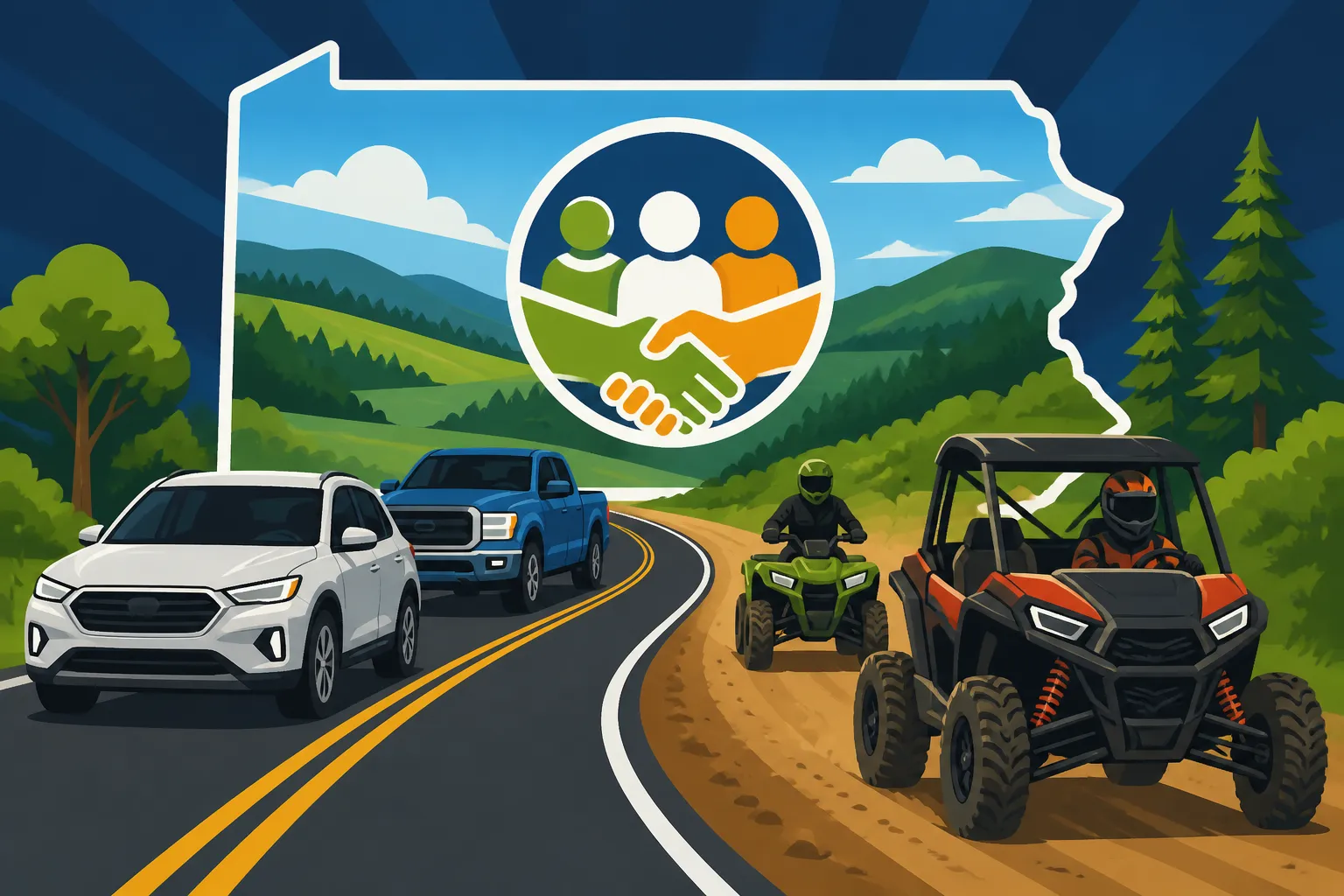
Pennsylvania has a fantastic network of ATV and UTV trails, but they're not always perfectly contiguous. Sometimes, you need to use a public road for a short stretch to get from one trail section to another, or to access a staging area, gas station, or a local eatery. This is where the concept of "joint-use roads" comes into play, offering a limited, but crucial, way for off-road enthusiasts to navigate beyond designated trail systems.
What Exactly Is a Joint-Use Road?
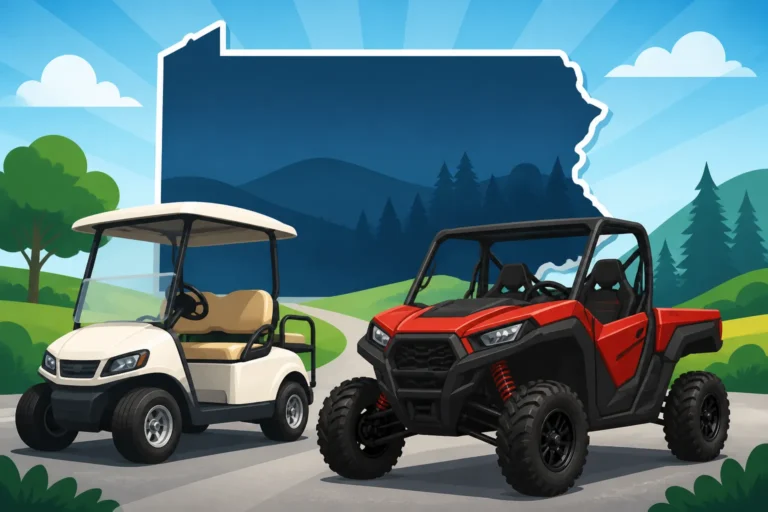
Think of a joint-use road as a regular public road – usually a township road or sometimes a borough street – that has been specifically opened up to legal ATV and UTV traffic in addition to cars, trucks, and other vehicles. It's not just any old road you decide to ride down; it has to be officially designated for joint use. The Pennsylvania Department of Conservation and Natural Resources (DCNR) works with local municipalities to establish these routes. The primary purpose isn't to create endless miles of road riding, but rather to create vital links. These links allow riders to connect segments of trail, reach trailheads more easily, or even pop into a small town for supplies, supporting local businesses along the way. Without these designated sections, many trail systems would feel isolated, forcing riders to trailer their machines for short distances between open areas, which defeats the purpose of exploring. This legal framework is what makes [Pennsylvania's Designated ATV Roads] so valuable.
Distinguishing Joint-Use from Other Public Roads
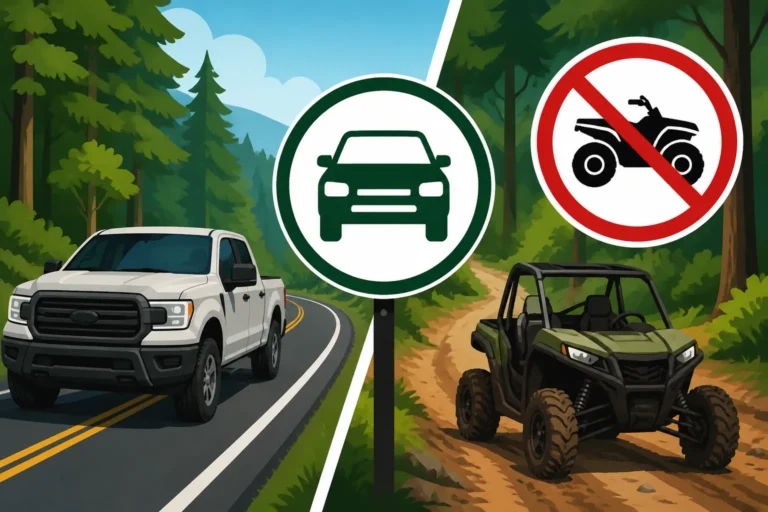
Knowing the difference between a designated joint-use road and any other public road is absolutely paramount to staying legal and safe. You can't just assume any paved or gravel road is open to your quad or side-by-side. The most critical indicator, and one you should always be looking for, is the official green sign. This sign clearly marks the road as an ATV route, and if you don't see it, assume the road is closed to ATV and UTV traffic. State routes, like those maintained by PennDOT, are almost universally not open to ATVs, except for very specific, designated crossings or limited sections. Don't confuse a joint-use township road with a state highway. While you might encounter a specific spot where [Pennsylvania Rules for Crossing a State Route] apply, that's different from continuous riding on the state road itself. These distinctions highlight a key point: while a joint-use road allows you to access certain areas, it's not a green light for unrestricted road riding. The access is limited and specific, designed for connectivity rather than as a primary riding destination.
Identifying and Locating Joint-Use Roads for Your Ride
Riding legally on Pennsylvania's joint-use roads starts with knowing where they are. It’s not about guessing or following other riders who might be misinformed; it’s about relying on official information and clear visual cues. Getting this right is crucial, not just for avoiding fines, but for planning a safe and enjoyable trip.
How to Spot a Designated Joint-Use Road
The most important, unmistakable sign that you're on a joint-use road in Pennsylvania is the presence of a specific green sign. These signs aren't small or obscure; they're designed to be clearly visible and typically state "ATV Route" or similar wording, often with a directional arrow. They might also include specific mileage or destination information. If you don't see one of these signs, you should consider the road closed to ATV and UTV traffic, regardless of what a map or another rider might suggest. Think of [The Green Sign on a Pennsylvania Township Road] as your definitive green light. Beyond the physical signs, DCNR provides official maps and resources that pinpoint these routes. Many local townships also publish maps or resolutions detailing their open roads. Lastly, in our modern age, many dedicated ATV/UTV GPS devices and smartphone apps are updated with legal riding areas. Always cross-reference multiple sources if you're unsure, especially if you're venturing into a new area.
Navigating Maps and Digital Resources
The DCNR website is your primary official source for information on where you can legally ride in Pennsylvania, including a comprehensive list of [Pennsylvania Designated ATV Road List]. They often have interactive maps or downloadable PDFs that highlight approved routes. It’s a good habit to check these resources before heading out, especially if local regulations might have changed. Additionally, don't overlook local government websites. Township supervisor offices are the ones who vote to open these roads, and their websites (or a quick phone call) can confirm current designations. Many local ATV clubs are also fantastic resources, often having the most up-to-date, on-the-ground knowledge of local roads and trail conditions. These clubs frequently work directly with municipalities and DCNR, so their information is usually very reliable. Before you hit the road, make it a point to consult these resources; a little research can save you a lot of trouble.
Rules and Responsibilities for ATV & UTV Riders on Joint-Use Roads
Riding on a joint-use road isn't like tearing up a private trail. You're sharing the pavement (or gravel) with everything from passenger cars to school buses. This means that you, as an ATV or UTV operator, carry significant responsibilities to ensure your safety and the safety of everyone else on the road. It’s not just about following the law; it’s about being a courteous and responsible citizen.
Essential Riding Rules and Regulations
First and foremost, speed limits are not suggestions; they are strict mandates. Joint-use roads often have lower speed limits than typical highways, and you must adhere to them. Your ATV or UTV might feel nimble, but it's generally less stable and visible than a car at higher speeds. Pennsylvania has strict [Pennsylvania Helmet Law for ATV Riders] – if you're on a joint-use road, your helmet must be on and properly fastened, no exceptions. This is for your own protection in the event of an accident. Equally critical is insurance. [Pennsylvania ATV Insurance Requirement] mandates that you carry proof of liability insurance when operating your machine off your own private property, and that absolutely includes joint-use roads. Without it, you could face hefty fines and serious financial liability in an incident.
Visibility is key, especially when you're smaller than most other vehicles. Ensure all your lights are functioning correctly – headlights, taillights, and brake lights – and use them, even during the day. Consider adding turn signals if your machine doesn't have them, as clear communication of your intentions is vital. For those looking to maximize their visibility, companies like SuperATV offer a range of aftermarket lighting upgrades, from brighter LED headlights to auxiliary light bars, which can be a game-changer when you're sharing the road, making sure you stand out to oncoming and following traffic alike.
Safe Practices for Shared Roadways
When you're on a joint-use road, you're expected to operate your ATV or UTV with the same care and adherence to traffic laws as any other vehicle. This means maintaining your lane, staying to the right, and certainly not weaving in and out of traffic or performing stunts. Always give priority to cars and trucks; they are typically faster and have less maneuverability for quick reactions if you make an unexpected move. Yield the right-of-way as you would in a car, especially at intersections or when merging.
Dust can be a major issue on unpaved joint-use roads. Be incredibly mindful of how much dust your machine is kicking up, especially if you're following other vehicles or if other vehicles are approaching from behind. Reduce your speed, increase your following distance, and recognize that excessive dust can severely impair visibility for everyone. In such conditions, having clear visibility yourself is paramount, which is why accessories like high-quality mirrors and even rearview cameras – which you can find from brands like SuperATV – can greatly enhance your awareness of what's happening around you, particularly when dust makes traditional mirror use challenging. These tools provide critical information, allowing you to react safely to other road users and avoid potential hazards.
Sharing the Path: Interacting with Other Road Users
A "joint-use road" means just that: it's used jointly by many. It's not an exclusive ATV trail, and you'll encounter a diverse mix of traffic. Understanding these different users and anticipating their behaviors is crucial for safety and maintaining positive relations between the off-road community and the general public.
Understanding Different Road Users
You'll primarily encounter automobiles and trucks, which are generally faster and expect a clear, unobstructed path. Always remember that your ATV or UTV is smaller, slower, and less visible from a distance. Give them ample room to pass and avoid impeding traffic flow if possible. Bicycles and pedestrians are the most vulnerable users you'll encounter. They have no protective cage around them, and a collision can be devastating. Always give them a wide berth, slow down considerably when passing, and be prepared to stop. Announce your presence if necessary, with a gentle tap of the horn if approaching from behind on a blind curve, for example.
Equestrians, or horseback riders, are another special consideration. Horses can be easily startled by sudden noises or fast-moving vehicles. If you see horses, slow to a crawl, pull as far to the side of the road as safely possible, and turn off your engine if they seem agitated. Wait for them to pass or for the rider to signal it's safe to proceed. Finally, in Pennsylvania's rural areas, you'll frequently encounter farm equipment and logging trucks. These are massive, slow-moving vehicles with significant blind spots. Give them huge amounts of space, recognize they might need to use more of the road to turn, and never try to pass them in an unsafe manner. Their loads can shift, and their braking distances are enormous.
Etiquette and Safety for Harmonious Sharing
Operating an ATV or UTV on a joint-use road requires a high level of situational awareness and respectful conduct. Clear communication of your intentions is vital. Use hand signals for turns and stops if your machine isn't equipped with electronic signals, or if you're using them in conjunction with SuperATV turn signal kits. Avoid excessive headlight flashing, as it can be misinterpreted, but a brief flash can alert oncoming traffic to your presence around a blind bend. Always maintain a safe following distance from any vehicle ahead of you. This is especially true for logging trucks or those carrying loose gravel, as debris can be kicked up.
Your visibility is your first line of defense. Always wear bright, contrasting colors, especially fluorescent green or orange. If you're riding in low light, adverse weather, or dusty conditions, make sure all your lights are on. Adding accessories like bright whips or safety flags, which are readily available from companies like SuperATV, can make a significant difference, especially on dusty roads where your machine might otherwise disappear in a cloud. These simple additions can literally make you stand out and enhance safety. Lastly, remember that these roads are often flanked by private property. Do not trespass, do not litter, and respect local residents by keeping noise levels reasonable. Being a good neighbor helps ensure these joint-use opportunities continue to exist. [Pennsylvania Rules for Riding a Township Road] are there to ensure everyone's safety and enjoyment.
Common Challenges and Troubleshooting on Joint-Use Roads
Even on designated joint-use roads, riding an ATV or UTV isn't without its challenges. These aren't purpose-built trails; they're roads primarily designed for cars and trucks, and you need to be prepared for the nuances of sharing them. Being proactive about potential issues can prevent serious problems and ensure a smooth ride.
Navigating Specific Road Conditions
One of the biggest hazards on many joint-use roads, especially in hilly or wooded areas, are blind corners and crests. You simply cannot see what's coming around the bend or over the hill. Your best practice here is to always assume there's oncoming traffic, whether it's another ATV, a car, or even a logging truck. Slow down significantly, stay as far to the right as possible, and be prepared to stop. Speed limits are designed for optimal visibility; exceeding them around a blind corner is a recipe for disaster. Intersections and crossings also demand extreme caution. When you encounter a crossroad, particularly one involving a state route, come to a complete stop, look in both directions multiple times, and listen for traffic you might not see. [Crossing a Highway on an ATV in Pennsylvania] is a moment of heightened risk that requires your full attention. The road surface itself can vary wildly, from smooth pavement to loose gravel, washboard dirt, or even potholes. Adjust your speed and riding technique accordingly. Paved sections offer more grip but can be unforgiving if you slide, while loose gravel can cause your tires to lose traction unexpectedly.
Dealing with Unexpected Situations
Mechanical breakdowns are always a possibility, especially if you're covering longer distances on varied terrain. If your machine breaks down on a joint-use road, your immediate priority is to get it safely off the active travel lane. Push it onto the shoulder, or if possible, into a nearby field or pull-off. Make your machine as visible as possible – set out safety triangles if you carry them, turn on your hazard lights, and stand clear of the road. Having a cell phone for assistance is vital. Inclement weather can dramatically change road conditions and visibility. Rain turns dirt roads into slick mud, reducing traction and creating excessive spray for other drivers. Fog can reduce visibility to near zero, making your small machine incredibly hard to spot. If [Pennsylvania Rules for Riding a Snow-Covered Road] are permitted in your area, remember that snow and ice require incredibly cautious riding and specialized tires.
Finally, always be prepared to encounter law enforcement. Officers frequently patrol joint-use roads to ensure compliance with registration, helmet, and insurance laws, as well as general traffic rules. If you're pulled over, remain calm, turn off your engine, keep your hands visible, and follow the officer's instructions. Have your registration, insurance, and safety certificate (if required for your age) readily available. Understanding [What a Pennsylvania Officer Checks Roadside] can help you be prepared. Polite and cooperative behavior goes a long way.
The Future and Importance of Pennsylvania's Joint-Use Roads
While riding an ATV or UTV on public roads is often seen as a necessary evil to get to trails, the reality is that joint-use roads play a much more significant role in Pennsylvania's off-road landscape. They are vital arteries that connect, support, and expand the entire riding experience, contributing to both recreation and local economies.
Connecting Communities and Trail Networks
Joint-use roads are the unsung heroes of trail connectivity. They bridge the gaps between otherwise disparate trail systems, allowing riders to experience longer, more diverse routes without the constant hassle of trailering their machines from one section to another. Imagine being able to ride from one state forest trail to another, or from a private riding park to a local gas station, all thanks to a few miles of legally designated township road. This greatly enhances the rider's experience and opens up new possibilities for exploration. These [Connector Routes Between Pennsylvania Trails] are essential. This connectivity also has a tangible economic impact. When riders can easily access local businesses – gas stations, restaurants, convenience stores, even lodging – it brings revenue into small, often rural, communities. Trail towns that embrace joint-use roads often see a boost in tourism and local spending, creating a symbiotic relationship between recreation and economic development. These roads are not just about riding; they are about expanding the overall riding opportunities and enhancing the regional appeal of Pennsylvania's trail networks.
Advocating for More Joint-Use Access
The existence and expansion of joint-use roads don't happen by accident; they are the result of deliberate action and cooperation between riders, clubs, and local governments. Local advocacy is crucial. Townships have the power to designate their roads for joint use, and often, it's the voices of local residents and organized ATV clubs that spur these decisions. Learning [Asking a Township to Open a Road] involves understanding their concerns about safety, noise, and maintenance, and presenting well-reasoned arguments for how controlled, designated access benefits everyone. Club involvement is especially powerful; organized groups can pool resources, present unified proposals, and volunteer for trail maintenance, demonstrating a commitment to responsible riding.
However, expanding access is always a balancing act. There are legitimate concerns from non-riding residents about increased noise, dust, and potential safety issues on residential roads. For the future of joint-use roads to be positive, riders must continue to act as responsible stewards. This means adhering strictly to all regulations, maintaining respect for private property, keeping noise levels down, and being exceptionally courteous to other road users. By demonstrating that ATVs and UTVs can coexist safely and respectfully with other forms of traffic, the off-road community can build trust and open doors for even more valuable connections in the future.
Disclaimer
This article is for general informational purposes only and does not constitute professional advice. Laws, prices and regulations vary by location and change over time. Consult a qualified professional for guidance on your specific situation.