Why Some Forest Roads Take Highway Vehicles Only
It's a familiar sight for anyone who rides ATVs or UTVs in Pennsylvania: you're cruising near a designated trail system, or maybe just exploring the back roads, and you come across a beautifully maintained, gravel forest road. It looks wide, inviting, and absolutely perfect for your machine. Your quad or side-by-side practically begs to turn onto it, but then you spot the sign: "Highway Vehicles Only." Your heart sinks a little, doesn't it? This guide is here to shed some light on why these roads exist, the complex reasons behind their restricted access, and how you can navigate the rules without risking a hefty fine.
The Frustration of Closed Forest Roads: A Common Pennsylvania Dilemma
Let's be honest, there's a unique kind of frustration that washes over you when you see a pristine, unpaved road winding deep into the woods, clearly maintained, but completely off-limits to your ATV or UTV. It feels counter-intuitive. Aren't these machines made for rough terrain and forest paths? You bought your machine, maybe even loaded it up with some awesome SuperATV accessories like heavy-duty tires or a winch, specifically for this kind of adventure, only to be turned away by a sign. This isn't just a minor annoyance; for many, it's a significant barrier to enjoying the vast natural beauty Pennsylvania has to offer.
Why Many Riders See Opportunity, Not Restriction
From a rider's perspective, these forest roads often appear to be the safest, most logical routes for off-highway vehicles. They're typically away from heavy traffic, offer scenic views, and connect different areas of the forest. You might think, "This gravel road is far less impactful than a muddy trail, why can't I ride it?" The logic seems sound when you're looking at it through the lens of an enthusiastic rider. You imagine a leisurely cruise, perhaps getting to a hidden fishing spot, or simply enjoying the quiet of the woods. The thought of adding more miles to your odometer on a smooth, wide path is appealing, especially when some designated trails can be incredibly challenging. It's a natural reaction to see a good-looking road and instinctively want to explore it.
Moreover, many riders are responsible and conscious of their impact. They envision riding these roads respectfully, yielding to others, and not tearing up the terrain. The idea of these roads being closed feels like a missed opportunity for shared recreation, especially when you see regular passenger cars, often less suited for gravel, cruising along without issue. It's a clash between the perceived utility of these machines and the regulatory framework that governs forest land use.
The Deep History of Pennsylvania's Forest Roads
To understand why these roads are designated for "highway vehicles only," it helps to look at their history. Many of these forest roads weren't originally built with recreational ATVs or UTVs in mind, because those machines either didn't exist in their current form or weren't as prevalent. Instead, these roads were primarily established for resource management: timber harvesting, wildfire suppression, access for state forest and park staff, and providing public access for activities like hunting, fishing, and hiking via traditional vehicles. They serve vital administrative and ecological functions.
Over decades, these roads have been maintained and funded through specific budgets tied to their primary purposes. They are often critical infrastructure for managing our state forests, allowing heavy equipment, emergency services, and administrative vehicles to traverse the landscape efficiently. The legal framework surrounding these roads often predates the widespread popularity of ATVs and UTVs. Changing these designations isn't as simple as putting up a new sign; it often involves complex legal, environmental, and financial considerations that go far beyond what meets the eye. This historical context is a significant factor in understanding current restrictions on [Pennsylvania Rules for Riding a State Forest Road].
Understanding the "Highway Vehicle Only" Designation
The "Highway Vehicle Only" designation isn't arbitrary; it stems from a combination of legal definitions, land management objectives, funding structures, environmental protection goals, and safety considerations. It’s a multi-layered issue that the Pennsylvania Department of Conservation and Natural Resources (DCNR) has to navigate to balance diverse public interests and protect natural resources. While it can feel exclusionary, these rules are in place for what the DCNR views as the greater good of the forest and its users.
Legal Definitions and Vehicle Classifications
At the heart of the matter are legal definitions. In Pennsylvania, an All-Terrain Vehicle (ATV) and a Utility Terrain Vehicle (UTV) are distinct vehicle classifications under the law, separate from what is considered a "highway vehicle" or "motor vehicle" intended for public roads. Highway vehicles are typically registered with PennDOT, have features like turn signals, rearview mirrors, and often meet specific emissions standards, and are designed for travel on paved or unpaved public roads open to general traffic. ATVs and UTVs, while they can be powerful and capable, are generally considered off-highway vehicles, registered with DCNR, and designed for off-road use. You can read more about these distinctions in [What Pennsylvania's ATV Chapter Covers].
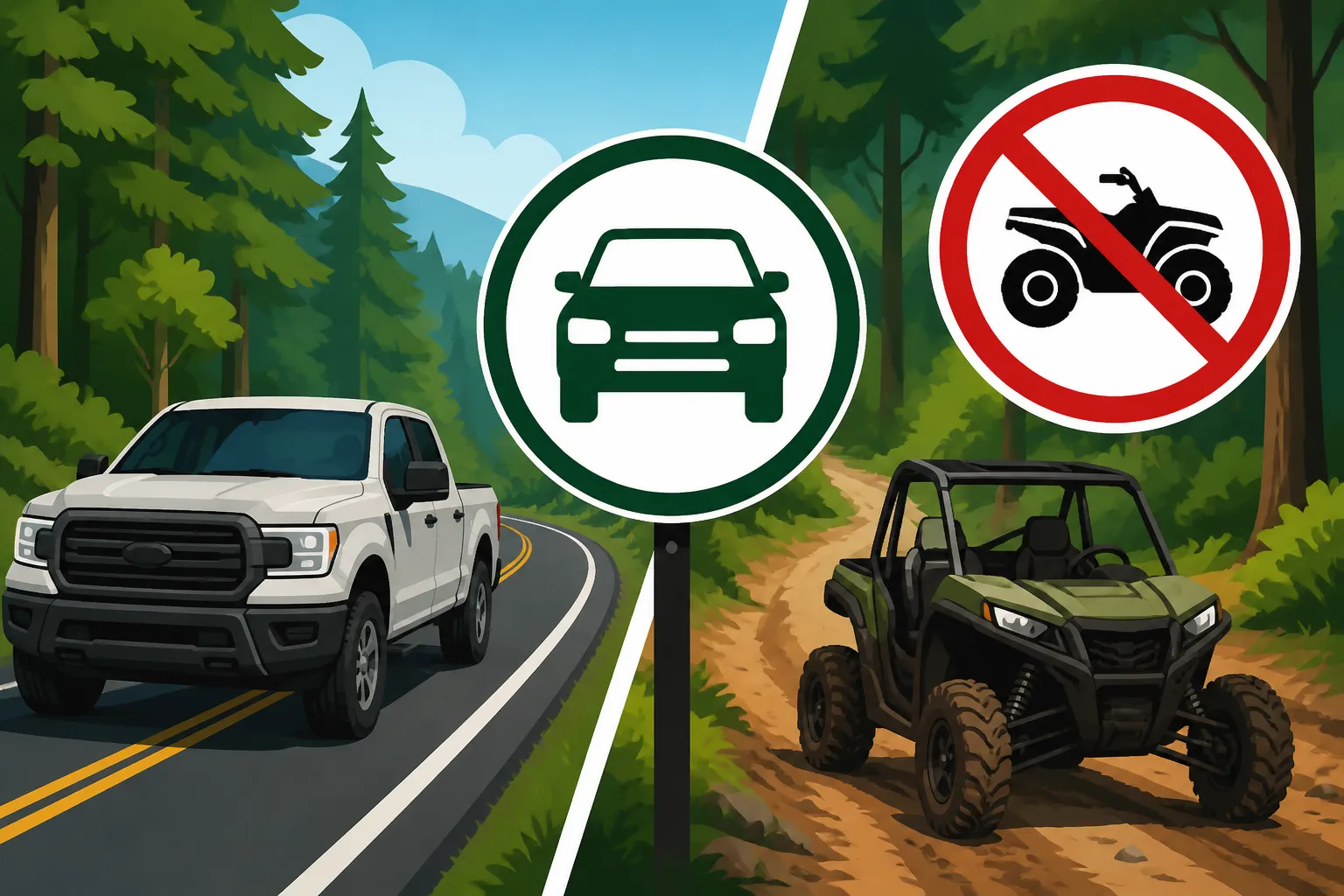
This distinction is crucial because the laws governing state forest roads are often tied to these vehicle classifications. A road designated for "highway vehicles only" legally means only vehicles that meet the criteria for standard street-legal registration are permitted. This includes cars, trucks, and motorcycles, but not ATVs or UTVs, regardless of how capable or "street-legal-looking" your SuperATV equipped UTV might appear. Even if you've added mirrors, a horn, and turn signals, your vehicle's core classification as an ATV or UTV generally restricts it from these particular roads. [Pennsylvania Rules for a UTV on a Road] further clarifies the limited scenarios where UTVs might be permitted on certain public thoroughfares, distinct from forest roads.
Funding, Management, and Environmental Factors
The funding model for these forest roads plays a huge role. Many state forest roads are maintained using funds specifically allocated for conventional highway vehicle access, often through state or federal transportation grants that exclude off-highway vehicle use. Diverting these funds or allowing ATV/UTV use could jeopardize future funding or violate the terms of existing grants. The DCNR manages hundreds of miles of these roads, and the maintenance schedule is built around the expected wear and tear from highway vehicles, which is different from off-highway vehicles, particularly in terms of tire impact and weight distribution.
From an environmental standpoint, even well-maintained gravel roads can be susceptible to erosion, sedimentation, and habitat disturbance, especially with increased or varied vehicle types. While an ATV or UTV might seem to have a low impact, the cumulative effect of many such machines can differ from that of highway vehicles. Soil compaction, noise pollution, and the potential for introducing invasive species through vehicle travel are all considerations. The DCNR has a responsibility to protect sensitive ecosystems, water quality, and wildlife habitats within the state forests, and restricting certain roads to highway vehicles is one tool in their comprehensive management plan. Furthermore, protecting areas from potential damage is often a reason for [Why Game Lands Are Closed to Quads].
Safety Concerns and Public Access
Safety is another significant concern. Mixing different types of vehicles with vastly different speeds, maneuverability, and operator training can create hazardous situations. Highway vehicles are typically faster and less nimble than ATVs and UTVs, and their operators might not expect to encounter off-highway vehicles on these roads. The DCNR aims to minimize conflicts between various forest users – hikers, cyclists, hunters, and drivers of highway vehicles – to ensure a safe experience for everyone.
Moreover, these roads provide critical public access for a wide range of activities that rely on conventional vehicles, such as access to trailheads for hiking, remote campsites, hunting areas, and scenic overlooks. If these roads were opened to ATVs and UTVs without careful planning, it could diminish the experience for those seeking a quieter, more traditional forest experience. The DCNR must balance the desires of ATV/UTV enthusiasts with the needs and expectations of the broader public who use the state forests for other purposes. The goal is to provide diverse recreational opportunities while maintaining a safe and enjoyable environment for all visitors.
How to Identify Open and Closed Roads for ATVs and UTVs
It's easy to get confused out there, especially with so many miles of roads and trails in Pennsylvania's vast state forests. But knowing how to properly identify what's open to your ATV or UTV and what's not is crucial. Ignoring the signs or guessing can lead to more than just a ruined ride; it can lead to significant fines and contribute to a negative perception of ATV/UTV riders. The DCNR makes an effort to clearly mark and publish this information, so it's on us as riders to seek it out and follow it.
Deciphering Official Maps and Signage
The most reliable way to determine if a road is open to ATVs and UTVs is to consult official DCNR maps. The DCNR publishes detailed maps for each state forest district, often highlighting designated ATV trails and roads that permit ATV use. These maps are updated periodically and are available online or at district forest offices. They are your primary resource for planning a legal and enjoyable ride. Don't rely on generic mapping apps or hearsay; always refer to the official DCNR map for the specific forest you intend to visit. [Pennsylvania ATV Trail Maps From DCNR] are indispensable tools.
In addition to maps, signage on the ground is paramount. When you approach a forest road, look for clear signs. "Highway Vehicles Only," "No ATV/UTV Access," or similar language means exactly that. Conversely, roads or trails open to ATVs will be clearly marked with ATV trail signs. These signs aren't just suggestions; they are enforceable legal directives. If you're unsure, or if a sign is missing or unclear, err on the side of caution. It’s always better to turn around and find a designated trail than to risk a citation for [Pennsylvania Fines for an Unregistered ATV] or [Pennsylvania Fines for Riding Illegally]. Pay attention to any posted speed limits or other regulations on these roads, even the ones open to highway vehicles; these can still apply to designated joint-use roads.
The Importance of Checking DCNR Resources
The DCNR website is an invaluable resource for riders. Their Snowmobile and ATV Section provides up-to-date information on trail conditions, closures, regulations, and where to obtain necessary permits. This online portal is essential, as trail conditions can change rapidly due to weather, maintenance, or other unforeseen events. Before you head out, always check the DCNR website for the specific state forest or trail system you plan to ride. This proactive step can save you a wasted trip or, worse, a fine.
Furthermore, consider calling the local DCNR district forest office if you have specific questions about a particular road or area. The staff there are knowledgeable and can provide the most current and accurate information. Building a good relationship with DCNR staff and showing a commitment to responsible riding helps everyone in the long run. They are there to help you enjoy the forests safely and legally. For comprehensive guidance on where you can ride, refer to [Pennsylvania's Designated ATV Roads]. Remember that sometimes roads that look like trails or private access points might fall under specific rules, and these are often detailed on the DCNR site.
The Consequences of Unauthorized Riding
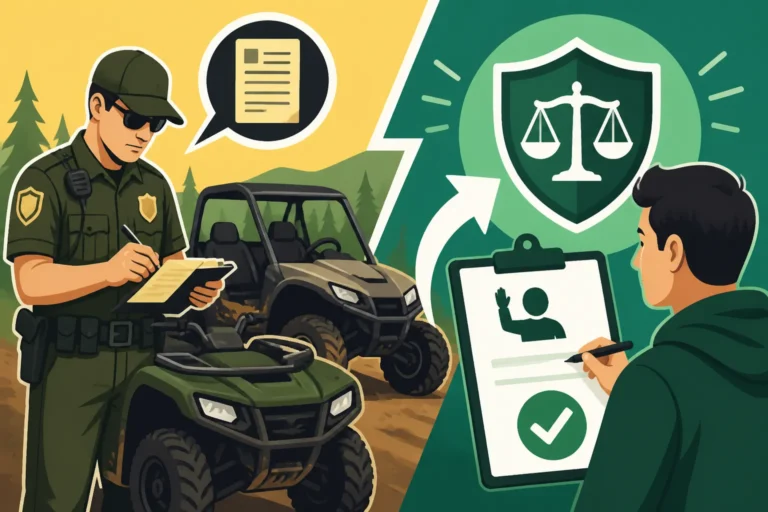
Riding an ATV or UTV on a forest road designated for "highway vehicles only" is not just frowned upon; it's a violation of state law. The consequences can be significant and include:
- Fines: You could face substantial fines, often starting in the hundreds of dollars, for riding on restricted roads. These aren't minor parking tickets; they can hit your wallet hard.
- Impoundment: In some cases, your ATV or UTV could be impounded, leading to additional towing and storage fees, not to mention the hassle of retrieving your machine.
- Damage to Reputation: Each instance of unauthorized riding contributes to a negative stereotype of ATV/UTV riders, making it harder for advocacy groups to lobby for more access in the future. It paints all riders with the same brush, even those who meticulously follow the rules and outfit their machines with SuperATV gear for responsible trail use.
- Environmental Damage: Even seemingly minor incursions onto closed roads can contribute to soil erosion, damage sensitive vegetation, or disturb wildlife, which impacts the overall health of the forest.
- Safety Risks: You put yourself and others at risk by operating your off-highway vehicle on roads not intended for it, where conventional vehicles might not expect you.
It's simply not worth the risk. Understanding and respecting the rules, even when they seem inconvenient, is vital for both your own peace of mind and the future of ATV/UTV riding in Pennsylvania. More details on penalties can be found under [Pennsylvania ATV Registration Fines] and [Pennsylvania Rules for Riding Off the Trail].
Advocating for More Access and Navigating Current Rules
While the restrictions on some forest roads can be frustrating, it’s important for ATV and UTV riders to understand that a path forward exists. This path involves responsible riding, active advocacy, and continuous engagement with land managers and policymakers. Rather than focusing solely on the roads we can’t ride, let’s explore how we can ensure more opportunities in the future and enjoy the many miles of trails already available.
Respecting the Rules and Supporting Designated Trails
The most powerful thing we can do as a riding community is to demonstrate responsible behavior. When riders consistently adhere to regulations, stay on designated trails, and respect environmental guidelines, it builds trust with land managers and the public. This trust is invaluable when advocating for expanded access. Illegal riding or disregard for posted signs undermines any arguments for opening more areas.
Supporting designated trail systems is equally crucial. These are the areas specifically set aside for ATV and UTV use, often maintained by DCNR or dedicated riding clubs. Purchasing [Pennsylvania ATV Trail Permits Explained], maintaining your [Pennsylvania ATV Registration and Trail Access], and adhering to all local rules helps fund maintenance, ranger patrols, and future trail development. When you purchase accessories from brands like SuperATV for your trail machine, you're investing in your ability to enjoy these designated spaces. Showing that we can manage and sustain the trails we have is the best way to make a case for more. Furthermore, many clubs and organizations organize volunteer days to help maintain trails; participating in these efforts gives you a direct stake in preserving riding opportunities.
Getting Involved in Advocacy for Future Access
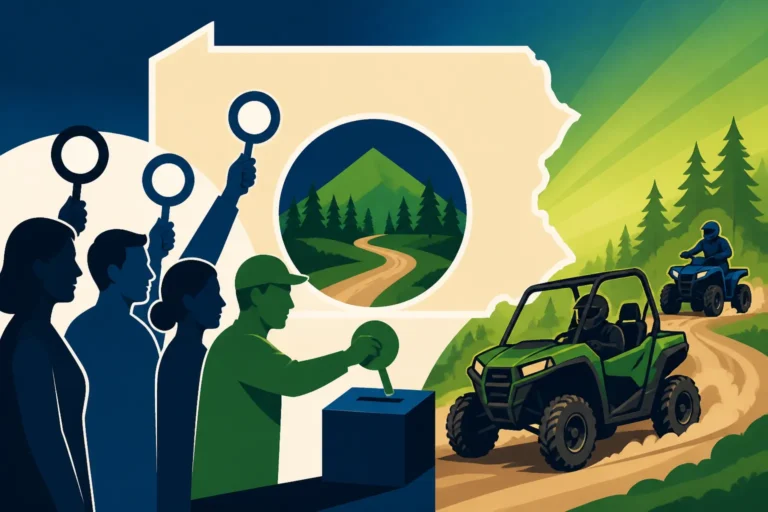
If you're passionate about seeing more forest roads open to ATVs and UTVs, getting involved in advocacy is the most effective approach. This isn't about protesting or demanding; it's about education, collaboration, and presenting well-reasoned arguments to decision-makers.
Here are some ways to get involved:
- Join a Riding Club: Local ATV and UTV clubs are often at the forefront of advocacy efforts. They have established relationships with DCNR, local government officials, and other stakeholders. Clubs often organize meetings, write proposals, and present a unified voice for riders. They can provide a structured way to contribute to change.
- Contact Your Legislators: Reach out to your state representatives and senators. Share your perspective on the need for more ATV/UTV access on appropriate forest roads, emphasizing economic benefits, responsible recreation, and the safety advantages of designated routes. Personal stories and well-researched points can be very impactful.
- Engage with DCNR: Attend public meetings hosted by DCNR, provide constructive feedback during public comment periods, and express your interest in expanding access. Position yourself as a partner in responsible land management, not an adversary. Offer solutions and highlight how ATVs and UTVs can be integrated into the multi-use vision for state forests.
- Support Relevant Organizations: There are state and national organizations that advocate for off-highway vehicle access. Supporting them through membership or donations helps fund their research, lobbying efforts, and educational campaigns.
Changing long-standing designations and policies is a slow process, but it's not impossible. It requires patience, persistence, and a unified, responsible approach from the riding community. By understanding the existing rules, riding responsibly, and actively advocating for change, we can work towards a future where more of Pennsylvania's beautiful forest roads are safely and legally accessible to ATVs and UTVs.
Disclaimer
This article is for general informational purposes only and does not constitute professional advice. Laws, prices and regulations vary by location and change over time. Consult a qualified professional for guidance on your specific situation.