Pennsylvania Rules for Riding a Private Road
Riding your ATV or UTV in Pennsylvania is an absolute blast, but let's be real: figuring out where you can actually ride can be a major headache. One of the most common questions I hear from fellow riders, especially those new to the state or new to the sport, revolves around private roads. It feels like it should be simple, right? It's private! But the reality is often more nuanced than just "it's my land, I can do what I want." This guide is here to untangle the specifics of navigating Pennsylvania's rules when it comes to riding your machine on private roads, ensuring you stay legal, safe, and respectful of property rights.
Understanding "Private Road" in Pennsylvania
When we talk about "private roads" in Pennsylvania, it's not always as straightforward as a gravel driveway leading to a secluded cabin. The term encompasses a wide range of pathways, from simple farm lanes to complex, multi-owner developments, and even dedicated club trails. The key distinction from a legal standpoint is ownership and public access.
Distinguishing Private from Public Roads
A public road in Pennsylvania is maintained by a municipality, county, or the state (like PennDOT roads), and is generally open for public travel. These roads have specific laws governing their use, including strict prohibitions on ATV/UTV travel unless explicitly designated as an ATV-friendly road or a joint-use road. Trying to ride your quad on most public roads will land you in a heap of trouble, potentially with significant [Pennsylvania Fines for Riding Illegally].
Private roads, on the other hand, are owned by individuals, groups, or entities (like a hunting club or a timber company). They are not maintained by public funds and are not intended for general public access without permission. This critical distinction—the need for permission—is what sets private roads apart and drives most of the rules we need to discuss. While some private roads might look just like a dirt public road, the legal difference is monumental. You can often tell if a road is private by looking for "No Trespassing" signs or gates, but sometimes it's less obvious. Always err on the side of caution if you're unsure.
Common Scenarios: Driveways, Farm Lanes, Club Trails
Let's break down some typical "private road" scenarios you might encounter:
- Your Own Property: This is the simplest case. If it's your land, your driveway, your farm lane, or your woods roads, you generally have the freedom to ride your ATV or UTV there. This is your personal playground! However, even on your own land, state laws regarding things like helmets for minors and safety certificates for younger riders still apply. You're also responsible for ensuring your machine is in safe operating condition. Many riders upgrade their machines with accessories from companies like SuperATV for enhanced performance and safety, even if they're mostly riding on their own property.
- A Neighbor's Property or Family Land: This is where the permission factor becomes paramount. Just because your cousin owns the adjacent field doesn't mean you automatically have the right to ride across it. While a verbal "sure, go ahead" might feel sufficient between family or close friends, it's far safer to have something more concrete, which we'll delve into shortly. This often comes up when riders are trying to get from their property to a larger trail system, or to a hunting camp.
- Hunting Camp Access Roads: Many hunting camps in Pennsylvania are accessed via private roads, sometimes shared among multiple cabin owners. These roads are private, and permission from the landowner (or the association that owns the road) is absolutely necessary. Often, these roads are maintained by the users themselves, highlighting their private nature. If you're riding to a hunting camp, make sure you understand [Pennsylvania Rules for Riding to a Hunting Camp].
- Private Club Trails or Lease Land: Many ATV clubs across Pennsylvania lease private land to create and maintain their own trail systems. While these are "private" in the sense that they're not state-owned, they function under a specific set of rules established by the club or landowner. Often, access requires membership or a day pass, which serves as your permission. Riding on these trails is a fantastic way to enjoy the sport legally, and understanding [Riding Private Club Land in Pennsylvania] is key.
The Importance of Landowner Permission
This cannot be stressed enough: you must have permission to ride on private land that isn't yours. Without it, you are trespassing, and that carries serious legal consequences. It’s not just about avoiding a fine; it’s about respecting private property rights, fostering goodwill, and ensuring the continued availability of riding areas. Landowners who feel taken advantage of are quick to put up more "No Trespassing" signs, which ultimately hurts the entire riding community.
Why Written Permission is Best
While a friendly nod or a verbal "go ahead" might feel adequate, particularly with friends or family, [Why a Handshake Is Not Enough on Private Land] cannot be overstated. Memories fade, land changes hands, and what one person meant can be interpreted differently by another. If a game warden or state police officer encounters you on private land, they will almost certainly ask for proof of permission. "My buddy said it was okay" often won't cut it.
Written permission provides a clear, undeniable record. It protects both you and the landowner. Imagine you're riding a new machine you just added some great SuperATV upgrades to, and suddenly you're facing a trespass charge because the landowner forgot they gave you permission, or their relative called the authorities. A simple document can prevent this nightmare. This permission doesn't need to be fancy or notarized, but it should include:
- The names of the rider(s) with permission.
- A clear description of the property (address, property ID number, or a general description like "the fields north of Smith's farm").
- The dates or duration for which permission is granted.
- Any specific conditions or restrictions (e.g., "stay off the planted fields," "no night riding," "stick to the designated trails").
- The landowner's signature and date.
Always carry this written permission with you when you ride on private land. You might keep a laminated copy with your [Pennsylvania ATV Registration and Insurance Proof] wallet card. You can find more details about what this should look like in [Written Permission From a Landowner].
Specifics to Discuss with the Landowner
When you approach a landowner to ask for permission, it’s not just about getting a "yes." It's about building trust and setting clear expectations. Here are some critical points to discuss:
- Areas of Access: Be precise. Ask which specific areas or trails you are allowed to use. Are there certain fields that are off-limits due to crops or livestock? Are there specific times of day or year when riding is not permitted?
- Other Users: Inquire if other people (hunters, hikers, loggers) also use the land. This helps you be more aware and ride defensively, avoiding conflicts.
- Noise and Impact: Reassure the landowner that you will ride responsibly, respect their property, and minimize noise. Discuss any concerns they might have about dust, mud, or environmental impact.
- Litter: Promise to pack out everything you pack in, and perhaps even offer to pick up any litter you find. A clean property is a happy landowner.
- Emergencies: Exchange contact information in case of an emergency (e.g., you get stuck, injure yourself, or notice a problem on their property).
- Guests: Clarify if you can bring guests to ride with you, and if so, whether they also need to be named on the written permission.
- Safety Gear: Let them know you'll be riding safely, wearing appropriate gear like a helmet, and following all other state regulations, even though it's private land. This shows responsibility and can ease their concerns.
By being thorough and respectful in your initial conversation, you’re much more likely to secure permission and maintain a good relationship with the landowner. Understanding [Pennsylvania Landowner Permission Rules] from their perspective can help too.
What Happens Without Permission? Trespass Laws
Riding on private land without permission isn't just a minor infraction; it's a serious matter with potentially costly consequences. Pennsylvania has clear laws in place to protect private property owners, and they are enforced. Ignorance of the law is never an excuse.
Pennsylvania's Specific Trespass Statutes
In Pennsylvania, riding an ATV or UTV on private land without permission falls under the state's trespass laws, primarily under Title 18, Crimes and Offenses, Chapter 35 (Burglary and Other Criminal Intrusion). Specifically, you might be charged with Defiant Trespass. This applies whether the land is posted with "No Trespassing" signs or not, though posted land often strengthens the prosecution's case.
The key element is that you entered or remained on the property knowing you did not have permission to do so. This means even if you thought you had permission but were mistaken, you could still face charges. This is why written permission is so crucial. A landowner doesn't need to physically confront you; if they see evidence of riding or catch you in the act and report it, an officer can investigate and issue a citation. You can learn more about the specifics in [Pennsylvania Trespass Rules for Riders].
Potential Penalties and Fines
The penalties for defiant trespass can range depending on whether it's your first offense and if the property was clearly [Posted Land and What Posting Means].
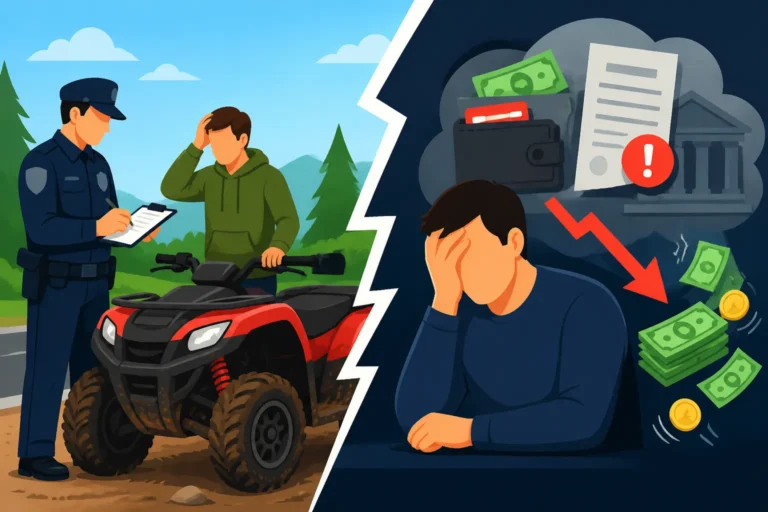
- Summary Offense: For a first offense on unposted land, it's typically a summary offense, meaning fines similar to a traffic ticket. However, these fines can still be substantial, often starting at several hundred dollars.
- Misdemeanor: If the land was conspicuously posted with "No Trespassing" signs, or if you've been warned to leave the property previously, the charge can be elevated to a third-degree misdemeanor. This carries much higher fines, potentially thousands of dollars, and could even include jail time for repeat offenses. A misdemeanor on your record can have long-lasting impacts, affecting employment, housing, and other aspects of your life.
- Additional Costs: Beyond fines, you could also be responsible for court costs, restitution for any damage caused to the property (even accidental damage), and potentially legal fees if you hire an attorney to defend yourself.
- Machine Impoundment: In some cases, your ATV or UTV could be impounded, adding further fees for towing and storage, and a major headache getting your machine back.
These aren't just theoretical possibilities; they happen to riders who disregard private property. It's a risk simply not worth taking when a polite request for permission can prevent it all.
Dealing with Posted Land and No Trespassing Signs
Pennsylvania law is very clear about the significance of posted land. When a property owner puts up "No Trespassing" signs or paints boundary lines in specific colors (often purple or orange), they are explicitly revoking any implied public access. These signs serve as a direct warning, making it impossible to claim you didn't know you weren't allowed.
If you encounter "No Trespassing" signs, or even just a closed gate, you must respect them. Turning around and finding another route is the only safe and legal option. Attempting to bypass these warnings, whether by cutting fences or ignoring signs, escalates the offense and significantly increases the severity of potential penalties. Even if you're just cutting through a corner you thought was "unimportant," those signs apply. Always remember that the ATV community relies on a good reputation, and disrespecting posted land undermines everyone's ability to enjoy the trails.
Safety and Responsibility on Private Property
While permission grants you access, it doesn't give you a free pass from all other rules. Even on private land, you still have a responsibility to ride safely, protect yourself, and respect the environment. Many state regulations designed for rider safety apply regardless of where you're riding.
Following State Laws Even on Private Land
Some critical Pennsylvania ATV laws apply everywhere, not just on state trails or public roads. These are primarily for the safety of the rider and passengers:
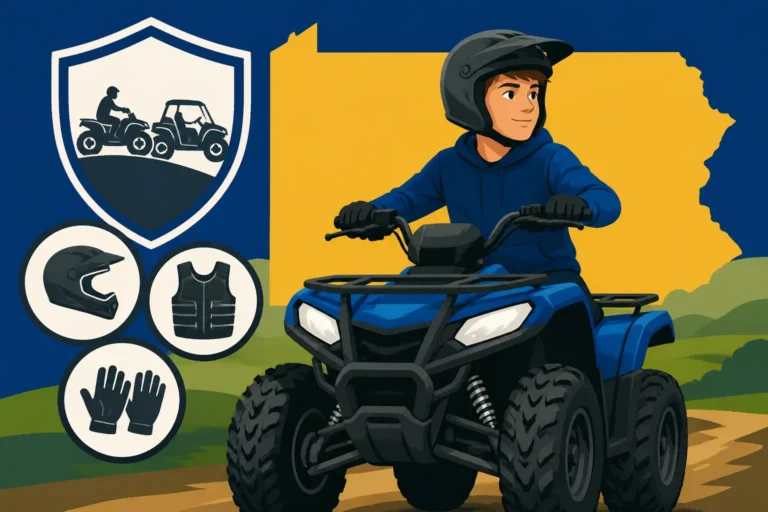
- Helmets: Riders and passengers under the age of 16 are required to wear a helmet, even on private property. This is a non-negotiable safety rule. Wearing a helmet, regardless of age, is always a smart choice. Check out [Pennsylvania Helmet Law for ATV Riders] for more details.
- Safety Certificates: Riders between the ages of 8 and 15 must possess a valid ATV Safety Certificate to operate an ATV. While this is primarily enforced on public lands, it's a good practice and a legal requirement in many contexts. Taking an ATV safety course not only ensures you meet this requirement but also teaches crucial riding skills. You can find more information on [Pennsylvania ATV Safety Certificate Requirements].
- Machine Requirements: While less strictly enforced on private land, common sense dictates that your machine should be in safe operating condition. Headlights and taillights are important if you're riding in low light, brakes should be functional, and your throttle should operate smoothly. Many riders prioritize safety upgrades from companies like SuperATV, knowing that a well-maintained machine is a safer machine.
Ignoring these rules, even on private land, could lead to injury. And while you might not face a state fine on your own property for not wearing a helmet, the consequences of a head injury are far more severe.
Respecting the Land and Environment
When a landowner grants you permission to ride, they are extending a privilege, not a right. It's your responsibility to treat their land with the utmost respect. This goes beyond avoiding litter and includes:
- Stay on Designated Paths: If the landowner specifies certain trails or areas, stick to them. Don't create new trails, cut through fields, or ride through sensitive areas like wetlands or newly planted timber.
- Minimize Environmental Impact: Avoid tearing up grass, spinning tires excessively, or causing erosion, especially on hillsides or near water sources. Mud bogging might be fun, but if it damages the land, you'll quickly lose your riding privileges.
- Wildlife: Be mindful of wildlife, especially during breeding seasons or when animals might be grazing. Slow down, give them space, and avoid disturbing them. If you're riding during hunting season, be extra cautious and consider wearing blaze orange, even on private land, to be visible to others.
- Gates and Fences: Always leave gates as you found them – if it was closed, close it behind you; if it was open, leave it open. Never cut fences or ride around them.
- Noise: While ATVs and UTVs are inherently noisy, try to be respectful, especially near residences. Excessive or modified exhausts can be particularly disruptive and are often regulated, even on private land in some areas.
Being a good steward of the land ensures that landowners remain open to allowing ATV use, which benefits everyone in the riding community.
Insurance Considerations for Private Riding
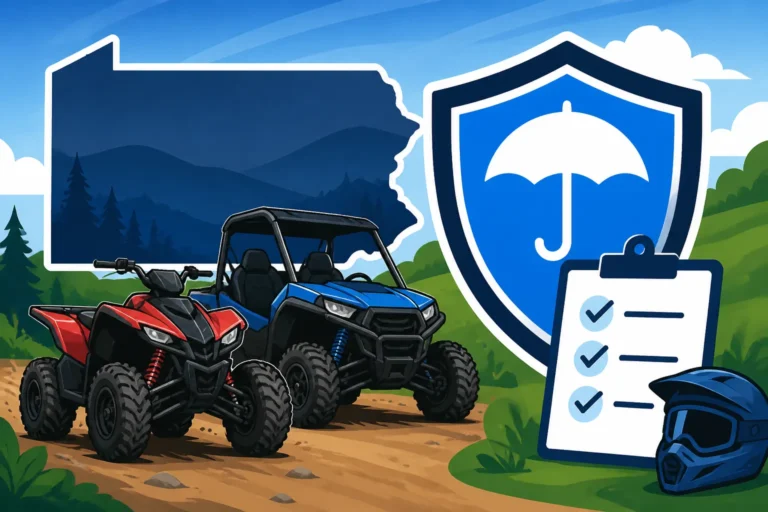
Many riders assume that because they're on private land, insurance isn't as critical. This is a dangerous misconception. While [Pennsylvania ATV Insurance Requirement] mandates liability insurance for riding off your own land, having personal insurance coverage for your machine and for liability is always a wise investment, regardless of where you ride.
- Accidents Happen: Even the most experienced riders have accidents. If you injure yourself on private land, your medical insurance will cover your costs, but what if you damage your own expensive machine? Comprehensive or collision coverage on your ATV policy can protect your investment.
- Liability: What if you accidentally cause damage to the landowner's property (e.g., hit a fence, cause a wildfire from a hot exhaust, or damage a valuable crop)? Or worse, what if a passenger on your machine is injured, or you collide with another rider or person on the property? Without liability insurance, you could be personally responsible for significant financial costs. A landowner might require proof of insurance before granting you permission to ride, and for good reason.
- Homeowners Insurance: Do not assume your homeowner's insurance will cover ATV accidents or liability off your immediate home property. Most standard policies have exclusions for recreational vehicles, especially when operated away from the insured premises. Always check with your insurance provider to understand your specific coverage.
The peace of mind that comes with adequate insurance coverage, whether from a company like Progressive or Geico, is invaluable. It protects your finances and your relationships, which is just as important on private roads as it is anywhere else.
| Aspect of Riding | Public Road (Designated ATV) | Private Road (With Permission) | Private Road (No Permission) |
|---|---|---|---|
| Legality | Generally Legal | Legal | Illegal (Trespass) |
| Permission | Not Required (if designated) | Absolutely Required | Not Applicable |
| Helmet (Under 16) | Required | Required | Required |
| Safety Cert (Ages 8-15) | Required | Required | Required |
| Registration | Required | Required (if riding off own land) | Required (if riding off own land) |
| Insurance | Required | Required (liability) | Required (liability) |
| Potential Fines | Yes (for violations) | Yes (for violations) | Yes (trespass, significant) |
| Reputation Impact | Neutral/Positive | Positive | Negative (for rider & sport) |
Disclaimer
This article is for general informational purposes only and does not constitute professional advice. Laws, prices and regulations vary by location and change over time. Consult a qualified professional for guidance on your specific situation.