Carrying Proof of Insurance in Pennsylvania
You've just pulled up to the trailhead after a long drive, the sun is shining, and your quad is practically begging to hit the dirt. You're ready to unload, gear up, and feel the wind in your face when a DCNR ranger waves you over. "Registration and insurance, please," they say. Your heart sinks as you realize you crammed your wallet card into a pocket that got soaked on the last creek crossing, or maybe you left it on the kitchen counter. Suddenly, your epic day is on hold, facing potential fines and a lot of hassle. This guide is here to walk you through everything you need to know about Carrying Proof of Insurance in Pennsylvania for your ATV or UTV, so you can focus on the ride and leave the worries behind.
Why Pennsylvania Cares About Your ATV Insurance
Let's be real, nobody loves paying for insurance, especially when you're just looking to have some fun on the trails. But in Pennsylvania, it's not just a suggestion; it's a critical part of responsible ATV and UTV ownership, particularly when you venture off your own property. It’s about more than just avoiding a ticket; it’s about protecting yourself and others.
The Mandate: Riding Off Your Own Land
Pennsylvania law is very clear: if you're taking your ATV or UTV anywhere other than land owned or leased by you, where you have permission from the owner, you need to be insured. This isn't just for designated state forest trails or private riding parks; it applies to any public land, roads designated for ATV use, or even a friend's property if you don't have a formal lease. The state wants to ensure that if an accident occurs, there's a mechanism in place to cover potential damages and injuries. It's a fundamental part of the state's efforts to keep off-road recreation safe and sustainable for everyone.
Think about it this way: you're out on a beautiful Saturday morning at Whiskey Springs, maybe tackling some challenging climbs or just cruising through the forest. Suddenly, another rider misjudges a turn and collides with you. Or perhaps you're navigating a tight section and accidentally swerve, hitting a fence post or causing damage to a bridge railing. Without insurance, the financial burden of these incidents falls directly on you. The DCNR (Department of Conservation and Natural Resources), which oversees ATV registration and many of our state trails, works hard to keep things running smoothly, and requiring insurance is a key part of that system. It ensures a baseline level of financial responsibility among riders, which ultimately benefits the entire riding community. This is why [Insurance Pennsylvania Requires to Ride] is a non-negotiable part of enjoying our fantastic trail systems.
Beyond the Basics: What Insurance Protects
While the immediate concern for most riders is avoiding fines, the true value of ATV insurance extends far beyond just satisfying a legal requirement. It's a safety net for your finances and your peace of mind. Your insurance policy typically offers various types of coverage, most importantly liability. This coverage protects you if you're found at fault for an accident that causes injury to another person or damage to their property. Imagine a scenario where you lose control on a muddy section, and your UTV slides into a parked truck at the trailhead, causing significant damage. Without liability insurance, you'd be personally responsible for the repair costs, which could easily run into thousands of dollars.
Beyond liability, many policies offer optional coverages that can further safeguard your investment. Collision coverage helps pay for damage to your own ATV or UTV if you hit another object or vehicle. Comprehensive coverage protects against non-collision incidents like theft, vandalism, fire, or even damage from falling objects or animals. While these aren't mandated by the state, they are incredibly valuable additions, especially given the cost of these machines and the environments we ride them in. For instance, if your machine is stolen from your trailer overnight while you're camping, comprehensive coverage would be a lifesaver. Your policy isn't just a piece of paper; it's a shield against unexpected financial hardship, letting you truly enjoy your ride without constant worry about "what if."
What Counts as Proof of Insurance in Pennsylvania
Okay, so we know you need insurance. But what exactly do you need to show if a ranger or law enforcement officer asks for proof? It's not always as simple as just saying, "Oh yeah, I'm covered!" You need tangible, verifiable documentation.
The Official DCNR Wallet Card
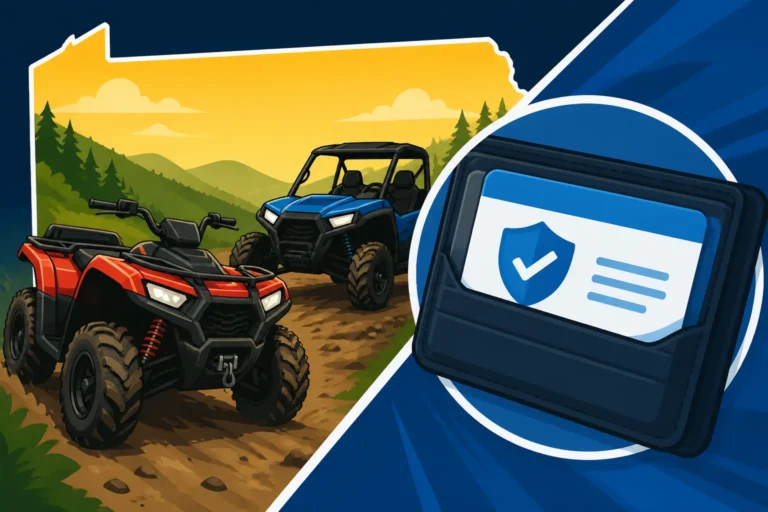
When you register your ATV or UTV with the Pennsylvania DCNR, you receive a special DCNR wallet card. This small, durable card is one of the primary and most commonly accepted forms of proof of both registration and insurance while you're out riding. It's designed to be easily carried and includes key information about your machine and its registration. The card typically states that you have "proof of financial responsibility" for the machine, which is Pennsylvania's way of saying you meet the insurance requirement. It's truly a convenient little item that keeps your essential documents together.
It's issued automatically as part of the registration process, provided you affirm that you have the necessary insurance. This card serves as a quick reference for law enforcement officers, allowing them to verify your compliance with state regulations without needing a stack of paperwork. For many riders, this DCNR wallet card becomes the go-to document. It's compact, designed for off-road use (though it still needs protection from the elements!), and is universally recognized by those enforcing ATV laws in the state. Always ensure it’s tucked safely away before you head out. Understanding [What the DCNR Wallet Card Is For] is key to a smooth day on the trails.
Other Acceptable Forms of Proof
While the DCNR wallet card is super convenient, it's not the only thing that counts as proof of insurance. Sometimes, you might not have your DCNR card handy, or perhaps you're still waiting for a replacement. In these situations, other forms of documentation can satisfy the requirement for showing proof of financial responsibility. Your insurance provider will issue an official insurance ID card for your ATV or UTV. This card is similar to what you'd get for your car and typically lists your policy number, effective dates, and the machines covered. This is always a solid backup.
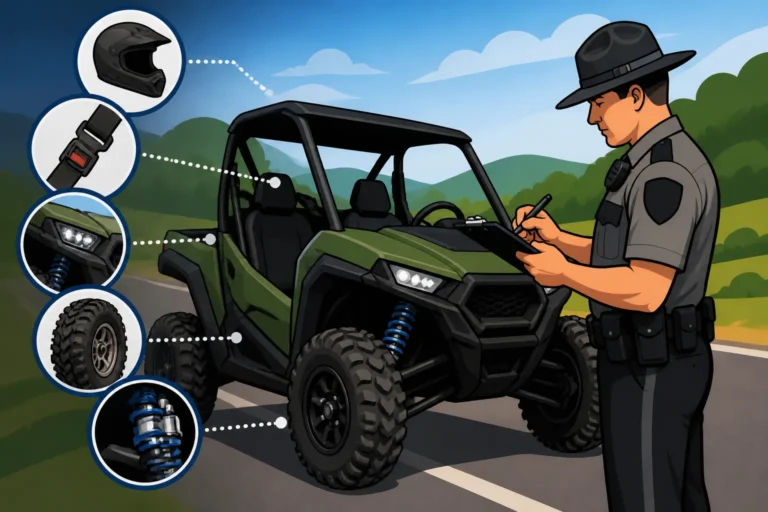
Another acceptable document is your insurance declaration page. This is a more detailed document, often several pages long, that outlines all the specifics of your policy, including coverage limits, deductibles, and the vehicles insured. While it's probably not practical to carry the whole packet on the trail, a clear copy of the relevant pages can work. In our increasingly digital world, many insurance companies also offer digital proof of insurance through their mobile apps or by sending a digital ID card to your smartphone. While widely accepted for cars, using your phone for proof on the trail comes with its own set of challenges, like battery life, screen visibility in bright sunlight, or simply having a waterproof way to present it. If you choose this route, always have a fully charged phone and a backup plan. The important thing is that whatever you present clearly shows current, active insurance coverage for that specific machine. When [What a Ranger Checks at a Trailhead], they're looking for clear, unambiguous proof.
Practical Tips for Carrying Your Proof Safely
You've got your insurance, and you know what documents are acceptable. Now comes the practical challenge: how do you carry these vital papers on an ATV or UTV without them becoming a soggy, illegible mess after the first mud puddle or rain shower? The Pennsylvania backcountry can be beautiful, but it's rarely kind to paper.
Protecting Paperwork from the Elements
Riding ATVs and UTVs in Pennsylvania means embracing the elements – mud, water, dust, and sudden downpours are all part of the adventure. Your delicate paper proofs of insurance and registration stand no chance against a typical Pennsylvania trail day unless they're properly protected. The absolute best line of defense is a waterproof pouch or a heavy-duty, zip-top plastic bag. These inexpensive items can make all the difference, sealing out moisture and grime. You can find robust options specifically designed for documents, often with lanyards or clips to secure them.
Once protected, think about where you're going to keep them. Tucking them into a general-purpose backpack might not be enough; backpacks can get wet, or the documents could be crushed by other gear. Many ATVs and UTVs come with small, integrated storage compartments, often under the seat or in a glove box. These are ideal spots for your waterproof pouch. For UTVs, the glove box is perfect. For ATVs, you might consider a dedicated storage bag that mounts to your rack, ensuring it's waterproof and easily accessible. Some riders even go a step further, laminating their DCNR wallet card (though be careful not to obscure any features that might be needed for verification). The goal is to keep your proof safe, dry, and readily available for when it's needed. Remember, [Keeping Paperwork Dry on a Wet Trail] is crucial for avoiding a headache! Many riders find utility boxes or bags, like those offered by SuperATV, to be incredibly helpful for keeping all their essential items, including documents, safe from the trail's harsh realities.
Redundancy is Your Friend
Even with the best waterproof pouches and secure storage, things can happen. Maybe your pouch gets torn, or your phone decides to die at the most inconvenient moment. This is where the concept of redundancy truly shines. Having multiple forms of proof, stored in different locations, can save your day and prevent a fine. For instance, keep your physical DCNR wallet card in a waterproof pouch in your UTV's glove box. Then, have a clear, legible photo of both sides of your insurance ID card and your DCNR card saved on your smartphone. Make sure to keep this photo easily accessible, perhaps in a dedicated album, so you're not fumbling through hundreds of pictures of your last ride.
Another smart move is to email a copy of your insurance ID card and registration proof to yourself, or to a trusted riding partner. If your phone battery dies, or your physical documents are lost, you might be able to access them from someone else's device or by quickly finding a way to charge your phone. Furthermore, if you ride with a group, having a designated "document keeper" (or at least everyone having their own) can be beneficial. The bottom line is, don't put all your eggs in one basket. If one method of proof fails, you want to have another ready to go. When a ranger approaches you, the last thing you want is to be scrambling, unable to produce what's required.
The Consequences of Not Carrying Proof
So, what exactly happens if you're caught riding without valid proof of insurance? It's not just a minor slap on the wrist. Pennsylvania takes its off-road regulations seriously, and the penalties for non-compliance can put a significant dent in your wallet and your riding plans.
Understanding the Fines and Penalties
If you're stopped by a DCNR ranger or local law enforcement officer and cannot produce valid proof of insurance for your ATV or UTV, you're likely looking at a substantial fine. The specific amount can vary, but it's designed to be a significant deterrent. In many cases, riding without insurance carries an automatic fine, separate from any other violations you might have. This isn't just a warning or a simple "fix-it ticket." It's a direct penalty for failing to meet the state's financial responsibility requirements.
On top of the initial fine, you may also be assessed "cost of prosecution," which covers the administrative expenses associated with your citation. This means the total out-of-pocket expense will be even higher than the stated fine amount. These fines are meant to ensure compliance and support the system that keeps our trails open and safe. While specific figures are always subject to change and vary based on jurisdiction, you can expect an incident like this to be quite costly. It’s a good idea to be familiar with [Pennsylvania Fines for No ATV Insurance] so you understand the severity of riding without the proper documentation. When [Riding Unregistered Brings an Automatic $300 Fine], you can assume a similar penalty structure applies to a lack of insurance.
Beyond the Ticket: What Else Can Happen
The immediate fine is just one piece of the puzzle. The ramifications of riding uninsured can extend much further, creating a cascade of problems that are far more severe than a simple ticket. The most significant risk comes if you are involved in an accident. If you cause injury to another person or damage to their property, and you don't have insurance, you become personally and fully liable for all those costs. This could mean paying for medical bills, property repairs, lost wages, and potentially even pain and suffering. These expenses can quickly climb into the tens or even hundreds of thousands of dollars, leading to devastating financial consequences, including wage garnishment or liens against your assets.
In more extreme cases, if you're caught without insurance, or if your machine is involved in a severe incident while uninsured, there's a possibility of your ATV or UTV being impounded. This means your machine could be seized by law enforcement, and you'd have to pay towing and storage fees, in addition to resolving the insurance issue and any fines, before you could get it back. Furthermore, repeated offenses or severe incidents could impact your ability to register an ATV or UTV in the future, or even lead to suspension of your riding privileges on state lands. It's truly not worth the risk, considering the peace of mind and protection that a proper insurance policy provides.
Ensuring Your Insurance Meets Pennsylvania Standards
It's not enough to just have insurance; you need to ensure that your policy actually meets the requirements for riding in Pennsylvania. This means understanding what type of coverage is mandated and being transparent with your insurer about how and where you ride.
Minimum Coverage Requirements
Unlike automobile insurance, where specific dollar amounts for liability are often mandated, Pennsylvania's DCNR does not typically specify minimum dollar amounts for ATV and UTV insurance coverage. Instead, the general requirement is that you carry "proof of financial responsibility." This usually means a liability policy that covers you in case you cause an accident resulting in bodily injury or property damage to others. While the state doesn't dictate the exact figures, it's incredibly wise to choose coverage limits that are robust enough to protect your assets. A basic, minimum liability policy might seem cheap, but it could leave you vastly underinsured if a serious accident occurs.
Think about the potential costs: a significant injury could lead to hundreds of thousands in medical bills, and even damage to another high-value machine or property could be substantial. Many experienced riders recommend carrying at least $50,000 to $100,000 in liability coverage, if not more, to adequately protect themselves. While the state's general requirement for [Pennsylvania ATV Insurance Requirements for Trails] is simply to have insurance, the onus is on you to select a policy that provides meaningful protection. Don't just tick the box; get coverage that truly guards against the risks of off-road riding.
What Your Insurer Needs to Know
When you purchase ATV or UTV insurance, honesty with your provider is truly the best policy. Your insurance rates and coverage depend on a clear understanding of how and where you plan to use your machine. Don't assume anything; disclose everything upfront. This includes informing them about the primary areas you'll be riding – whether it's designated state forest trails, private parks like the AOAA or Rock Run Recreation Area, or even just on your own private land. The type of terrain, the frequency of use, and whether you participate in organized events can all influence your policy.
It's also crucial to inform your insurer about any significant modifications you've made to your ATV or UTV. If you've added expensive aftermarket parts like a lift kit, heavy-duty suspension, or a high-performance exhaust, these can increase the value of your machine and may need specific coverage. For example, if you've invested in extensive protection or performance upgrades from a company like SuperATV, make sure your insurer knows. If you file a claim for a stolen or damaged machine and your insurer discovers significant undisclosed modifications, they might deny the claim or only pay out based on the stock value, leaving you with a huge financial loss. Being upfront from the start ensures your policy accurately reflects your needs and protects your investment. This transparency is also important when considering [What an Insurer Asks a Pennsylvania Rider] during the quoting process.
What to Do If You Lose Your Proof or It's Damaged
Despite your best efforts with waterproof pouches and careful storage, sometimes things go wrong. Papers get lost, cards get damaged, and phones get dropped in creeks. Knowing what to do when your proof of insurance goes missing or becomes unusable can save you a lot of grief.
Replacing a Lost DCNR Wallet Card
If your DCNR wallet card has gone missing, been damaged beyond recognition, or accidentally went through the wash (it happens to the best of us!), don't panic. The DCNR has a process for replacing lost or damaged registration documents. Your first step should be to contact the Pennsylvania DCNR Snowmobile and ATV Section. They are the ones who issued your original registration and wallet card, and they can guide you through the replacement process. You'll typically need to provide your machine's VIN (Vehicle Identification Number) and possibly some other identifying information to verify ownership.
There may be a small fee associated with issuing a duplicate card, but it's a minimal cost compared to the fine you could face for riding without it. It's always a good idea to request a replacement as soon as you realize your card is gone, especially if you have upcoming riding plans. While you're waiting for the new card to arrive in the mail, you might need to rely on alternative forms of proof, like your insurance company's ID card or digital proof, so make sure those are in order. Being proactive about [Replacing a Wallet Card That Went Through the Wash] is key to staying compliant.
Getting New Cards from Your Insurer
If it's your specific insurance ID card from your provider that's lost or damaged, the process is usually quite straightforward. Most major insurance companies offer several convenient ways to get replacement cards. The quickest method is often through their customer portal or mobile app on their website. You can typically log in, navigate to your policy details, and print a temporary ID card right from your home computer. Many apps also allow you to save a digital version of your ID card directly to your phone's wallet or photo gallery, which can serve as immediate proof.
If you prefer to speak with someone or don't have easy internet access, a quick call to your insurance agent or the company's customer service line will usually suffice. They can mail you new physical cards, which might take a few business days to arrive. Always ensure you have at least one valid form of proof before you head out on your machine. Having a clear and current insurance ID card is an essential part of [Pennsylvania ATV Registration and Insurance Proof], so keep on top of renewals and replacements.
Types of Proof of ATV Insurance in Pennsylvania
To make it easy to understand, here's a quick comparison of the most common ways to show proof of ATV/UTV insurance in Pennsylvania:
| Type of Proof | Description | Pros | Cons |
|---|---|---|---|
| DCNR Wallet Card | Small, durable card issued with registration, affirming financial responsibility. | State-issued, universally recognized by DCNR, compact. | Can be lost/damaged, needs protection from elements, only one issued. |
| Insurance ID Card | Card from your insurance provider with policy number, dates, and covered machines. | Direct proof from insurer, often multiple copies, widely accepted. | Can be lost/damaged, needs protection from elements, may not include registration info. |
| Digital Proof (Phone) | Photo or app-based ID card displayed on a smartphone. | Convenient, always with you (if phone is), easy to update. | Phone battery life, screen glare, phone damage risk, not always accepted if officer prefers physical proof. |
| Declaration Page | Detailed document from insurer outlining all policy specifics. | Comprehensive information, undeniable proof of coverage. | Impractical to carry entire document, often multi-page, not designed for trail use. |
Disclaimer
This article is for general informational purposes only and does not constitute professional advice. Laws, prices and regulations vary by location and change over time. Consult a qualified professional for guidance on your specific situation.