Proof of Insurance in a Wallet Card Holder
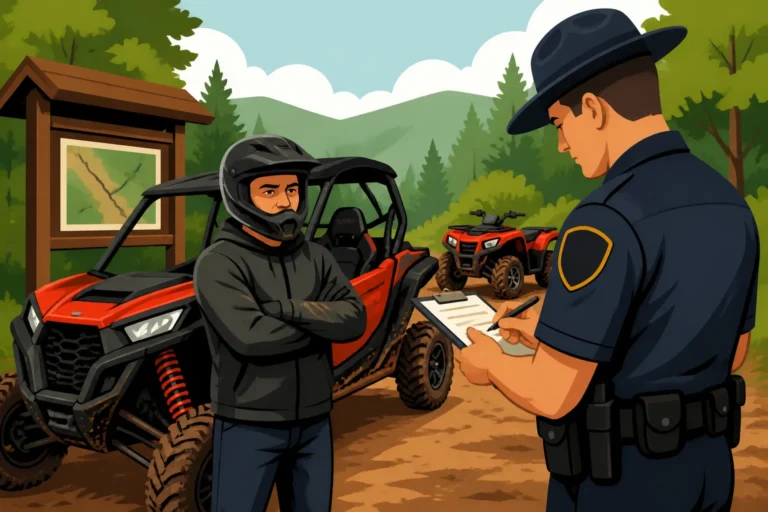
Imagine this scenario: you're out enjoying a perfect day on Pennsylvania's incredible ATV trails, maybe at the Anthracite Outdoor Adventure Area or exploring a state forest. The sun is shining, the engine is humming, and you're feeling completely in the moment. Then, you pull into a staging area or cross a designated road, and a DCNR ranger waves you over for a routine check. They ask for your registration, your safety certificate, and then, the crucial one: your proof of insurance. Suddenly, that perfect day could sour if your insurance card is nowhere to be found, or worse, if it's a soggy, illegible mess from an unexpected creek crossing. This guide is dedicated to helping Pennsylvania ATV and UTV riders understand exactly what constitutes valid proof of insurance, why it's so important, and most importantly, how to keep it safe, dry, and readily accessible, perhaps in a durable wallet card holder, to avoid unnecessary fines and stress.
The Absolute Imperative of Carrying ATV Insurance Proof in Pennsylvania
It's not just a suggestion; carrying proof of valid ATV insurance when you're riding anywhere off your own private property in Pennsylvania is a legal requirement. This isn't about being overly bureaucratic; it's about ensuring that if something goes wrong – whether it's a minor fender-bender on a trail or a more significant incident involving property damage or injury to another person – there's a safety net in place. Many riders, especially those new to the sport or those transitioning from owning only cars, sometimes assume their regular auto or homeowner's policy will cover their ATV. Often, that's not the case at all, or the coverage is extremely limited when you're off-road.
The Pennsylvania Department of Conservation and Natural Resources (DCNR) and law enforcement take this seriously because ATVs and UTVs, while incredibly fun, carry inherent risks. Without insurance, an accident could lead to devastating financial consequences for you and any other parties involved. Think about a scenario where you're navigating a tight turn on a shared trail in Sproul State Forest and accidentally clip another rider's machine, causing damage. Or imagine you're crossing a joint-use road and misjudge a puddle, splashing mud onto a passing car and damaging its paint. In these situations, your liability insurance is what steps in to cover the costs, protecting your assets and ensuring repairs or medical bills are addressed. It truly is part of being a responsible rider, just like wearing a helmet and respecting trail rules. You can find more detail on this requirement in [Pennsylvania's Mandatory Insurance Off Your Own Land].
Why "Off Your Own Land" Matters So Much
The phrase "off your own land" is the key here. If you're riding your ATV exclusively on property you own, a family farm, or private land where you have explicit permission and there's no public access, the state generally doesn't mandate insurance. However, the moment you leave that private domain and enter public lands, designated ATV trails, state forests, township roads opened to ATVs, or even just cross a highway, the insurance requirement kicks in. This is why you'll often see DCNR rangers conducting checks at trailheads or along popular routes in areas like Whiskey Springs or Bloody Skillet. They're not trying to ruin your day; they're ensuring everyone is compliant with the law and that the trail system remains safe and sustainable for all users. The regulations are designed to protect everyone, including the trails themselves, by having financial backing in case of unforeseen circumstances. Even if you're just using a short connector route between trails, say, riding on [Pennsylvania's Designated ATV Roads], you must carry proof.
The Peace of Mind Factor
Beyond the legal obligation, carrying proof of insurance offers immense peace of mind. No one wants an accident, but they happen. Knowing you're covered, and having that proof readily available, allows you to focus on the ride rather than worrying about potential legal or financial repercussions. It demonstrates to authorities that you are a responsible operator and reduces friction during any interaction. When you're out on the trails, especially in more remote areas, the last thing you want is a legal issue that could interrupt your adventure, lead to a hefty fine, or even worse, put your machine out of commission. It’s a small piece of paper (or a digital file), but it represents a significant layer of protection. Understanding [Pennsylvania ATV Insurance Requirements for Trails] is a crucial step towards this peace of mind.
What Constitutes Valid Proof of ATV Insurance in Pennsylvania
When a DCNR ranger or police officer asks for your proof of insurance in Pennsylvania, they're looking for specific information to verify that you are currently covered. This isn't just any old piece of paper; it needs to be an official document from your insurance provider that clearly shows you have an active policy for the specific ATV or UTV you are operating.
The Physical Insurance Card
The most common and universally accepted form of proof is your physical insurance card. This small, durable card is typically issued by your insurance company. It should clearly display:
- Your Name: The policyholder's name.
- Policy Number: A unique identifier for your insurance policy.
- Effective Dates: The start and end dates of your coverage period. This is critical, as an expired card is essentially no proof at all.
- Vehicle Information: The year, make, model, and Vehicle Identification Number (VIN) of your ATV or UTV. This ensures the proof matches the machine you are riding.
- Insurance Company Name: The name of your insurance provider.
- Coverage Type: While the card might not detail every aspect of your coverage, it confirms the existence of a valid policy.
Keeping this card in pristine condition is paramount. A faded, torn, or water-damaged card might raise questions, even if the policy is active. Think of it like your driver's license for your off-road vehicle; it needs to be legible and clearly presented.
Digital Proof: A Modern Convenience with Caveats
In today's digital age, many insurance companies offer digital insurance cards or policy documents that you can access on your smartphone. While these are often accepted for routine traffic stops with cars, their acceptance in the less predictable environment of ATV trail checks can vary. Some DCNR rangers are equipped and willing to view digital proof, but others might prefer a physical document, especially in areas with spotty cell service.
If you choose to rely on digital proof, consider these points:
- Battery Life: Your phone's battery could die unexpectedly, leaving you without proof.
- Signal Issues: Many of Pennsylvania's most beautiful riding areas are also notoriously remote, meaning you might not have the signal to access your digital card from an app or email.
- Screen Damage: A cracked screen can render your proof unreadable.
- Legibility: The small screen on a phone can be harder to read for an officer, especially in bright sunlight or inclement weather.
While digital proof offers convenience, it's always a safer bet to have a physical copy as a backup. Don't let your smartphone be the sole keeper of such important information, especially when you're deep in the forest. When a ranger performs a check, like what you might experience during [What a Ranger Checks at a Trailhead], having that physical card is often the quickest and smoothest way to proceed.
What Doesn't Count as Proof
It's equally important to know what doesn't count as valid proof of insurance. This includes:
- An Expired Card: If the "effective through" date has passed, it's not valid. You need current coverage.
- A Card for a Different Vehicle: Your car insurance card won't cover your ATV. The proof must specifically be for the off-road vehicle you are operating.
- A Photo of an Old Card: Just because you have a picture doesn't mean it's current.
- A Business Card from Your Agent: While helpful for contact, it's not proof of your policy.
- Simply Stating You Have Insurance: You need to show the documentation.
Always double-check your policy dates and ensure the information on your card matches your machine. It's a quick verification that can save you a lot of trouble on the trail.
| Document Type | Validity for PA ATV Insurance Proof | Key Considerations |
|---|---|---|
| Physical Insurance Card | Valid | Must be current, legible, and for the specific ATV. |
| Digital Insurance Card (App) | Often Valid | Contingent on phone battery, signal, and officer's discretion. |
| Full Policy Declaration Page | Valid | Can be bulky; useful as a home backup, less practical on trail. |
| Photo of Expired Card | Not Valid | Must show current dates. |
| Automobile Insurance Card | Not Valid | ATV policies are distinct from auto policies. |
| Agent's Contact Info | Not Valid | Does not prove active coverage for your machine. |
Safeguarding Your Proof: The Wallet Card Holder and Beyond
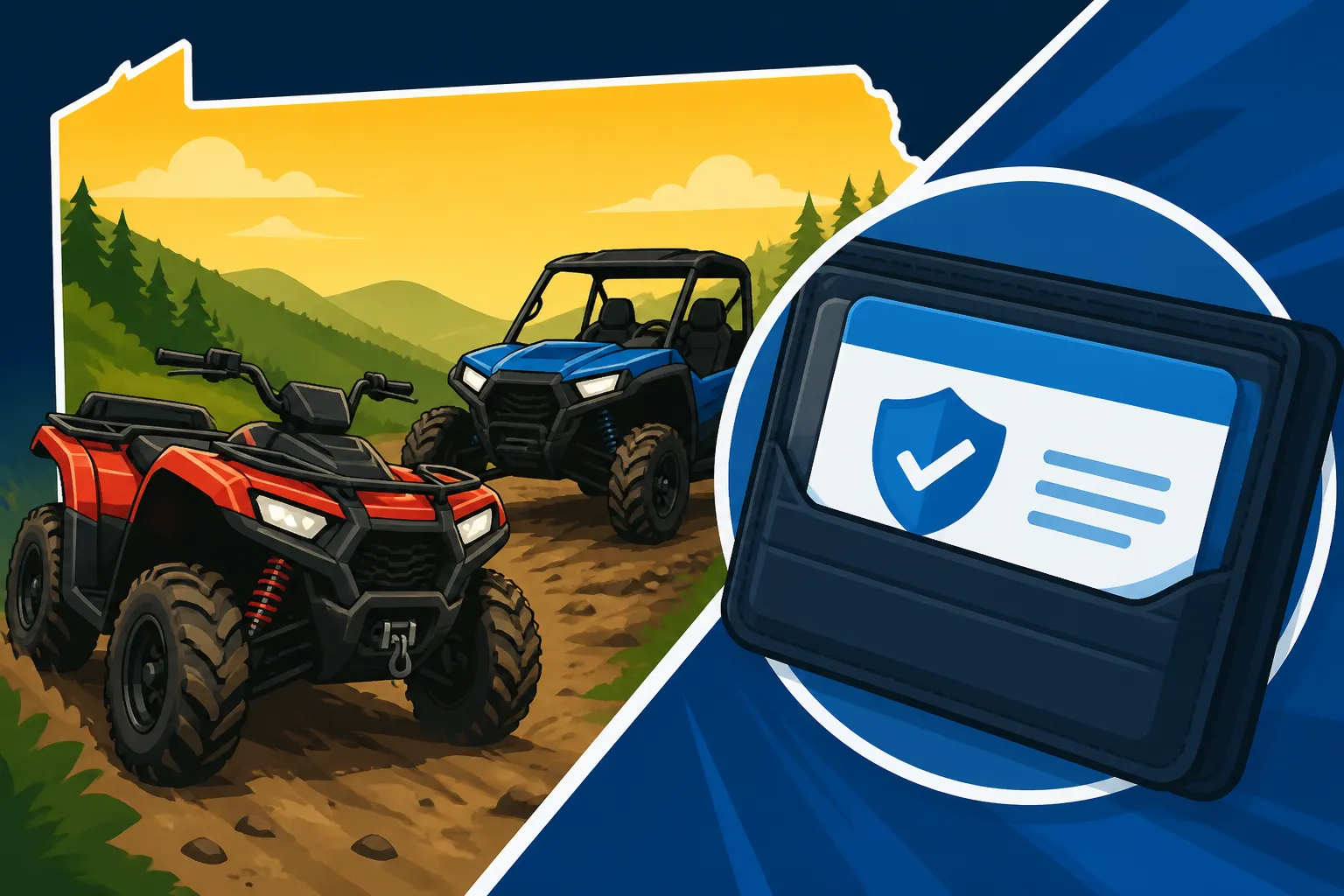
Now that we understand what proof of insurance is, the next crucial step is ensuring you can present it effectively when asked. This is where a robust and accessible storage solution, like a quality wallet card holder, becomes your best friend on the trails. The environments we ride in – mud, dust, rain, sweat, vibrations – are inherently hostile to paper documents. Just stuffing your insurance card in a back pocket or a standard wallet is a recipe for disaster.
The Indispensable Wallet Card Holder
A dedicated wallet card holder, especially one designed for outdoor or active use, is an absolute game-changer. Here's what to look for:
- Waterproof/Water-Resistant: This is non-negotiable. Whether it's a sudden downpour, a splash through a deep creek, or just accumulating sweat from a long ride, moisture is the enemy of paper. Look for holders with sealed zippers, roll-top closures, or made from truly impervious materials. Some feature clear plastic windows that allow you to display the card without even removing it, further protecting it from the elements. This also helps with [Keeping Paperwork Dry on a Wet Trail].
- Durable Materials: Off-road riding means bumps, scrapes, and abrasion. Your holder should be made of tough, rip-resistant nylon, reinforced vinyl, or robust plastic that can withstand abuse. Flimsy materials will quickly fail.
- Secure Closure: Zippers, Velcro, or snaps should be sturdy and reliable. You don't want your card falling out mid-ride.
- Compact Size: While needing to be protective, it shouldn't be cumbersome. A holder that fits easily into a pocket or a small compartment on your machine is ideal.
Many riders choose a small, zippered, waterproof pouch specifically for all their essential documents: not just insurance, but also their DCNR wallet card (from their [Why Both Pennsylvania Registrations Include a Wallet Card]), safety certificate, and perhaps even a few emergency dollars. This keeps everything together and protected.
Strategic Placement for Accessibility and Security
Once you have the right holder, where you keep it is equally important. It needs to be easily accessible for when a ranger asks, but also secure enough that it won't get lost or damaged during your ride.
- On Your Person: This is often the safest bet for critical documents. A zippered chest pocket on your riding jacket, a secure pocket on your riding pants, or a small hydration pack with a dedicated waterproof compartment are all excellent choices. If you crash, your machine might be damaged or separated from you, but your documents will still be with you.
- On Your Machine: If you prefer to keep documents with your ATV, invest in a quality, waterproof storage solution that is securely attached.
- Tank Bags: Small tank bags, especially those designed for ATVs, often have clear-top map pockets or dedicated waterproof compartments perfect for documents. Many durable accessories from brands like SuperATV can offer great storage options for your important documents, including those that attach directly to your handlebars or tank.
- Fender Bags/Rear Storage Boxes: Many ATVs and UTVs have small, waterproof storage boxes or fender bags. Ensure these are truly waterproof and securely latched.
- Glove Compartment (UTVs): If your UTV has a glove compartment, place your waterproof document holder inside it. This provides an extra layer of protection and keeps it out of direct elements.
Avoid loose storage in open compartments, under seats where moisture can seep in, or in any place where it can easily vibrate out or become crushed. The goal is to keep it dry, intact, and available for when you need it most. Just like you wouldn't hit a tough trail without the right tires or perhaps a winch from SuperATV for recovery, you shouldn't ride without your proper insurance documentation securely stowed.
The Steep Cost of Forgetting or Losing Your Insurance Proof
It’s easy to think, "Oh, I have insurance, so it's fine." But in Pennsylvania, simply having insurance isn't enough if you can't prove it when asked. The consequences of not being able to produce valid proof of insurance can be significant and quickly turn a fun day of riding into a costly headache. The state's regulations are clear, and the penalties are designed to deter non-compliance.
The Automatic $300 Fine
The most immediate and impactful consequence of failing to provide proof of insurance for your ATV or UTV when operating off your own land in Pennsylvania is an automatic fine. We're not talking about a small, easily dismissed ticket here. Pennsylvania has an [Pennsylvania Fines for No ATV Insurance] that can hit you with an automatic minimum fine of $300. This is a substantial penalty that can quickly make your day of riding incredibly expensive, and it applies even if you actually do have insurance but just can't find or produce the valid proof at the time of the check.
Imagine being pulled over at a trail inspection point in Bald Eagle State Forest. The ranger asks for your documents, and you realize your insurance card is still sitting on your kitchen counter, or perhaps it slipped out of your pocket somewhere on the trail. Even if your policy is fully active, the inability to provide the physical proof right then and there can result in that $300 fine. This can be particularly frustrating when you know you're compliant but simply made a mistake with your paperwork.
Cost of Prosecution Adds to the Burden
Beyond the initial fine, you'll likely incur additional costs that compound the financial burden. The "cost of prosecution" refers to the administrative fees and court costs associated with processing your citation. This can add a significant amount on top of the initial $300 fine, making the total outlay even higher. So, a simple oversight could easily cost you $400, $500, or more, depending on the specific charges and local court fees. For many riders, that's a new set of tires, a significant upgrade from SuperATV, or several tanks of fuel for multiple riding trips gone in an instant, simply because a piece of paper wasn't in the right place. You can read more about this in [Cost of Prosecution on Top of a Fine].
Potential for Further Legal Action
While less common for a first offense of simply not having proof of insurance (compared to actually not having insurance), repeated offenses or involvement in an accident without readily available proof could lead to more severe legal entanglements. It can complicate accident claims, delay investigations, and potentially lead to your machine being impounded in certain circumstances, though typically this is for more serious violations like riding an unregistered ATV, which carries its own separate [Pennsylvania Fines for an Unregistered ATV]. The hassle alone of dealing with legal proceedings, even for a minor infraction, is something every rider wants to avoid.
Avoiding the Pitfall: Be Prepared
The best defense against these fines and headaches is proactive preparedness. Always assume you will be asked for your documents, just as you would expect to show your driver's license if pulled over in your car. Before every ride:
- Verify Coverage: Check your insurance card to ensure the policy is current and covers the specific ATV/UTV you're riding.
- Use a Wallet Card Holder: Invest in a high-quality, waterproof holder.
- Strategic Placement: Store the holder in a secure, accessible, and dry location on your person or on your machine.
- Digital Backup (Optional, but useful): Have a digital copy on your phone, but understand its limitations and don't rely on it exclusively.
Taking these simple steps can save you a significant amount of money and ensure that your riding adventures remain focused on the fun and exhilaration, rather than the stress of dealing with an avoidable legal issue. Make it a routine, just like checking your tire pressure or fuel level before you hit the trail.
Disclaimer
This article is for general informational purposes only and does not constitute professional advice. Laws, prices and regulations vary by location and change over time. Consult a qualified professional for guidance on your specific situation.