Pennsylvania Rules for Riding a Rail Trail
It's easy to see Pennsylvania's beautiful rail trails stretching for miles and immediately think, "Wow, what an incredible place to ride my ATV!" But that tempting thought often hits a wall of confusion and frustration when you realize that most of these scenic paths aren't actually open to off-road vehicles. This guide is here to cut through that confusion, explain the realities of rail trail access for ATVs in Pennsylvania, and help you understand where you can legally and safely enjoy your machine.
Understanding Pennsylvania's Rail Trails and Their Purpose
Pennsylvania boasts an impressive network of rail trails, which are essentially former railway lines that have been converted into multi-use recreational paths. These trails weave through stunning landscapes, old towns, and sometimes even through historical industrial areas, offering a unique way to experience the state. They're often maintained by the Pennsylvania Department of Conservation and Natural Resources (DCNR), local municipalities, or dedicated non-profit organizations.
What Defines a Rail Trail?
The key characteristic of a rail trail is its origin: it follows the path of an old railroad. This means they are typically long, relatively flat, and have gentle grades, making them ideal for activities like walking, jogging, bicycling, and sometimes even horseback riding. The surfaces can vary from crushed limestone to asphalt, packed dirt, or gravel, designed to accommodate non-motorized traffic primarily. They offer a quiet, serene escape from roads and traffic, and that's precisely their intended appeal.
For many years, communities have invested significant time and resources into transforming these defunct railway corridors into public amenities. The goal is often to provide greenways for recreation, promote healthy lifestyles, and connect communities. This vision for tranquil, non-motorized use guides the rules and regulations for how these trails are managed and accessed. You'll find signs at most trailheads clearly indicating permitted activities, and unfortunately for ATV enthusiasts, motorized vehicles are almost universally excluded.
Non-Motorized Focus and Management
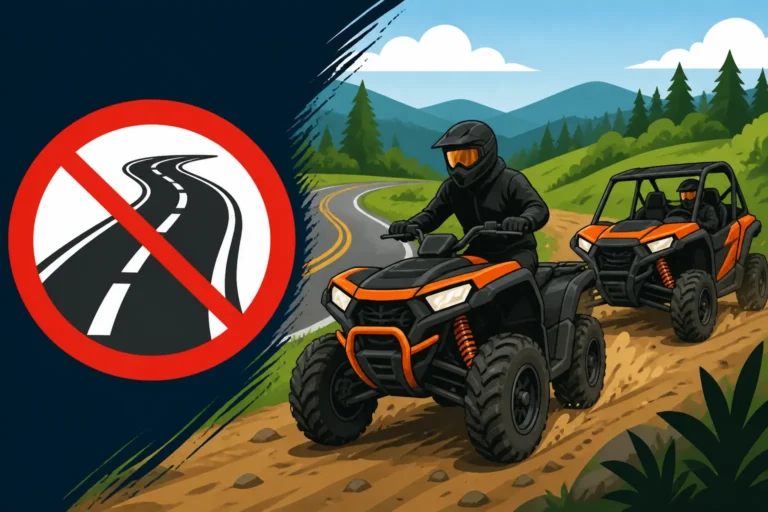
The vast majority of Pennsylvania's rail trails are explicitly designated for non-motorized recreation. This isn't an arbitrary decision; it's rooted in the very purpose of these trails. They're designed to be peaceful havens for those seeking exercise or a connection with nature without the noise or speed of motorized vehicles. Imagine trying to enjoy a quiet bike ride with your family or a peaceful hike only to be buzzed by an ATV or UTV – it defeats the entire purpose of a rail trail. [Pennsylvania Rules for Riding a Rail Trail] is a topic that comes up frequently precisely because of this perceived disconnect.
Local authorities and the DCNR manage these trails with a strong emphasis on maintaining this non-motorized environment. Funds for maintenance, signage, and amenities are often allocated with this specific use in mind. Introducing ATVs and UTVs would not only conflict with the user experience but also require a completely different set of infrastructure, safety measures, and maintenance protocols that simply aren't in place or budgeted for these trails. This is why you'll rarely, if ever, see a rail trail advertised as an ATV-friendly destination.
Why ATVs are Generally Not Permitted on Rail Trails
The reasons behind the widespread restriction of ATVs and UTVs on Pennsylvania's rail trails are practical, safety-focused, and based on preserving the intended user experience. It's not a slight against ATV riders but rather a reflection of how these specific recreational assets are designed and managed.
Safety Concerns and User Conflicts
One of the primary concerns is safety. Rail trails are frequented by walkers, runners, cyclists, and families with young children or pets. These users often move at slower speeds and might not be accustomed to, or prepared for, the presence of faster, heavier off-road vehicles. The speed and maneuverability of ATVs, even when operated responsibly, can create dangerous situations in environments designed for pedestrian and bicycle traffic. A sudden encounter on a blind curve could lead to serious accidents.
Think about a busy Saturday morning on a popular rail trail near a town like State College or Doylestown. You have strollers, kids on training wheels, and groups of cyclists sharing a relatively narrow path. Introducing ATVs into that mix would be a recipe for disaster. The potential for serious injury or even fatality is too high, and the managing bodies err on the side of caution to protect the most vulnerable users. This is a significant factor in shaping [Pennsylvania Rules for Riding a Rail Trail].
Impact on Trail Surfaces and Infrastructure
Another major reason for the prohibition is the impact ATVs and UTVs have on the trail surface itself. As mentioned, many rail trails feature crushed limestone, packed dirt, or fine gravel. These surfaces are durable for foot and bicycle traffic but are not designed to withstand the weight, torque, and aggressive tires of off-road vehicles. ATV tires can quickly churn up and degrade these surfaces, creating ruts, washouts, and loose spots that become hazards for non-motorized users.
Repairing this kind of damage is costly and time-consuming, pulling resources away from other trail maintenance needs. Furthermore, bridges and culverts on rail trails are typically rated for pedestrian and bicycle loads, not the heavier weights of ATVs and UTVs, especially when factoring in multiple machines or loaded utility vehicles. It’s an infrastructure concern that cannot be overlooked, and it’s a key reason why you won’t see products like heavy-duty axles or lift kits from brands like SuperATV being promoted for rail trail use.
Preserving the Non-Motorized Experience
Ultimately, restricting ATVs from rail trails is about preserving the core experience these trails are meant to offer: a peaceful, quiet, and car-free environment. People flock to rail trails specifically for the tranquility, the ability to hear birdsong, or to enjoy a conversation without the drone of an engine. The noise and exhaust associated with even well-maintained ATVs fundamentally alter that experience.
Many individuals seek out rail trails as an escape from the motorized world, a place where they can reconnect with nature at a slower pace. Allowing ATVs would directly conflict with this desire, displacing a significant portion of the current user base and undermining the extensive efforts to establish these green corridors. The state views these trails as valuable non-motorized assets, and maintaining that designation is a priority.
Exceptions, Consequences, and Alternatives for Pennsylvania Riders
While the general rule is "no ATVs on rail trails," it's natural to wonder if there are any exceptions or if there are other places where you can enjoy your machine legally in Pennsylvania. Understanding the consequences of unauthorized riding and knowing your legitimate options is crucial for every responsible rider.
Are There Any ATV-Permitted Rail Trail Segments?
It's extremely rare to find a traditional "rail trail" in Pennsylvania that permits ATVs. Any segment that does allow motorized use will be clearly marked as such and will generally be part of a larger designated multi-use ATV trail system, rather than a typical DCNR-managed rail trail. These would be exceptions where a former rail bed has been incorporated into a purpose-built ATV trail, with appropriate surfacing and signage.
However, do not mistake a lack of "no ATVs" sign for permission. The default assumption for any rail trail in Pennsylvania should be that motorized vehicles are prohibited unless explicitly stated otherwise by official signage and DCNR or local authority maps. Checking official DCNR maps or contacting local trail managers directly is the only reliable way to confirm trail designations. Never rely on unofficial sources or assume access. Remember, ignorance of the rules isn't an excuse, and riding where you shouldn't can lead to significant penalties. You might also want to review [Pennsylvania's Designated ATV Roads] for other limited road access.
Consequences of Unauthorized Riding
Riding an ATV on a prohibited rail trail isn't just a minor infraction; it can lead to serious consequences. Pennsylvania law is clear about where ATVs can and cannot operate, and unauthorized use of trails designated for non-motorized recreation falls under illegal operation. The potential penalties can include substantial fines, confiscation of your vehicle, and even legal action for property damage if your machine creates ruts or other issues. [Pennsylvania ATV Fines for Riding Illegally] can be quite steep, often starting in the hundreds of dollars for a first offense, not including court costs.
Beyond legal repercussions, there's the damage to the broader ATV riding community's reputation. When a few riders disregard rules, it fuels negative perceptions of all ATV enthusiasts and can lead to increased restrictions on legitimate riding areas. Responsible riding means respecting all posted regulations and ensuring you're only on trails where your machine is explicitly allowed. This includes having proper [Pennsylvania ATV Registration and Trail Access] for any legal riding areas.
| Trail Type | Primary Use | ATV/UTV Access | Typical Surface | Managing Authority |
|---|---|---|---|---|
| Rail Trail | Biking, Walking, Hiking | Generally NO | Crushed Stone, Asphalt | DCNR, Local Municipalities, Non-Profits |
| State Forest ATV Trail | ATV, UTV, Dirt Bike | YES (Permit Req.) | Dirt, Gravel, Rock | DCNR Bureau of Forestry |
| Private ATV Park | ATV, UTV, Dirt Bike, 4×4 | YES (Fee Req.) | Varied (Mud, Rock, Dirt) | Private Operators (e.g., AOAA, Rock Run) |
| Designated Joint-Use Roads | Licensed Vehicles, ATV/UTV | YES (Specific Roads) | Paved, Gravel | Local Townships, Boroughs (Posted with Green Signs) |
Legitimate Alternatives for ATV Riding in Pennsylvania
Instead of trying to find elusive rail trail segments, focus your energy on the fantastic, legal riding opportunities Pennsylvania does offer. The state has a robust network of designated ATV trails and private parks that cater specifically to off-road enthusiasts. These areas are designed for your machines, with appropriate surfacing, signage, and safety protocols in place.
- State Forest ATV Trails: The DCNR Bureau of Forestry manages numerous multi-use trails within Pennsylvania's vast state forest system. These trails are specifically designed and maintained for ATV and UTV use, often providing hundreds of miles of riding. You'll need to purchase a [Pennsylvania ATV Trail Permits Explained] for these trails, but it’s a small price to pay for legal, well-maintained riding. Explore areas like Whiskey Springs or Bloody Skillet in the Northcentral region. [Pennsylvania State Forest Trails] offer a fantastic experience for all skill levels.
- Private ATV Parks: Pennsylvania is also home to world-class private riding parks like the Anthracite Outdoor Adventure Area (AOAA) in Coal Township or Rock Run Recreation Area in Cambria County. These parks offer extensive trail networks, often with diverse terrain, from mild to extreme. They operate on a fee-for-entry basis and provide a safe, managed environment for all types of off-road vehicles. Many riders turn to parks like these to really test their machines and gear, including performance upgrades from companies like SuperATV.
- Club Trails: Many private riding clubs lease land specifically for ATV use. Becoming a member of such a club can grant you access to exclusive trails and a community of like-minded riders. [Riding Private Club Land in Pennsylvania] is a great way to expand your riding options.
- Designated Township Roads: Some townships in Pennsylvania have designated specific roads for ATV use to connect trails or access services. These are always clearly marked with green signs. Check with local municipal offices for lists of these roads. Remember, [Pennsylvania's Designated ATV Roads] have specific rules you must follow.
By focusing on these legitimate avenues, you can enjoy your ATV or UTV without the stress of illegal riding or the risk of fines. Equip your machine with quality parts, like those from SuperATV, designed for true off-road adventures, and spend your time where you're truly welcome. Remember, responsible riding contributes to the sustainability and growth of the sport in Pennsylvania.
Disclaimer
This article is for general informational purposes only and does not constitute professional advice. Laws, prices and regulations vary by location and change over time. Consult a qualified professional for guidance on your specific situation.