Riding a Road That Is Not Posted
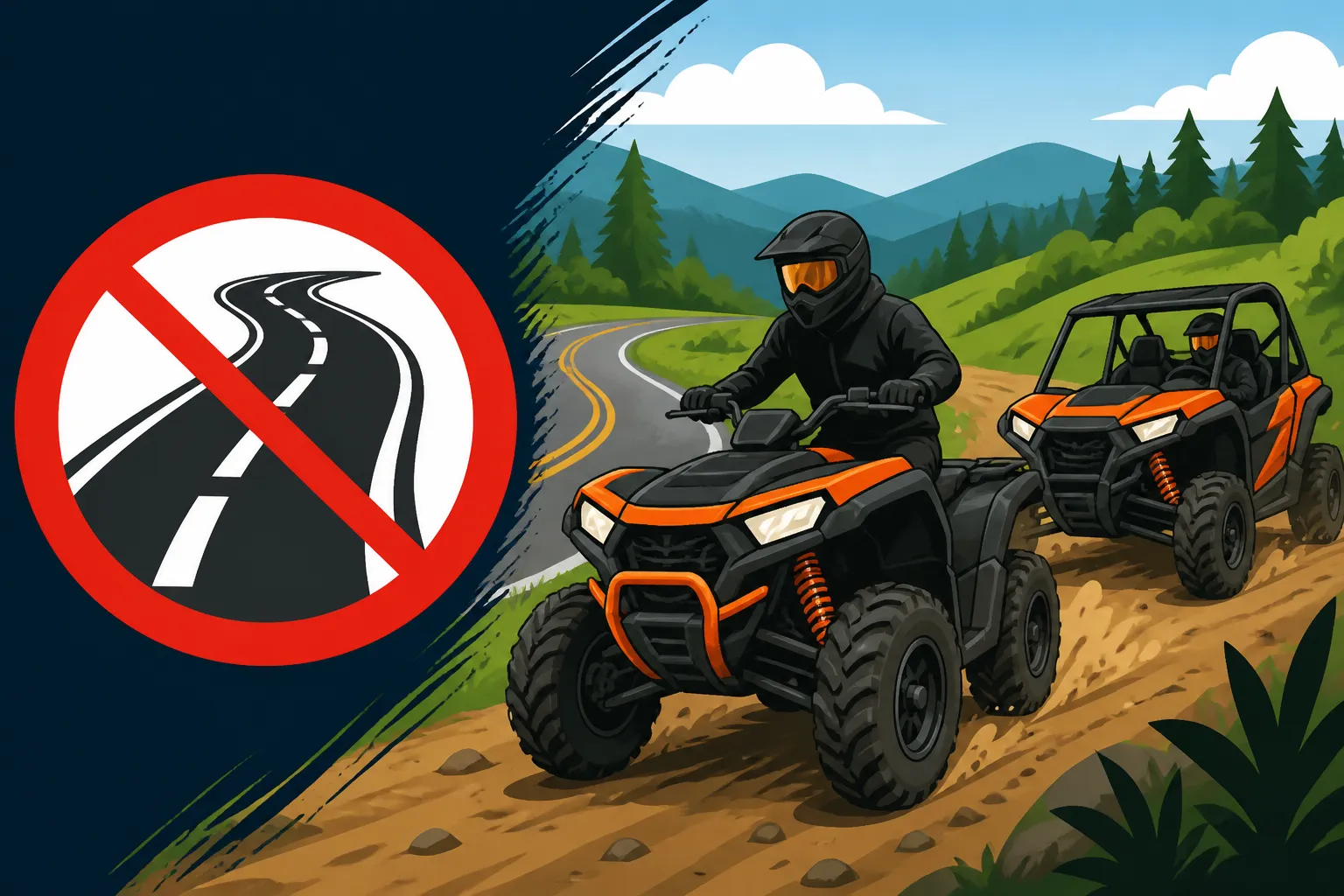
Picture this: you're out riding your ATV or UTV in Pennsylvania, enjoying the scenery, and you come across a dirt or gravel road that doesn't have any "No ATVs" signs posted. Your first thought might be, "Great! This looks like a perfect route to explore." It's a common misconception that if a road isn't explicitly marked as closed to ATVs, it must be open. Unfortunately, in Pennsylvania, that line of thinking can quickly lead to trouble. This guide is here to help you understand the specific rules and realities of riding unposted roads, saving you from potential fines, legal headaches, and a whole lot of frustration.
The Harsh Reality: Why Unposted Roads Are (Mostly) Off-Limits in Pennsylvania
It's tempting to think that "no sign means go," especially when you're looking at a quiet rural road that seems perfect for an off-road adventure. But when it comes to ATVs and UTVs in Pennsylvania, the law operates on the principle that if a road isn't expressly designated for ATV use, it's generally considered off-limits. This can be a tough pill to swallow for riders who just want to enjoy the vast landscapes our state offers, but understanding this fundamental rule is critical to staying legal and avoiding costly mistakes.
The Letter of the Law: What Pennsylvania Code Says
Pennsylvania's legal framework for ATVs and UTVs is quite specific, primarily governed by Title 75 of the Pennsylvania Consolidated Statutes (Vehicles) and Title 17, Chapter 51 of the Pennsylvania Code (Snowmobile and ATV Law). Unlike passenger vehicles, which are generally permitted on any public road unless specifically prohibited, ATVs and UTVs are treated differently. The law defines where these machines can be operated, rather than where they cannot. This means that unless a road has been specifically designated and marked for ATV use by the appropriate authority – like the Department of Conservation and Natural Resources (DCNR) for state forest lands, or a local municipality for their roads – it's typically off-limits.
Think of it this way: you wouldn't assume you could drive your street-legal car on a hiking trail just because there isn't a "No Cars" sign at the entrance. It's the same principle here. ATVs and UTVs are specialized vehicles, and their operation is restricted to specific areas. Trying to find loopholes or relying on the absence of a sign to justify riding on an unposted road is a risky gamble. It's often the lack of a "green sign" or other official markers that should tell you to proceed with extreme caution, or better yet, to turn around.
The Absence of Permission: Why "Not Posted" Doesn't Mean "Open"
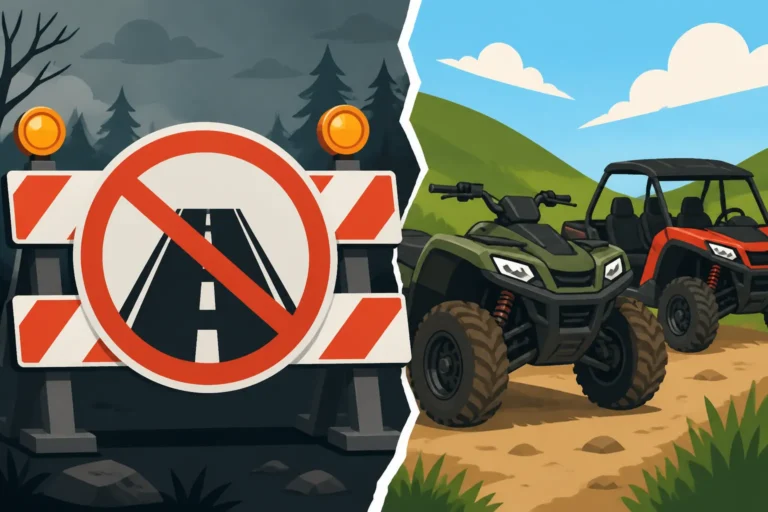
The core issue with unposted roads is the absence of official permission. When you see a road without any "No ATV" signs, it doesn't automatically imply that the state, county, or township has given their blessing for off-road vehicle use. More often than not, it means the road falls into the vast category of public thoroughfares that simply aren't intended for ATV or UTV traffic. The authorities don't have to post every single road they don't want ATVs on; the general rule stands that ATVs are restricted unless designated otherwise.
Many riders find this incredibly frustrating, and rightly so. It feels counterintuitive. You might ride on these roads for years without incident, leading to a false sense of security. But then one day, a local law enforcement officer or DCNR ranger might be on patrol, and suddenly, that quiet, unposted road becomes the site of an expensive citation. It's not about being sneaky; it's about being informed. A road could be unposted for a variety of reasons, from being a less-traveled service road to a simple oversight by the municipality, but none of those reasons grant you legal permission to ride there. [Riding a Road That Is Not Posted] is a common trap for new and experienced riders alike.
Understanding Designated Routes and Their Exceptions
While the default rule for unposted roads is generally "closed," Pennsylvania does have designated routes and specific exceptions where ATVs and UTVs are permitted. Knowing the difference is key to legal and enjoyable riding. It's not all doom and gloom; there are many miles of fantastic trails and specific road types where your machine is welcome.
How a Road Becomes Officially Open to ATVs and UTVs
For an ATV or UTV to be legally operated on a road that isn't part of a dedicated trail system, that road must be explicitly designated for such use. This designation typically involves a formal process by the owning authority, whether it's the DCNR for state forest roads, or a borough or township for local streets. Often, you'll see specific signage indicating that the road is a "joint-use road" or a "designated ATV road." These are usually green signs, clearly stating that ATVs are permitted. Without this official designation and corresponding signage, you should assume the road is closed to your machine. [What the Green Sign on a Township Road Means] is a critical piece of information for any Pennsylvania rider.
It's also important to remember that even on designated roads, there might be specific rules about speed, time of day, or other operational requirements. For example, some joint-use roads might only allow ATVs to connect between trail systems, not for recreational cruising. Always look for these specific green signs and any accompanying regulatory information. If you're unsure, checking with the local municipality or the DCNR website for their specific trail maps and regulations is always the safest bet. Brands like SuperATV offer great accessories, from enhanced lighting to durable tires, which make your machine more capable, but those upgrades are best enjoyed on clearly designated and legal riding areas.
Limited Exceptions: Agricultural Use and Road Crossings
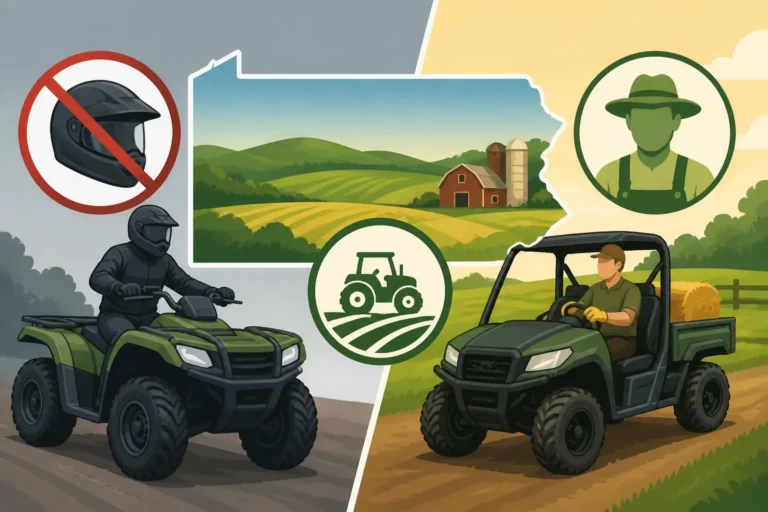
Pennsylvania law does provide for a few specific, limited exceptions where ATVs and UTVs can be operated on certain public roads, even if they aren't fully designated ATV routes. One of the most common exceptions is for agricultural purposes. If you're a farmer and you need to move your ATV or UTV from one field to another, or to access farm equipment, you might be permitted to ride on certain public roads for short distances. This exception is very specific, however, and doesn't apply to recreational riding. You can't claim you're going to "inspect a crop" if you're just out for a joyride. [The Farm and Business Exemption in Pennsylvania] clarifies these specific rules.
Another crucial exception involves crossing a highway or road. In Pennsylvania, you are generally allowed to cross a public road or highway at a right angle (90 degrees) to get from one legal riding area to another, provided you stop, yield to all traffic, and the crossing is done safely and directly. This is not an invitation to ride along the road for any distance, but merely to traverse it quickly and safely. This exception is designed to allow riders to navigate public infrastructure when trail systems are on opposite sides of a road. Both of these exceptions are narrow and require strict adherence to safety and traffic laws, and they should never be interpreted as permission to ride freely on unposted roads.
The Steep Consequences of Riding Illegally
Riding on roads that are not posted as open might seem like a minor transgression, especially if you're deep in the woods or on a rarely traveled path. However, the consequences in Pennsylvania can be far more severe and financially draining than many riders anticipate. Ignorance of the law is not an excuse, and law enforcement officers and DCNR rangers take these violations seriously, especially as they pertain to public safety and environmental protection. [Pennsylvania Fines for Riding Illegally] can be a real wake-up call for those who take chances.
Fines, Penalties, and the Cost of a Bad Decision
The most immediate consequence of riding an ATV or UTV on a closed or undesignated road in Pennsylvania is a hefty fine. The base fine for operating an unregistered or illegally operated ATV can be substantial, and that's often just the beginning. On top of the fine, you'll also be responsible for court costs, administrative fees, and potentially other surcharges. These can quickly add up, turning a casual ride into a multi-hundred-dollar mistake. It's not uncommon for a single citation to cost a rider well over the [Pennsylvania ATV Registration Cost] for an entire two-year period, making the decision to ride illegally a poor financial gamble.
Consider a scenario: you're riding an unposted gravel road that connects two legitimate hunting camp properties, thinking no one will notice. Suddenly, a DCNR ranger appears. You could be cited for illegal operation, and the total cost might be more than you’d pay for a full year of trail permits across multiple state forests. It’s a sobering thought. Furthermore, repeated offenses can lead to even higher fines and more serious penalties. It's not just about getting caught; it's about the significant financial hit that comes with it.
Vehicle Impoundment and Other Hidden Headaches
Beyond the fines, riding illegally can lead to even more significant problems, including the impoundment of your ATV or UTV. If a law enforcement officer deems your operation to be in violation, they have the authority to seize your machine. This means your ATV will be towed and stored, and you'll be responsible for all towing and storage fees, which can quickly accumulate. Reclaiming your machine can be a lengthy and expensive process, adding insult to injury on top of your fines. Imagine having your prized machine, perhaps outfitted with high-quality components from SuperATV, sitting in an impound lot while you deal with legal proceedings.
| Violation Type | Potential Consequences | Impact on Rider |
|---|---|---|
| Riding on Undesignated Road | Significant Fines, Court Costs, Administrative Fees | Immediate financial burden, potential for legal record. |
| Unregistered ATV | Automatic $300 fine plus additional penalties (often accompanies illegal road use). | Higher overall fines, machine cannot be legally ridden anywhere until registered. |
| Operating Under Age / Without Safety Certificate | Fines, potential suspension of future riding privileges. | Jeopardizes a minor's ability to ride legally, requires re-certification. |
| Property Damage / Environmental Damage | Fines, restitution for damages, potential criminal charges, loss of riding privileges. | Severe financial and legal repercussions, long-term impact on reputation and access to trails. |
| Vehicle Impoundment | Towing fees, daily storage fees, court costs to release vehicle. | Machine is inaccessible, expensive to retrieve, significant inconvenience. |
Beyond impoundment, there's the risk of civil liability if you cause any property damage while riding illegally. If you inadvertently damage private property, a farmer's field, or even public infrastructure like culverts, you could be sued for the cost of repairs. This could quickly outweigh any perceived enjoyment of riding on an unposted road. There's also the often-overlooked factor of insurance. Most ATV insurance policies require you to operate your machine legally. If you're involved in an accident while riding on an undesignated road, your insurance company might deny your claim, leaving you personally responsible for medical bills, property damage, and legal fees.
Finding Legal and Approved Places to Ride Your Machine
So, if riding unposted roads is largely a no-go, where can you ride legally and without constantly worrying about fines or impoundment? Pennsylvania offers a fantastic array of designated riding opportunities, from extensive state forest trails to privately operated parks and clubs. The key is to seek out and stick to these approved areas, ensuring a stress-free and enjoyable experience. [Where to Ride an ATV in Pennsylvania] is a great resource for discovering these locations.
Exploring Pennsylvania's State-Designated Trail Systems
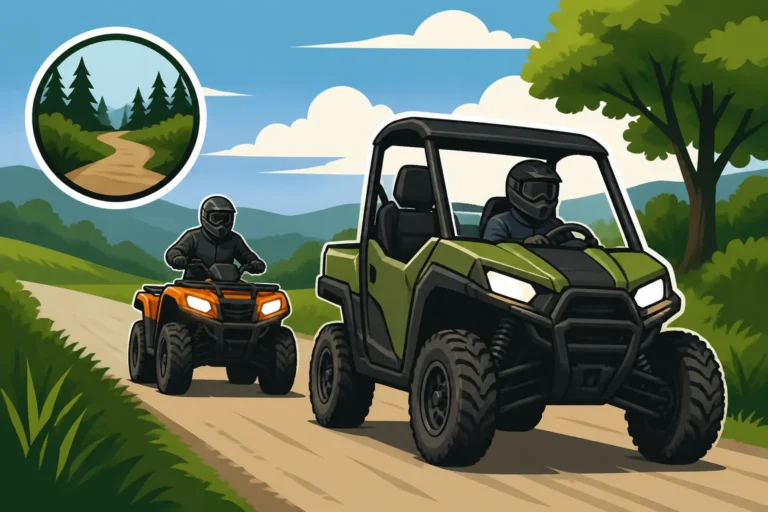
Pennsylvania boasts nearly 1,000 miles of state-designated ATV trails within its vast state forests, managed by the DCNR. These trails are specifically designed, maintained, and signed for ATV and UTV use, offering a wide range of terrain and scenic beauty. Examples include the popular Bloody Skillet and Whiskey Springs trails in the Sproul State Forest, the Anthracite Outdoor Adventure Area (AOAA), and sections within the Allegheny National Forest. These are the places where you can truly let loose and enjoy your machine, knowing you're on legal ground.
To ride on most state forest trails, you'll need a valid Pennsylvania ATV registration, and often a DCNR-issued trail permit, particularly for the extensive Northcentral ATV Trail System. [Pennsylvania ATV Trail Permits Explained] is essential reading if you plan to explore these areas. These trails are generally open during specific seasons, so always check the DCNR website for current operating dates and any closures due to weather or maintenance. Riding within these designated systems means you're contributing to their upkeep through your registration and permit fees, which helps ensure these incredible resources remain open for future generations of riders.
Private Parks, Clubs, and the Power of Permission
Beyond the state-managed trails, Pennsylvania is also home to several excellent privately owned and operated ATV parks and club trails. These venues often provide unique riding experiences, different terrain challenges, and a community atmosphere. Examples include Rock Run Recreation Area and many smaller, localized club trails that lease private land for their members. These parks and clubs operate under their own rules, often requiring membership or a day-use fee, but they offer guaranteed legal riding opportunities.
The beauty of private parks and club trails is that they often have amenities like staging areas, restrooms, and sometimes even repair facilities. They also provide a clear-cut way to avoid legal issues, as you're riding with explicit permission. Many of these parks are designed to accommodate a wide range of machines, including larger side-by-sides, and some even offer specialized courses or events. Always research their specific requirements, such as helmet rules, passenger policies, or safety certificate needs, before you plan your visit. Brands like SuperATV also offer specific products like durable protective gear or storage solutions that are fantastic for day trips to these private parks, helping you make the most of your adventure. If you're looking for a guaranteed legal and worry-free ride, these private options are often an excellent choice.
Disclaimer
This article is for general informational purposes only and does not constitute professional advice. Laws, prices and regulations vary by location and change over time. Consult a qualified professional for guidance on your specific situation.