Pennsylvania Rules for a Side-by-Side on a Trail
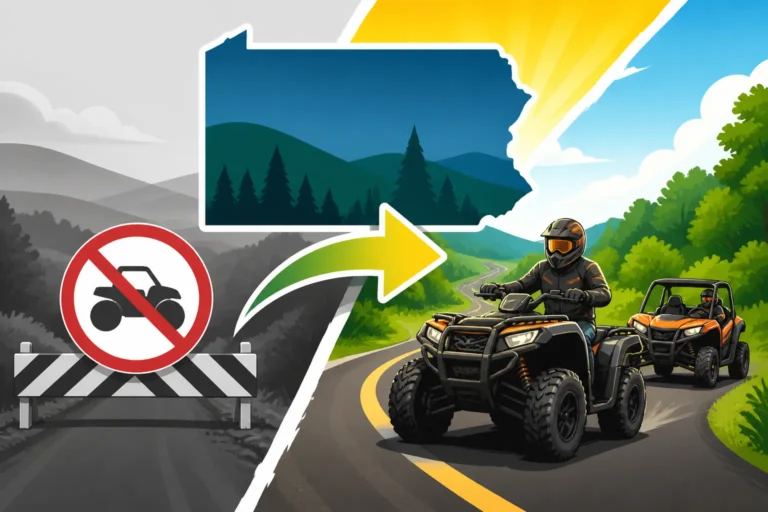
It's an exciting time to be an off-road enthusiast in Pennsylvania, with side-by-sides gaining immense popularity for their comfort, capability, and passenger capacity. However, if you've recently purchased one of these fantastic machines, you might quickly run into a frustrating question: where can you actually ride your UTV on the trails in Pennsylvania, especially given their wider stance? This guide is here to unravel the often confusing rules and help you understand the specific regulations for operating a side-by-side on Pennsylvania's diverse trail systems, so you can spend less time worrying and more time riding.
The Critical 64-Inch Rule: Understanding Pennsylvania's Trail Width Limits
One of the biggest hurdles many side-by-side owners face in Pennsylvania revolves around the physical dimensions of their machine, particularly its width. While UTVs offer a more comfortable and social riding experience, their typically wider footprint often puts them at odds with the established rules for many of our state's popular ATV trails. It’s a reality that can be a tough pill to swallow when you’ve invested in a great machine.
What is a Class II ATV and Why Does it Matter?
In Pennsylvania, the Department of Conservation and Natural Resources (DCNR) classifies off-highway vehicles, and this classification dictates where certain machines can ride, particularly on state-managed trails. The crucial distinction for side-by-sides often comes down to what's known as a "Class II ATV." A Class II ATV, as defined by DCNR, is generally any off-road vehicle that exceeds 50 inches in width but is not wider than 64 inches. These machines also have an unladen dry weight limit, typically capped around 1,800 pounds for many state trails.
Why does this matter so much? Because a significant portion of Pennsylvania's state forest ATV trails were originally designed and built decades ago for traditional, single-rider ATVs, which almost universally fall under the 50-inch width category (Class I). These trails wind through dense forests, navigate tight turns, and sometimes utilize old logging paths that simply weren't built for wider vehicles. If your side-by-side is wider than 64 inches, even by an inch, it often means those specific trails are off-limits, which can dramatically impact your riding options. It's not just about fitting through a gate; it's about preventing trail erosion, maintaining the integrity of the trail bed, and ensuring safety for all users. You can find more detail on [Pennsylvania's Class II Trail Width Limit].
Stock vs. Modified Machines: How Aftermarket Parts Impact Width
It's common for side-by-side owners to customize their machines, adding lift kits, wider A-arms, offset wheels, or larger tires for enhanced performance or aesthetics. While these modifications can dramatically improve your riding experience in certain conditions, they can also unintentionally push your UTV beyond the permissible width limits for state trails in Pennsylvania. Imagine you bought a side-by-side that was originally 62 inches wide, perfectly within the 64-inch Class II limit. But then you added a set of aggressive tires with a deep offset, or maybe some extended control arms. Suddenly, your machine measures 65 or 66 inches at its widest point.
This small change, while seemingly insignificant, can move your machine into a category that is no longer permitted on Class II trails. Many reputable aftermarket companies, like SuperATV, offer fantastic products that enhance performance and durability, but it's absolutely crucial to re-measure your machine's total width after any modifications. Don't assume that because your base model was compliant, it still is. Always use a tape measure from the widest points (usually the outside of the tires or fenders) to get an accurate reading. Ignoring this critical step could lead to an unwelcome surprise from a DCNR ranger at a trailhead check, resulting in a fine and being turned away. Knowing [The 64-Inch Width Limit in Pennsylvania] is only half the battle; knowing your machine's actual width is the other.
The Weight Limit Consideration for Side-by-Sides
Beyond width, side-by-sides also need to contend with weight limits on many Pennsylvania state forest trails. While not as frequently a limiting factor as width for most stock UTVs, the DCNR often specifies an unladen dry weight limit, which is typically around 1,800 pounds. This limit is in place to protect the trail surface and infrastructure, especially bridges and culverts that might not be designed to support heavier loads.
For many two-seater side-by-sides, the stock weight usually falls comfortably within this 1,800-pound range. However, if you have a larger four-seater UTV, or if you've added a significant amount of aftermarket accessories – such as heavy-duty winches, roof racks, full cabs, plows, or extensive protection components – your machine's dry weight could start creeping up. Even the addition of extra fuel, tools, or gear for a long day's ride can add considerable weight. It’s important to remember that this is an "unladen dry weight," meaning the weight of the machine without passengers, fuel, or cargo. While less commonly enforced than width, being over the weight limit can also put you at risk of fines and trail access denial. It's always a good idea to know [The 1,800-Pound Weight Limit on Pennsylvania Trails] and check your UTV's specifications.
Where Can Your Side-by-Side Legally Ride in Pennsylvania?
Finding legal and enjoyable places to ride your side-by-side in Pennsylvania can feel like a treasure hunt, especially with the various restrictions. The good news is, there are still plenty of incredible options, but understanding the lay of the land—literally—is key. It’s about knowing where your machine truly fits in, and where it doesn't, saving you a lot of grief and potential citations.
Navigating Pennsylvania State Forest Trails
Pennsylvania's DCNR-managed state forest trails are a crown jewel for ATV enthusiasts, offering hundreds of miles of diverse terrain across the state. However, this is where the 64-inch width limit for Class II ATVs becomes paramount. Most of the state forest trails, like those found in the Sproul State Forest (including popular spots like Whiskey Springs and Bloody Skillet), the Bald Eagle State Forest (East Kettle), or the Tiadaghton State Forest (Haneyville), were primarily established for narrower machines. This means that if your side-by-side exceeds 64 inches in width, you will likely find these trails inaccessible to you.
It's a common frustration for UTV owners, especially those with larger, sport-oriented side-by-sides that are often 66 inches or wider right from the factory. While DCNR does designate some trails for Class II ATVs, it's crucial to consult the most current maps and information from the DCNR Snowmobile and ATV Section. They are the definitive source for trail regulations, opening and closing dates, and specific width restrictions for each system. Don't rely on old maps or word-of-mouth; always check directly with DCNR for the specific trail system you plan to visit. While some limited sections might accommodate wider machines, the vast majority of [Pennsylvania State Forest Trails] strictly adhere to that 64-inch maximum. You'll often see specific signage at trailheads indicating "Class II ATV Permitted" or clearly stating the maximum width allowed.
The World of Private Parks and Permitted Areas
Thankfully, Pennsylvania is also home to several fantastic private riding parks and permitted areas that often offer more accommodating rules for side-by-sides, including those wider than 64 inches. These parks are usually designed with modern UTVs in mind, featuring wider trails, larger staging areas, and infrastructure to handle heavier machines.
The Anthracite Outdoor Adventure Area (AOAA) in Coal Township, for example, is a prime destination that welcomes a wide range of side-by-sides, often without the strict 64-inch limitation found on state forest trails. They have different trail designations and a vast network that can handle larger machines. Similarly, Rock Run Recreation Area in Cambria County is another excellent option for UTV riders, with trails specifically built to accommodate wider vehicles. These private parks typically charge a day-use fee or offer memberships, but in return, they provide well-maintained trails, amenities, and fewer restrictions on vehicle size. When planning a trip, always check the specific park's website or call ahead to confirm their current width and weight policies. These commercial operations understand the market and cater to it, offering a much-needed outlet for UTV owners who might feel limited on state land. They are often among the [Best Places to Ride an ATV in Pennsylvania] for wider machines.
Avoiding Off-Limit Areas: Game Lands and Private Property
It's equally important to know where side-by-sides are generally not permitted to avoid costly fines and potential legal trouble. Pennsylvania State Game Lands, managed by the Pennsylvania Game Commission, are almost entirely off-limits to ATVs and UTVs for recreational riding. These lands are primarily managed for wildlife habitat and hunting, and motorized vehicle use is severely restricted, usually only permitted for designated administrative purposes or by individuals with specific disabled access permits. Attempting to ride your side-by-side on Game Lands will almost certainly result in a citation.
Similarly, riding on private property without explicit, written permission from the landowner is illegal and constitutes trespassing. A simple verbal agreement isn't always enough, especially if there's a misunderstanding or a new owner. Always seek clear, documented permission. While there are some designated [Pennsylvania Joint-Use Roads] that might connect trail systems, they are few and far between, and state highways are generally off-limits for ATVs and UTVs. Familiarize yourself with [Pennsylvania Rules for a UTV on a Road] before venturing beyond designated trails.
It is critical to be mindful of these distinctions. Ignorance of the rules is not a defense, and rangers and local authorities are vigilant in enforcing these regulations to protect public and private lands alike.
Staying Compliant: Avoiding Fines and Protecting Our Trails
Navigating the rules for side-by-sides on Pennsylvania trails isn't just about finding a fun place to ride; it's also about being a responsible rider and protecting the future of our sport. Ignoring regulations, even unknowingly, can lead to significant financial penalties and could jeopardize access for everyone down the line. We all want to see more trails, not fewer!
Penalties for Riding an Oversized Machine
The consequences of riding a side-by-side that exceeds the posted width or weight limits on a DCNR-managed trail are very real and can be quite costly. Rangers and DCNR officers regularly patrol the trail systems and conduct checks at trailheads, especially during peak riding seasons. If your machine is found to be over the permissible limit, you can expect to receive a citation.
These fines for trail violations can vary, but they are typically significant. Beyond the monetary penalty, you will also be required to remove your machine from the trail, often immediately, which can ruin a planned day of riding and complicate logistics if you're far from your staging area. Repeated offenses can lead to even steeper fines and potentially the loss of riding privileges. It's a deterrent designed to protect the trails and ensure fair use. Knowing about [Pennsylvania ATV Registration Fines] should make you think twice about pushing the limits. It's far better to confirm your machine's compliance beforehand than to face the disappointment and expense of a ticket.
The Impact on Trail Systems and Future Access
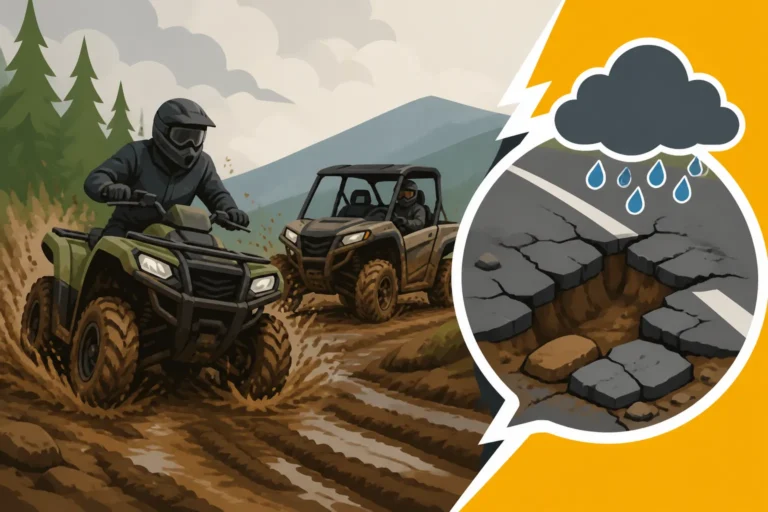
There’s a good reason these width and weight limits exist beyond simply fitting through a physical gate: they are vital for the long-term sustainability of the trail systems themselves. When oversized machines continually use trails not designed for them, several problems arise. Wider tires and heavier machines cause increased erosion, especially on turns and inclines, leading to wider, deeper ruts that are difficult and expensive to repair. This damage can make trails impassable for smaller machines or even for DCNR maintenance equipment.
Furthermore, wider vehicles can damage surrounding vegetation, expanding the trail beyond its intended corridor. This impacts wildlife habitats and accelerates ecological degradation. Bridges and culverts, built for specific load capacities, can be damaged by consistently heavier traffic, leading to dangerous structural compromises or complete closures until costly repairs can be made. Every time an oversized machine damages a trail, it puts a strain on DCNR resources, which are funded in part by our registration fees. Ultimately, this damage can lead to sections or entire trail systems being temporarily or even permanently closed, impacting all riders. Responsible riding, including adhering to vehicle size limits, is a direct investment in keeping our trails open and enjoyable for future generations.
Tips for Researching Trails Before You Go
To ensure you have a smooth and enjoyable riding experience with your side-by-side in Pennsylvania, thorough research is your best friend. Never assume that a trail is open to your specific machine. Here are some actionable tips:
- Check DCNR's Official Website: For all state forest trails, the DCNR Snowmobile and ATV Section website is your primary and most reliable source. They publish detailed maps, trail conditions, and specific rules, including width and weight limits. Look for the most recent updates, as rules can occasionally change.
- Contact Trail Managers Directly: If you're unsure, or if the website information isn't crystal clear, don't hesitate to call the DCNR district office responsible for the forest you plan to visit, or the private park directly. A quick phone call can save you a lot of trouble.
- Measure Your Machine (Accurately!): As discussed, remeasure your side-by-side from its widest points (usually the outside edge of the tires or fenders) after any modifications. Carry a small tape measure with you if you're ever in doubt at a trailhead.
- Look for "Class II Permitted" Signage: At state trailheads, explicitly look for signs indicating that Class II ATVs (up to 64 inches) are permitted. If you don't see this, or if the sign specifically mentions only Class I (50-inch) ATVs, assume your wider side-by-side is not allowed.
- Consult Trail Maps: Use current trail maps. Some maps will have symbols or legends indicating which sections are open to specific vehicle classes.
- Utilize Online Riding Communities (with caution): Online forums and social media groups can be great for getting firsthand accounts and tips, but always cross-reference information with official sources. What one rider got away with might not be what's legally permitted.
- Consider "Wider-Friendly" Destinations: If your UTV is consistently wider than 64 inches, focus your plans on private parks like AOAA or Rock Run, which are known to be more accommodating for larger machines. There are great [Pennsylvania Trails for a Wide Machine] if you know where to look.
By taking these proactive steps, you can confidently hit the trails, knowing you're compliant with Pennsylvania's rules, respecting our shared natural resources, and ensuring a fantastic ride every time.
Disclaimer
This article is for general informational purposes only and does not constitute professional advice. Laws, prices and regulations vary by location and change over time. Consult a qualified professional for guidance on your specific situation.