Mud Season and Road Damage
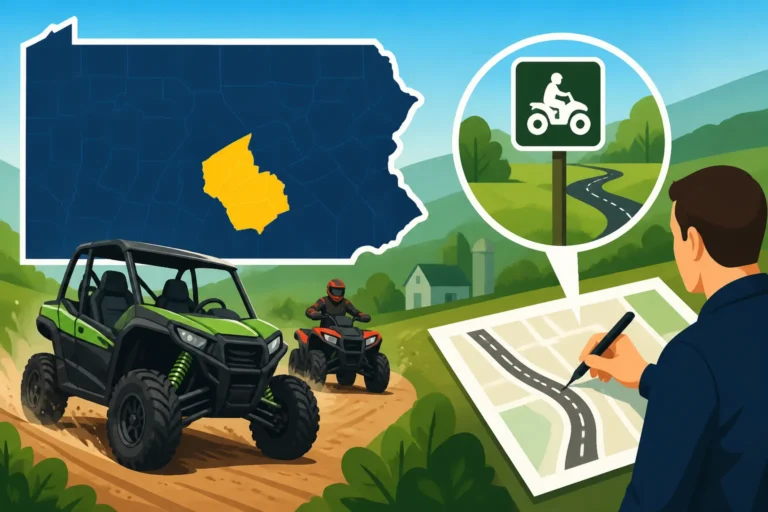
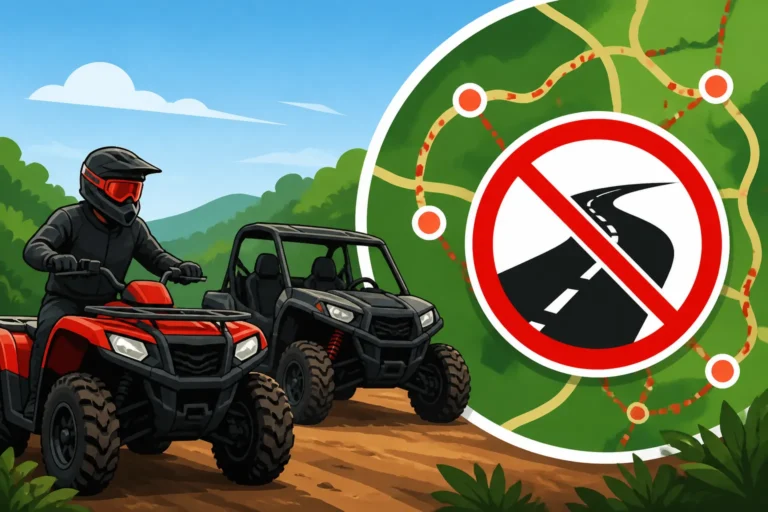
There’s nothing quite like the call of the Pennsylvania outdoors, especially after a long winter, and for us ATV and UTV riders, that means getting back out on the trails. But the excitement of spring often comes with a major headache: mud season. Many of us have experienced the frustration of planning a ride, loading up the machines, and then arriving at a trailhead or designated road only to find it gated, barricaded, or posted as closed due to wet conditions. This guide is here to shed some light on why these closures happen, the real impact our machines can have on vulnerable roads, and how we can all ride responsibly to protect our beloved Pennsylvania trails and roads for years to come.
The Frustration of Mud Season Road Closures in Pennsylvania
The Pennsylvania landscape is incredibly diverse and beautiful, but it's also highly susceptible to the changing seasons. When winter releases its icy grip and spring rains begin, our unpaved roads and trails enter a fragile state, making closures a common but often exasperating necessity for riders. It’s hard not to feel that pang of disappointment when your planned route is suddenly off-limits.
Why Spring Thaw Leads to Road Vulnerability
Think about what happens when the snow melts and the ground thaws. For months, moisture has been locked in the soil, often freezing and expanding, then contracting. When temperatures rise, all that frozen water turns to liquid, saturating the ground beneath roads and trails. This freeze-thaw cycle is the primary culprit behind spring's incredibly soft conditions. Unpaved surfaces, whether they're gravel forest roads or dirt township lanes, rely on a stable, well-drained base for their integrity. When this base becomes waterlogged, it loses its load-bearing capacity, turning solid ground into a soupy mess.
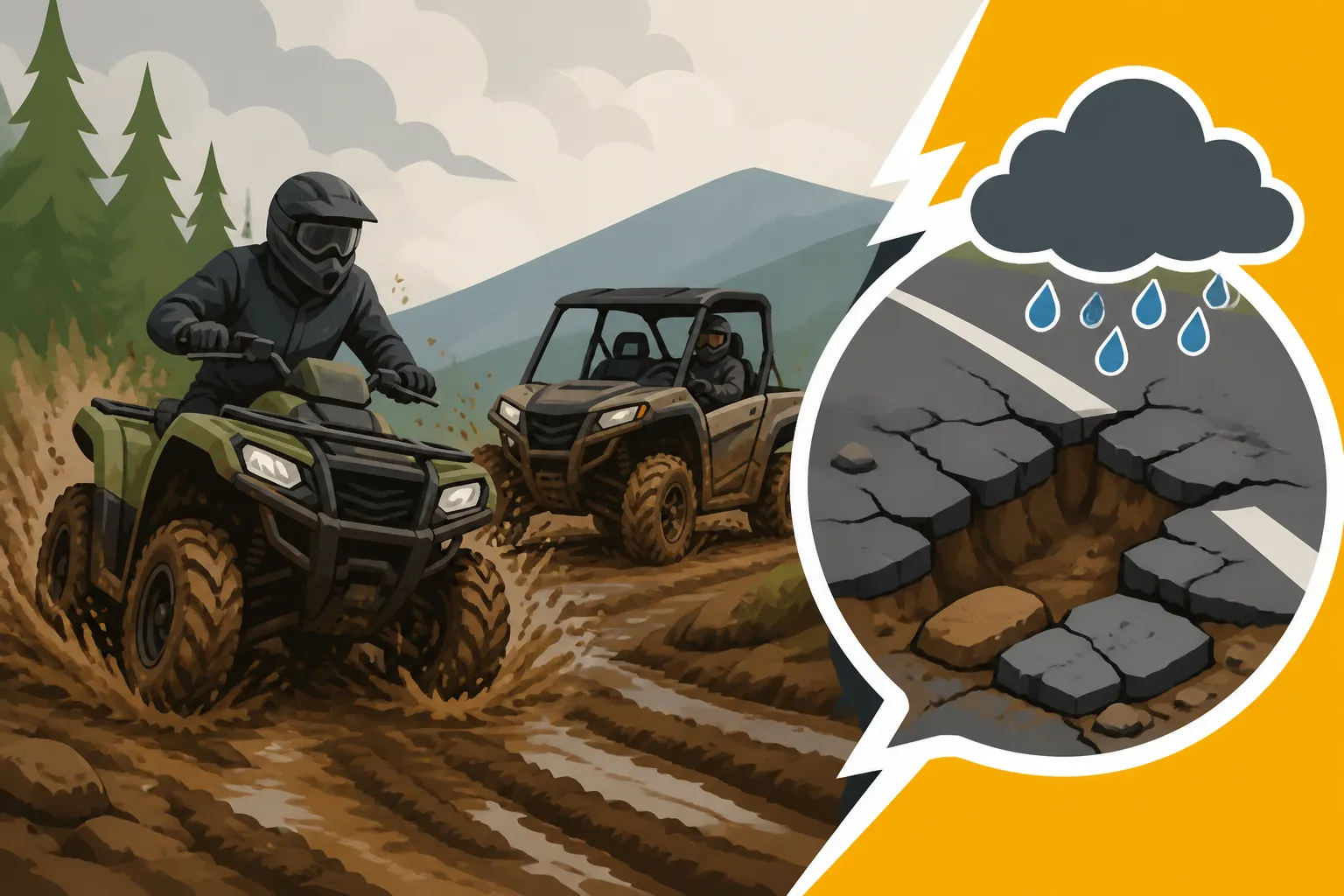
Imagine a sponge that's completely soaked. You can't put much weight on it without deforming it, right? That's essentially what happens to a roadbed in mud season. Even a lightweight ATV or UTV can exert enough pressure to break through the surface, creating deep ruts that accelerate erosion and make the road impassable or dangerous for all types of vehicles, not just off-road machines. It's a critical period where our natural desire to ride clashes with the ground's extreme vulnerability. This is precisely why you'll often see signs about [Roads Closed by a Township in Spring] or [Township Roads Closed by a Township in Spring].
Who Makes the Call to Close Roads and Why
It’s easy to feel targeted when a road is closed to ATVs and UTVs, but the decisions are usually made with a broader perspective in mind. Various entities in Pennsylvania are responsible for managing our roads and trails, including the Department of Conservation and Natural Resources (DCNR) for state forests, local townships and boroughs for their municipal roads, and sometimes private land managers. Their primary concerns during mud season are threefold:
First, safety. Deep ruts, washouts, and extremely slick conditions can be hazardous for riders, but also for other users like hikers, equestrians, and even local residents in passenger vehicles who rely on these roads for access. A road that's barely passable for an ATV might be entirely impassable, or worse, cause an accident for a sedan.
Second, preservation of infrastructure. Repairing damaged roads is incredibly expensive. Filling in ruts, regrading surfaces, and restoring proper drainage costs taxpayer dollars and requires significant time and resources. By closing roads proactively, land managers aim to prevent damage rather than pay for costly repairs after the fact. The financial burden can be substantial, and these funds often come from the very recreational fees and taxes we pay.
Third, environmental protection. Excessive churning of wet soil can lead to significant erosion, washing sediment into streams and wetlands, which harms aquatic life and water quality. It can also destroy vegetation along shoulders, further destabilizing the ground. The DCNR, in particular, takes its environmental stewardship very seriously, and temporary closures are a key tool in maintaining the ecological health of our state forests. So, while it feels like a personal inconvenience, these closures are a necessary act of land management for the greater good.
Understanding ATV/UTV Impact on Soft Roads
We love our ATVs and UTVs for their ability to tackle challenging terrain, but that very capability can be a double-edged sword when it comes to soft, wet roads. It's not about blame, but about understanding the physics of what happens when knobby tires meet saturated soil.
The Mechanics of Tire Damage on Unpaved Surfaces
When you ride on a perfectly dry, firm gravel road, your tires grip the surface, and the machine moves forward with minimal disturbance. Introduce saturated soil, however, and the dynamic changes dramatically. The aggressive tread patterns on many ATV and UTV tires, designed for traction in loose or muddy conditions, begin to "churn" the soft ground. Each rotation of the tire digs into the surface, displacing the mud and gravel, and creating those familiar, deep ruts.
Consider a single pass over a wet section. It might just leave a shallow impression. But now imagine dozens, hundreds, or even thousands of machines making that same pass over a weekend. Each rider deepens the rut a little more, until what was once a drivable path becomes a severely degraded trench. This isn't just surface-level. The weight of the machine, combined with the churning action, compacts the mud at the bottom of the rut while simultaneously displacing material upwards and outwards, further damaging the road structure. Proper road design includes crowning for drainage, but ruts collect water, preventing it from shedding, which in turn keeps the road wet and soft for longer. Even powerful machines with lift kits or high-performance tires from brands like SuperATV, while excellent for overcoming obstacles, can still contribute to this damage if not ridden responsibly on sensitive surfaces.
The Long-Term Consequences of Trail and Road Degradation
The immediate impact of ruts and displaced material is obvious: an unpleasant, bumpy ride for anyone who follows. But the consequences of continued degradation during mud season stretch much further than a single weekend.
Erosion: Ruts act like miniature canals, channeling rainwater and melting snow directly down the length of the road, rather than allowing it to drain naturally into adjacent ditches or vegetated areas. This accelerates erosion, washing away topsoil, gravel, and road base material, often depositing it into nearby streams and wetlands. This not only pollutes waterways but also necessitates constant, expensive repairs to keep the road functional.
Increased Maintenance Costs: For DCNR and local municipalities, constant repairs due to mud season damage are a significant drain on resources. Regrading, bringing in new aggregate, and re-establishing drainage features are costly and labor-intensive endeavors. These funds could otherwise be used for improving infrastructure, creating new recreational opportunities, or maintaining trails during less vulnerable times. Ultimately, these costs are borne by taxpayers and, in some cases, by the registration fees we pay, as explained in articles like [What Pennsylvania ATV Fees Pay For].
Impact on Other Users: Muddy, rutted roads aren't just a nuisance for riders; they affect everyone. Hunters trying to access remote areas, hikers looking for a peaceful walk, equestrians navigating trails, and even property owners trying to reach their homes can find these routes impassable or dangerous. This creates conflict and can lead to calls for stricter regulations or permanent closures of roads that might otherwise be open to ATV and UTV use. It chips away at the goodwill between different user groups and makes it harder to advocate for access.
Navigating Mud Season Responsibly and Respectfully
Given the challenges mud season presents, it’s crucial for us as riders to be part of the solution. Responsible riding isn't just about following the rules; it's about being good stewards of the land so we can continue to enjoy the incredible riding opportunities Pennsylvania offers.
Checking Trail and Road Status Before You Go
This is perhaps the single most important action you can take during mud season: always check conditions and closures before you ever leave home. There’s nothing more frustrating than loading up your rig, driving for an hour or two, and then finding your intended trail or road is closed. Worse yet, ignoring closure signs can lead to significant fines.
DCNR maintains an excellent website with maps and alerts for state forest trails. Many local townships and boroughs also post road conditions on their official websites or social media pages. Dedicated ATV/UTV clubs and online forums are also fantastic resources, as local riders often share real-time updates. Make it a habit to look for "advisory" or "closure" notices specifically related to mud conditions. This diligence not only saves you time and gas but also prevents you from inadvertently causing damage or incurring a penalty. Check the DCNR portal regularly, just like you might for [Renewing Through the DCNR Portal] when your registration is due. Planning ahead means a better ride for everyone.
Best Practices for Riding During Marginal Conditions
Even when trails or roads are officially "open" during marginal conditions, exercising caution and practicing "Tread Lightly!" principles is paramount.
- Avoid standing water and deep mud holes on roads that are not designated mud trails. While a mud bog might be the point of a specific recreational area, a forest road or township lane is not the place for it. Riding through standing water or attempting to conquer a deep mud hole on these sensitive routes often bypasses the solid base of the road, further widening and deepening ruts.
- Stay on designated routes. Never create your own path around a mud hole or rutted section on an undesignated road. This leads to "trail widening" and greater environmental damage. If a section is impassable, it's best to turn around.
- Choose appropriate tires. While aggressive tires from companies like SuperATV offer fantastic traction, on softer surfaces, they can also cause more churning. Consider whether your tire choice is right for the specific conditions you're about to encounter. Sometimes, a slightly less aggressive tread or lowering tire pressure slightly (if safe for your specific tire and rim setup) can help distribute weight more evenly and reduce surface damage. This choice ties into thinking about [Tires for Pennsylvania Rock and Mud] and how they perform in various situations.
- Ride smoothly and gently. Avoid aggressive acceleration, hard braking, or sharp turns on soft surfaces. These actions are more likely to dig in, create ruts, and throw mud. A steady, even pace is far kinder to the terrain.
Advocating for Open Roads and Responsible Access
We can't just complain about closures; we have to be part of the solution. Actively advocating for responsible access and trail maintenance is vital for the long-term health of our sport in Pennsylvania.
- Join a local ATV/UTV club. These organizations are often at the forefront of working with DCNR and local governments to maintain trails, plan new routes, and educate riders. They also provide opportunities for volunteer work, helping to repair damage, clear debris, and maintain drainage on trails. Becoming a member shows commitment and amplifies your voice.
- Volunteer for trail work days. Getting your hands dirty to help maintain the very trails we ride builds goodwill and demonstrates a commitment to stewardship. It also gives you a deeper appreciation for the effort that goes into keeping these areas open.
- Educate other riders. If you see someone riding irresponsibly, a polite word about the importance of staying on designated trails or avoiding sensitive areas can go a long way. We all represent the ATV/UTV community, and positive examples make a difference.
- Support land managers. When DCNR or a local township implements a temporary closure, understand that it's often a difficult decision made for good reason. Respecting these decisions, even when inconvenient, builds trust and makes it more likely that these areas will reopen and remain available for our use in the future. If you're passionate about opening more roads, understanding the process of [Asking a Township to Open a Road] is crucial. Showing that the riding community is responsible and willing to help maintain these areas makes a compelling argument.
By working together, checking conditions, and riding with respect for the land, we can ensure that Pennsylvania remains a premier destination for ATV and UTV enthusiasts for generations to come.
| Road/Trail Type | Typical Mud Season Status | Common Issues | Rider Responsibility |
|---|---|---|---|
| State Forest Roads | Often Closed | Deep ruts, washouts, erosion, environmental harm | Check DCNR alerts, respect closures, stay on trail |
| Designated ATV Trails | Seasonal Closures | Rutting, widening, damage to drainage systems | Check trail conditions, ride lightly, follow rules |
| Township/Borough Roads | Conditional/Limited | Soft shoulders, surface degradation, public conflict | Check local notices, avoid unnecessary damage, be courteous |
| Private Land (with permission) | Varies by owner | Over-compaction, erosion, property damage | Discuss limits with landowner, ride mindfully |
| Pay-to-Ride Parks | Open (managed) | Can still see degradation, managed mud features | Follow park rules, respect maintenance efforts |
Disclaimer
This article is for general informational purposes only and does not constitute professional advice. Laws, prices and regulations vary by location and change over time. Consult a qualified professional for guidance on your specific situation.