Supervising a Younger Rider on a Trail
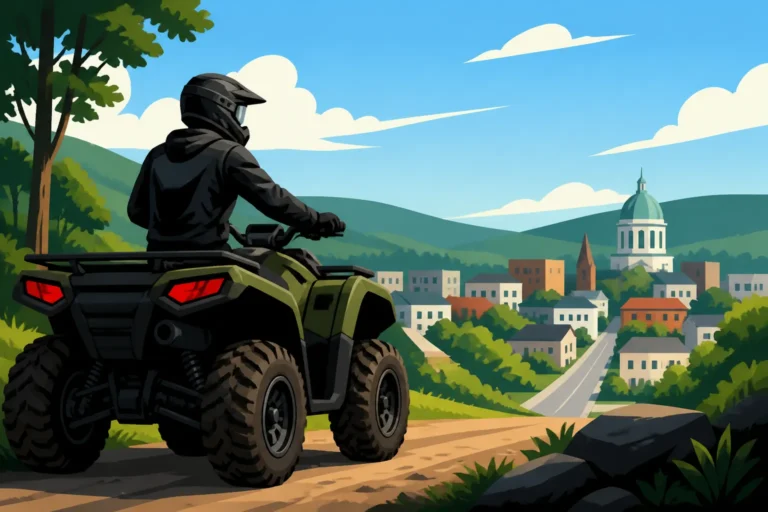
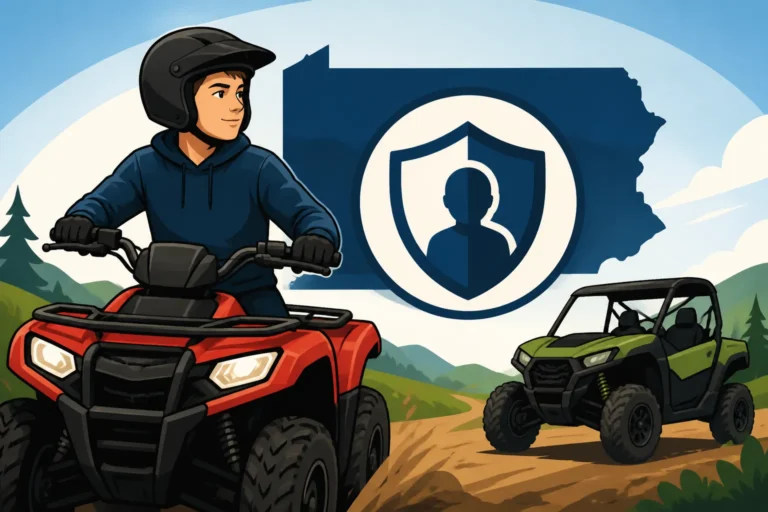
It’s a truly special feeling to share the thrill of ATV or UTV riding with a younger generation, watching their eyes light up as they navigate a trail, but let’s be real – that excitement comes with a hefty dose of parental anxiety. Keeping a younger rider safe, compliant with Pennsylvania’s sometimes-tricky regulations, and genuinely having fun on the trail is a balancing act. This guide is all about navigating those waters, giving you the knowledge and practical tips to confidently supervise your younger rider, ensuring every ride is memorable for all the right reasons.
Understanding Pennsylvania's Youth Rider Rules
Before you even think about hitting the trail, it's absolutely crucial to grasp the specific regulations Pennsylvania has in place for younger ATV and UTV riders. These aren't just suggestions; they're legal requirements designed to keep everyone safe, and DCNR rangers are serious about enforcing them. Ignorance of the law really isn't an excuse, and a citation can quickly turn a fun family day into a costly headache.
Age and Engine Size Restrictions
Pennsylvania has some pretty clear rules about how old a rider needs to be to operate an ATV on public lands and what size machine they can ride. It’s not a free-for-all where any kid can hop on any quad. For state-managed trails, riders must be at least eight years old. And there's a strict cap on engine size for the youngest riders: eight and nine-year-olds are limited to machines with an engine displacement of 70cc or less. This isn't just a number plucked out of thin air; it’s about matching a child’s physical size, strength, and cognitive development to a machine they can safely control. Imagine a small child trying to muscle a full-size ATV – it's a recipe for disaster.
As riders get older, the engine size restrictions gradually increase. From ages 10 to 15, they can typically ride machines up to 90cc. Once they hit 16, they're generally permitted to operate any size ATV, though common sense still dictates matching the machine to the rider's skill and physical capability. Remember, these rules are mostly for state trails and public access points; private land often has different guidelines, but it's always best to err on the side of caution and safety, especially when you consider potential liability. Always double-check the specific age and engine limits for the trail system you plan to visit, as some private parks or special events might have their own nuanced rules.
Supervision Requirements on State Lands
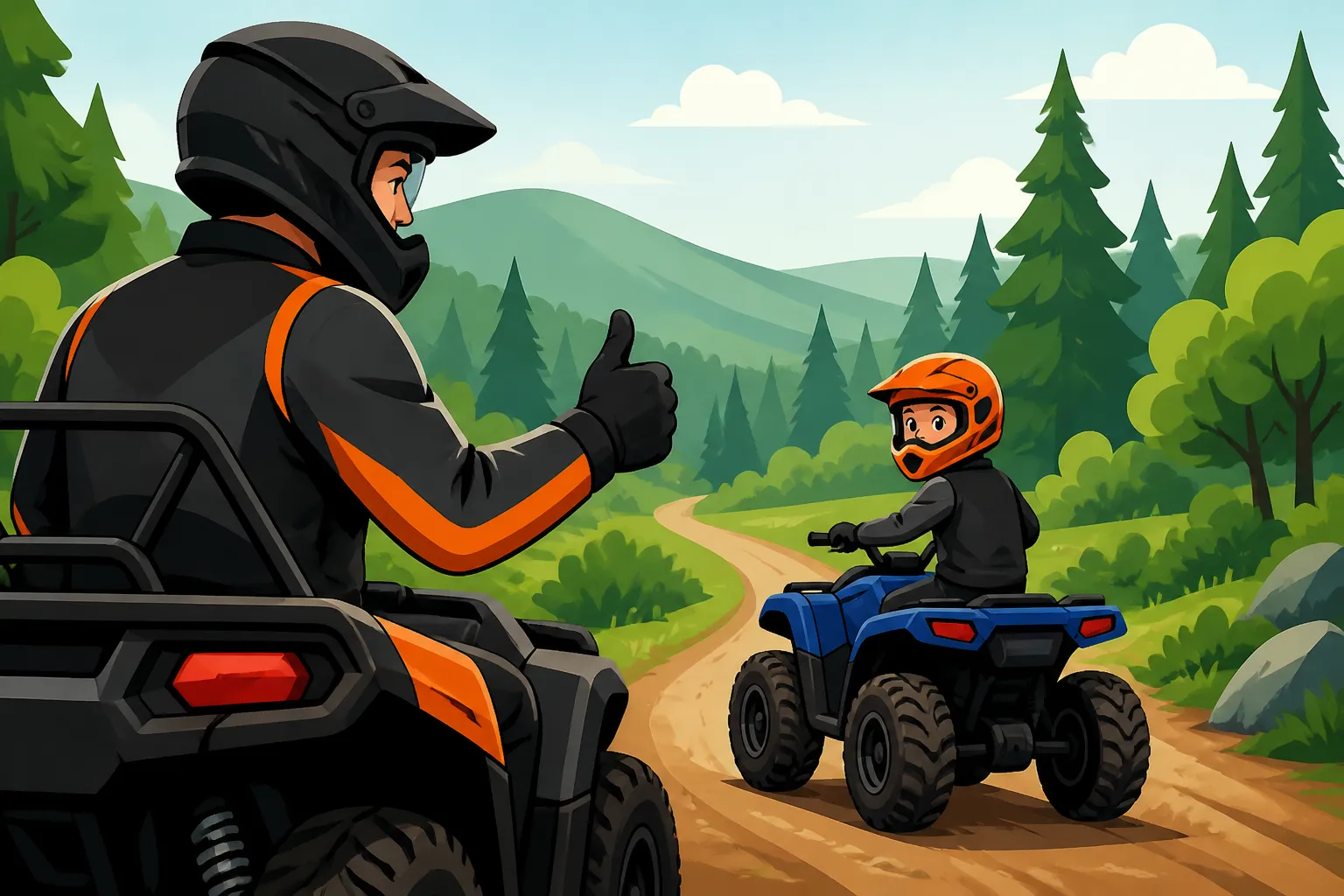
Beyond the age and engine size, Pennsylvania has specific requirements for supervising minors on state-designated ATV trails. If your rider is under the age of 16, they cannot ride alone. Period. They must be under the direct visual supervision of an adult at all times. "Direct visual supervision" means just that: you need to be able to see them, not just hear them or know they're somewhere ahead on the trail. This often means riding either directly behind them, or sometimes even in front if the terrain allows for clear visibility. This isn't just about spotting them if they fall; it's about being immediately available to offer guidance, help them navigate tricky sections, or intervene if they get into a dangerous situation.
This rule means you need to adjust your own riding style and speed to match theirs. You can’t be tearing off ahead and expecting them to catch up. For many families, this translates into one parent riding with the child, and perhaps another adult leading or sweeping behind to ensure the whole group stays together. It's a huge shift from how many adults might prefer to ride, but it's non-negotiable for the safety and legality of having a minor on the trails. Neglecting this can lead to fines and, more importantly, put your child at significant risk.
Safety Certificate Mandates
Here’s another big one that catches many parents off guard: Pennsylvania mandates an ATV Safety Certificate for riders aged 8 to 15 who operate an ATV on state-owned land. This isn't optional; it's a requirement. This course covers everything from basic machine operation and maintenance to trail etiquette, environmental awareness, and crucial safety practices. It's designed to instill good habits and responsible riding from a young age, helping them understand the risks and how to mitigate them. [Pennsylvania ATV Safety Certificate Requirements] explains more about this essential step.
There are both online and in-person options for these courses, though the in-person classes often provide invaluable hands-on experience and direct instruction from certified instructors. While older riders (16 and over) aren't legally required to have a certificate, taking one is still a fantastic idea for anyone new to the sport. As a supervisor, you’re not just ensuring they have the certificate, but that they understand and apply what they learned. Encourage them to engage with the material, ask questions, and practice the skills taught. Carrying proof of their safety certificate, along with their [Pennsylvania ATV Registration for a Youth Quad] and insurance, is just as important as carrying your own ID.
Preparing Your Young Rider and Their Machine
Getting out on the trail isn't just about showing up with a machine. Especially with younger riders, preparation is key. This means making sure the machine is appropriate and safe, and that your child has the right gear and a solid foundation of skills. Skimping on these steps increases risk and can lead to frustration for everyone involved.
Choosing the Right-Sized ATV or UTV
Selecting the correct ATV or UTV for a young rider is perhaps the most critical safety decision you'll make. It’s not about buying a machine they'll "grow into"; it's about buying a machine that fits them now. A machine that's too large or too powerful for a child can be incredibly dangerous. They need to be able to comfortably reach the handlebars, footpegs, and all controls (brakes, throttle, gear shifter if applicable) while seated. They should also be able to easily shift their weight and use the brakes effectively without straining. When it comes to UTVs, ensure they can reach all pedals and have a clear view over the dash.
Many manufacturers, like SuperATV, offer a range of youth-specific machines designed with lower power, lighter weight, and smaller dimensions. These machines often come with features like throttle limiters, which you can adjust as your child gains experience and confidence. Don't rush to increase the speed; let them master control at slower speeds first. Consider a demo ride if possible to see how they handle different models. Remember, the goal is control and safety, not speed or power. A properly sized machine instills confidence and allows them to focus on riding technique, rather than struggling to manage an oversized quad.
Essential Safety Gear and Machine Checks
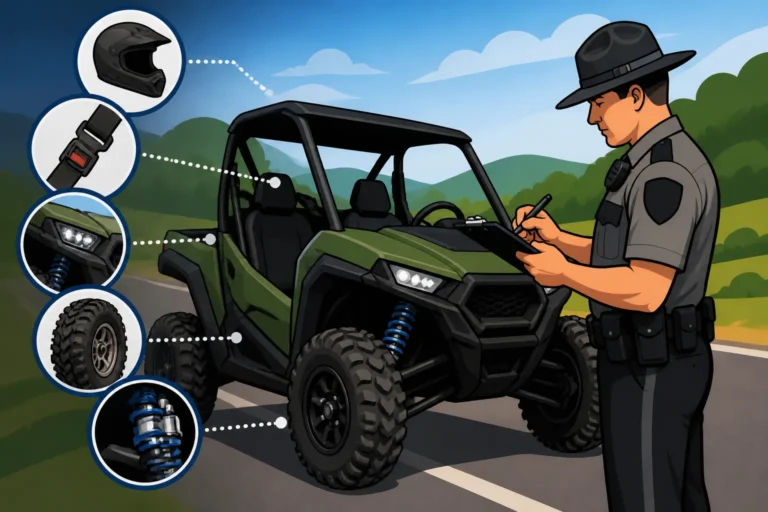
Just like you wouldn’t let them ride a bicycle without a helmet, ATV and UTV riding demands proper protective gear. This isn't optional; it's absolutely vital. At a minimum, every rider needs a DOT-compliant helmet, eye protection (goggles or a helmet with a face shield), over-the-ankle boots, long pants, a long-sleeved shirt, and gloves. Don't skimp on quality here; cheap gear offers cheap protection. Helmets should fit snugly and be specifically designed for powersports. [Pennsylvania Helmet Rules for ATV Riders] goes into more detail about these requirements.
Beyond personal gear, a thorough machine check before every single ride is paramount. This includes checking tire pressure, brake function, throttle operation, fluid levels, and ensuring all lights are working (especially if there’s any chance of riding near dusk). Make sure the spark arrestor is in place and functioning properly, as this is a legal requirement on state trails and helps prevent wildfires. For UTVs, always confirm seatbelts are fastened and doors are securely latched. Teaching your child to participate in these checks can foster a sense of responsibility and help them understand how their machine works, making them a more attentive and safer rider in the long run.
Building Riding Skills and Confidence
The safety certificate course provides a foundational understanding, but real skill and confidence come from practice. Start your younger rider in a safe, open area – perhaps a large field or an empty lot – away from obstacles, other vehicles, and distractions. Focus on the basics: starting, stopping smoothly, turning, and using the brakes effectively. Encourage them to look where they want to go, practice slow-speed maneuvers, and understand how shifting their weight affects the machine.
Gradually introduce them to varied terrain, but always within their comfort zone. A small hill, a shallow ditch, or a gentle turn can be a huge learning experience. Praise their efforts, be patient with their mistakes, and avoid pushing them beyond their limits. Fear can lead to bad decisions. If they seem hesitant or overwhelmed, take a break. The goal is to build a positive association with riding and to develop a natural feel for the machine. Regular, short practice sessions are often more effective than infrequent, long ones. You want them to feel competent and in control, not just endure the ride.
On the Trail: Practical Supervision Strategies
Once you’ve covered the preparation, it’s time to hit the trails. But supervision isn't a passive activity; it requires active engagement and constant vigilance, especially when riding with younger, less experienced operators. Your presence and guidance are the biggest safety net they have.
Maintaining Constant Visual Contact
As mentioned earlier, "direct visual supervision" is key. This means you need to position yourself on the trail so you always have eyes on your young rider. For many parents, this means riding directly behind them. This allows you to see their every move, observe their body language, and quickly react if they encounter a challenge or make a mistake. It also prevents them from getting too far ahead and potentially taking a wrong turn or encountering an unexpected obstacle alone.
However, there might be situations where riding slightly ahead, in their line of sight, is more appropriate, such as on a long, straight section with good visibility, allowing them to follow your lead. The important thing is that you can see each other and maintain that critical line of sight. If you're riding in a larger group, make sure someone else isn't inadvertently getting between you and your child. Communicate clearly with other adults in your group about your supervision plan. [Riding With an Expired Sticker] or [Riding Unregistered Brings an Automatic $300 Fine] are common citations that can be avoided with diligence.
Communicating Effectively on the Trail
Trail riding is noisy, and traditional conversation is often impossible. This is where pre-established hand signals and two-way communication devices become invaluable. Before you even leave the staging area, agree on a set of simple hand signals for things like "slow down," "stop," "turn," "hazard ahead," or "are you okay?" Practice them until they’re second nature. A quick thumbs-up or thumbs-down can convey a lot.
For more advanced communication, consider using helmet-mounted intercom systems. Brands like SuperATV or others offer robust options designed for powersports environments, allowing you to talk to your child without yelling or stopping. This can be a game-changer for providing real-time coaching, warning them about upcoming trail features, or simply checking in on how they're feeling. Consistent, clear communication reduces confusion and anxiety, making the ride safer and more enjoyable for everyone. Remember, sometimes the best communication is just riding quietly and letting them experience the trail, knowing you're right there if they need you.
Handling Common Trail Challenges with Kids
Trails are rarely flat and smooth; they have bumps, rocks, mud, hills, and tight turns. These are all learning opportunities, but they can also be intimidating for younger riders. As a supervisor, your role is to guide them through these challenges safely. When approaching a difficult section, slow down, explain what’s coming up, and demonstrate if necessary. For instance, if you encounter a steep hill, teach them the proper body position and throttle control. If it's a rocky section, explain how to choose a line and maintain momentum. [Pennsylvania Trails With Rock Sections] can be particularly challenging.
If your child gets stuck or has a minor mishap, resist the urge to immediately jump in and fix everything. Instead, coach them through problem-solving. "What happened there? How could you have approached that differently?" This builds resilience and independence. Only intervene physically when absolutely necessary for safety. Always carry basic tools, a small first-aid kit, and water. A minor fall or getting stuck can be a moment of panic for a child, so staying calm and supportive is critical. Remember, these experiences, even the tough ones, are what build skilled riders.
Beyond the Basics: Special Considerations
Supervision isn't just about the immediate act of riding; it extends to understanding broader trail etiquette, safety protocols, and how to react when things don't go as planned. Preparing for these eventualities makes you a more effective and responsible supervisor.
Group Rides and Designated Roads
When riding with a larger group, it’s easy for younger riders to get lost in the shuffle. Before setting out, establish clear rules for group dynamics involving minors. Designate an adult to ride ahead, another to ride with the child, and perhaps a third as a sweep. Ensure all adults know the plan and understand their role in keeping the younger rider safe and accounted for. This is where good communication within the entire group becomes even more important. [Group Size on a Forest Trail] can impact visibility and overall safety.
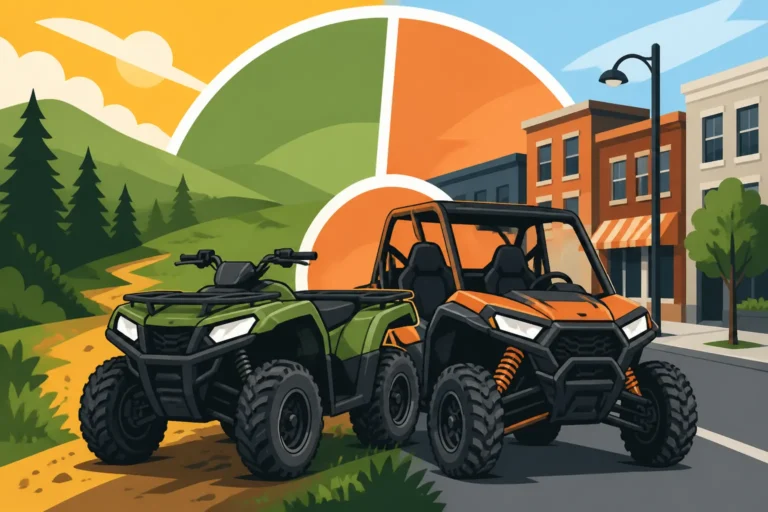
Also, be mindful of where you're riding. While designated ATV trails are common, some areas in Pennsylvania have [Pennsylvania's Designated ATV Roads] or [Pennsylvania Joint-Use Roads and Who Shares Them]. These roads come with their own set of rules, including often higher age limits (typically 16 to operate on roads), specific lighting requirements, and sometimes even additional permits. Never assume a road is open to ATVs just because it looks like one. Always check local regulations and signage. Riding on an undesignated road can lead to citations and danger from other traffic. If you're on a joint-use road, remind your child about being extra vigilant for cars, trucks, and even horses.
Dealing with Unexpected Situations
Even with the best preparation, things can go wrong. A breakdown, an injury, sudden bad weather, or getting separated from the group are all possibilities. This is why being prepared for the unexpected is crucial for supervisors. Always carry a fully charged cell phone (though service can be spotty on some trails), a map of the area (even if you think you know it well), and a compass or GPS device. For UTVs, a small winch from SuperATV or similar brands can be a lifesaver for getting unstuck.
Teach your child what to do if they get separated: stay put, listen for calls, and don't wander off the trail. If there’s an injury, ensure you have a well-stocked first-aid kit and know how to use it. Knowing basic first aid is just as important as knowing how to fix a flat tire. In case of severe weather, know the nearest shelter points or how to safely get off the trail. These aren't pleasant thoughts, but a responsible supervisor considers all angles to ensure everyone makes it home safely, ready for the next adventure.
The Role of DCNR Rangers and Trail Courtesy
Remember that DCNR rangers and other law enforcement officials are frequently out on Pennsylvania trails. Their job is to ensure everyone's safety and compliance with regulations. They will stop riders to check for proper registration, safety certificates, helmets, and appropriate machine size for the rider's age. Be prepared to show your paperwork, and teach your child to be respectful and cooperative if a ranger approaches. [What a Ranger Checks at a Trailhead] is often focused on safety and compliance.
Beyond official regulations, trail courtesy is paramount. Teach your child to always yield to uphill traffic, keep speeds appropriate for conditions, minimize dust, and always respect private property. Pack out everything you pack in, and leave no trace. This applies to your younger rider just as much as it does to you. Setting a good example as a supervisor is the best way to instill these values, ensuring that the next generation of riders continues to enjoy Pennsylvania's beautiful trails responsibly.
| Age Group (Years) | Max Engine Size (cc) | Supervision Required | Safety Certificate Required | Common Machine Type |
|---|---|---|---|---|
| 8-9 | 70 | Yes (direct visual) | Yes | Youth ATV, mini-quad |
| 10-15 | 90 | Yes (direct visual) | Yes | Youth ATV, 90cc-class |
| 16+ | No cap (common sense) | No (but recommended) | No (but recommended) | Full-size ATV, UTV |
Disclaimer
This article is for general informational purposes only and does not constitute professional advice. Laws, prices and regulations vary by location and change over time. Consult a qualified professional for guidance on your specific situation.