Pennsylvania Open Container Rules on an ATV
There’s nothing quite like hitting the trails on your ATV or UTV, soaking in the Pennsylvania wilderness, feeling the breeze, and just disconnecting from the daily grind. But sometimes, people wonder if they can kick back with a cold one while they’re out there, or at least keep a cooler handy for when the ride is over. It’s a common thought, but navigating the rules around open containers and ATVs in Pennsylvania can be confusing, and honestly, a mistake here can land you in some serious hot water. This guide is going to break down exactly what Pennsylvania’s laws say about open containers on your quad or side-by-side, where those rules apply, and what kind of trouble you could be looking at if you don't follow them.
Understanding Pennsylvania's Open Container Laws (General Overview)
When you're out enjoying the trails, it might feel like you're far away from the typical rules of the road. But the truth is, many of those rules, especially concerning alcohol, extend far beyond paved highways and into the rugged paths we love to ride. Pennsylvania takes the issue of alcohol and vehicle operation very seriously, and that includes your ATV or UTV.
The Broad Stroke of the Law
It's a common misconception that "open container" laws only apply to cars on public roads. In Pennsylvania, the spirit of the law, which is about promoting safety and preventing impaired driving, stretches much further. The state's regulations are designed to minimize risks for everyone, whether they're on a two-lane highway or a winding forest trail. Operating any vehicle, including an ATV, after consuming alcohol, especially with an open container present, significantly increases the risk of accidents and seriously escalates the legal consequences you could face. The legal system doesn't differentiate between a car and an ATV when it comes to the dangers of impaired operation.
The legal framework is pretty clear: if you’re operating an ATV or UTV on public land or any designated trail system, you are expected to adhere to all traffic and safety laws, and that very much includes restrictions on alcohol. This isn't just about preventing you from being intoxicated; it's also about preventing the appearance of reckless behavior and ensuring a safe environment for all riders and other users of public lands.
What "Open Container" Actually Means for an ATV
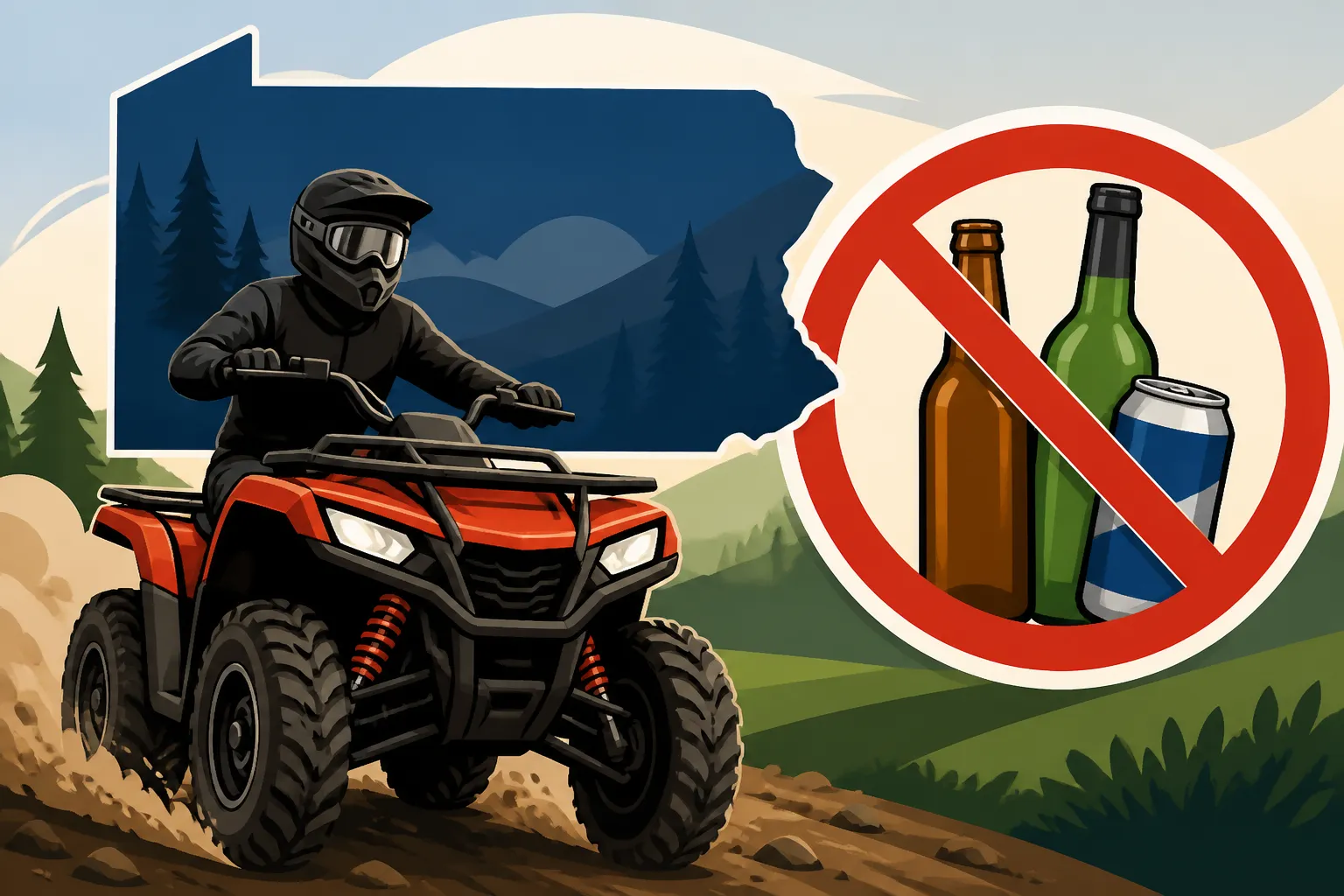
So, what exactly counts as an "open container" in the eyes of the law when you’re out on your quad? It’s pretty straightforward: any bottle, can, or other receptacle that holds an alcoholic beverage, and that is open, has a broken seal, or from which some of the contents have been removed, is considered an open container. It doesn’t matter if it’s a beer can with a broken tab, a partially consumed bottle of spirits, or even a mixed drink in a cup—if it’s open and contains alcohol, it falls under the definition.
This rule isn't just for the person operating the ATV. If you have passengers on your machine, whether it’s a two-up ATV or a multi-passenger UTV, they are also subject to these same open container restrictions, particularly when you’re riding on public lands or designated trails. It's not just about what's in the driver's hands; it's about what's accessible and present within the vehicle's compartment. A sealed six-pack or an unopened bottle of wine stored in a cooler is generally fine, as long as it remains sealed and unopened. The moment that seal is broken, or the cap is twisted off, it becomes an open container, and you could be in violation. Keep your beverages sealed and out of the way until you're truly done riding for the day and have reached a safe, private location.
Specifics for ATV and UTV Riders in Pennsylvania
Riding an ATV or UTV in Pennsylvania is an incredible experience, with miles of trails and vast natural spaces to explore. However, it's crucial to understand that these privileges come with responsibilities, especially regarding alcohol consumption. The rules aren't always what you might expect, particularly when you compare private property to public access areas.
Where the Rules Apply: Public Trails, Roads, and Private Land
The open container rules are most stringently enforced on lands managed by the Pennsylvania Department of Conservation and Natural Resources (DCNR), which includes all state forest ATV trails and designated [Pennsylvania's Designated ATV Roads]. This also extends to any joint-use roads that are shared with other vehicles. When you're on these public access points, you're essentially under the same scrutiny as if you were driving a car on a state highway. DCNR rangers and local law enforcement are vigilant about enforcing these regulations to ensure everyone's safety.
Now, what about private land? This is where it gets a little nuanced but no less serious. While the specific open container statute might apply differently on truly private property with no public access, the underlying laws regarding operating a vehicle under the influence (DUI) still absolutely apply. If you're riding on your own land, or land for which you have explicit [Pennsylvania Rules for Riding a Private Road] permission, and an incident occurs where public safety is at risk, or if law enforcement is called, you can still face severe DUI charges if you're found to be impaired. The presence of open containers would only serve as evidence against you. Even if it's your buddy's hunting camp, if there's any implied public access, or if you cause a disturbance that brings law enforcement to the scene, you're not immune from the law. It’s always best practice to keep alcohol and riding completely separate.
The Overlap with DUI Laws
This is perhaps the most critical point for any ATV or UTV rider: an open container violation is often just the tip of the iceberg, frequently serving as a gateway to a much more serious DUI charge if any impairment is suspected. In Pennsylvania, [Pennsylvania DUI Rules for ATV Riders] are very clear and apply equally to ATVs and UTVs as they do to cars, trucks, and motorcycles. The definition of a "vehicle" for DUI purposes is broad, encompassing anything used to transport a person or property, and your quad fits squarely into that definition.
What does this mean for you? If a ranger or police officer observes an open container in your ATV and also suspects you might be under the influence, they have probable cause to investigate further. This investigation can lead to field sobriety tests, and if you fail, you could be arrested for DUI. An open container violation might be a summary offense, but a DUI is a much more serious criminal charge with far-reaching consequences. It's not just about a fine; it's about your criminal record, potential loss of driving privileges (for your car, too!), and significant legal fees. Even if you're not impaired, simply having an open container in your ATV on public land is a violation on its own, a "per se" offense. While it's less severe than a DUI, it's still a charge that can be easily avoided by simply leaving the alcohol at home or ensuring it's sealed and stored properly until you're completely done riding.
Consequences of an Open Container Violation on Your ATV
No one wants to think about getting into trouble, especially when all you want to do is enjoy a great day of riding. But understanding the potential consequences of an open container violation on your ATV is crucial. It’s not just a slap on the wrist; it can impact your wallet, your riding privileges, and even your ability to get insurance.
Fines and Penalties
Let's talk about the immediate sting: fines. An open container violation on its own in Pennsylvania can carry a significant financial penalty. While I can't give you exact figures (those change over time, so always check current statutes), understand that it's typically a few hundred dollars, plus court costs and administrative fees. That can quickly turn a fun day of riding into a very expensive headache.
But it doesn't always stop there. If that open container leads to a suspicion of impairment, and subsequently a DUI charge, the fines skyrocket. DUI penalties include much larger fines, mandatory education programs, and potentially even jail time, depending on the severity and if it's a repeat offense. Your ATV could also be impounded, leaving you with additional towing and storage fees to retrieve it. This is particularly common if the violation occurs on state land or involves a DUI. Beyond the immediate financial hit, such violations can lead to suspension of your ATV registration or even a ban from riding on DCNR-managed trails for a period, impacting your ability to enjoy the sport you love. You might also face additional [Pennsylvania ATV Registration Fines] for related infractions.
Impact on Insurance and Future Riding
Beyond the immediate legal and financial penalties, an open container conviction, especially if it's tied to a DUI, can have a long-lasting ripple effect on your life. Your ATV insurance is one of the first places you'll feel it. Insurers view these violations as indicators of high-risk behavior. This can lead to your premiums skyrocketing, or even worse, your policy being canceled outright. Finding new coverage after such a conviction can be incredibly difficult and expensive. Remember, [Pennsylvania Mandatory Insurance Off Your Own Land] is a requirement, so having your policy cancelled could mean you can't legally ride off your private property.
Furthermore, a mark on your record for an alcohol-related offense can impact your ability to get jobs, secure housing, and even travel. If you're part of an ATV riding club, these violations could lead to suspension or expulsion, as clubs often have their own codes of conduct. The best way to mitigate these risks and ensure you can keep enjoying the trails for years to come is to ride sober and responsibly. Investing in quality accessories from brands like SuperATV that enhance safety and performance is a much better way to spend your money than on fines and increased insurance premiums. When a ranger performs [What a Ranger Checks at a Trailhead], they're looking for valid registration, helmets, and a sober rider, not open containers.
Best Practices for Responsible Riding
Enjoying Pennsylvania's amazing ATV trails is all about freedom, excitement, and connecting with nature. To keep it that way, and to avoid any unnecessary trouble, adopting a responsible approach to alcohol and riding is not just good advice—it's essential.
Planning Your Refreshments
If you plan to have alcoholic beverages at any point during your outing, the absolute best practice is to separate it entirely from your riding time. This means no alcohol before or during your ride. If you're bringing beverages along for a post-ride celebration or an evening at camp, ensure they are kept sealed and stowed securely in a cooler or storage compartment, preferably one that isn't easily accessible from the driver's or passenger's seat while the ATV is in operation. Think of it like this: if you wouldn't keep an open bottle of whiskey next to you in your truck while driving to the trailhead, you shouldn't do it on your ATV either.
Consider bringing plenty of non-alcoholic hydration options for your ride. Water, sports drinks, and non-alcoholic sparkling beverages are perfect for staying refreshed and alert. Designate a sober rider if your group plans to consume alcohol at your destination. This person can handle any necessary transport or errands after the ride, ensuring everyone stays safe and legal. Remember, responsible riding means being prepared for anything, and that includes your refreshment plan.
Avoiding Temptation and Setting a Good Example
The easiest and safest rule to follow is simply not to mix alcohol and riding at all. The thrill of navigating challenging terrain, exploring new routes, and soaking in the beauty of Pennsylvania's forests is exciting enough on its own. There’s no need to complicate it with alcohol, which can impair your judgment, reaction time, and coordination – all critical elements for safe ATV operation.
Setting a good example is also incredibly important, especially if you ride with family or younger enthusiasts. Kids look up to adult riders, and observing responsible behavior instills good habits from an early age. The state has specific [Pennsylvania ATV Safety Certificate Requirements] for young riders, and part of that education emphasizes responsible operation. Your actions speak volumes. Focus on enhancing your machine with quality parts, like a robust winch or protective skid plates from SuperATV, which actually improve your riding experience and safety, rather than risking it all for a drink.
In the end, responsible riding ensures that everyone can continue to enjoy Pennsylvania's incredible trail systems, from the vast expanses of the Allegheny National Forest to the challenging terrain of the Anthracite Outdoor Adventure Area. Keep your machines in top shape, wear your [Pennsylvania Helmet Law for ATV Riders] and other safety gear, carry your registration and proof of [Carrying Proof of Insurance in Pennsylvania], and always keep alcohol and riding separate. This way, you contribute to a positive and safe environment for all riders who want to explore [Where to Ride an ATV in Pennsylvania] without the worry of legal complications or accidents.
| Scenario | Status on Public Land/Designated Roads | Status on Private Land (with permission) |
|---|---|---|
| Open can of beer in cupholder | NOT ALLOWED (Open Container) | DUI laws still apply; evidence for DUI |
| Sealed six-pack in cooler | ALLOWED (if unopened) | ALLOWED |
| Empty alcohol container | ALLOWED (but can raise suspicion) | ALLOWED |
| Operator drinking | NOT ALLOWED (Open Container & DUI) | NOT ALLOWED (DUI laws apply) |
| Passenger drinking | NOT ALLOWED (Open Container) | DUI laws still apply to operator; evidence for DUI |
Disclaimer
This article is for general informational purposes only and does not constitute professional advice. Laws, prices and regulations vary by location and change over time. Consult a qualified professional for guidance on your specific situation.