Riding a Connector Between Two Trail Systems
There’s nothing quite like the freedom of exploring Pennsylvania’s incredible ATV and UTV trail systems. But let's be real, it can be a real headache when you finish one amazing trail only to find yourself needing to load up your machine, drive a few miles down the road, and then unload again just to get to the next section. That frustration of seeing two incredible riding areas separated by a short stretch of pavement or a gravel road is something every rider knows all too well. This guide is all about helping you understand how Pennsylvania is working to bridge those gaps, focusing on the rules and realities of using designated connector routes to seamlessly link your favorite riding spots.
Understanding Pennsylvania's Approach to Connecting Trails
Pennsylvania is a state that truly understands the passion for off-road riding, but it's also a state with a vast network of public and private roads. Navigating how to get from one trail system to another without breaking the law or resorting to constant trailering has always been a hot topic. Fortunately, there's a growing push to create officially designated connector routes that allow riders to travel safely and legally between these incredible destinations. It’s not about making your ATV "street legal" in the traditional sense, but rather about creating specific, authorized pathways.
The "Why" Behind Connector Routes
Think about it: you've just conquered the challenging rock gardens at Whiskey Springs, and you're eyeing a longer ride towards the vastness of Bloody Skillet, perhaps a multi-day adventure. The thought of trailering the short distance between them can really take the wind out of your sails. This is exactly why connector routes are so vital. They’re designed to enhance the overall riding experience, creating longer, more diverse expeditions that keep you in the saddle longer. The Pennsylvania Department of Conservation and Natural Resources (DCNR) recognizes that a truly connected trail network benefits everyone, from the casual weekend warrior looking for a change of scenery to the serious enthusiast planning an epic journey. It's about maximizing the value of our state's incredible riding opportunities and making them more accessible and enjoyable for the ATV and UTV community. These connectors are the missing links that transform individual trails into expansive networks, truly living up to the spirit of adventure that draws us to the outdoors.
Legal Framework and DCNR Regulations
It's crucial to understand that riding your ATV or UTV on just any public road in Pennsylvania is illegal. This isn't a free-for-all situation where you can just jump on a state highway or local street. The state has very specific regulations governing where and how off-highway vehicles (OHVs) can operate. The system of connector routes operates under a different principle: these are specific roads, often township or local roads, that have been designated for shared use by both traditional vehicles and ATVs/UTVs. This designation is not an overnight decision; it involves local government, state oversight, and a clear understanding of the rules outlined in 17 Pennsylvania Code Chapter 51. The DCNR plays a key role in supporting these designations, ensuring they meet safety standards and fit into the broader vision for Pennsylvania's trail systems. The goal is to provide a legal, safe, and clearly marked path, not to blur the lines between an off-road machine and a highway vehicle. These routes are an exception, not the rule, and they come with their own set of responsibilities for riders.
Who Designates These Roads?
So, who makes the call on which roads become these invaluable connectors? It's primarily a local decision, resting with the township supervisors or borough councils. These local governing bodies have the authority to designate specific roads under their jurisdiction for ATV and UTV use. This process usually involves public meetings, local input, and a careful consideration of safety, traffic flow, and community impact. The DCNR often works in cooperation with these local governments, providing guidance and support to ensure the designated roads fit into a logical and safe overall trail network. For example, a township might designate a gravel road that runs between two state forest trail systems as a connector, allowing riders to seamlessly transition. Understanding [How a Pennsylvania Township Designates a Road] is important because it highlights that these are deliberate, community-driven choices, not arbitrary decisions. If you're passionate about seeing more connections in your area, engaging with your local officials is often the first step in advocating for these vital links.
Navigating Connector Roads: Rules and Realities
Riding a designated connector road is a fantastic privilege, but it comes with a specific set of rules that every rider must follow. It’s not the same as being on a dedicated trail, nor is it like driving a car on the highway. These are shared spaces, and respecting the rules ensures continued access for everyone.
Identifying Official Connector Routes
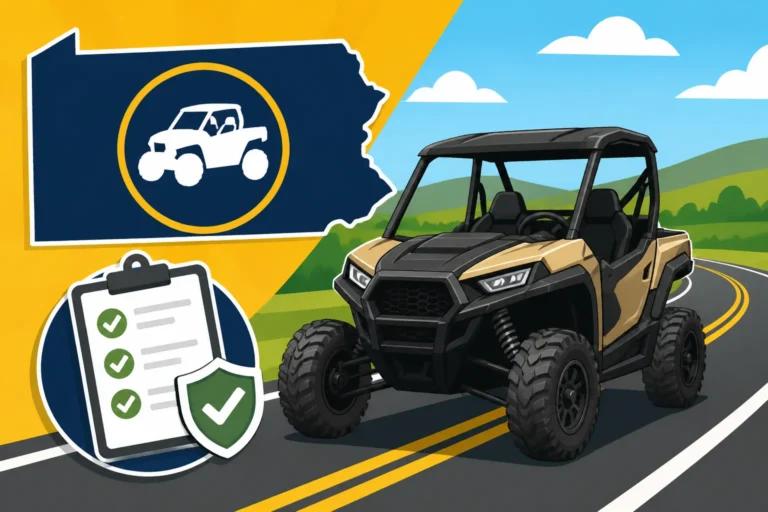
The last thing you want to do is mistakenly ride on a road that isn't designated, potentially leading to a fine or worse. Fortunately, identifying official connector routes is usually straightforward. The most common and clearest indicator is the distinct green sign, often with white lettering, explicitly stating that the road is open to ATVs and UTVs. You might see something like "[The Green Sign on a Pennsylvania Township Road]" indicating its purpose. Beyond the physical signs, it's always smart to consult official DCNR maps or the websites of local municipalities where you plan to ride. These resources are regularly updated and provide detailed information on permitted routes. For instance, if you're planning a trip like [Riding From Westport to Kettle Creek], you'll want to ensure any connecting roads are clearly marked and officially open. Never assume a road is a connector just because it looks like a good shortcut; always verify its status to avoid any issues. Using reliable maps and confirming signage is your best defense against accidental trespassing or illegal riding.
Specific Rules for Riding Connector Roads
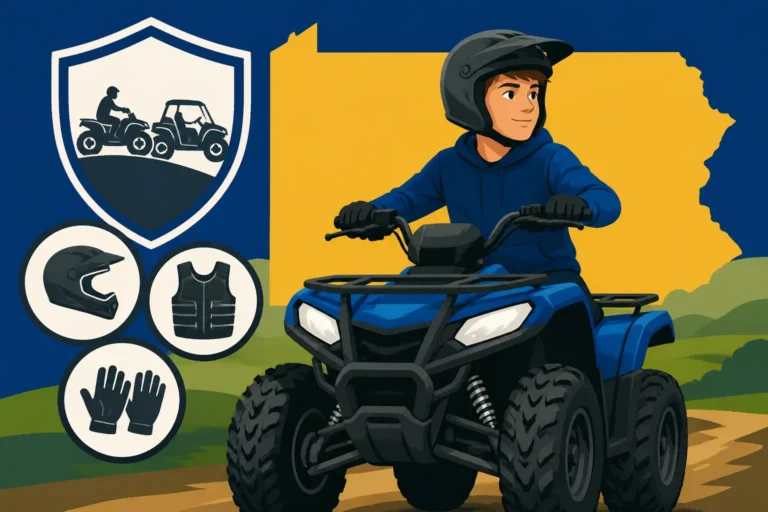
When you hit a designated connector road, you’re transitioning from a trail environment to a shared-use environment, and that means adhering to different regulations. First and foremost, the operator of the ATV or UTV must be at least 16 years old. This is a critical safety rule, so make sure you understand [Pennsylvania's Minimum Age of Sixteen on Roads] before hitting any public road sections. Helmets are absolutely mandatory for all riders and passengers, regardless of age, on these routes – no exceptions. For details, refer to [Pennsylvania Helmet Law for ATV Riders]. You must also carry proof of insurance, as riding off your own private land requires it, and these connector roads fall into that category. Check out [Pennsylvania ATV Insurance Requirement] for more details on coverage.
Beyond these fundamental safety requirements, specific operational rules apply. You'll need working headlights and taillights, and often turn signals and mirrors, to be visible to other traffic. Speed limits are strictly enforced, and often much lower than typical road speeds for cars. When crossing a highway or state route, you must do so at a 90-degree angle, stopping completely beforehand, as outlined in [Crossing a Highway on an ATV in Pennsylvania]. Your vehicle must be equipped with a muffler and spark arrestor, and any modifications that make your machine excessively loud or wide for a trail might also raise eyebrows on a road. For those with aftermarket parts from brands like SuperATV, which might enhance visibility with brighter lights or add mirrors, these upgrades are invaluable for safety on shared roads. However, always be mindful of your machine's width, as some state forest trails have strict limits, even if a connecting road doesn't.
Respecting Shared Spaces and Local Ordinances
The concept of a connector route relies heavily on the principle of [Pennsylvania Joint-Use Roads and Who Shares Them]. This means you’re not just riding; you're sharing the space with cars, trucks, residents, and sometimes even pedestrians or cyclists. Your behavior directly impacts the perception of all ATV and UTV riders, and it’s critical to be a good ambassador for the sport. This means keeping speeds down, especially in residential areas, being mindful of dust, and keeping noise to a minimum. Loud exhausts can quickly annoy locals and jeopardize the future of these connector programs.
Additionally, while the state sets baseline rules, local municipalities might have additional ordinances. Always check with the specific township or borough if you’re unsure, as ignorance of a local rule is no excuse. Remember that these are often quiet, rural roads where residents value their peace and quiet. A little courtesy goes a long way in ensuring these connector routes remain open and available for everyone to enjoy for years to come. Your actions on a connector road can influence whether future connector projects get approved or if existing ones face restrictions.
Planning Your Ride: From Trailhead to Trailhead
A successful ride that links two trail systems doesn't just happen; it requires careful planning. You're not simply hitting a dedicated trail; you're navigating a mix of environments, and that demands a different level of preparation.
Pre-Ride Checks and Preparations
Before you even think about swinging a leg over your machine, a thorough pre-ride inspection is non-negotiable, especially when you'll be on public roads. Beyond your usual trail checks, ensure all your lights—headlights, taillights, brake lights, and turn signals—are fully functional. Mirrors, if not standard on your machine, are highly recommended and often required for road sections; a good set from SuperATV can make a real difference in your situational awareness. Check your tire pressure, as road sections might benefit from slightly different pressures than solely off-road riding.
Equally important is having all your paperwork easily accessible. This includes your DCNR registration, proof of insurance, and your ATV safety certificate if you’re under 16 (though remember, 16 is the minimum for road use). Consider carrying these in a waterproof bag or a designated wallet card holder. Finally, don't underestimate your fuel needs. Connecting two trail systems can mean covering more miles than usual, including stretches at higher, fuel-consuming speeds on connector roads. Plan your route with fuel stops in mind, or carry extra fuel if necessary.
| Item | Importance for Connector Roads |
|---|---|
| DCNR Registration & Plate | Mandatory for legal operation on public roads and trails. |
| Proof of Insurance | Required by law off private property. |
| ATV Safety Certificate | Required for riders under 16 (but 16 is min. age for roads). |
| Working Headlights & Taillights | Essential for visibility and legal operation, especially in low light. |
| Working Turn Signals | Crucial for communicating intentions to other traffic. |
| Mirrors | Often required, vital for seeing traffic behind you. |
| Functional Brake Lights | Safety-critical for warning following vehicles. |
| Proper Muffler/Spark Arrestor | Legal requirement, reduces noise and fire risk. |
| Helmet | Mandatory for all riders/passengers, no exceptions. |
| Appropriate Footwear & Gear | Safety for any riding, protects on public roads. |
| Fuel Level | Connectors can be longer than anticipated; plan for refills. |
| Map / GPS | Essential for staying on designated routes. |
Using Maps and Technology for Route Planning
Gone are the days of just "winging it" when you're connecting trails. Precise route planning is your best friend. Start with official DCNR maps, which clearly delineate state forest ATV trails and often indicate designated connector roads. Supplement this with local township maps if possible, as they might provide more granular detail on road designations. GPS devices or smartphone apps are invaluable tools. Many popular riding apps allow you to download offline maps, which is critical in areas with spotty cell service.
Before your ride, trace your intended route, identifying all turns, road numbers, and the transitions between trail and connector road. Pay attention to potential hazards or areas where roads are not clearly marked. Always double-check [Pennsylvania Trail Conditions Before You Go] and [Pennsylvania Trail Closures to Check First]. There's nothing worse than planning an epic connection only to find a crucial segment closed due to weather, maintenance, or hunting season. Taking the time to scout the route online, or even physically if possible, can save you a lot of frustration and keep you safely on legal paths.
Avoiding Pitfalls and Fines
The thrill of connecting trails is immense, but the consequences of not following the rules can be severe. Riding on a non-designated road, even for a short distance, can result in hefty fines. [Pennsylvania Fines for Riding Illegally] can quickly turn a fun day into a costly mistake. Rangers and local law enforcement are vigilant, especially around popular trailheads and known connector areas. Don't be surprised if you encounter [What a Ranger Checks at a Trailhead], including your registration, insurance, and compliance with helmet and age requirements.
Remember, the designation of a connector road is a specific legal action. It doesn't mean all roads are fair game. Stick strictly to the marked green signs and confirmed routes. Riding off the designated path, even just onto the shoulder of a non-designated road, can still be considered an infraction. Be courteous, be visible, and always err on the side of caution. An ounce of prevention in planning can save you a pound of headache (and hundreds of dollars in fines) out on the trail.
Benefits and Future of Connected Trail Systems
The push for more connected trail systems in Pennsylvania isn't just about convenience; it's about enriching the entire off-road experience and benefiting local communities in tangible ways. These efforts are building a more robust and sustainable future for ATV and UTV recreation in the state.
Enhanced Riding Experience
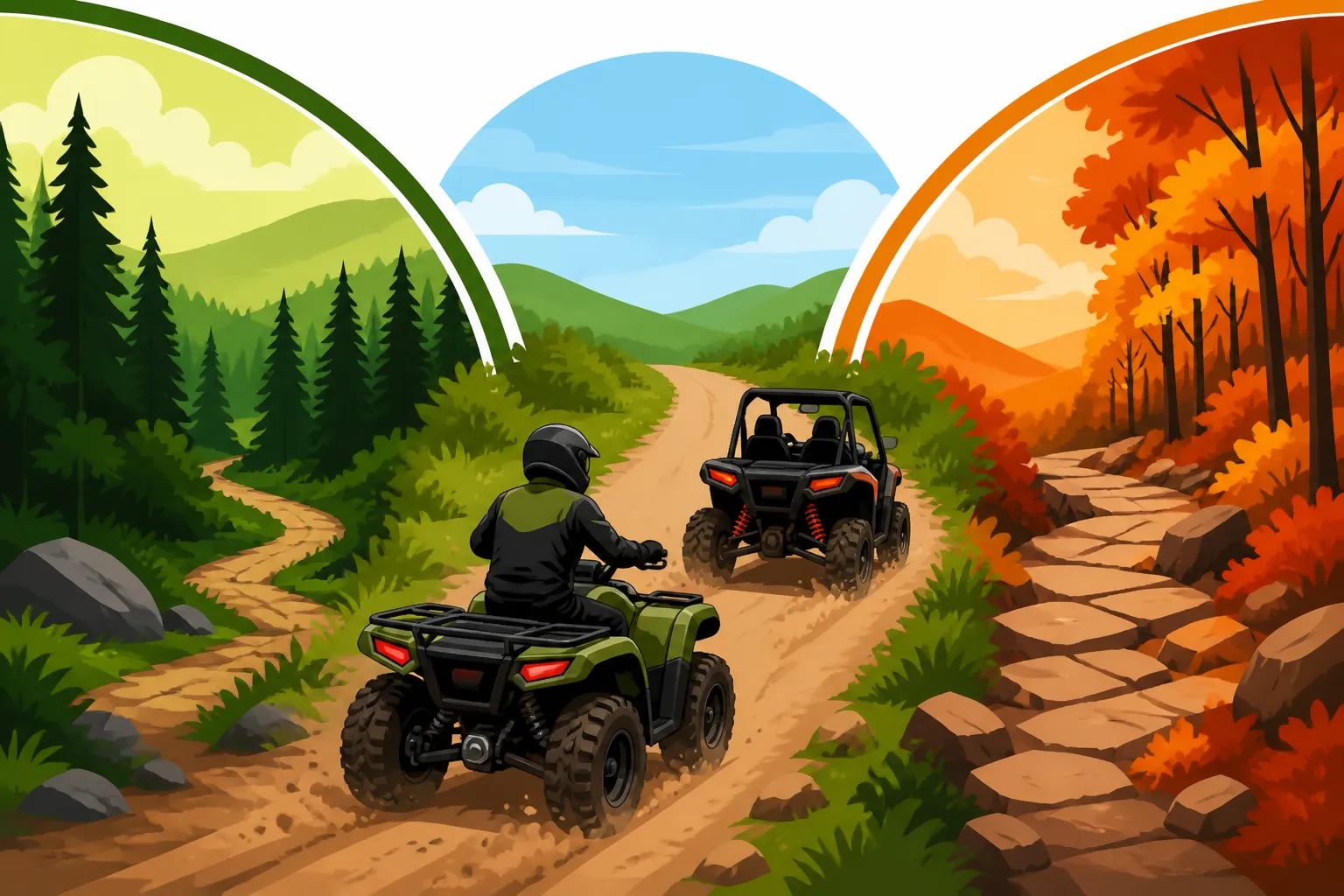
Imagine starting your day at one state forest trail, riding a designated connector through beautiful Pennsylvania countryside, and then arriving at an entirely different state forest trail system without ever having to load your machine back on a trailer. This is the promise of truly connected trails. It allows for much longer, more varied rides, transforming a typical half-day excursion into a full-day adventure or even a multi-day trip. Riders can explore new terrain, experience different types of trails, and cover more ground, leading to a much more satisfying and memorable experience. Being able to ride directly into a small town for lunch or gas, as described in [Riding Into Town on a Pennsylvania ATV], adds a layer of convenience that was once impossible for most riders. These connectors reduce logistical headaches, meaning more time spent riding and less time fussing with trailers and tow vehicles. This enhanced experience keeps riders engaged and encourages them to explore all that Pennsylvania has to offer.
Economic Impact on Local Communities
The benefits of connected trail systems extend far beyond the riders themselves. When trails are linked, it creates corridors of economic activity for the small towns and rural communities situated along these routes. Riders need gas, food, lodging, and sometimes even repair services. As they travel through connector roads, they are more likely to stop at local gas stations, grab a meal at a diner, or even stay overnight at a local motel or campground. This influx of visitor spending provides a vital boost to local economies, supporting small businesses and creating jobs in areas that might otherwise struggle. It showcases how responsible ATV and UTV recreation can be a powerful engine for rural development, proving that access for riders can coexist with, and even benefit, local residents. The more seamlessly we can connect our riding areas, the greater the economic ripple effect will be for these communities.
Advocating for More Connectors
The progress made in establishing connector routes is a testament to the hard work of DCNR, local townships, and passionate rider advocacy groups. But the work is far from over. If you want to see more connector routes in your favorite riding areas, your voice matters. Engaging with your local township supervisors, attending public meetings, and letting them know the positive impact these routes have on both your riding experience and the local economy can make a difference. Joining local ATV clubs is another excellent way to contribute, as these clubs often spearhead efforts to work with municipalities and the DCNR to identify and establish new connections. The long-term vision is a truly integrated statewide network, allowing riders to experience the vast diversity of Pennsylvania's landscape. By responsibly using existing connectors and advocating for more, we can ensure that future generations of riders enjoy an even more expansive and seamless off-road experience across the Commonwealth.
Disclaimer
This article is for general informational purposes only and does not constitute professional advice. Laws, prices and regulations vary by location and change over time. Consult a qualified professional for guidance on your specific situation.