Riding De Haas Road to the Terminus
Riding De Haas Road to its terminus is a classic experience for Pennsylvania ATV and UTV enthusiasts, but many riders underestimate the preparation and understanding needed to truly enjoy this stretch of wilderness without a hitch. This guide will walk you through everything you need to know, from locating this iconic road to navigating its unique challenges and ensuring you're fully compliant with state regulations, helping you confidently embark on your journey through the Sproul State Forest.
De Haas Road: Your Gateway to the Sproul State Forest Trail System
De Haas Road isn't just another stretch of gravel in the Pennsylvania wilds; it's a vital artery for the ATV and UTV community, offering access and connection deep into the vast Sproul State Forest. For many, it's the starting point for epic adventures, a connector to other challenging trails, or simply a beautiful ride in its own right. Understanding its place in the broader trail network is the first step to a successful outing.
Pinpointing De Haas Road's Location and Purpose
Located primarily in Clinton County, De Haas Road is nestled within the sprawling Sproul State Forest, one of Pennsylvania's largest and most remote state forests. Think of it as a spine that allows riders to delve into the heart of this incredible landscape. For many riders coming from areas like Snow Shoe or points further east, De Haas Road serves as a primary access point, often leading directly from a paved or well-maintained gravel road into the designated ATV trail system. It's not a standalone loop but rather an integral segment of a much larger network, acting as a connector that bridges different sections of trails and sometimes provides access to remote staging areas or hunting camps.
Imagine you've just trailered your UTV for hours, eager to hit the dirt. You pull off a state route onto a smaller forest road, and then you see the tell-tale green DCNR sign indicating the start of the designated ATV route – that's often De Haas Road. It’s a moment of anticipation, knowing that from here, the real adventure begins. It’s designed to facilitate movement within the forest, allowing riders to transition between more technical single-track trails and wider, more accessible forest roads. Its designation as an ATV-legal road is crucial, meaning you're allowed to operate your machine there, unlike many other forest roads that remain closed to off-highway vehicles.
Understanding "To The Terminus"
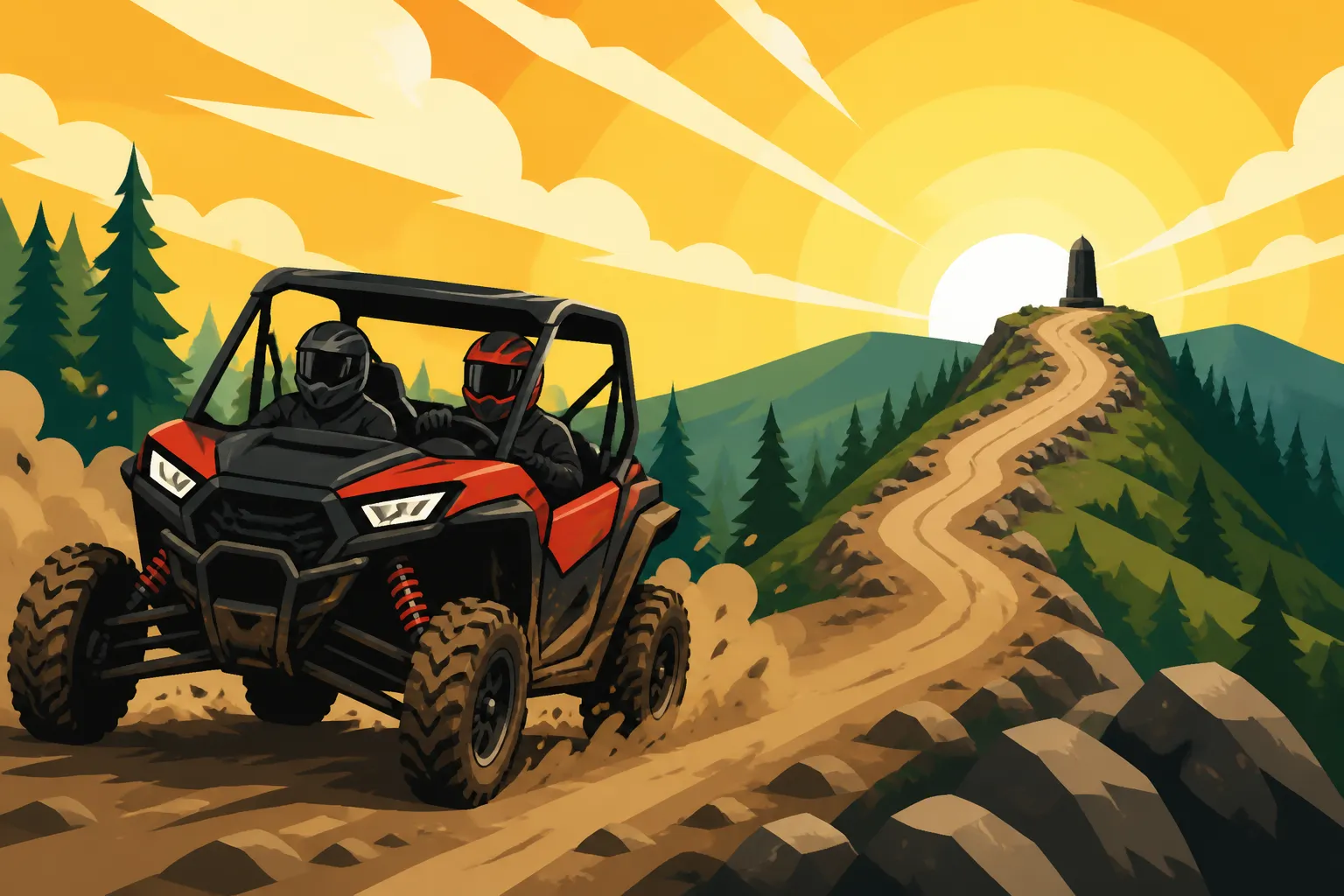
When you hear "Riding De Haas Road to the Terminus," it refers to navigating the entire designated ATV-legal length of the road until it either ends, transitions into a different type of road not open to ATVs, or becomes private property. The "terminus" isn't always a dramatic overlook or a clear physical barrier; sometimes, it's simply a sign indicating the end of the motorized access. This is incredibly important because riding past the designated terminus can quickly lead to trespassing fines or citations for operating an ATV on a prohibited road.
It's easy to get caught up in the thrill of the ride, especially when the scenery is breathtaking and the trail beckons. However, seasoned riders know that awareness of your location and the legal boundaries is paramount. Picture this: you've been cruising along De Haas, enjoying the twists and turns, perhaps passing a few other riders. You come to what looks like just another bend in the road, but tucked away is a small, weathered sign stating "ATV Trail Ends" or "Private Property Beyond This Point." An inexperienced rider might blow right past it, eager for more trail. A prepared rider, however, would recognize this as the terminus, turn around, or seek a designated connecting trail. Always consult up-to-date [Pennsylvania Trail Maps From DCNR] before you head out, and keep an eye on trail markers and signage to ensure you stay within the legal boundaries. Your adventure should be about enjoying the forest, not encountering legal trouble.
Navigating De Haas Road: What Riders Should Expect
De Haas Road, like many forest roads, offers a unique riding experience that can vary greatly depending on weather and recent maintenance. Being prepared for its typical conditions and understanding the safety aspects of shared-use roads are key to an enjoyable and incident-free ride.
Road Conditions and Terrain
The surface of De Haas Road is typical for a state forest route: a mix of gravel, packed dirt, and sometimes larger loose rock. It's not a manicured pathway, and that's part of its charm. Riders should anticipate a constantly changing landscape. After a dry spell, sections can become dusty, leading to reduced visibility, especially when following other machines. Conversely, a heavy rain can transform parts of the road into muddy stretches, deep puddles, or even create significant washouts and ruts. These conditions require attentive riding and can test your machine's capabilities.
For those who push their machines through the toughest terrain, especially on trails with sharp rocks and unpredictable washouts like parts of De Haas, upgrading to heavy-duty components from a reputable brand like SuperATV can offer invaluable peace of mind. Investing in a quality suspension system or durable A-arms can make a huge difference in comfort and control over rough ground. You might encounter steep ascents and descents that require careful throttle control, and blind corners are a constant feature of mountain roads. It's not uncommon to find sections where the road narrows, bordered by dense forest or steep embankments. This dynamic terrain is what makes riding in Sproul so engaging, but it also demands respect and appropriate riding skills. Always ride within your limits and the capabilities of your machine.
Safety Considerations on a Shared Forest Road
One of the most critical aspects of riding De Haas Road, or any designated forest road, is understanding that you are sharing the space. These aren't exclusive ATV trails; they are often used by DCNR vehicles, logging trucks, hunters during season, hikers, mountain bikers, and other outdoor enthusiasts. This means you must ride defensively and be prepared to encounter unexpected traffic around any corner. Logging trucks, in particular, move quickly and can be very large, taking up much of the road.
Visibility is key. Wearing brightly colored gear, especially during hunting seasons, is a smart practice. Always keep your headlights on, even in broad daylight, to make yourself more visible to oncoming traffic. When approaching blind curves or crests, slow down significantly and be prepared to stop. A quick flick of your horn can also alert others to your presence. Remember that the law dictates [Pennsylvania Helmet Law for ATV Riders] for those under 16, but wearing one for all riders significantly reduces the risk of serious injury. A high-quality winch, perhaps a robust unit from SuperATV, isn't just for getting unstuck; it can be crucial for clearing minor obstacles or assisting a fellow rider in a bind. Additionally, make sure your machine has working brakes and proper lighting, especially if your ride extends into dusk or low-light conditions. Encountering a logging truck or a DCNR vehicle unexpectedly on a blind curve can be startling, but by maintaining a safe speed and staying alert, you can mitigate the risks and enjoy a safe ride.
Rules of the Road for De Haas and Beyond
Riding legally and responsibly on De Haas Road, and anywhere in Pennsylvania's state forests, means adhering to specific regulations regarding your machine's registration, your personal insurance, and the necessary permits. Ignoring these rules can lead to significant fines and ruin an otherwise perfect day in the woods.
Registration, Insurance, and Permits
Before your wheels even touch the gravel of De Haas Road, you need to ensure your ATV or UTV is properly registered with the Pennsylvania Department of Conservation and Natural Resources (DCNR). Since De Haas Road is part of the state forest system and not your private land, you'll need a [Pennsylvania's General Registration for Everywhere Else]. This isn't the same as a PennDOT registration for street-legal vehicles, as ATVs are generally not street legal in Pennsylvania. Along with registration, you are legally required to carry proof of liability insurance. This insurance covers you in case of an accident where you are at fault and cause damage or injury to others. [Pennsylvania ATV Insurance Requirement] mandates this for any riding off your own private property.
Beyond basic registration and insurance, accessing trails in the Sproul State Forest requires a specific permit: the [Pennsylvania's Northcentral Regional Trail Permit]. This permit is a vital part of supporting the maintenance and development of the trails you ride. It covers designated ATV trails and roads in Clinton, Lycoming, Potter, and Tioga counties – precisely where De Haas Road is located. You must purchase this permit annually, and it must be displayed on your machine. For youth riders aged 8-15, a valid Pennsylvania ATV Safety Certificate is also mandatory. Imagine pulling up to a trailhead, eager to start your ride, and a DCNR ranger is doing a routine check. They'll ask for your DCNR registration, proof of insurance, and that Northcentral trail permit. If any of these are missing, you could face [Pennsylvania ATV Registration Fines] or even be turned away from the trail, ending your adventure before it even begins. Keeping all your paperwork, including your DCNR wallet card, safe and accessible is a small effort for big peace of mind.
ATV/UTV Specific Regulations
Pennsylvania has clear guidelines for the ATVs and UTVs operating on its state forest trails. One of the most common issues riders encounter, especially those with newer, wider UTVs, is the [Pennsylvania's Class II Trail Width Limit]. Many state forest trails, particularly those that are more technical or were originally designed for narrower ATVs, have a maximum width of 64 inches. While De Haas Road itself might be wide enough for most UTVs, if you plan to branch off onto connecting trails, you must ensure your machine complies with this limit. Always check your machine's specifications against the trail requirements.
In addition to width, several other mechanical requirements are in place. Your machine must be equipped with a U.S. Forest Service approved spark arrestor on the exhaust system to prevent wildfires. Muffler systems must be in good working order and not exceed specific decibel limits; excessively loud exhausts are both illegal and disrespectful to other forest users. If you're riding in conditions that might extend into dusk or darkness, your machine must have functional headlights and taillights, as per [Pennsylvania Lighting Requirements for ATVs]. These lights are crucial for both seeing and being seen. Many riders enhance their UTVs with custom doors, roofs, or even specific storage solutions for tools and supplies. Brands like SuperATV offer a wide array of accessories designed to make your machine more capable and comfortable for long days on the trail, but always ensure any modifications comply with Pennsylvania's regulations. Before hitting De Haas Road, take a moment to double-check that your machine meets all these crucial requirements, avoiding potential citations and ensuring a safe and courteous ride for everyone.
| Requirement | Description | Important Notes for De Haas Road |
|---|---|---|
| Registration | Your ATV/UTV must have a current Pennsylvania DCNR general registration. | [Pennsylvania's General Registration for Everywhere Else] is required for all state forest roads and trails. |
| Insurance | Proof of liability insurance is mandatory for riding off your own private property. | Carry your insurance card. [Pennsylvania ATV Insurance Requirement] applies here. |
| Trail Permit | For the Sproul State Forest, the Northcentral Regional Trail Permit is necessary. | This specific permit covers Clinton, Lycoming, Potter, and Tioga counties, where De Haas Road is located. |
| Safety Certificate | Riders aged 8-15 must possess a valid ATV Safety Certificate. | Operators 16 and older are encouraged to take a course, though it's not always mandated for adults. |
| Helmet | All riders and passengers under 16 must wear an approved helmet. | It is highly recommended for all riders, regardless of age, on De Haas Road for safety. |
| Machine Width | State Forest Trails often have a 64-inch width limit. | Ensure your UTV or wider ATV complies if you plan to connect to narrower single-track trails. |
| Spark Arrestor | A U.S. Forest Service approved spark arrestor is required on your exhaust. | This is critical for preventing wildfires in the dry forest environment. |
| Lighting | Machines must have working headlights and taillights, especially for low-light conditions. | Be prepared for unexpected weather or extended rides that might push into dusk. |
Maximizing Your Ride: Connecting to the Sproul State Forest Network
De Haas Road is a fantastic ride, but its true value often lies in its ability to connect you to a much larger adventure within the Sproul State Forest. To truly maximize your experience, you need to think beyond De Haas itself and consider how it integrates into the expansive network of trails.
Planning Your Route from De Haas
While riding De Haas Road to its terminus is a satisfying goal, many riders use it as a starting point to explore even more of the Sproul State Forest. The Sproul offers a fantastic network of trails, and De Haas often serves as a primary access route to connect you to areas like the East Kettle Trail, the Haneyville Trail, and other designated segments. Before you even load your machine, grab a detailed DCNR map of [Pennsylvania's Sproul State Forest Trails]. These maps are invaluable for identifying other connected trails, staging areas, and even points of interest like scenic overlooks or stream crossings.
Consider mapping out a full-day or even multi-day loop. De Haas Road might be the initial leg, leading you to a junction where you can choose to head deeper into the forest on more challenging terrain or link up with other forest roads for a longer, more leisurely ride. For instance, you might use De Haas to access the main Sproul network, then plan a route that eventually connects you towards [Riding Whiskey Springs Along Kettle Creek] – another popular and extensive trail system. If you're looking to tackle the more aggressive sections of the Sproul trail system, investing in aftermarket A-arms or larger tires – readily available from companies like SuperATV – can significantly improve your machine's ground clearance and articulation, making those more challenging connections easier to manage. Always have a plan for where you're going, how long it will take, and potential bail-out points or shortcuts if conditions change or you need to return early.
Responsible Riding and Trail Etiquette
Enjoying the vastness of the Sproul State Forest comes with the responsibility of preserving it for everyone. Riding De Haas Road and its connecting trails means adhering to strict "Leave No Trace" principles. This means packing out everything you pack in, including trash, and avoiding any littering. Beyond the environmental aspect, respectful trail etiquette is crucial, especially on shared-use roads like De Haas. When you encounter hikers, mountain bikers, or equestrians, slow down, give them ample space, and turn off your engine if necessary to allow them to pass without being startled by noise or dust.
Wildlife is abundant in the Sproul, and encounters are not uncommon. Maintain a safe distance, never harass animals, and report any injured wildlife to DCNR. Staying on marked trails and designated roads is not just a rule; it's a critical practice for protecting sensitive habitats and preventing erosion. Going off-trail can damage vegetation, disturb wildlife, and contribute to trail degradation. You can find more detailed guidance on respectful riding in articles covering [Pennsylvania Trail Etiquette on Narrow Trails]. Ensuring your machine is in top condition is paramount, especially before embarking on a remote ride to the terminus of De Haas Road. This includes checking tire pressure, fluid levels, and making sure all critical components, from your brakes to any aftermarket upgrades you’ve installed from SuperATV, are functioning perfectly. By being a courteous and responsible rider, you not only ensure your own enjoyment but also help maintain access and goodwill for the entire ATV and UTV community in Pennsylvania.
Disclaimer
This article is for general informational purposes only and does not constitute professional advice. Laws, prices and regulations vary by location and change over time. Consult a qualified professional for guidance on your specific situation.