Riding on Game Lands and What Happens
It's a common dream for many ATV and UTV enthusiasts in Pennsylvania: cruising through vast, wild landscapes, exploring untouched nature. And when you look at a map, those expansive swaths of green labeled "State Game Lands" certainly look inviting, promising miles of open terrain. But for too many riders, this dream quickly turns into a nightmare of fines and frustration because they didn't realize that Game Lands come with very specific rules. This guide will clarify exactly what happens if you try to ride your ATV or UTV on Pennsylvania State Game Lands, what the strict limitations are, and more importantly, where you can legally and safely enjoy your machine in the Keystone State.
Understanding Pennsylvania Game Lands Regulations for ATVs
Let's get straight to the point: riding ATVs and UTVs on Pennsylvania State Game Lands is, with extremely rare and specific exceptions, against the rules. This isn't just a suggestion; it's a strongly enforced regulation by the Pennsylvania Game Commission (PGC), the agency responsible for managing these precious resources. It's a fundamental difference from how State Forests or other recreational lands might operate, and understanding this distinction is crucial for any responsible rider.
The Core Restriction: Why ATVs Are Generally Prohibited
The primary mission of the Pennsylvania Game Commission, and thus the purpose of State Game Lands, is the protection and management of wildlife and their habitats. These lands are designated first and foremost for hunting, trapping, and wildlife observation. When you introduce motorized vehicles like ATVs and UTVs into these environments, even on what might seem like old logging roads or clearings, it creates a significant disturbance. The noise, exhaust, and ground disturbance from these machines can stress wildlife, disrupt breeding patterns, damage sensitive ecosystems, and degrade the quiet experience intended for hunters and nature observers.
Because of this core mission, the PGC has established strict regulations prohibiting the general public from operating ATVs, UTVs, or any other motorized off-road vehicles on State Game Lands. This prohibition is rooted in the 58 Pennsylvania Code, which outlines the rules and regulations governing activities on these lands. It's a comprehensive approach to ensuring these areas remain sanctuaries for wildlife and traditional outdoor pursuits, free from the impacts of widespread motorized recreation. Think of it less as a "no fun allowed" rule and more as a "wildlife first" mandate.
Identifying Game Lands: Spotting the Signs and Maps
It’s easy to stumble onto Game Lands without realizing it if you're not paying close attention. State Game Lands are typically marked with specific signage. These signs are often yellow or orange, clearly stating "State Game Lands" and featuring the Pennsylvania Game Commission logo. You'll usually see them posted at property lines, along roads bordering the lands, and at common access points. Sometimes, these signs will also include boundary paint on trees, often in white or yellow, to further delineate the property line.
However, relying solely on signs at every turn isn't foolproof. The best way to know if you're entering or operating near State Game Lands is to consult official maps. The Pennsylvania Game Commission provides detailed maps, often available online or at their regional offices, that clearly outline the boundaries of Game Lands across the state. Many GPS units and mapping apps also integrate Game Lands boundaries, which can be an invaluable tool for riders who want to be sure they're staying on legal ground. Always check your route against these official resources before you head out. A little planning can save you a lot of headache.
Consequences of Illegal Riding: Fines and Enforcement
Let's not sugarcoat it: getting caught riding an ATV or UTV on State Game Lands can lead to some pretty significant penalties. Game Wardens, who are fully commissioned law enforcement officers, regularly patrol these areas. Their primary duty is to enforce wildlife and Game Lands regulations, and they take ATV violations seriously. The fines for illegal ATV operation on Game Lands can be substantial, often starting in the hundreds of dollars, and can increase for repeat offenses or if additional damage is caused to the land. This is far from a slap on the wrist. [Pennsylvania Fines for a Trail Violation] can vary widely, but expect a hefty sum if you're found where you shouldn't be.
Beyond monetary fines, there can be other consequences. In some cases, your ATV or UTV could potentially be impounded, leading to additional costs for retrieval and storage. You might also face charges for trespassing or damaging state property. A citation for riding on Game Lands can also lead to court appearances and become a matter of public record, which is certainly not an experience any rider wants. It’s not just about the cost of a fine; it’s about the hassle, the potential loss of your machine, and the negative mark on your record. The bottom line is, the risk far outweighs any perceived reward of riding in these prohibited areas.
Exceptions and Special Access Permits
While the general rule is "no ATVs on Game Lands," there are very specific, narrow exceptions to this policy. These exceptions are not for general recreational riding but are designed to accommodate specific needs or administrative functions. It’s crucial to understand that these aren't loopholes for pleasure riding; they are carefully regulated allowances for particular circumstances.
Disabled Access Permits: Who Qualifies and How to Apply
One of the most important exceptions is for individuals with disabilities. The Pennsylvania Game Commission offers a special Disabled Person Access Permit, which allows eligible individuals to use an ATV or UTV on specific Game Lands roads or trails for hunting and other wildlife-related activities. This permit is not for general joyriding, but rather to facilitate access for those who, due to a permanent physical disability, cannot access these areas on foot. This is a compassionate allowance, not a recreational opening. [How the Disabled Access Permit Works on Game Lands] explains this in detail.
To qualify, an applicant must have a permanent physical disability that substantially impairs their ability to walk. This typically requires a medical certification from a licensed physician outlining the nature of the disability. The application process involves submitting this medical documentation along with a completed application form to the Pennsylvania Game Commission. If approved, the permit specifies the conditions under which the ATV or UTV can be operated, including approved routes and times. It's a highly regulated privilege, not a blanket permission to explore. Misuse of this permit can lead to its revocation and penalties.
Seasonal and Administrative Access: Limited Windows
Beyond the disabled access permits, there are very few other instances where motorized vehicles are permitted on Game Lands. For example, during certain hunting seasons, the PGC may issue specific, limited permissions for the retrieval of lawfully harvested big game using ATVs or UTVs, but this is usually tied to specific game lands, dates, and strict conditions. This isn't permission to ride around looking for game; it's generally about getting a downed animal out of the woods. [Pennsylvania Rules for Retrieving Game by ATV] will outline these specific allowances, which are far from general riding opportunities.
Additionally, Game Commission staff, contractors, or other authorized personnel may use ATVs and UTVs for administrative purposes, such as wildlife surveys, habitat management, boundary maintenance, or law enforcement patrols. These are official uses and do not extend to the public. These vehicles are essential tools for the PGC to carry out its conservation duties, but their presence doesn't indicate that the public can also ride. Always remember that what you see Game Commission staff doing on Game Lands is likely part of their official duties and not reflective of public access.
Road Systems Within Game Lands: Are Any Open?
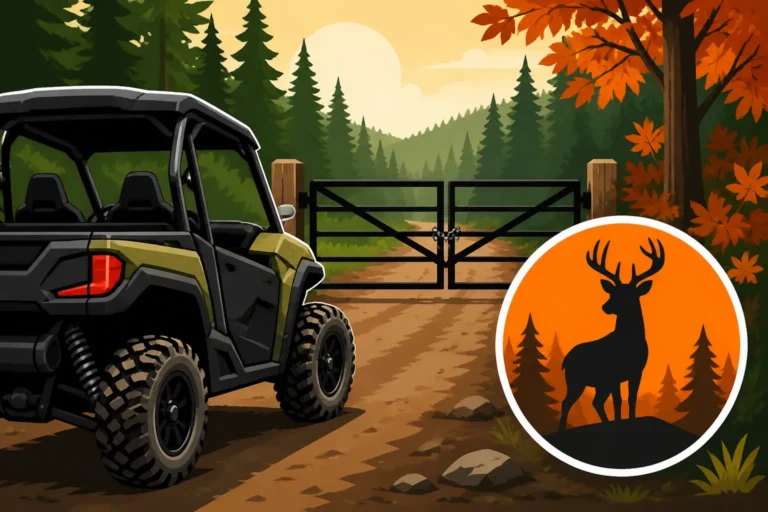
A common misconception is that if there's a road within a State Game Land, even if it's a gravel or dirt track, it must be open to ATVs. Unfortunately, this is almost never the case for public recreational ATV use. Roads within Game Lands are managed by the Pennsylvania Game Commission, and they are typically gated or signed as closed to public vehicular traffic. While some of these roads might be open to licensed passenger vehicles for specific purposes (like accessing hunting areas or parking), they are generally not open for off-road vehicle use.
The designation of "State Game Lands" carries a universal prohibition on ATVs unless explicitly stated otherwise by a very specific permit or sign. Unlike State Forests, where certain roads and trails are designated for ATV use, Game Lands maintain a strict posture against motorized recreation to protect their wildlife-centric mission. So, even if you see what looks like a perfectly rideable trail or road cutting through Game Lands, assume it's closed to your ATV or UTV unless you have an official, written, and current permit from the PGC explicitly allowing you to be there. [Why Game Lands Are Closed to Quads] really drives this point home.
Safe and Legal Alternatives for Pennsylvania Riders
Given the strict regulations against ATV and UTV riding on State Game Lands, it’s natural to wonder where you can go to enjoy your machine legally and responsibly in Pennsylvania. The good news is that the state offers a wealth of fantastic options, from extensive public trail systems to privately managed parks, ensuring that every rider can find an appropriate and exciting place to hit the dirt.
Designated State Forest and DCNR Trails
Pennsylvania is blessed with vast State Forests managed by the Department of Conservation and Natural Resources (DCNR), many of which feature extensive, well-maintained ATV and UTV trail systems. These DCNR trails are explicitly designated for motorized off-road use, offering hundreds of miles of diverse terrain suitable for riders of all skill levels. From the rocky, challenging trails of Sproul State Forest to the more flowing paths in Bald Eagle State Forest, there's a huge variety to explore. These trails are generally open seasonally, from the Friday before Memorial Day through the last full weekend in September, and often reopen for a winter season.
Riding on DCNR trails requires your ATV or UTV to be registered with the DCNR, and some specific areas, particularly in the northcentral region, may also require a special trail permit. You'll find clear signage indicating where trails begin and end, as well as rules regarding safety, speed, and environmental protection. These are the premier public riding areas in the state for ATVs and UTVs. Always check the DCNR website for the latest trail conditions, maps, and specific regulations for each forest district. This is where you'll find [Where to Ride an ATV in Pennsylvania] legally and enjoyably.
Private Parks and Managed Riding Areas
For those seeking year-round riding or more specialized terrain, Pennsylvania also boasts several excellent private, managed off-road parks. These parks typically operate on a day-pass or membership basis and offer a wide array of amenities, from beginner-friendly loops to extreme rock crawling sections. Two of the most prominent examples are the Anthracite Outdoor Adventure Area (AOAA) in Coal Township and Rock Run Recreation Area in Cambria County. These parks often have their own unique rules regarding vehicle types, helmets, and operating hours, but they provide a safe, legal, and thrilling environment for off-road enthusiasts.
These private parks are fantastic for pushing your machine's limits, testing out new modifications, or simply enjoying a full day of riding without worrying about straying onto prohibited land. Many riders outfit their machines with heavy-duty components from brands like SuperATV, such as lift kits, larger tires, or reinforced suspension, specifically for the challenging conditions found in these parks. These parks are usually open year-round, weather permitting, offering a consistent option for riders. They also often provide services like on-site food, restrooms, and even recovery services. For more on these types of areas, check out [Pennsylvania Pay-to-Ride Parks Worth the Drive].
Club Trails and Leased Lands
Another excellent avenue for legal ATV and UTV riding in Pennsylvania is through local clubs. Many ATV and UTV clubs across the state have established agreements with private landowners or lease parcels of land specifically for their members to ride. These club-managed trails can range from sprawling networks to smaller, tight-knit systems. Joining a club often grants you access to these exclusive trails, provides a sense of community, and helps support the development and maintenance of riding opportunities.
Club trails often have specific rules that members must adhere to, which can include limits on machine size (to ensure [Pennsylvania Rules for a Side-by-Side on a Trail] are followed), noise levels, and operating times. Membership fees typically go towards insurance, trail maintenance, and administrative costs. It's a great way to ride safely and legally while contributing to the sport. Being part of a club also means you'll have a network of experienced riders who can guide you to legal riding areas and share valuable local knowledge. If you're looking for organized riding experiences and access to unique trails, exploring local clubs is a fantastic option. Learn more about joining and riding on these types of trails through [Pennsylvania Rules for Riding a Club Trail].
Responsible Riding Practices and Machine Prep
Regardless of whether you're hitting a DCNR trail, a private park, or club-leased land, responsible riding practices and proper machine preparation are paramount. This isn't just about safety; it's about preserving access for all riders, respecting the environment, and ensuring you have a positive experience every time you head out.
Pre-Ride Checks and Essential Gear
Before your tires ever touch dirt, a thorough pre-ride inspection of your ATV or UTV is critical. Check tire pressure, fluid levels (oil, coolant, brake fluid), and ensure all lights are working. Inspect your brakes, throttle, and steering for proper function. Look for any loose bolts, cracked components, or leaks. Many riders depend on aftermarket parts, perhaps from SuperATV, for enhanced durability and performance, so ensure any upgrades are properly installed and maintained. A well-maintained machine is a safe machine, and it prevents breakdowns that could leave you stranded miles from anywhere.
Beyond your machine, your personal safety gear is non-negotiable. A DOT-approved helmet is legally required in Pennsylvania for riders under 16, but it's a smart choice for all riders, regardless of age. Eye protection (goggles or a face shield), sturdy over-the-ankle boots, gloves, and long pants/sleeves are also essential to protect you from impacts, debris, and the elements. Carrying a basic first-aid kit, a tool kit, and enough water are also highly recommended. Taking a [Pennsylvania ATV Safety Certificate Requirements] course can also significantly enhance your riding knowledge and skills, making every outing safer.
Navigating Legally: Maps, GPS, and Local Knowledge
To ensure you stay on legal trails and avoid inadvertently straying into prohibited areas like Game Lands, reliable navigation is key. Always carry detailed maps of your intended riding area. DCNR provides excellent [Pennsylvania Trail Maps From DCNR] for their State Forest trail systems, often with color-coded routes and difficulty ratings. Many modern GPS units and smartphone apps offer off-road mapping capabilities that can show designated trails and property boundaries, helping you stay on track.
Before heading out, familiarize yourself with the area and, if possible, talk to local riders or park staff. They can offer invaluable insights into current trail conditions, potential hazards, and any temporary closures. Relying on memory or guessing can easily lead you off course and into trouble. A good practice is to always have a backup navigation method, whether it's a paper map or a fully charged secondary device, in case your primary GPS fails.
Environmental Stewardship and Trail Etiquette
The privilege of riding in Pennsylvania's beautiful natural areas comes with a responsibility to protect them. This means practicing sound environmental stewardship and demonstrating good trail etiquette. Always stay on marked trails; riding off-trail can damage vegetation, disrupt wildlife, and cause erosion, leading to trail closures. Pack out everything you pack in, and leave no trace of your visit. Mud and trash are two of the quickest ways to get trails closed down permanently.
Respect other trail users, including hikers, mountain bikers, and equestrians, by slowing down, giving them space, and being courteous. Yield the right-of-way when appropriate. Keep your machine's exhaust system in good working order to minimize noise pollution. [Pennsylvania Trail Etiquette on Narrow Trails] is crucial for ensuring everyone has a pleasant and safe experience, and for maintaining positive relationships between different user groups. Remember, your actions reflect on the entire ATV and UTV community.
The Role of Accessories in Legal Riding
While no accessory will make your ATV or UTV legal on Game Lands, the right equipment can significantly enhance your experience and safety on designated trails. Aftermarket accessories from reputable brands like SuperATV can improve your machine's performance, durability, and capability. For instance, heavy-duty skid plates and A-arm guards protect your machine from rocks and debris, vital for Pennsylvania's often rugged terrain. A reliable winch, even if you rarely use it, is an essential recovery tool for getting unstuck safely and efficiently.
Lighting upgrades, such as LED light bars or improved headlights, can make night riding safer on trails where it's permitted, ensuring you meet visibility requirements. Quiet exhaust systems can help you adhere to sound regulations in certain parks or forest areas, demonstrating respect for the environment and other users. When considering accessories, always ensure they comply with any local or state regulations for the areas you plan to ride. Investing in quality parts isn't just about fun; it's about responsible, safe, and legal enjoyment of your off-road machine.
Comparative Table: ATV/UTV Riding Areas in Pennsylvania
| Feature / Area | Pennsylvania State Game Lands | Pennsylvania State Forests (Designated Trails) | Private Parks (e.g., AOAA, Rock Run) |
|---|---|---|---|
| Primary Purpose | Wildlife Management, Hunting | Timber, Water, Recreation, Conservation | Commercial Recreation, Off-Road Riding |
| ATV/UTV Riding | Generally Prohibited | Permitted on Designated Trails Only | Permitted on All Marked Trails |
| Access Permits | Special Disabled Access Only | DCNR Registration & Regional Permit (some areas) | Day Passes/Memberships Required |
| Enforcement | Game Wardens | DCNR Rangers, State Police | Park Staff, Local Law Enforcement |
| Trail Variety | N/A (No public recreational trails) | Varies (forest roads, technical trails) | Wide Variety (mud, rock, climbs, beginner loops) |
| Machine Types | N/A | Width/Weight Limits Apply (typically 64" wide) | Varies by Park (some allow wider rigs/full-size) |
| Environmental Impact | Minimal due to controlled access | Managed through specific regulations | Managed, often with designated recovery areas |
| Typical Season | N/A | Seasonal openings (Spring-Fall, Winter) | Year-round (weather permitting) |
Disclaimer
This article is for general informational purposes only and does not constitute professional advice. Laws, prices and regulations vary by location and change over time. Consult a qualified professional for guidance on your specific situation.