How the Disabled Access Permit Works on Game Lands
It's incredibly frustrating when a passion like hunting or trapping feels out of reach because of mobility challenges. Pennsylvania's State Game Lands, while a treasure trove for outdoor enthusiasts, often pose significant access barriers due to restrictions on motorized vehicles. This guide is here to walk you through exactly how the Pennsylvania Game Commission's Disabled Access Permit works, providing a much-needed pathway for hunters and trappers with disabilities to continue pursuing their love for the outdoors on these lands.
Understanding Pennsylvania's Disabled Access Permit for Game Lands
For many years, the Pennsylvania Game Commission (PGC) has maintained strict rules regarding vehicle access on State Game Lands (SGLs). Generally, these lands are closed to ATVs and UTVs for public recreational riding. This policy is in place to protect wildlife, preserve habitat, and ensure a traditional, quiet hunting experience. However, for hunters and trappers who live with physical disabilities, these restrictions can effectively cut them off from participating in activities they cherish. It’s tough when mobility issues limit access to your favorite hunting spots, especially when you know the game is often deep within areas that are inaccessible on foot.
Bridging the Mobility Gap for Hunters and Trappers
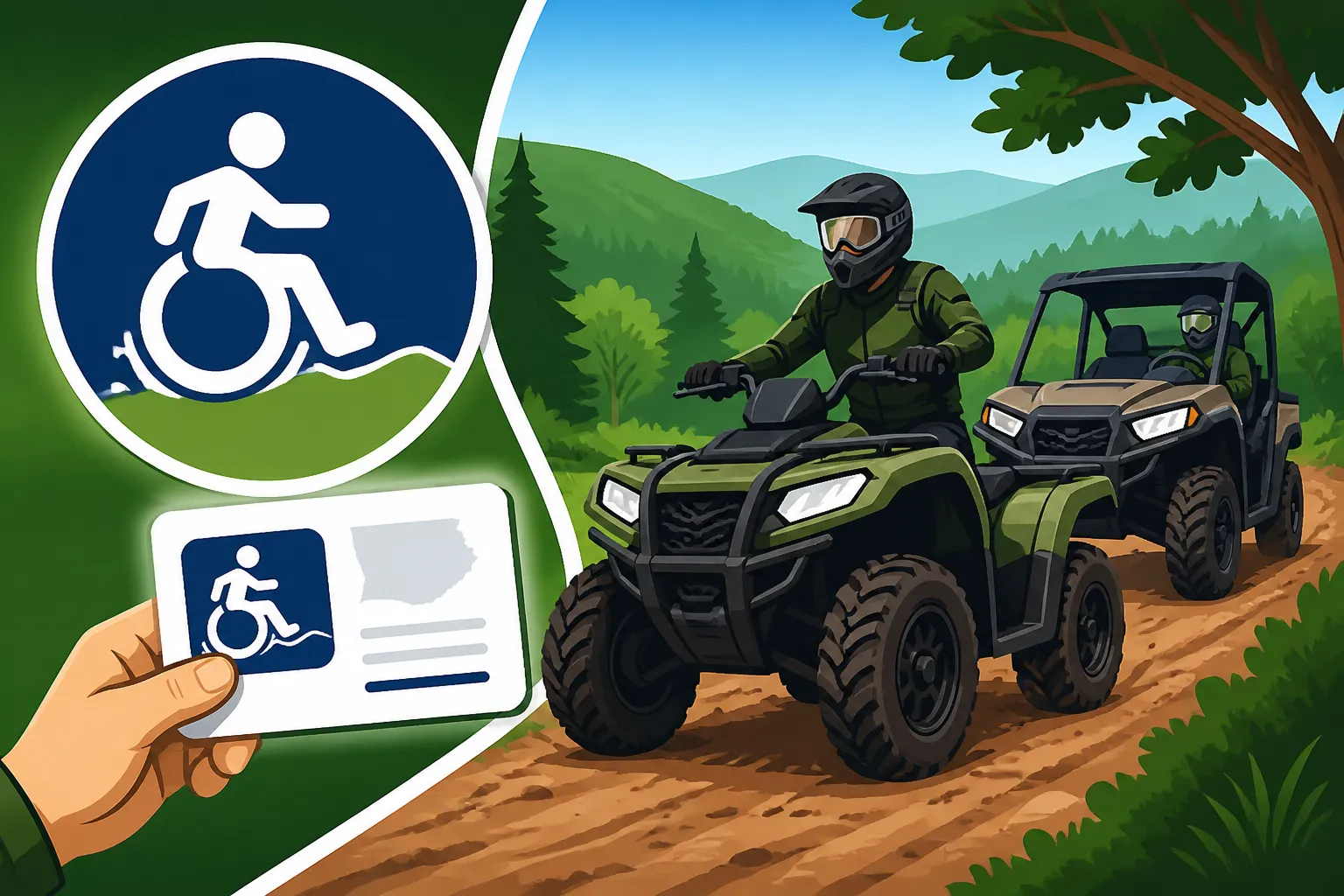
The Disabled Access Permit is designed specifically to bridge this gap. It's not a general recreational ATV trail pass, and it's certainly not a ticket for joyriding across every inch of State Game Lands. Instead, this permit grants eligible individuals the special privilege to use ATVs or UTVs on designated roads or trails within SGLs for the express purpose of hunting or trapping activities. This means accessing hunting blinds, setting traps, retrieving downed game, or transporting essential equipment. The intent is crucial: it's about enabling essential access, allowing individuals to maintain their independence and participation in hunting and trapping, rather than opening up new riding opportunities. We've previously covered [Why Game Lands Are Closed to Quads], and this permit serves as a very specific exception to that general rule, acknowledging a legitimate need.
What the Permit Allows and Doesn't Allow
Let's be crystal clear about what this permit does and does not authorize. If you're granted a Disabled Access Permit, you are allowed to operate your ATV or UTV on specific roads and trails designated by the Pennsylvania Game Commission within State Game Lands. This access is strictly tied to legitimate hunting or trapping activities. Think about it this way: if you need your machine to get to your deer stand because walking the distance is prohibitive, or to retrieve a large buck after a successful hunt, the permit provides that capability. You can use it to transport your gear, from treestands to scent control items, to a location that would otherwise be beyond your physical reach. Many hunters find that a sturdy machine, perhaps outfitted with durable aftermarket parts from a company like SuperATV, is essential for safely navigating the often-rough access roads and retrieving game effectively.
However, it's vital to understand the limitations. The permit absolutely does not allow you to:
- Ride on unmarked trails or off-road anywhere on State Game Lands.
- Use your ATV or UTV for purely recreational purposes, like trail riding or sightseeing.
- Access areas that are not explicitly designated as open for permit holders.
- Operate your machine outside of established hunting or trapping seasons (unless specifically authorized for activities like scouting or retrieving a wounded animal with specific PGC approval).
Using the permit for anything other than its intended purpose can lead to significant penalties, including fines and revocation of your permit, effectively putting an end to your access. It's a privilege, not a right, and using it responsibly is paramount.
Eligibility and Application: Getting Your Permit in Order
Securing a Disabled Access Permit requires meeting specific criteria and following a clear application process. It’s not something that’s handed out lightly, as the Game Commission needs to ensure the program serves its intended purpose without compromising the integrity of State Game Lands.
Who Qualifies for This Special Access?
To be eligible for a Disabled Access Permit in Pennsylvania, you must meet several key requirements:
- Residency: You must be a legal resident of Pennsylvania.
- Disability: You must have a physical disability that substantially impairs your ability to move about on foot for hunting or trapping activities. This isn't just a minor inconvenience; it's a significant limitation that prevents you from accessing areas or performing tasks necessary for these outdoor pursuits without the aid of a motorized vehicle.
- Medical Certification: A licensed physician must certify your disability. This medical documentation is critical, as it provides the official verification the Game Commission needs to assess your eligibility. The physician will typically need to detail the nature of your disability and how it impacts your mobility in a hunting/trapping context.
- Valid License: You must possess a valid Pennsylvania hunting or furtaker license for the current license year. This reinforces the permit's purpose: it’s for active hunters and trappers, not just anyone with a disability who might want to ride an ATV.
Understanding [Who Actually Qualifies for the Game Lands Permit] is the first hurdle, and it's essential to ensure your specific situation aligns with the Game Commission's definitions before you even begin the application process. Trying to apply without meeting these core requirements will only lead to a rejection.
The Application Process: Step-by-Step
Once you've confirmed your eligibility, the application process itself involves a few straightforward steps:
- Obtain the Application Form: The specific application form for the Disabled Access Permit can be obtained directly from the Pennsylvania Game Commission's website or by contacting one of their regional offices. Make sure you get the most current version of the form, as requirements can sometimes be updated.
- Complete the Applicant Section: Fill out your personal information accurately, including your name, address, contact details, and hunting/furtaker license number. Double-check everything for typos.
- Physician's Certification: This is perhaps the most critical part. Your licensed physician must complete their section of the form, providing the necessary details about your disability and certifying your need for motorized access. Be sure to schedule an appointment with your doctor specifically for this purpose, bringing the form with you. They'll need to sign and possibly stamp the document.
- Gather Supporting Documentation: Along with the completed form, you'll need to include copies of several documents:
- Your current Pennsylvania hunting or furtaker license.
- Proof of Pennsylvania residency (e.g., a copy of your driver's license or state ID).
- Submit Your Application: Mail the completed application form and all supporting documentation to the address specified on the application, usually a central office of the Pennsylvania Game Commission. There is generally no fee for the permit itself, distinguishing it from the fees associated with [Pennsylvania ATV Registration Cost]. However, ensure all your [Pennsylvania ATV Registration Paperwork Checklist] items are in order for your machine itself.
It's a good idea to make copies of everything you send for your own records. The Game Commission will review your application, and if approved, they will issue your permit. The processing time can vary, so it's always wise to apply well in advance of when you intend to use the permit, especially if you're planning for a specific hunting season.
Here's a quick checklist for your application:
| Document/Action | Requirement | Status |
|---|---|---|
| Completed Application Form | Filled out by applicant and physician (signed/stamped by doctor). | |
| Valid PA Hunting/Furtaker License | Copy of current year's license. | |
| Proof of PA Residency | Copy of PA Driver's License or State ID. | |
| Machine Registration | Your ATV/UTV must be legally registered with PA DCNR (though not submitted with permit application, it's required for use on SGLs). | |
| Proof of Insurance | Your ATV/UTV must be insured (again, not with application, but necessary for use). |
Navigating Game Lands with Your Disabled Access Permit
Once you have your Disabled Access Permit in hand, it's not a free-for-all. Responsible use is absolutely essential to maintain this privilege and ensure the program continues to benefit those who truly need it. There are specific rules of engagement that must be followed when operating your ATV or UTV on State Game Lands.
Adhering to Designated Routes and Seasonal Restrictions
This is perhaps the most critical aspect of using your permit: you can only ride on roads and trails that the Pennsylvania Game Commission has specifically designated for Disabled Access Permit holders. These are not general ATV trails; they are typically existing administrative roads or specific access routes. It's incredibly important that you do your homework before heading out.
Many Game Lands have maps available, either online or at kiosks, that will show these designated routes. Some may even be marked with specific signage indicating "Disabled Hunter Access Only." Never assume a road or trail is open to you just because it looks passable or because you've seen other vehicles on it. Logging roads, for instance, might be open to contractors but not to permit holders. The responsibility falls squarely on you to confirm your route. You might have a route approved for deer season, but it might not be open for spring gobbler, so always check the seasonal parameters. Going off-trail or using an undesignated route, even accidentally, is a violation that can result in significant penalties, including fines for [Pennsylvania Fines for a Trail Violation] and permit revocation. Ensuring your machine is robust enough for these routes is key; a durable UTV, perhaps enhanced with parts from SuperATV, can handle the varied terrain of Game Lands access roads more reliably.
Equipment and Conduct on Game Lands
Beyond sticking to the right roads, your conduct and your machine’s status are also under scrutiny. Just like any ATV or UTV operating in Pennsylvania, your machine must be legally registered with the Department of Conservation and Natural Resources (DCNR). This means you'll need a valid [Pennsylvania Two-Year ATV Registration] and the corresponding plate mounted correctly on your machine. Don't forget that [Pennsylvania's Mandatory Insurance Off Your Own Land] also applies here; you must have valid ATV insurance and be able to provide [Carrying Proof of Insurance in Pennsylvania] if requested by a Game Warden.
When operating on Game Lands, you are expected to:
- Ride Safely: Obey all posted speed limits and exercise extreme caution. Remember, you're sharing these lands with other hunters, hikers, and wildlife.
- Stay on Marked Paths: As mentioned, deviation from designated routes is a serious offense.
- Respect Wildlife: Do not harass or pursue wildlife with your machine. The permit is for access, not for interfering with animals.
- Carry Your Permit and ID: Always have your Disabled Access Permit, your hunting/furtaker license, and your photo ID with you. A Game Warden will ask for these.
- Machine Width: Most state forest trails have a [Pennsylvania's Class II Trail Width Limit] of 64 inches. While Game Lands access roads might sometimes be wider, it's wise to consider your machine's dimensions if you anticipate using these access points frequently, especially if you also ride designated state forest trails. A UTV, for example, might need to be carefully selected to fit these parameters.
Responsible conduct ensures the continued viability of this permit program. Think about it from the Game Commission's perspective: if too many permit holders abuse the privilege, it jeopardizes the entire program for everyone.
Common Pitfalls and How to Avoid Them
It’s easy to make an honest mistake, but when it comes to Game Lands access, those mistakes can be costly. Here are some common pitfalls and how to steer clear of them:
- Misunderstanding "Designated Road": Many hunters see a dirt road and assume it’s fair game. This is the biggest trap. Always confirm on an official PGC map or by contacting a regional office whether a specific road is designated for Disabled Access Permit use. Don't rely on word of mouth or old information.
- Using for Recreation: The temptation to just "go for a spin" after a hunt might be strong, but resist it. The permit is strictly for hunting/trapping purposes. Any recreational use, even if brief, is a violation.
- Expired Documentation: An expired hunting license, ATV registration, or even an outdated medical certification can render your permit invalid. Keep all your paperwork current.
- Not Carrying Documents: Forgetting your permit, license, or ID at home is a common oversight. Keep them in a waterproof pouch on your person or securely on your machine. Game Wardens conduct checks, particularly during hunting seasons, and you need to be able to produce your documents on demand.
- Ignoring Signs: Pay attention to all PGC signage. Changes to access or specific rules for a Game Land might be posted.
- Consequences: Being cited for no registration or riding illegally can bring an automatic $300 fine, and potentially more, plus the cost of prosecution. Furthermore, your Disabled Access Permit can be revoked, permanently ending your access to Game Lands.
By being diligent and informed, you can avoid these pitfalls and ensure your continued, legal access to Pennsylvania's Game Lands.
Practical Considerations for Disabled Riders
Having the permit is one thing, but making the most of your time on Game Lands, especially with mobility challenges, requires some forethought and preparation. From adapting your machine to planning your trip, there are many ways to enhance your safety and enjoyment.
Adapting Your Machine for Enhanced Accessibility
Depending on the nature of your disability, standard ATV or UTV controls and ergonomics might not be ideal. Many riders find that adapting their machine can significantly improve comfort, control, and overall accessibility. This can involve a range of modifications:
- Hand Controls: For riders with limited leg mobility, converting foot controls (like throttle or brake) to hand controls can be a game-changer.
- Specialized Seating: Aftermarket seats designed for increased support, cushioning, or even specific backrests can make long hours on the machine much more tolerable.
- Power Steering: For UTVs especially, adding power steering can reduce the physical effort required to steer, which is beneficial for those with upper body strength limitations.
- Winches and Recovery Gear: While not disability-specific, a reliable winch is a critical piece of equipment for any off-road machine, especially when accessing remote areas. Getting stuck on a Game Land can quickly become a serious situation, and a good winch (like those found at SuperATV) can be invaluable for self-recovery.
- Enhanced Lighting: For those rare instances where retrieving game might push you close to nightfall, upgrading your lighting can improve visibility and safety. [Pennsylvania Lighting Rules for Night Riding] apply, but brighter aftermarket lights can make a huge difference on unlit Game Lands roads.
Many aftermarket parts manufacturers cater to these needs, providing a wide array of options to customize your machine. Think about what specific challenges your disability presents and research modifications that directly address them. Remember that if you have a UTV, [Pennsylvania Rules for a UTV on a Road] may differ from ATV rules, so always be clear on what kind of machine you are operating.
Planning Your Trip and Staying Safe
Accessing remote areas on Game Lands, especially when you have mobility limitations, demands careful planning. Safety should always be your top priority.
- Scouting and Mapping: Before you even leave home, use online mapping tools or contact the Game Commission to thoroughly understand the specific Game Land you plan to visit. Identify your designated access routes, potential parking areas, and where you intend to hunt or trap. Don't rely solely on your GPS; physical maps can be incredibly useful, especially in areas with no cell signal.
- Inform Someone of Your Plans: Always let a trusted friend or family member know exactly where you are going, your planned route, and your expected return time. Give them a copy of your map and itinerary. This simple step can be a lifesaver if you encounter an unexpected problem.
- Carry Essential Gear: Beyond your hunting/trapping equipment, always pack a first-aid kit, extra water and snacks, a fully charged cell phone (even if signal is spotty), a map and compass (and know how to use them), a flashlight or headlamp, and appropriate foul-weather gear. A robust recovery kit, perhaps with gear from SuperATV, including a tow strap and shovel, is also highly recommended.
- Weather Considerations: Pennsylvania weather can change rapidly, particularly in forested areas. Check the forecast before you go and be prepared for sudden shifts in temperature, rain, or even snow, especially during [Pennsylvania Riding in Hunting Season]. Muddy conditions can make even designated access roads challenging.
- Know Your Limits: Be realistic about your physical capabilities and the capabilities of your machine. Don't push yourself or your ATV/UTV beyond what is safe. If a situation feels too risky, turn back and find an alternative. There's no shame in exercising caution, especially when your well-being is at stake.
The Disabled Access Permit is a fantastic opportunity for hunters and trappers with disabilities in Pennsylvania. By understanding its rules, diligently following the application process, and practicing responsible riding, you can continue to enjoy the invaluable experience of hunting and trapping on State Game Lands for years to come.
Disclaimer
This article is for general informational purposes only and does not constitute professional advice. Laws, prices and regulations vary by location and change over time. Consult a qualified professional for guidance on your specific situation.