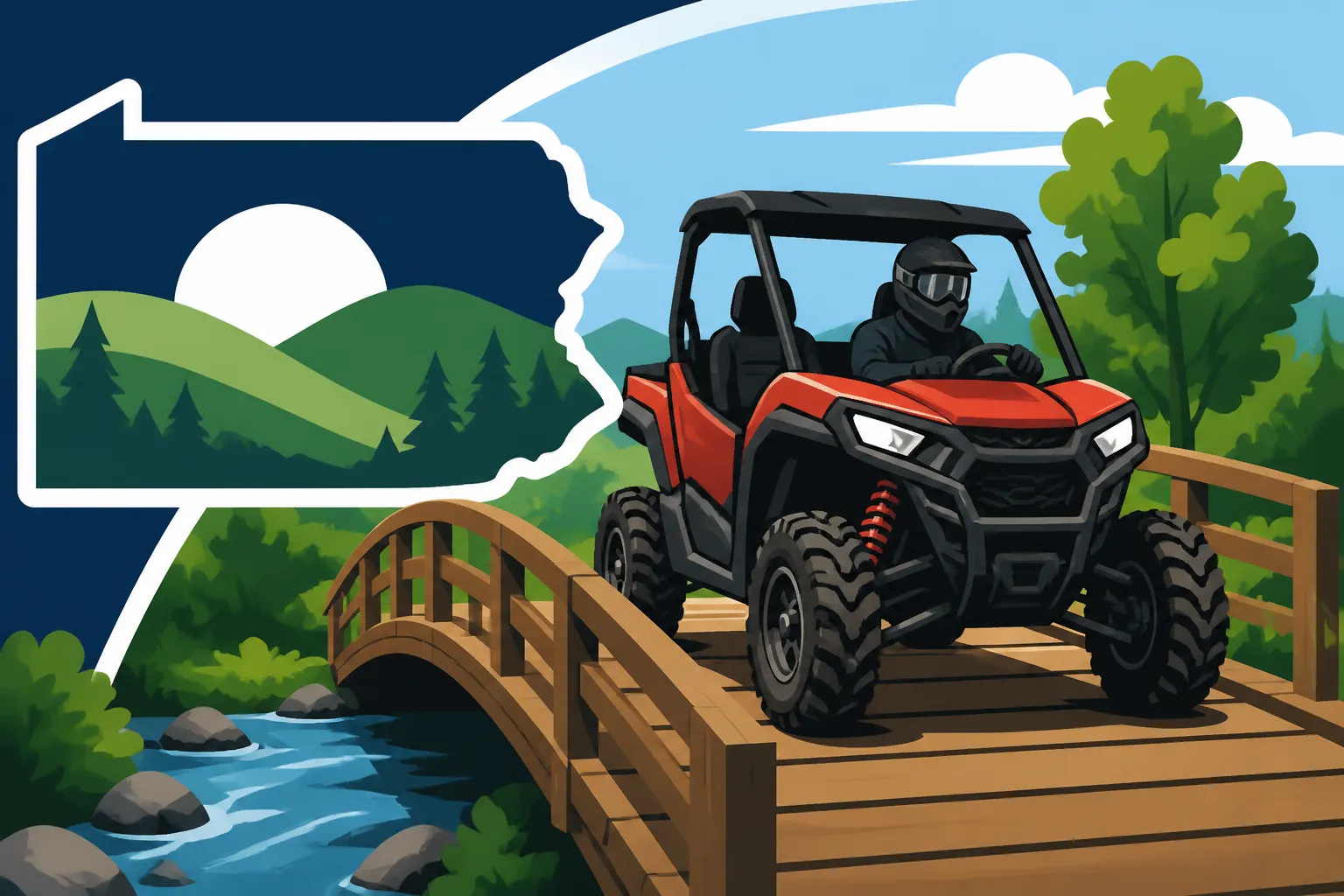
Crossing a Bridge on a Designated Route
Ah, the sound of an ATV engine on a beautiful Pennsylvania trail – there's nothing quite like it! But then you see it: a bridge looming ahead. Suddenly, that feeling of freedom can turn into a nagging worry. Are you allowed to cross it? Are there special rules? It's a common point of confusion for many riders, and frankly, the rules aren't always crystal clear out on the trail. This guide is all about demystifying those bridge crossings on Pennsylvania's designated ATV routes, so you can ride with confidence and keep that throttle hand happy.
Understanding Pennsylvania's Designated ATV Routes and Bridges
When you're out exploring the vast network of trails across our beautiful state, you're bound to encounter bridges. These aren't just random crossings; they're often integral parts of designated routes, linking sections of trail over streams, ravines, or even roads. Knowing what "designated route" truly means for these structures is your first step to a worry-free ride. It's not just about a painted sign; it's about the legal framework that permits ATV use and defines the expectations for riders.
What "Designated Route" Really Means for Bridges
In Pennsylvania, a "designated route" isn't a free-for-all. It's a specific path, often managed by the Department of Conservation and Natural Resources (DCNR) in state forests, or by local municipalities for township roads, where ATV use is explicitly permitted. When a bridge is part of such a route, it means that the structure has been evaluated and deemed safe for ATV traffic, and its crossing is authorized. This designation removes the guesswork, which is a huge relief for riders who just want to enjoy their time without constantly second-guessing if they're breaking a rule. The DCNR, or the local entity, has taken steps to ensure that the bridge can handle the weight and type of traffic expected, which includes your ATV or UTV.
However, "designated" doesn't mean "anything goes." It implies a set of expectations for rider behavior. For example, even on a designated route, speeding across a bridge or attempting stunts is absolutely not acceptable and can lead to fines. These bridges are often shared infrastructure, sometimes even with hikers, mountain bikers, or even logging trucks depending on the road classification. So, while you're legally permitted to cross, you're also expected to do so responsibly and safely, respecting the integrity of the bridge and any other users. The legal right to cross comes with the responsibility to cross properly.
It's also worth noting that the designation often dictates the type of ATV or UTV that can use the route. Many state forest trails, for instance, have width restrictions. This means if your rig is too wide, even if the bridge itself looks ample, you might be on a route you're not permitted to be on. Always check the specific trail rules regarding vehicle dimensions, especially if you've kitted out your machine with aftermarket accessories from a brand like SuperATV that might slightly alter its factory width. Knowing these details prevents potential headaches down the line, ensuring that your machine fits within the established guidelines for that particular designated route.
The Specifics of Bridge Crossings on State Forest Land
Pennsylvania's state forests offer some incredible riding opportunities, and DCNR works hard to maintain these trails, including their bridge infrastructure. When you're riding on state forest designated ATV trails, like those in Sproul State Forest or Michaux State Forest, any bridge you encounter that's part of the marked trail system is generally safe and legal to cross, assuming you follow standard riding practices. These bridges are inspected and maintained by the DCNR, meaning they are built or reinforced to handle the wear and tear of off-highway vehicles. You'll typically find clear signage indicating the start and end of the ATV trail system, and the bridges within these boundaries are considered fair game for registered machines. For more details on these trails, you can check out [Pennsylvania Rules for Riding a State Forest Road].
However, "safe and legal" still means exercising caution. Many state forest bridges are older, rustic structures that might have wooden planks or steel grates. These surfaces can become slippery when wet, covered in mud, or if there's ice in colder months. Always approach these bridges at a reduced speed, maintain control, and be prepared for changes in traction. It's not just about the structural integrity of the bridge, but also about the riding surface it presents. A quick assessment of the conditions before you commit to crossing can save you from a nasty spill. Remember, even though the bridge is designated, personal responsibility for safe riding conditions rests with you.
Furthermore, some state forest bridges may be shared with other users, particularly if the ATV trail temporarily merges with a multi-use trail or a low-traffic forest road. It's not uncommon to share a bridge with hikers, mountain bikers, or even horse riders in certain areas. In these situations, your vigilance is even more critical. Slow right down, be prepared to yield, and pass with extreme caution and courtesy. A friendly wave goes a long way in fostering good relations between different user groups. Always assume there could be someone else just around that bend, especially on shared infrastructure like bridges.
Navigating Township and Borough Bridges
While state forest trails are a big draw, many riders also find themselves on designated township or borough roads that permit ATV use, often acting as connectors between trail systems or to access services. These are considered "joint-use roads," and any bridges on them fall under a different set of rules than those deep in the state forest. [Pennsylvania Joint-Use Road Rules] dictate how you can use these roads, and by extension, their bridges. The key difference here is that these bridges are primarily designed for traditional motor vehicle traffic, and ATVs are simply allowed to share them under specific conditions.
The bridges on these township or borough routes are typically built to highway standards, meaning they are robust and paved, or at least gravel. While structurally sound, the primary concern here shifts from the surface material to interactions with other vehicles. You're no longer just looking out for other ATVs or hikers; you're sharing the space with cars, trucks, and possibly even farm equipment. This demands a higher level of awareness and adherence to the Pennsylvania Vehicle Code, even though you're on an ATV. Treat these bridge crossings like you would any other road segment where you're mixing with highway traffic: observe speed limits, stay to the right, and use appropriate signaling.
Local ordinances play a significant role here. Some townships might have specific speed limits for ATVs on their designated roads, which would apply to any bridges on those roads. While less common, there could even be specific restrictions on bridges, though typically, if the road is open to ATVs, its bridges are too. The critical takeaway is that you're operating in a more "road-like" environment. This means being visible – consider if your machine has adequate lighting, perhaps some bright aftermarket lights from SuperATV, especially if crossing at dawn, dusk, or in adverse weather. The expectation is that you integrate safely into the existing traffic flow, which requires a proactive and defensive riding posture.
Safety and Legal Considerations for Bridge Crossings
Riding an ATV over a bridge, whether it's a rustic wooden structure in the woods or a paved span over a creek on a township road, demands respect and adherence to safety protocols. It's not just about getting from one side to the other; it's about doing so responsibly, legally, and without putting yourself or others at risk. The rules aren't there to hinder your fun, but to ensure everyone can enjoy Pennsylvania's trails safely.
Rules of the Road (Even Off-Road)
Even when you're technically "off-road" on a designated ATV trail, certain "rules of the road" still apply, especially when crossing bridges. First and foremost, speed is a critical factor. Bridges often present unique challenges: reduced width, changes in surface material, potential for slippery conditions, and sometimes limited visibility. Approaching a bridge at a slower, controlled speed gives you time to assess these conditions, react to unexpected obstacles, or yield to oncoming traffic or other trail users. A sudden stop or swerve on a narrow bridge can be far more dangerous than on a wider trail section.
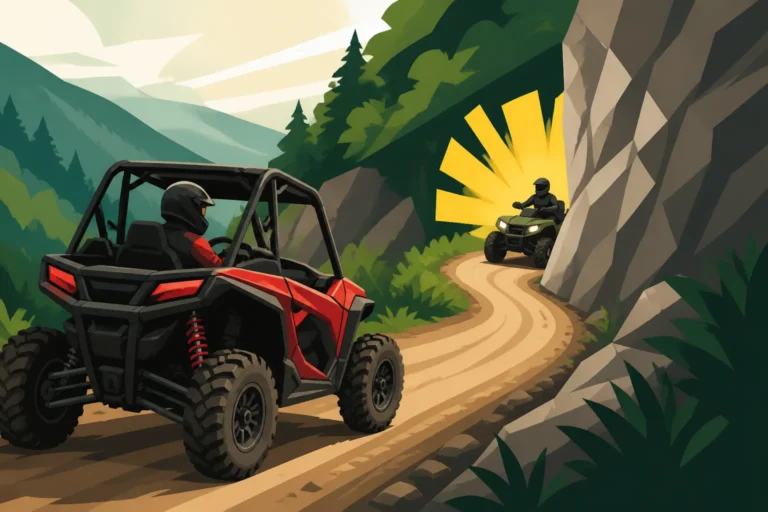
Yielding the right-of-way is another essential rule. While ATVs typically yield to larger vehicles on joint-use roads, on multi-use trails, it's often a matter of courtesy and common sense. If you encounter another user – be it a hiker, cyclist, or another ATV – approaching a narrow bridge, slow down and be prepared to stop and let them pass if space is limited. Communication, even a simple wave or nod, helps avoid confusion. Remember, you're a guest on these trails, and respectful interaction makes for a better experience for everyone. This cooperative spirit is vital for maintaining access to shared resources.
Signage around bridges is also there for a reason. You might see signs indicating weight limits, speed reductions, or "yield" warnings. These are not suggestions; they are directives put in place for your safety and the preservation of the infrastructure. Disregarding a posted weight limit could compromise the bridge's structural integrity, putting not only yourself but future users at risk. Similarly, a "slow" sign before a blind bridge approach is a critical warning. Always scan for and obey all posted signs and markers, just as you would on any public roadway.
Equipment and Preparedness for Bridge Crossings
Having the right equipment and being prepared significantly enhances safety when crossing bridges. First, ensure your ATV or UTV is in good working order. Functional brakes, proper tire pressure for the terrain (which might include paved sections on a bridge), and well-maintained suspension are crucial for maintaining control, especially on potentially uneven or slick bridge surfaces. A sudden unexpected jolt or loss of braking power on a bridge can be catastrophic due to the confined space and often exposed edges. Regularly inspecting your machine, perhaps after a particularly strenuous ride through mud, ensures you're ready for whatever the trail throws at you, including bridges.
Visibility is another key aspect, particularly if you're crossing a bridge on a joint-use road or at dusk. Ensure your headlights and taillights are fully operational. Consider auxiliary lighting, like LED light bars or spot lamps. Brands like SuperATV offer a wide range of lighting solutions that can dramatically improve your visibility to others and your ability to see potential hazards on the bridge surface. This is especially true if the bridge is unlit and you're riding in low-light conditions. Being seen is just as important as seeing, especially when sharing space with other vehicles.
Finally, always wear appropriate safety gear. A helmet is absolutely mandatory in Pennsylvania when riding an ATV off your own property, and this certainly applies to bridge crossings. [Pennsylvania Helmet Law for ATV Riders] outlines these requirements. Beyond a helmet, sturdy boots, gloves, and protective clothing can mitigate injuries in the event of a fall or collision. Even a low-speed incident on a bridge can result in serious injury due to the hard, often unforgiving surfaces and potential drops off the sides. Think of your gear as your last line of defense, and never skimp on it, especially when navigating potentially tricky sections like bridges.
Common Pitfalls and How to Avoid Them
Even with the best intentions, riders can fall into common traps when crossing bridges. One major pitfall is underestimating the change in surface traction. A dusty gravel trail suddenly transitioning to a wet, wooden bridge deck or a steel grate can lead to a quick loss of grip. Your tires, even aggressive off-road tires, behave differently on these surfaces. To avoid this, anticipate the change. As you approach, stand up slightly on your footpegs to absorb bumps, loosen your grip on the handlebars, and reduce your speed significantly. Feather your throttle and use gentle braking to maintain stability. Don't make sudden movements.
Another common mistake is tunnel vision – focusing solely on the path directly in front of your machine and forgetting to scan ahead and peripherally. On a bridge, especially a longer one, you need to be aware of oncoming traffic (both motorized and non-motorized), potential debris, and the bridge structure itself. Are there expansion joints? Potholes? Is the railing compromised? Keep your head up, your eyes moving, and your awareness sharp. This broader view allows you to anticipate hazards and react smoothly, rather than being surprised.
Lastly, never assume you have exclusive access to a bridge, even on a dedicated ATV trail. As mentioned, many trails are multi-use, and even the most remote bridge can have a hiker emerge unexpectedly. On joint-use roads, you're sharing with cars, and they might not be expecting an ATV. The key is defensive riding. Always be prepared for the unexpected: an animal darting out, a child on a bicycle, or a car rounding a blind corner. By assuming someone or something could be there, you build a buffer of readiness that drastically reduces the chances of a dangerous encounter. Riding safely over a bridge means being prepared for everything that isn't just your ATV.
Planning Your Ride: Identifying Bridge Crossings
Knowing how to safely cross a bridge is one thing, but knowing where those bridges are beforehand can completely change your riding experience. Anticipation is key to a smooth and enjoyable ride, especially in unfamiliar territory. By doing a little homework before you head out, you can transform potential anxiety into confident navigation, making your time on Pennsylvania's incredible trails even better.
Using Maps and Resources to Locate Bridges
One of the best tools for planning your ride and identifying bridge crossings is a detailed trail map. The DCNR provides excellent maps of state forest ATV trail systems, often available online or at forest district offices. These maps typically mark bridges, stream crossings, and other significant topographical features. Many modern riders also use GPS devices or smartphone apps that display satellite imagery or specialized trail maps. These digital tools can offer invaluable real-time information, allowing you to zoom in and visually identify bridges, sometimes even revealing the type of bridge structure you'll encounter.
Beyond official maps, online forums and local riding clubs are fantastic resources. Experienced local riders often have intimate knowledge of trail conditions, including which bridges might be particularly challenging or which ones offer stunning views. A quick search or a post in a relevant group can yield insider tips about bridge locations, their condition, and any specific considerations for crossing them. For instance, you might learn that a certain wooden bridge becomes exceptionally slick after rain, or that a specific steel grate bridge rattles significantly, prompting you to approach it with extra caution. This community knowledge supplements official information and can provide crucial real-world context.
Another valuable resource is the DCNR's [Pennsylvania's DCNR Snowmobile and ATV Section] website. While it doesn't always detail every single bridge, it provides general information about trail conditions, closures, and the regulations governing state forest use. By combining official DCNR resources with community insights and a good mapping tool, you create a comprehensive picture of your planned route, including all major bridge crossings. This proactive planning not only enhances safety but also allows you to appreciate the scenery rather than worrying about what's around the next bend.
What to Expect: Types of Bridges You Might Encounter
The bridges you encounter on Pennsylvania's designated ATV routes can vary significantly, each presenting its own characteristics and requiring slight adjustments to your riding technique. Knowing what to expect allows you to adapt quickly and maintain control.
Wooden Plank Bridges: These are common on rustic state forest trails. They often consist of treated wooden planks laid across beams.
- Pros: Blend well with the natural environment, generally provide good traction when dry.
- Cons: Can become incredibly slippery when wet, muddy, or icy. The gaps between planks can also sometimes catch smaller tires or create a jarring ride. Older planks might be loose or splintered.
- Riding Tip: Always slow down. Approach squarely, not at an angle. If wet, treat them like ice. Stand up slightly to absorb shocks from uneven planks.
Steel Grate Bridges: Less common on deep forest trails but seen more often on multi-use paths or older industrial routes that have been converted.
- Pros: Excellent drainage, very strong.
- Cons: Extremely slippery when wet or icy. The grates can sometimes feel unsettling under tires, causing a "wandering" sensation.
- Riding Tip: Reduce speed to a crawl. Maintain a straight line and avoid sudden steering inputs. Some riders find that slightly deflating tires (if safe to do so for a very short distance) can offer a bit more contact patch.
Paved or Gravel Bridges: Most common on township, borough, or designated state forest roads that are primarily gravel or paved for other vehicles.
- Pros: Stable, predictable surface (when dry), usually wider.
- Cons: Paved surfaces can be slick when wet or if covered in mud/leaves. Gravel approaches can be loose, leading to a sudden change in traction. You're also sharing these with other vehicles.
- Riding Tip: Treat these like any road crossing. Be aware of other traffic. Reduce speed for wet or gravel surfaces. If there's a loose gravel approach to a paved bridge, slow down well before the bridge itself.
By understanding the nature of the bridges on your route, you can better prepare yourself and your machine for a seamless crossing. Equipping your ATV or UTV with suitable tires from brands like SuperATV that are known for their versatile grip, and regularly checking their condition, can also make a world of difference when transitioning between different surfaces. After all, a prepared rider is a safe and happy rider, ready to tackle any bridge that comes their way on Pennsylvania's trails.
Disclaimer
This article is for general informational purposes only and does not constitute professional advice. Laws, prices and regulations vary by location and change over time. Consult a qualified professional for guidance on your specific situation.