Pennsylvania Roads That Reopen for Winter Riding
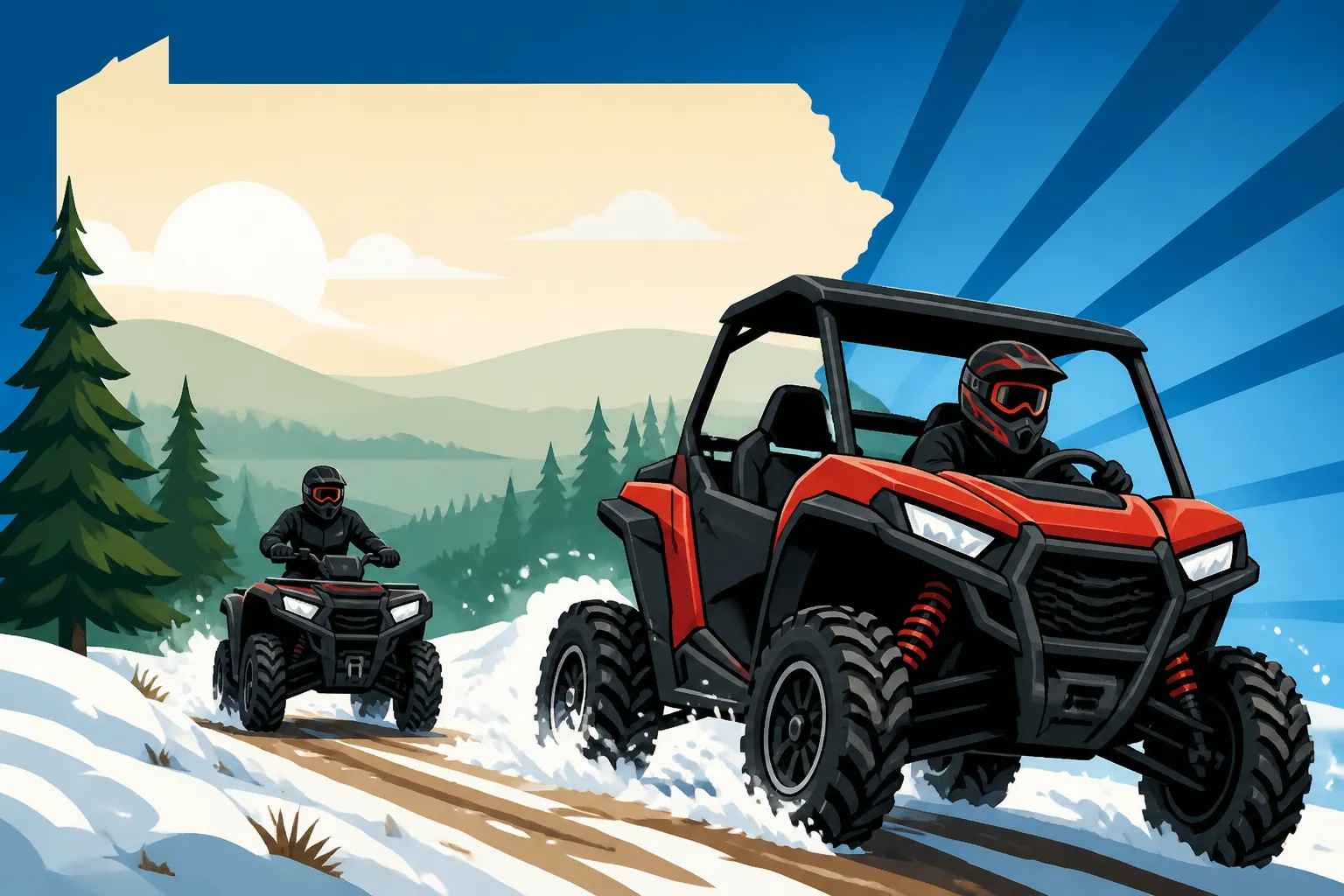
When the crisp air settles over Pennsylvania and the snow starts to fly, many ATV and UTV riders find themselves wondering where they can legally enjoy their machines. The vibrant greens of summer trails fade, and often, the familiar paths we love close for the season. It can be a real bummer, leaving you feeling like your winter riding options are non-existent. But don't hang up your helmet just yet! The good news is that certain roads in Pennsylvania, particularly within our beautiful State Forests and even some local township routes, actually reopen for ATV and UTV use during the colder months, offering a unique and often breathtaking riding experience. This guide will walk you through which roads to look for, when they open, what to expect, and how to prepare your machine and yourself for winter adventures on the reopened routes.
The Annual Shift: Why Pennsylvania Roads Reopen for Winter ATV Riding
It might seem counterintuitive for roads to reopen when many dedicated trails are closing, but Pennsylvania's Department of Conservation and Natural Resources (DCNR) and various local municipalities have a system in place that allows for multi-use access during the winter. This isn't just a random act; it's a planned seasonal shift designed to provide recreation opportunities while managing environmental concerns and ensuring safety.
Understanding the Seasonal Nature of Pennsylvania's ATV Trails and Roads
Pennsylvania's dedicated ATV trails, especially those managed by the DCNR in State Forests, have specific operating seasons. Generally, many of these trails close around the end of September and reopen the Friday before Memorial Day. This closure period is crucial for several reasons: protecting the trails from damage during the wet, thaws of spring, allowing for maintenance, and reducing user conflict during hunting seasons. However, the closure of dedicated ATV trails doesn't mean all riding stops. Instead, the focus shifts to a network of designated roads and shared-use routes that often see their own specific winter opening windows. It’s about adapting to the season and understanding the different classifications of riding areas.
The Dual Purpose: Shared Routes with Snowmobiles and Other Winter Users
One of the primary drivers for roads reopening in winter is the robust snowmobile community in Pennsylvania. Many State Forest roads and some township roads become part of a larger snowmobile trail network once sufficient snow accumulation occurs. Recognizing that ATVs and UTVs can also operate effectively and safely in snowy conditions, the DCNR often designates these same routes for shared use. This means you might find yourself sharing a snowy forest road with snowmobiles, cross-country skiers, or even hikers. This multi-use approach requires extra vigilance and courtesy from all parties. It's not uncommon to see signs indicating "Shared Use Trail" or "Snowmobile/ATV Route" once the winter season is in full swing. Understanding [Where a Snowmobile Trail and ATV Trail Differ] is key to navigating these shared spaces respectfully and safely.
What "Reopening" Really Means for ATV Enthusiasts
When we talk about a road "reopening" for winter ATV use, it typically refers to a change in its access status. A road that might be closed to ATVs for general recreational use during other times of the year, or perhaps only open to highway-legal vehicles, becomes accessible to registered ATVs and UTVs once specific conditions are met, primarily sufficient snow cover. This isn't about creating new trails; it's about altering the use designation of existing roads. These aren't wild, untamed routes; they are usually well-established gravel or dirt roads that are part of the State Forest or municipal road network. They are plowed minimally, if at all, during winter, allowing snow to accumulate and create rideable surfaces. The intent is to provide recreational access on a controlled, managed network, rather than opening up unrestricted areas.
Navigating Pennsylvania's Winter Road Network: Types and Access
Knowing which roads reopen and the specific rules for each type is crucial for a fun and legal winter ride. Not all roads are created equal when it comes to winter ATV access, and what might be allowed in one area could lead to a fine in another.
State Forest Roads: Designated Winter Access
Pennsylvania's State Forests are the prime locations for winter ATV and UTV road riding. The DCNR manages hundreds of miles of forest roads, and a significant portion of these are designated for joint ATV/snowmobile use during the winter season. These routes are usually clearly marked and detailed on DCNR maps. The key condition for these roads to be "open" is generally adequate snow cover, which is often defined as a minimum of four inches of snow on the ground, or simply when the DCNR officially declares them open.
These roads are maintained primarily for forest management, so while they are generally well-graded, you can expect uneven surfaces, potential washouts, and varying snow depths. They connect different areas of the forest, sometimes leading to vistas or other points of interest. Specific forests, like Sproul State Forest or Tioga State Forest, often have extensive networks of roads that open up. Always check the DCNR website or contact the specific State Forest District office before heading out, as conditions can change rapidly. Riders must have a [Pennsylvania ATV Trail Permit Cost] if they are riding within the designated permit areas, such as the Northcentral regional permit system which covers parts of Clinton, Lycoming, Potter, and Tioga counties. Remember to consult official maps and check for updates, as sections can close temporarily due to logging operations or severe weather.
Joint-Use Township and Borough Roads: Local Decisions and Conditions
Beyond the State Forests, some townships and boroughs across Pennsylvania have enacted ordinances that allow ATVs and UTVs on specific roads within their jurisdiction, even in winter. These are often referred to as "joint-use roads" or "designated ATV roads." Unlike State Forest roads, which follow a more centralized DCNR policy, the rules for township and borough roads are set at the local level. This means there's no single statewide list; you have to do your homework for each municipality.
These roads are typically connecting routes, allowing riders to travel between trail systems, access local businesses, or reach staging areas. They might be paved or gravel, and local conditions, like snow removal schedules, can greatly impact their rideability. A great example of a municipality that has embraced this is Windber Borough, which has a mixed-use program allowing ATVs and UTVs on specific streets, some of which are ideal for winter riding. However, they also publish a list of [Windber Borough's Published Closed Roads], so it's critical to know the specifics. Always look for signage indicating "ATV Route" or "Joint-Use Road" and verify local ordinances before riding. When riding [Pennsylvania Rules for Riding a Township Road] or [Pennsylvania Rules for Riding a Borough Street], you are subject to the same traffic laws as other vehicles, even in winter. This includes obeying speed limits, stop signs, and signals.
Distinguishing Between ATV and Snowmobile Trails in Winter
It's a common misconception that if a path is open for snowmobiles in winter, it's automatically open for ATVs. This is not always the case, and failing to understand the distinction can lead to fines and environmental damage. While many State Forest roads are designated for both ATVs and snowmobiles in winter, some trails are strictly for snowmobiles. Snowmobile trails are often groomed, narrower, and designed for the specific weight and track system of a snowmobile. Riding a heavy ATV or UTV on a groomed snowmobile-only trail can damage the trail base, creating ruts and making it unsafe for snowmobilers.
Always refer to official DCNR maps, which clearly differentiate between "ATV/Snowmobile Joint Use" routes and "Snowmobile Only" trails. Look for signs at trailheads and along the route itself. If a trail is marked as "Snowmobile Only," respect that designation. The DCNR invests a lot of effort into maintaining these networks, and riding outside of designated areas undermines those efforts. It's also important to remember that [Riding a Snowmobile Trail on a Quad] is generally prohibited unless explicitly marked as a joint-use trail.
Gear Up and Stay Safe: Preparing Your ATV for Pennsylvania's Winter Roads
Winter riding isn't just about finding an open road; it's also about preparing your machine and yourself for the unique challenges that cold weather and snow present. Without proper preparation, a fun outing can quickly turn into a cold, miserable, or even dangerous situation.
Traction and Control: The Importance of Tires and Accessories
Riding on snow-covered roads requires significantly different traction than dry dirt trails. Your standard all-terrain tires might struggle in deeper snow or on icy patches. Many experienced winter riders opt for specialized tires, often with a more aggressive, open tread pattern designed to shed snow and grip icy surfaces. Some even consider [Studded Tires on a Snow-Covered Road] for maximum grip, though you'll need to be mindful of how these perform if you encounter bare pavement sections.
Beyond tires, accessories can make a huge difference. A winch is practically a necessity when riding in winter, as deep snow or hidden obstacles can quickly get you stuck. Consider a high-quality winch from a brand like SuperATV, known for its durable and reliable recovery gear. Snow plows, also available from SuperATV, can be incredibly useful if you're riding roads that aren't regularly maintained, allowing you to clear paths or improve access. Hand warmers and heated grips are also highly recommended to maintain control and comfort in freezing temperatures. Without adequate traction and the ability to self-recover, you might find yourself stranded in a very cold place.
Visibility and Warmth: Essential Rider Gear for Cold-Weather Riding
Staying warm and visible are paramount for winter road riding. Hypothermia is a serious risk, and reduced visibility due to snow, fog, or shorter daylight hours increases the chance of accidents. Layering your clothing is key: start with a moisture-wicking base layer, add an insulating mid-layer (fleece or down), and top it off with a waterproof and windproof outer shell. Your helmet should be designed for cold weather, often with a breath box to prevent fogging and additional insulation. Insulated, waterproof gloves or mitts are crucial for hand warmth and dexterity.
Visibility is equally important, especially if you're sharing roads with other vehicles or snowmobiles. Brightly colored outer gear, reflective accents, and a high-visibility vest can help you stand out. Ensure your machine's headlights, taillights, and brake lights are clean and fully functional. Consider adding auxiliary LED lighting for better illumination, especially if you plan on [Night Riding on a Joint-Use Road]. A powerful light bar from SuperATV can significantly improve your forward visibility on dark, snowy roads, making it easier to spot hazards and be seen by others. Always carry a small emergency kit with extra layers, a headlamp, fire starter, and communication device.
Machine Maintenance for Harsh Winter Conditions
Winter riding puts extra strain on your ATV or UTV. The cold affects engine performance, batteries, and fluids, while snow and road salt can accelerate corrosion. Before your first winter ride, perform a thorough pre-season inspection. Check your battery's charge and ensure terminals are clean. Consider switching to a thinner oil weight if your manufacturer recommends it for cold weather. Inspect all fluids—coolant, brake fluid, and differential fluid—and top them off as needed. Ensure your cooling system is in top shape, as mud and snow can pack into radiators, causing overheating even in cold weather.
Pay close attention to your machine's electrical system; cold temperatures can make wiring brittle, and moisture can lead to shorts. Dielectric grease on connections can help. After each ride, clean your machine thoroughly, paying special attention to areas where snow and salt can accumulate, like the suspension components and frame. Lubricate all moving parts to prevent seizing. Neglecting winter maintenance can lead to breakdowns far from home, which is exponentially more dangerous in freezing conditions.
Staying Legal and Responsible: Winter Riding Regulations and Etiquette
Riding on reopened winter roads isn't a free-for-all. It comes with a specific set of responsibilities and legal requirements that are crucial for your safety, the preservation of the routes, and harmony with other users.
Registration, Insurance, and Safety Certificates in Winter
Just like summer riding, your ATV or UTV must be properly registered with the DCNR to ride on any public land or designated public roads in Pennsylvania. This includes State Forest roads and any township roads that permit ATV use. An unregistered machine on these routes can result in significant [Pennsylvania ATV Registration Fines], often starting at an automatic $300, plus court costs. Ensure your [Pennsylvania ATV Plates and Where They Mount] are clearly visible, even with snow and mud spray.
Proof of valid liability insurance is also mandatory for riding off your own private land in Pennsylvania. This applies equally to winter road riding. Carry your insurance card with you, as DCNR rangers or local law enforcement can request it. If you have a youth rider (ages 8-15) on a designated route, they must possess a valid [Pennsylvania ATV Safety Certificates]. Even if you're an adult, taking a safety course is highly recommended, as winter conditions introduce new challenges. Always carry your DCNR wallet card, which shows your registration, and any safety certificates, keeping them protected from moisture.
Understanding Speed Limits, Signage, and Environmental Impact
Even on snow-covered roads, designated routes are still subject to posted speed limits. While it might be tempting to open up the throttle in wide-open snowy conditions, remember that visibility can be poor, and unexpected hazards like ice patches, fallen trees, or wildlife can appear suddenly. Reduce your speed, especially around blind corners and crests. Respect all signage; signs indicating trail closures, private property, or specific rules are there for a reason. Ignoring them can lead to fines or even the permanent closure of routes for everyone.
Be mindful of your environmental impact. While snow provides a cushion, riding off designated roads or through sensitive areas can damage vegetation, disrupt wildlife, and contribute to erosion once the snow melts. Stick to the marked routes. Avoid unnecessarily spinning your tires or disturbing snow banks at the side of the road, especially if you're near private residences. The privilege of winter riding on these roads depends on responsible behavior from all riders.
Respecting Other Users and Wildlife on Reopened Winter Roads
As mentioned, these winter roads are often shared-use routes. You might encounter snowmobiles, which typically travel at higher speeds, as well as cross-country skiers, hikers, or even dog sled teams. Always yield to other users, especially those who might be less visible or moving slower than you. When approaching other users, slow down, give them ample space, and be prepared to stop. A friendly wave goes a long way in fostering a positive shared-use environment.
Winter is a critical time for wildlife, as food is scarce and energy conservation is paramount. Avoid chasing or disturbing animals you encounter. Give deer, elk, and other creatures a wide berth. Remember that these routes pass through their natural habitat, and we are visitors. By being respectful and responsible, we ensure that the privilege of winter ATV and UTV riding on Pennsylvania's reopened roads continues for years to come.
Disclaimer
This article is for general informational purposes only and does not constitute professional advice. Laws, prices and regulations vary by location and change over time. Consult a qualified professional for guidance on your specific situation.