Studded Tires on a Snow-Covered Road
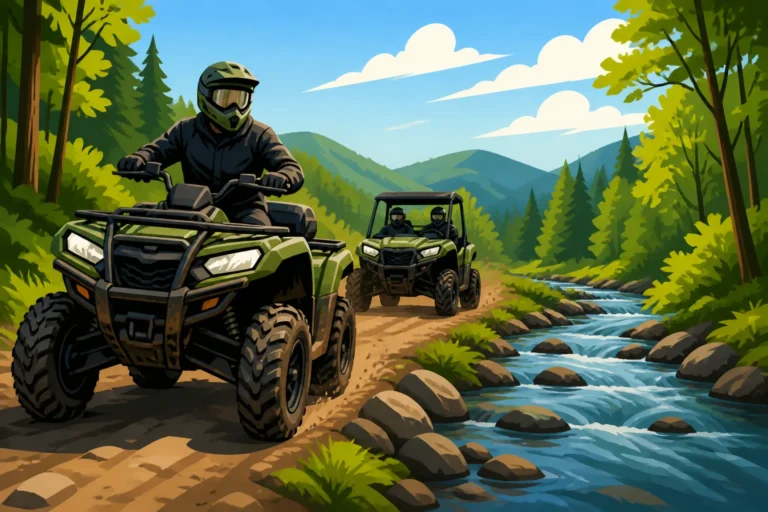
Ah, winter riding in Pennsylvania! There's a certain magic to seeing those familiar trails and backroads blanketed in fresh snow, isn't there? But that magic can quickly turn into a white-knuckle experience when you hit a patch of packed snow or, even worse, hidden ice. Many of us wonder if studded tires are the answer to gaining that much-needed traction and confidence when navigating those tricky, snow-covered roads and trails. This guide will cut through the confusion and help you understand the realities, legality, and practicalities of using studded tires on your ATV or UTV in the Pennsylvania winter landscape.
Understanding Pennsylvania's Stance on Studded Tires for ATVs and UTVs
When you start thinking about studded tires for your off-road machine in Pennsylvania, the first thing that probably pops into your head is, "Is this even allowed?" It's a great question, and like most things involving ATVs and UTVs in our state, the answer isn't always a simple yes or no. Pennsylvania's Vehicle Code has specific regulations regarding studded tires, but they primarily focus on highway vehicles and the wear and tear they can inflict on paved roads. This is where the distinction between a "road" and a "trail" becomes incredibly important for ATV and UTV riders.
Where Roads and Trails Diverge for Tire Legality
For most of us, our ATVs and UTVs spend their lives off the traditional public road system. We're talking about designated state forest trails, private property, or authorized riding parks. In these environments, the rules governing highway vehicles and their tires typically don't apply in the same way. The concern about pavement damage from studs is largely moot when you're riding through deep snow in a state forest or traversing a frozen logging road on private land.
However, things get a little murky when we talk about "snow-covered roads." In Pennsylvania, ATVs and UTVs are generally not street legal, meaning you can't just cruise down your local township road, snow or not, unless it's specifically been designated as an [Pennsylvania's Designated ATV Roads] or a [Pennsylvania Joint-Use Roads and Who Shares Them]. If you're on a public road where your ATV or UTV is legally permitted to operate, even if only for limited use or during specific seasons, then the general vehicle code could theoretically come into play regarding tire regulations. The good news is that Pennsylvania generally permits the use of studded tires on passenger vehicles and trucks between November 1 and April 15. While this specific rule doesn't directly mention ATVs or UTVs, it establishes a seasonal precedent for using studs on public thoroughfares when winter conditions are present. However, the critical point for ATV riders remains: only ride on roads where ATVs are explicitly allowed. If you're caught riding on a road where ATVs are prohibited, the issue of your tires will likely be the least of your concerns, as [Pennsylvania Fines for Riding Illegally] can be substantial.
Private Property and Designated Trail Systems
The clearest path for using studded tires is on private property or within managed, designated ATV trail systems like Rock Run Recreation Area or the Anthracite Outdoor Adventure Area (AOAA). On your own land, or with explicit landowner permission, you generally have far more leeway regarding your machine's setup, including your choice of tires. These areas are designed for off-road use, and the surfaces are typically unpaved, making the issue of pavement damage from studs irrelevant.
Many private and even some state-managed trail systems understand the need for enhanced traction in winter. As long as the tires meet general safety standards and don't pose an undue risk to the trail surface (which studs usually don't on dirt, rock, or snow), they are often accepted. It's always a good practice, though, to check with the specific park or land manager if you're unsure. Some might have their own unique rules, especially concerning aggressive modifications. The beauty of these areas is they're built for the kind of riding you love, letting you focus on the ride rather than constantly worrying about state vehicle codes.
Performance and Practicality: When Studded Tires Shine on Snowy Paths
So, you've figured out where you might legally run studded tires. Now, let's talk about the why and how. Studded tires aren't just for looking cool in the snow; they serve a very real purpose, especially when you encounter specific winter conditions that can otherwise bring your ride to a grinding halt or, worse, send you sliding.
Conquering Ice and Packed Snow
This is where studded tires truly earn their keep. Imagine you're on a snow-covered logging road, and beneath a few inches of powder lies a sheet of glare ice from a recent thaw-freeze cycle. Or perhaps you're tackling a trail where previous riders have packed the snow down into a slick, almost glacial surface. This is the nemesis of standard ATV and UTV tires. Even aggressive knobby tires designed for mud and dirt can lose their bite entirely on ice.
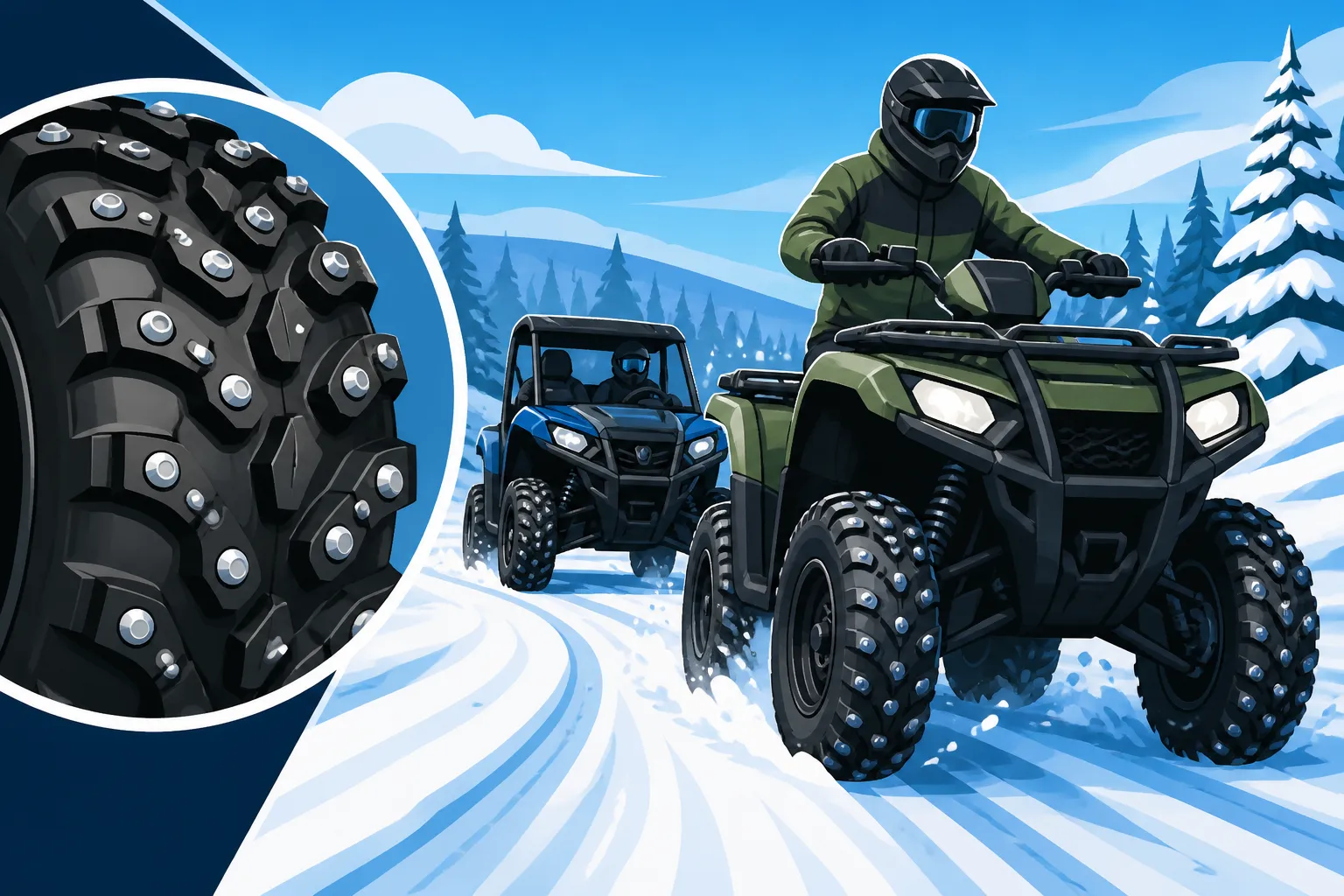
Studded tires, whether factory-installed or manually studded, feature small metal or carbide pins that protrude from the tire tread. These studs are designed to dig into ice and hard-packed snow, providing a level of grip that unstudded tires simply cannot match. This enhanced traction translates into better acceleration, significantly improved braking performance, and much more predictable steering. On an icy incline, where an unstudded machine would spin its tires helplessly, a studded setup can often find enough purchase to climb. For anyone who's ever felt that heart-stopping moment of losing all control on ice, the benefit of studs becomes immediately clear. They offer a tangible boost in confidence and capability when faced with genuinely treacherous conditions.
Limitations and Trade-offs
While studded tires are champions on ice and hard-packed snow, they aren't a magic bullet for all winter conditions. In deep, fresh powder, the studs don't have a solid surface to bite into, so their advantage is less pronounced. Here, the aggressive tread pattern and tire size of a good winter tire (whether studded or not) become more critical for flotation and propulsion.
Furthermore, studded tires can feel a bit squirmy or less stable on dry pavement or bare dirt. The studs, while great for ice, don't always provide the same consistent contact patch on harder, unyielding surfaces. This can lead to a slightly less comfortable ride and, over time, can accelerate wear on the studs themselves, especially if ridden extensively on bare ground. They also tend to be noisier than unstudded tires. This is why many riders view studded tires as a specialized tool for specific winter conditions rather than a year-round solution. For most riders in Pennsylvania, [Pennsylvania Rules for Riding in Winter] means being prepared for a variety of conditions, not just extreme ice.
Consider a brand like SuperATV, which offers a range of tire options, some of which are designed for extreme conditions and can be studded. If you're looking at aftermarket options, you'll find various tread patterns and rubber compounds specifically formulated for cold weather and snow, even before you consider adding studs. It's a matter of balancing your typical winter riding conditions with the investment and potential trade-offs of a dedicated studded setup.
Safety First: Best Practices for Using Studded Tires in Winter Conditions
Even with the best studded tires available, winter riding always demands extra caution. The enhanced grip from studs is a powerful tool, but it doesn't make you invincible. Safety should always be your top priority, whether you're on a designated trail or a snow-covered path on private land.
Adapt Your Riding Style
With studded tires, you'll undoubtedly feel more confident, especially on ice. However, this confidence shouldn't lead to recklessness. Speed is still a major factor in winter accidents. While studs dramatically improve traction, they don't defy physics. High speeds can still lead to loss of control, especially when encountering sudden changes in terrain, hidden obstacles under the snow, or patches of slush and water that can reduce stud effectiveness.
When riding in winter, always reduce your speed, increase your following distance from other riders, and be extra vigilant about potential hazards. Braking distances, while improved by studs, are still longer on slick surfaces than on dry ground. Cornering on ice with studs is much better, but pushing too hard can still result in a slide. Remember, the studs are designed to bite into ice, not float you over obstacles. You'll still want to choose smooth, controlled movements and avoid sudden throttle inputs or aggressive braking.
Pre-Ride Checks and Maintenance
Winter riding is tough on machines, and studded tires require their own set of considerations. Before every winter ride, perform a thorough pre-ride inspection. Check your tire pressure, not just for proper handling, but also to ensure the studs are seated correctly and haven't come loose. While high-quality studded tires are designed for durability, studs can occasionally work their way out, especially if ridden extensively on hard, bare surfaces.
Inspect your suspension components for any signs of wear or damage. Cold weather can make plastics brittle and seals less pliable, so give everything a good once-over. Ensure all your lights are working, especially if you anticipate riding near dusk or in low-visibility snow conditions. Keeping your machine in top shape is crucial for safe winter adventures. For more on year-round maintenance, check out [Pennsylvania ATV Maintenance Costs].
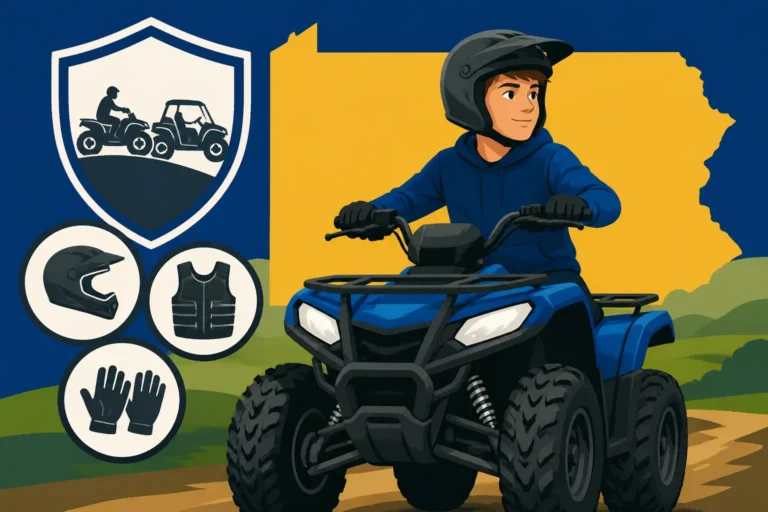
Also, don't forget personal safety gear! Even on snow, impacts can be severe. A proper helmet is non-negotiable, and Pennsylvania law still requires helmets for riders under 16, and often for adults on state land or designated roads. Consider wearing layers of warm, waterproof clothing, insulated gloves, and sturdy boots. [Pennsylvania Helmet Law for ATV Riders] outlines the legal requirements, but going above and beyond for warmth and protection is always a smart move in winter.
Environmental Responsibility
When using studded tires, particularly if you're venturing onto multi-use trails or accessing areas that might have non-paved but still sensitive surfaces, consider the potential impact. While studs are generally fine on natural dirt and rock trails, repeated use on very soft or thawed ground could theoretically contribute to minor surface disturbance. Always stay on marked trails, respect trail closures (especially during mud season, even if it's a "thaw" in winter), and practice Leave No Trace principles. Our ability to enjoy these areas depends on our responsible stewardship. For more on trail etiquette, see [Pennsylvania Trail Etiquette on Narrow Trails].
Beyond Studs: Other Winter Gear and Considerations for Pennsylvania Riders
While studded tires are fantastic for ice, they're just one piece of the puzzle for a complete and enjoyable Pennsylvania winter riding experience. Getting your machine and yourself ready for the cold involves a holistic approach.
Winter-Specific Tires Without Studs
If you find that your primary concern isn't glare ice but rather deep snow and cold-weather grip, there are excellent unstudded winter tires available. Many manufacturers, including those whose products you might find through SuperATV, offer specialized rubber compounds that remain flexible in freezing temperatures. This flexibility allows the tire to conform better to the terrain, providing superior grip in soft snow compared to standard all-season ATV tires that can become stiff and lose traction in the cold.
These tires often feature aggressive, open tread patterns designed to scoop and clean out snow, preventing buildup that can reduce traction. While they won't offer the same bite on pure ice as studs, they can be a fantastic compromise for varied winter conditions, providing excellent performance in powdery and packed snow, and still offering good control on dirt or gravel sections that might be exposed.
Essential Rider Gear for Cold Weather
Riding in the winter means battling the elements, and dressing appropriately is just as important as equipping your machine. Hypothermia and frostbite are serious risks if you're not prepared.
- Layer Up: The key to staying warm is layers. Start with a moisture-wicking base layer to draw sweat away from your body, preventing that clammy cold feeling. Add insulating mid-layers like fleece or down for warmth. Your outer layer should be waterproof and windproof to protect against snow, sleet, and bitter winds.
- Head, Hands, and Feet: These extremities lose heat quickly. A good balaclava or neck gaiter under your helmet is crucial. Insulated, waterproof gloves or mittens are a must – consider heated gloves for ultimate comfort. For your feet, waterproof, insulated boots are essential, and wearing wool or synthetic socks (avoid cotton) will help keep your toes toasty.
- Goggles: Fogging can be a major issue in cold weather. Invest in anti-fog goggles or those with a double-pane lens. Keeping your vision clear is paramount for safety.
For a deeper dive into what it costs to outfit yourself, check out [Pennsylvania ATV Gear Costs for a Family]. Remember, spending a little more on quality winter gear can make the difference between an exhilarating ride and a miserable, potentially dangerous one.
Machine Enhancements for Winter Comfort
Beyond tires, there are several accessories that can significantly improve your winter riding experience:
- Handguards and Windshields: Handguards protect your hands from brush, but also from freezing wind. A small windshield on your UTV can dramatically reduce wind chill, making longer rides much more comfortable.
- Heated Grips and Thumb Warmers: These are game-changers for keeping your hands warm. They draw power from your machine's electrical system and provide direct heat where you need it most.
- Winches: Winter riding often means encountering deeper snow or unexpected obstacles. A winch is an invaluable recovery tool that can get you unstuck quickly. Consider a reliable winch from a brand like SuperATV if you don't already have one. [Winches and Pennsylvania Mud] highlights their general utility, but they're just as crucial in snow.
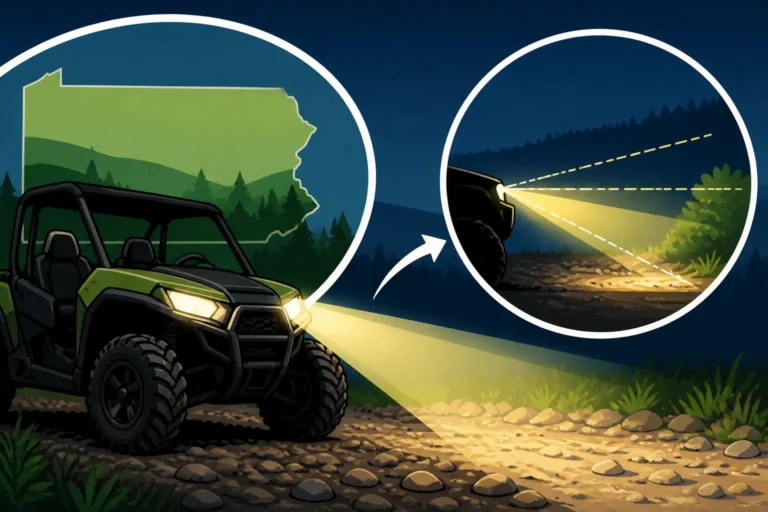
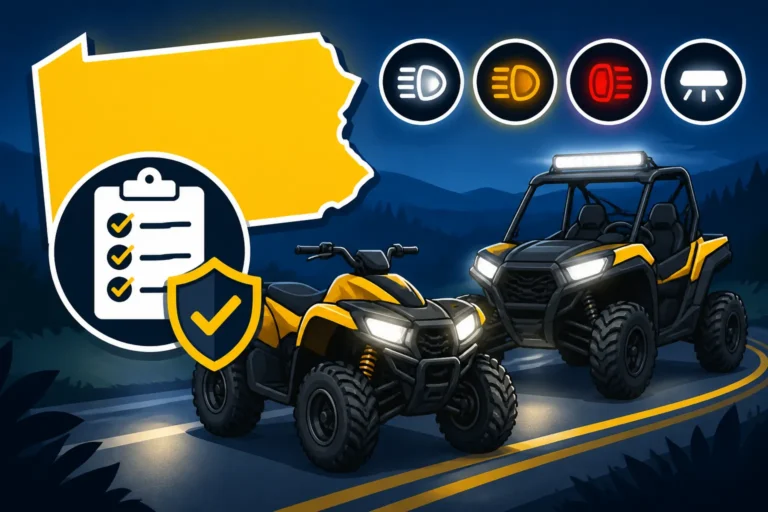
- Lighting: Winter days are shorter, and visibility can be poor. Ensure your ATV or UTV has bright, functional headlights and taillights. Additional LED light bars can vastly improve your visibility, both for you to see the trail and for others to see you. Don't forget, [Pennsylvania Lighting Rules for Night Riding] are in effect for any designated road use after dark.
By combining the right tire choice with appropriate gear and smart machine enhancements, you can truly embrace the unique challenges and beauty of Pennsylvania winter ATV and UTV riding. Always be aware of local regulations, whether you're dealing with [Pennsylvania ATV Registration and Trail Access] or specific trail permits like the [Pennsylvania Trail Permits Explained] required for state forest lands. Stay safe, stay warm, and enjoy the ride!
Disclaimer
This article is for general informational purposes only and does not constitute professional advice. Laws, prices and regulations vary by location and change over time. Consult a qualified professional for guidance on your specific situation.