Stopping Before a Pennsylvania Crossing
There’s nothing quite like the thrill of hitting the trails on your ATV or UTV in Pennsylvania, the wind in your face, the dirt flying. But that feeling can quickly turn to anxiety when you come to a road crossing, especially when you’re not entirely sure what the rules are. Many riders feel a rush of uncertainty at these points, wondering if they need to stop completely, if they're even allowed to cross, or what exactly "crossing at ninety degrees" means in practice. This guide is here to demystify those moments, specifically focusing on the critical act of stopping before a Pennsylvania crossing to keep you safe and legal on your adventures.
The "Why" Behind the Stop: Safety and Law on Pennsylvania Roads
When you're out on a forest trail or a connecting path, the last thing you want to do is accidentally roll right into the path of a car. Those few seconds of stopping, looking, and listening aren't just polite suggestions; they are absolutely crucial for your safety and are firmly backed by Pennsylvania law. It’s all about creating a predictable environment, both for you on your machine and for any other vehicles that might be using the public roads. Without these clear guidelines, every road crossing would be a chaotic guessing game, and nobody wants that kind of stress when they're trying to enjoy a ride.
The Legal Mandate for Stopping Before Crossing
Pennsylvania's regulations for ATVs and UTVs are pretty clear when it comes to interacting with public roads. The law mandates that when you're operating an ATV or UTV and you approach a public road or highway that you intend to cross, you must come to a complete stop. This isn't just for designated ATV roads; it applies any time you are moving from an off-highway area onto or across a public thoroughfare. The intent behind this rule is straightforward: it minimizes the risk of collisions by ensuring that ATV operators have a clear view of traffic and that vehicular traffic on the road isn't surprised by a suddenly emerging off-road machine.
Think of it like pulling out of a driveway onto a busy street. You wouldn't just roll out without stopping, right? The same principle applies here, but with the added considerations of an off-road machine that might not be as visible or quick to accelerate as a car. This legal requirement provides a clear standard of care for all riders, preventing situations where an ATV might "coast" into an intersection, expecting others to see them. It's a foundational rule designed to prevent serious accidents that could lead to injury, property damage, or worse, and ensures that everyone understands their responsibility at these critical junctions.
Protecting Yourself and Others at Road Crossings
Beyond the legal obligation, the simple act of stopping offers a tremendous safety benefit that directly protects you and anyone else involved in a potential incident. An ATV, by its nature, is a smaller vehicle than most cars, trucks, or even motorcycles you’ll encounter on a public road. This size difference, combined with the fact that ATVs often emerge from wooded areas or fields, means they can be incredibly difficult for oncoming traffic to spot in time, especially at higher speeds or in adverse weather conditions. Coming to a full stop gives you those precious extra seconds to perform a thorough scan of the environment.
This proactive approach is all about defensive riding. You can't assume that drivers on the road will see you or yield to you, even if they technically should. By stopping, you take control of the situation, ensuring you have the clearest possible view and an opportunity to assess the speed and proximity of any approaching vehicles. It allows you to make an informed decision about when it's truly safe to proceed, rather than having to react impulsively to a developing hazard. This not only safeguards your own well-being but also minimizes the risk of causing an accident that could impact innocent motorists, something no responsible rider ever wants to be a part of.
How to Execute a Safe Stop and Crossing in Pennsylvania
Knowing that you have to stop is one thing, but knowing how to do it safely and effectively is another. It’s more than just tapping the brakes; it’s a deliberate sequence of actions that maximize your visibility and minimize risk. Whether you’re on a well-traveled state route or a quiet township road, a consistent, methodical approach to crossings will serve you well and help engrain good habits for every ride.
The Full Stop: More Than Just Slowing Down
When the law says "full stop," it really means it. This isn't a "California roll" or a brief hesitation; your wheels must cease rotation completely, and your machine should be stationary for a moment. This definitive pause is crucial because it allows you to shift your focus entirely from riding the trail to safely navigating the road. It gives you time to bring your senses fully into play, scanning for hazards that might have been obscured while you were still in motion.
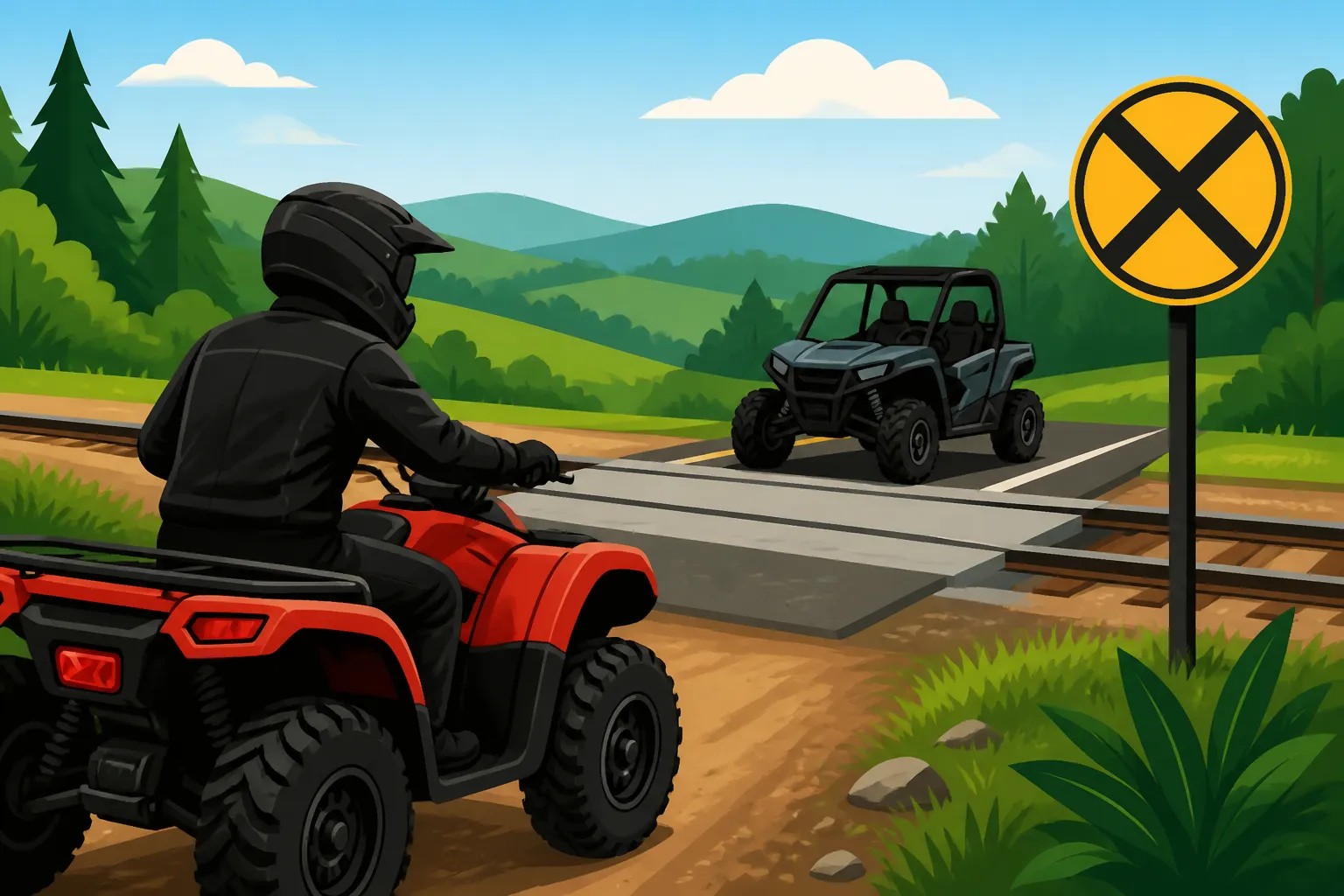
To execute a proper full stop, begin slowing down well before you reach the edge of the road, giving yourself ample space to brake smoothly and safely. Engage both your front and rear brakes, bringing your ATV or UTV to a complete halt just before the paved surface begins. Ensure your machine is stable and balanced, especially if you're on uneven ground or a slight incline leading to the road. Once stopped, place your feet securely on the ground if you're on an ATV, or ensure your UTV is in park if it's equipped, preventing any accidental forward movement while you assess the traffic. This deliberate pause signifies to both yourself and any potential onlookers that you are being cautious and taking the crossing seriously. [Stopping Before a Pennsylvania Crossing] is a rule that has no grey area.
Scanning for Traffic and Hazards at Crossings
Once you’ve come to a full and complete stop, the real work of assessing the crossing begins. This isn't a quick glance; it's a thorough, methodical scan that should become second nature. The classic "look left, right, left again" rule is a fantastic starting point, as traffic coming from the left is typically closer and reaching you sooner after you start moving forward. But don't just rely on your eyes; actively listen for the sounds of approaching vehicles, especially those that might be obscured by trees, hills, or buildings. Wind noise and helmet muffled sounds can make this challenging, so take your time.
Consider the environment you're in. Are there hidden driveways or side roads near the crossing point that might introduce unexpected traffic? Are there other recreational vehicles, like bicycles or even horses, that might also be using the road? Be particularly vigilant at crossings that are near residential areas, farms, or other popular recreation spots. It’s also wise to make eye contact with drivers if possible, signaling your intention to cross. Remember that a car traveling at 55 mph covers a lot of ground very quickly, so judge distances and speeds conservatively. Only when you're absolutely certain that there's a wide-enough gap in traffic should you proceed.
Common Crossing Scenarios in Pennsylvania
Pennsylvania offers a diverse landscape for ATV and UTV riding, which means you'll encounter a variety of road types that require crossing. Each type presents its own set of considerations, but the fundamental rule of stopping before crossing remains paramount. Understanding these different scenarios can help you prepare mentally for what's ahead and ensure you always navigate them safely.
Crossing State Routes (SRs)
State Routes, often identified by signs like SR 144 near Snow Shoe or SR 120 at Westport, are typically higher-speed, higher-volume roads. Crossing these requires extreme caution. Pennsylvania law specifies that when crossing a public road or highway, you must do so at approximately a 90-degree angle to the roadway. This means you should aim straight across, not diagonally, to minimize the time you spend in the active traffic lanes. The goal is to get from one side to the other as efficiently and safely as possible.
Before you even think about starting across an SR, you must ensure that there's a substantial gap in traffic in both directions. Never try to "beat" an oncoming car. Due to the higher speeds on these roads, misjudging a gap can have catastrophic consequences. It's also worth remembering that the minimum age for riding an ATV on a designated road (which a state route is, even if you're just crossing) is 16 years old. [Crossing a Highway on an ATV in Pennsylvania] always demands your full attention and adherence to the law. Always be extra patient here; waiting for a larger gap is far better than rushing.
Crossing Joint-Use and Designated Township Roads
Joint-use roads and designated township roads are a bit different. These are public roads where ATVs and UTVs are permitted to operate, not just cross. You might encounter green signs that indicate these roads are open to ATV traffic. Even on these roads, when you're entering from a trail or private property onto the roadway, the "stop before crossing" rule still applies. Once you are on a designated joint-use road, you are now operating as legal traffic and should follow all standard rules of the road, including staying to the right, obeying speed limits, and yielding to other vehicles.
The key difference here is that you might be turning onto the road to ride it for a distance rather than just crossing. Still, the initial entry requires a full stop and careful observation. Always be on the lookout for specific signage. A road might be designated for ATV use for a few miles to connect trails, but then revert to a standard road where ATV operation is prohibited. Knowing [Pennsylvania Joint-Use Road Rules] and how to spot [Pennsylvania's Designated ATV Roads] is crucial for staying legal and safe on these unique sections of your ride.
Private Road Crossings and Farm Lanes
While the strictest legal mandates typically apply to public roads, it's always best practice to treat private road crossings and farm lanes with the same caution. Even if it's a private lane on your buddy's property or a road connecting two fields on a farm, you never know who might be coming around a blind corner or out of a barn. Farm equipment, other recreational vehicles, or even pedestrians might be present.
Adopting a habit of stopping, looking, and listening at all junctions, regardless of public or private status, reinforces safe riding behaviors. It prepares you for the more critical public road crossings and ensures you don't develop bad habits that could lead to trouble when you transition to public areas. Especially on working farms, there could be tractors, livestock, or other unforeseen obstacles. Respecting these private crossings with a full stop shows good judgment and a commitment to safety, protecting not only yourself but also the property owner and anyone else on the land. [Pennsylvania Rules for Riding a Private Road] may not be as stringent as public road rules, but safety should always be your priority.
Equipment and Preparation for Safer Crossings
Beyond just knowing the rules and practicing safe techniques, your equipment plays a vital role in ensuring safe road crossings. The right gear and a well-maintained machine can significantly enhance your visibility and your ability to react to unexpected situations, turning potential hazards into manageable moments.
Visibility Enhancements for Your ATV or UTV
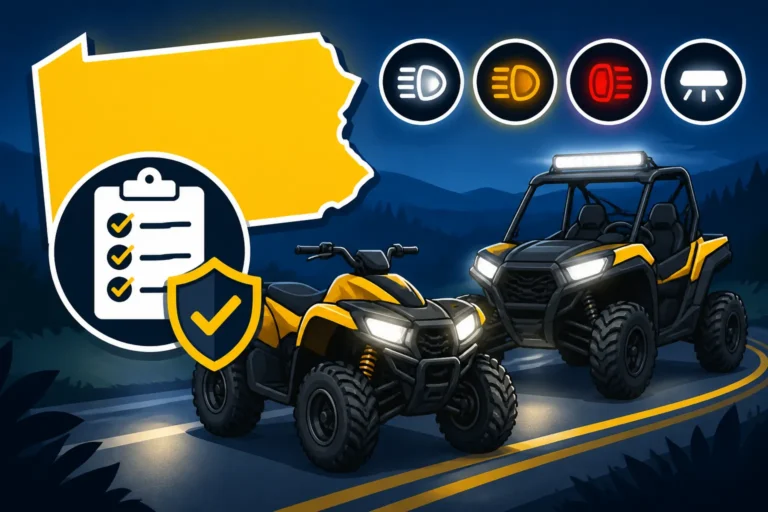
One of the biggest challenges when crossing a road is being seen by other drivers, especially if you're emerging from a wooded area or riding near dusk. Your ATV or UTV should be equipped with proper lighting, including working headlights and taillights. Many riders also choose to add auxiliary lights or light bars, not just for illuminating the trail at night, but also for increased daytime visibility. Reflective tape on your machine or helmet, and bright, contrasting riding gear, can make a huge difference in how quickly and easily motorists spot you.
Consider adding a brightly colored flag, especially if you often ride in areas with tall crops or dense foliage that can obscure your machine. Companies like SuperATV offer a range of aftermarket accessories, from whip lights to mirrors, that are specifically designed to improve visibility and awareness for off-road machines. While these might seem like extra purchases, they are invaluable safety tools that could prevent an accident. Always remember that the more visible you are, the safer your crossings will be. [Being Seen on a Rural Road at Dusk] is paramount, and these enhancements are key.
Maintaining Your Machine's Brakes and Lights
Having the best safety equipment means nothing if it's not in proper working order. Before every ride, and especially before heading out on trails that involve road crossings, perform a quick but thorough inspection of your ATV or UTV's critical components. Your brakes are, without a doubt, your most important safety feature when it comes to stopping quickly and effectively. Check your brake fluid levels, inspect the brake pads for wear, and ensure that both front and rear brakes engage smoothly and firmly. If your brakes feel spongy or make unusual noises, get them inspected immediately.
Equally important are your machine's lights. Ensure your headlights are bright and properly aimed, and that your taillights and brake lights are fully functional. A burned-out taillight can make you virtually invisible to traffic approaching from behind, especially at dawn or dusk. Clean your lenses regularly, as mud and dust can drastically reduce light output. By keeping your machine in top mechanical condition, you're not just ensuring a better ride; you're actively contributing to your safety and the safety of others every time you approach a road crossing. [Pennsylvania Lighting Rules for Road Use] are not just for night riding; they apply for visibility at all times.
Consequences of Not Stopping Before a Pennsylvania Crossing
Ignoring the requirement to stop before crossing a public road is not just reckless; it carries significant legal and personal repercussions. Many riders, perhaps out of habit or a misunderstanding of the law, might roll through a crossing, unaware of the risks they are taking. Understanding the potential consequences can serve as a powerful motivator to always adhere to this fundamental safety rule.
The Risk of Fines and Citations
Pennsylvania law enforcement, particularly the Department of Conservation and Natural Resources (DCNR) rangers, takes ATV and UTV safety seriously. If you are observed failing to stop before crossing a public road, you could face a citation. These aren't just minor inconveniences; they come with fines that can quickly add up. A typical fine for an ATV violation can start at $300, and that's often before any additional court costs or administrative fees are tacked on. [Pennsylvania Fines for Riding Illegally] can be substantial, and a traffic infraction can also lead to other checks on your registration and insurance.
Beyond the immediate financial hit, receiving a citation can lead to further scrutiny. An officer might then check your ATV registration for compliance, or verify that you carry the [Pennsylvania ATV Insurance Requirement] for riding off your own property. If you're found to have multiple violations or are deemed to be operating your machine in a particularly reckless manner, the penalties can escalate, potentially leading to more severe fines or even the temporary loss of riding privileges. It’s simply not worth the risk to save a few seconds by not stopping.
Accidents and Liabilities from Failed Stops
The most severe consequence of failing to stop, by far, is the potential for an accident. A collision between an ATV or UTV and a passenger vehicle can result in serious injuries or even fatalities for all involved parties, given the significant difference in size and protection. Imagine the scenario: you roll through a crossing, thinking the coast is clear, and suddenly a vehicle you didn't see is on top of you. The emotional, physical, and financial toll of such an event can be devastating and long-lasting.
In the aftermath of an accident where you failed to stop, you would almost certainly be found at fault. This opens you up to significant liability for property damage, medical expenses for injured parties, and potential lawsuits. Your ATV insurance might cover some of these costs, but a major accident could easily exceed policy limits, leaving you personally responsible for substantial financial obligations. Even if you only suffer a minor bump, the process of dealing with insurance claims, accident reports, and potentially legal actions is a headache nobody wants. A full stop costs you nothing but a few seconds, while failing to stop could cost you everything.
No matter where your Pennsylvania ATV adventures take you, safe road crossings are an absolute necessity. By consistently applying the rule of stopping, looking, and listening, you’re not just following the law; you’re actively participating in creating a safer riding environment for yourself and everyone else. Take those few extra seconds, maintain your machine, and ride smart.
Crossing Types and Rules Summary
| Crossing Type | Required Action | Key Considerations | Relevant PA Rules |
|---|---|---|---|
| State Routes (SRs) | Complete Stop | Extremely high caution. Cross at 90-degree angle. Verify large gap in traffic. Be aware of higher speeds. Minimum age 16 for road interaction. | [Crossing a Highway on an ATV in Pennsylvania], [Crossing at Ninety Degrees in Pennsylvania], [Pennsylvania's Sixteen-Year-Old Road Rule] |
| Joint-Use Roads | Complete Stop (at entry) | These roads allow ATV operation. Stop when entering from a trail or private land. Once on the road, obey all standard traffic laws. Look for green "open to ATV" signs. | [Pennsylvania Joint-Use Road Rules], [Pennsylvania's Designated ATV Roads] |
| Designated Twp. Roads | Complete Stop (at entry) | Similar to joint-use; some townships specifically designate roads for ATV use. Stop when entering from off-road. Follow posted signage carefully. | [Pennsylvania Rules for Riding a Township Road], [What the Green Sign on a Township Road Means] |
| Private Roads/Farm Lanes | Best Practice: Stop | Though not always legally mandated like public roads, stopping is safest. Watch for farm equipment, other vehicles, and pedestrians. Reinforces good habits for public crossings. | [Pennsylvania Rules for Riding a Private Road], [Pennsylvania Landowner Permission Requirements] |
| Any Intersection | Complete Stop | Regardless of road type, if you are moving from an area where ATVs are not treated as regular traffic onto an area where they are, a complete stop is required to assess traffic and avoid collisions. | General safety principles, all relevant PA ATV code chapters. |
Disclaimer
This article is for general informational purposes only and does not constitute professional advice. Laws, prices and regulations vary by location and change over time. Consult a qualified professional for guidance on your specific situation.