What Limited Registration Does Not Let You Do
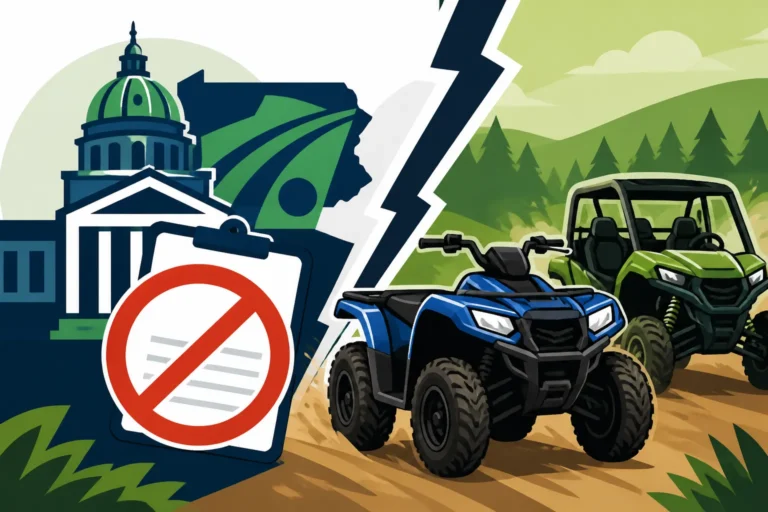
It's easy to look at the paperwork for registering your ATV in Pennsylvania and think, "Hey, limited registration sounds great! It's free, it covers my private land, what more do I need?" But that innocent assumption can lead to a lot of headaches, frustration, and even hefty fines if you're not crystal clear on its limitations. This guide is here to walk you through exactly what you absolutely cannot do with a Pennsylvania limited registration, helping you steer clear of trouble and make an informed choice for your riding adventures.
Understanding the Foundation: What Limited Registration Is For
Before we dive into what you can't do, let's briefly touch on what limited registration is for. Think of it as Pennsylvania's way of saying, "Okay, we get it, some folks just want to ride on their own property and don't need all the bells and whistles of a full state registration." So, the Pennsylvania Department of Conservation and Natural Resources (DCNR) created this option specifically for machines that will only be operated on land owned or leased by the ATV owner. This means your sprawling farm, your hunting camp with its dedicated trails, or even a smaller parcel where you just like to putter around with your side-by-side.
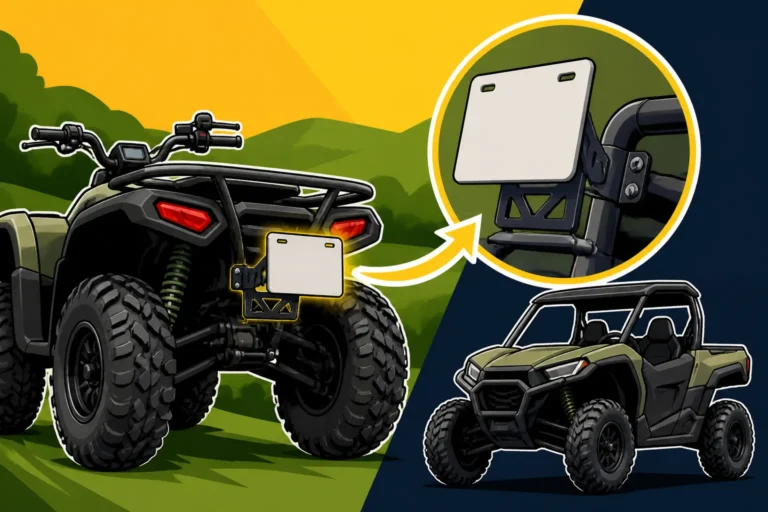
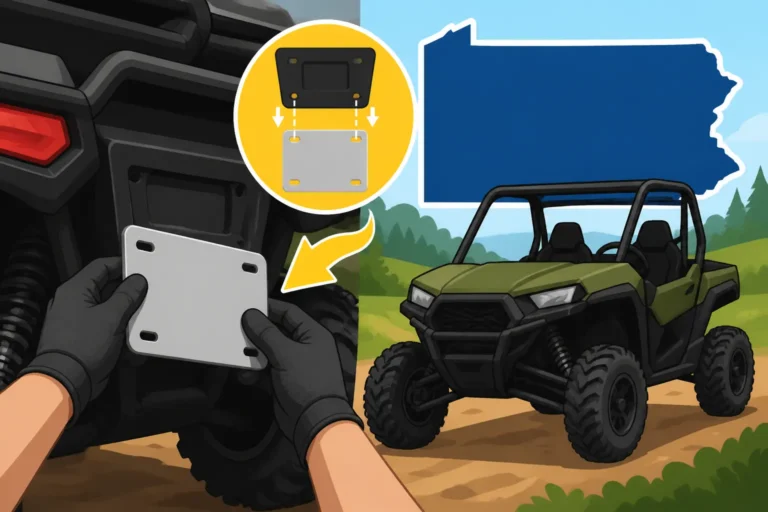
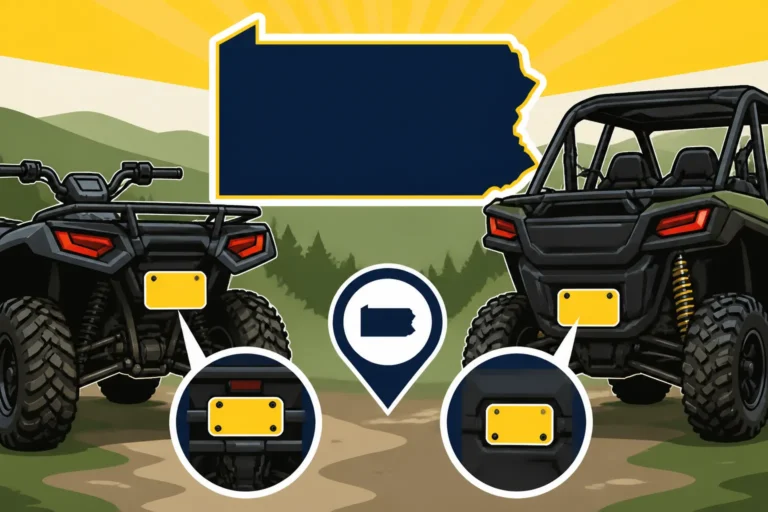
It's designed to be simple and, wonderfully, it's [Pennsylvania's Free Limited Registration]. You still get a plate, albeit a slightly different one from the general registration, and a wallet card. The state simply wants to ensure that even machines not hitting public trails or roads are accounted for in their system, primarily for identification purposes in case of theft or recovery. However, this simplicity comes with very distinct boundaries, and crossing them, even accidentally, can land you in hot water.
The Explicit Restrictions: Where Limited Registration Falls Short
This is where the rubber meets the road, or rather, where your wheels can't hit the road, or specific trails. Limited registration is designed to keep your ATV or UTV strictly confined. Any deviation from its intended use is a violation.
Staying Off Public Roads and Highways
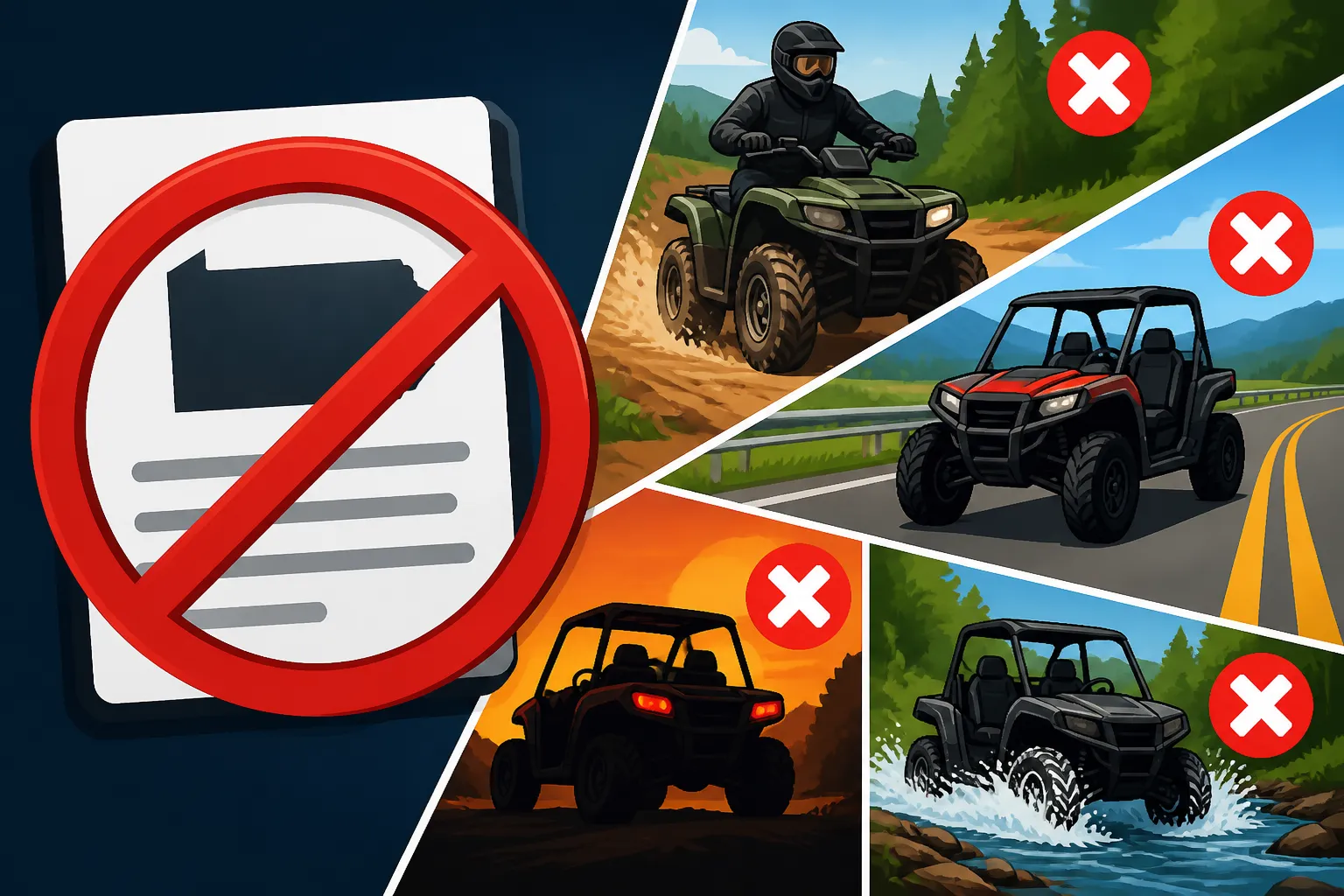
This is arguably the biggest and most commonly misunderstood restriction. With a limited registration, your ATV is absolutely, unequivocally not street legal in Pennsylvania. This means no riding on state routes, township roads, borough streets, or any other public thoroughfare.
Imagine you're out at your hunting cabin in Potter County. You've got your quad on limited registration, perfect for zipping around your 50 acres. But then you realize you forgot to pack butter for breakfast, and the general store is just a mile down the paved township road. "No big deal," you might think, "it's just a quick trip." Wrong. That quick mile on a public road, even a quiet dirt road maintained by the township, is illegal with a limited registration. An officer seeing you there can and will issue a citation. This is a crucial distinction from [Pennsylvania's General Registration for Everywhere Else], which is designed precisely for these kinds of movements, under specific conditions.
You cannot even cross a public road, in most cases, with a limited registration. If your property is bisected by a township road, you would still need general registration (and meet other requirements like age, helmet, and insurance) to legally cross it. The intent of limited registration is truly private property only.
No Access to State Forest or DCNR-Designated Trails
Pennsylvania boasts an incredible network of state forest ATV trails, like those in Sproul State Forest or the Susquehannock State Forest. These are often the very reason many folks buy an ATV in the first place! But if your machine has limited registration, these trails are completely off-limits to you.
Let's say you've been dreaming of riding the [Whiskey Springs and Pennsylvania's Longest Trail] or exploring the vastness of [Bloody Skillet's 38 Miles]. You've seen the stunning photos and heard the stories. You might even live just a stone's throw from a trailhead. But if your quad only has limited tags, you cannot unload your machine at the staging area and hit those trails. These state-managed trails require a [Pennsylvania ATV Trail Permit] in addition to a general registration. The limited registration simply doesn't count. It doesn't contribute to the trail funds that maintain these areas, nor does it provide the necessary identification the state requires for public land use.
This also extends to other public lands like State Game Lands, which generally have very strict rules against ATV use unless you have a special permit (like a Disabled Person's Access Permit) and even then, your ATV would still need general registration. [Pennsylvania Game Lands and Why Quads Are Banned] is an excellent resource for understanding those restrictions.
Unable to Ride on Land You Don't Own or Lease
This can be a tricky one, especially when friends or family are involved. Limited registration is strictly for your own land, or land you have formally leased. It does not extend to your buddy's farm, your cousin's hunting camp, or your neighbor's undeveloped woodlot, even if they've given you verbal permission.
Think about it this way: if you're riding on someone else's property, and that property is not formally leased by you, then your machine isn't on your land. This is a point of confusion for many. A verbal "sure, ride whenever you want" from a landowner, while friendly, does not make their land "your leased land" for the purposes of limited registration. For riding on someone else's private property, even with permission, if it's not leased by you, a general registration is typically required, and carrying proof of the landowner's permission is always a good idea. For formal agreements, especially with larger parcels or longer terms, services like LawDepot can assist in drafting a clear lease agreement, which could then, in theory, satisfy the "leased land" requirement for limited registration, though this is less common for casual riding.
The core idea is that the limited registration identifies the machine as belonging to you and being used solely on property you control legally.
No Crossing of Stream Beds or Designated Wilderness Areas
Beyond roads and public trails, limited registration also means you must adhere to all other environmental and land-use regulations. This includes prohibitions against riding in stream beds, environmentally sensitive areas, or designated wilderness or wild areas, even if these are technically on your private property. While DCNR's focus for limited registration is primarily about location, all ATV use must still comply with broader environmental laws.
For example, if your property has a small stream running through it, you cannot use your limited-registered ATV to drive directly up or down the streambed. This is generally illegal under Pennsylvania environmental laws regardless of registration type, but it's important to understand that limited registration doesn't grant any special exceptions to these kinds of rules. The emphasis is always on responsible riding, even on your own turf.
Consequences of Exceeding Limited Registration Privileges
So, what happens if you decide to take that "quick trip" down the road or venture onto a state trail with your limited-registered machine? The consequences can be significant and definitely not worth the risk.
Fines and Penalties
The most immediate consequence is a fine. Riding an ATV on a public road or public trail without the appropriate general registration (and, where applicable, a trail permit and insurance) can result in a significant citation. Pennsylvania takes its ATV regulations seriously, and DCNR rangers, State Police, and local law enforcement are authorized to enforce them.
A common penalty for operating an unregistered (or improperly registered, in this case) ATV can be an automatic $300 fine. And that's just the starting point! This doesn't include potential court costs, which can add hundreds more, making that "quick trip" a very expensive one. Plus, repeated offenses can lead to even steeper penalties. [Pennsylvania ATV Registration Fines] can detail these further.
Impoundment of Your Machine
In some cases, law enforcement might even impound your ATV. If you're caught operating a machine illegally on public land or roads, an officer has the discretion to have your ATV towed and stored. Getting your machine back will involve paying towing fees, storage fees (which accrue daily), and any fines or court costs. This can quickly run into hundreds, if not thousands, of dollars, turning a casual ride into a financial nightmare. Imagine trying to explain to your spouse why the quad is in an impound lot in the next county because you wanted to grab a pack of gum.
No Insurance Coverage on Public Ways
One critical point that often gets overlooked is insurance. While limited registration doesn't strictly require you to carry liability insurance for use on your own land, the moment you venture onto a public road or a DCNR-managed trail (which requires general registration), you are mandated to have insurance. If you have an accident on a public road or trail with a limited-registered machine, your personal insurance policy for the ATV might not cover you, or your home insurance policy might deny a claim if you were operating it illegally.
This means you could be personally liable for any damages or injuries you cause, which could be financially devastating. If you hit a car on a township road, or injure another rider on a state trail, you could be facing lawsuits for medical bills, property damage, and more, all out of your own pocket. [Pennsylvania ATV Insurance Requirement] is a vital read for anyone considering riding off their own land.
Considering the Switch to General Registration
Given these significant limitations and potential penalties, many riders eventually realize that limited registration simply doesn't meet their needs. If you foresee even an occasional need to cross a road, visit a friend's property, or, especially, ride Pennsylvania's fantastic state forest trails, then general registration is the path you need to take.
What General Registration Offers
General registration opens up a world of possibilities. It costs [Pennsylvania General Registration Cost] and is valid for two years, just like limited registration. With general registration, your machine is then eligible to:
- Be operated on designated state forest ATV trails (with the purchase of a separate [Pennsylvania ATV Trail Permit]).
- Be operated on designated joint-use roads where ATVs are specifically permitted by a municipality (following all local rules).
- Be moved across public roads to access other private property or trail systems, under strict conditions (age, helmet, insurance, crossing at 90 degrees, etc.).
- Be insured for public liability, providing crucial protection.
How to Make the Switch
The good news is that if you have a limited registration, you can absolutely upgrade to a general registration. It's a fairly straightforward process through the DCNR. You'll need to submit the appropriate forms (likely [What Pennsylvania Asks on Form DCNR-43]), pay the registration fee, and ensure all your documentation is in order. It's not a complicated hurdle, but it's one worth clearing if you want the freedom to explore more of what Pennsylvania has to offer. For a detailed walkthrough, check out [Switching From Limited to General in Pennsylvania].
Comparing Limited and General Registration
To make it super clear, here's a quick comparison of what each registration type allows and prohibits:
| Feature | Limited Registration | General Registration |
|---|---|---|
| Cost | Free | [Pennsylvania ATV Registration Cost] (approx. $20) |
| Duration | Two Years | Two Years |
| Plate Type | Unique limited registration plate | Standard general registration plate |
| Where You Can Ride | ONLY on land you own or formally lease | Designated State Forest Trails (with permit), designated joint-use roads, private land (with permission), crossing public roads (under strict rules) |
| Public Road Use | NO | Limited crossing and use on designated joint-use roads (with helmet, insurance, age requirements) |
| State Forest Trails | NO | YES (with separate trail permit) |
| Other Private Land | NO (unless formally leased by you) | YES (with landowner permission) |
| Required Insurance | Not required for use on your own land | REQUIRED for use off your own land |
| Consequences of Misuse | Fines, impoundment, personal liability for accidents | Fines, impoundment, personal liability if rules are broken or uninsured |
This table clearly highlights the fundamental difference: limited registration is a niche solution for highly restricted private use, while general registration is designed for the broader recreational rider who wants to explore.
Final Thoughts on Limited Registration
Choosing the right registration for your ATV or UTV in Pennsylvania is more than just paperwork; it's about defining where and how you can legally enjoy your machine. While the free limited registration might seem appealing, its stringent limitations mean it's truly only suitable for a very specific type of rider – one who never intends to leave their own property.
For most enthusiasts, the small fee for general registration is a worthwhile investment. It not only grants you access to incredible trail systems across the state but also provides the necessary legal framework to move your machine more freely and, importantly, ensure you're covered by insurance when you're out and about. Don't let a misunderstanding of [Pennsylvania's Limited and General Registrations] spoil your riding season. Be informed, be safe, and ride legally!
Disclaimer
This article is for general informational purposes only and does not constitute professional advice. Laws, prices and regulations vary by location and change over time. Consult a qualified professional for guidance on your specific situation.