What a Ranger Checks at a Trailhead
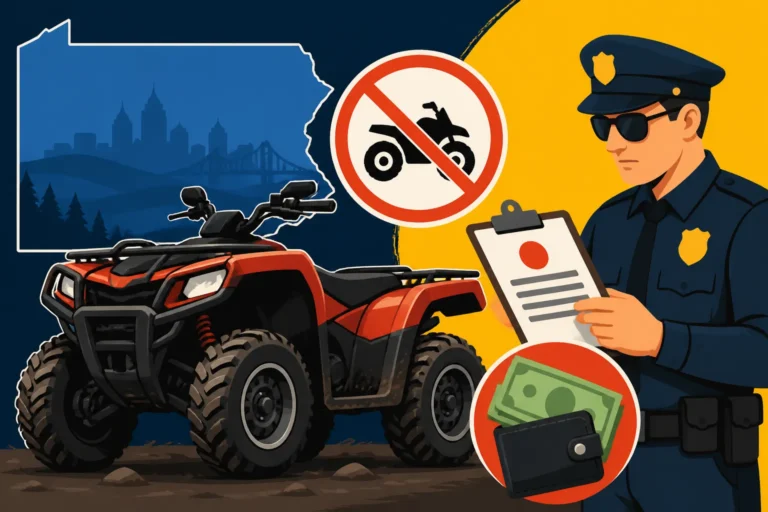
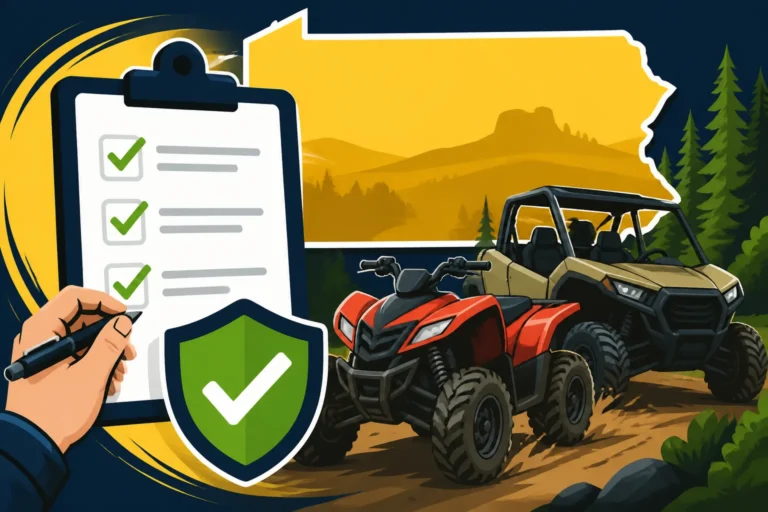
There’s nothing quite like the excitement of finally getting your ATV or UTV loaded up, making the drive, and pulling into a Pennsylvania trailhead, ready for a day of ripping through the woods. But before you even think about unloading, you might just find a DCNR (Department of Conservation and Natural Resources) ranger waiting to greet you. This guide is all about what they're looking for, why these checks happen, and how to make sure your ride to the trail doesn't end before it even begins due to a forgotten document or an overlooked piece of safety gear.
What Pennsylvania Rangers Are Looking For
When you encounter a ranger at a Pennsylvania trailhead, it's not usually to ruin your fun, but rather to ensure everyone's safety and the preservation of our beautiful state lands. They're performing compliance checks, making sure that every machine and rider meets the legal requirements for riding on state-managed trails. It's easy to get caught up in the thrill of the ride, but forgetting the rules can lead to disappointment or, worse, a hefty fine. They're essentially the guardians of the trails, making sure the rules are followed so these incredible resources remain open and safe for all of us.
Why Trailhead Checks Are a Thing
These checks are a critical part of maintaining order and safety on Pennsylvania's extensive ATV and UTV trail systems. Imagine a chaotic trail where machines are unregistered, riders are uninsured, and safety gear is optional. It would quickly become a dangerous place, leading to more accidents, environmental damage, and ultimately, the closure of trails we all love. Rangers are there to prevent that scenario. They ensure that all machines are properly registered, meaning the state has a record of who owns it, and that any required fees have been paid, which in turn helps fund trail maintenance and development. They also confirm that riders are adequately prepared and equipped to handle the challenges of off-road riding, protecting both the individual and other trail users. It's a proactive measure to keep our riding experiences positive and sustainable.
The DCNR's Role in Enforcement
The Pennsylvania Department of Conservation and Natural Resources (DCNR) is the primary agency responsible for managing state forest and park lands, which includes many of the designated ATV and UTV trails. Their rangers are commissioned law enforcement officers with the authority to stop, inspect, and cite individuals who are not in compliance with state regulations. They're well-versed in [17 Pennsylvania Code Chapter 51], which outlines all the rules for off-highway vehicles. Their presence at trailheads, whether it's [Registration Checks at Bloody Skillet] or [Registration Checks at Whiskey Springs], is a visible reminder that riding on state land is a privilege that comes with responsibilities. They're not just looking for scofflaws; they're also a great resource for trail information, conditions, and safety advice, so don't be afraid to engage with them respectfully. They're there to help, even when they're checking your paperwork.
Key Documents and Proof You Need to Carry
This is where the rubber meets the road, or more accurately, where your wallet meets the ranger's clipboard. Having your documents in order is paramount. It’s not enough to have the registration or insurance; you must have physical proof of it with you. Think of it like driving a car; you wouldn't leave home without your driver's license and insurance card, right? The same principle applies here, but with a few extra off-road specific items. Always make sure these documents are stored in a waterproof bag or container, because trail riding often involves mud, water, and unexpected downpours. Replacing a [Wallet Card That Went Through the Wash] is a hassle you want to avoid.
Your ATV Registration Card and Decal
First and foremost, a ranger will be looking for proof of a valid Pennsylvania ATV registration. This includes a current registration decal properly affixed to your machine and the corresponding registration card in your possession. Pennsylvania offers two types of registration: [Pennsylvania's Limited and General Registrations]. The general registration allows you to ride on designated state trails, while the limited registration is for private land use only. If you're heading to a state trail, you absolutely need the general registration. The card itself contains vital information about your machine and its owner, and the decal signals to everyone, including rangers, that your machine is legally permitted on the trails. Without this, you're looking at [Pennsylvania Fines for an Unregistered ATV], which can start at an automatic $300. If you just bought a used quad in a private sale and are awaiting your new registration, make sure you have proof of purchase and perhaps even a temporary bill of sale from a reputable source like LawDepot to show the transaction.
Proof of Insurance Mandatory for Most Riding
Beyond registration, proof of liability insurance is a non-negotiable requirement for riding ATVs and UTVs off your own land in Pennsylvania. The ranger will ask to see your current insurance card or declaration page. This isn't just about protecting yourself; it's about protecting others in case of an accident where you are at fault. [Pennsylvania's Mandatory Insurance Off Your Own Land] is there for a reason. While the state doesn't set a minimum coverage amount, having adequate liability coverage is smart practice. Many riders opt for a policy that specifically covers off-road incidents, as standard auto insurance often doesn't extend to ATVs on trails. Ensure your proof is current and clearly legible. If your insurance is expired or non-existent, you're not just risking financial ruin in an accident; you're also facing [Pennsylvania Fines for No ATV Insurance].
The All-Important Safety Certificate (Especially for Younger Riders)
If you have younger riders in your group, or if you yourself are between the ages of 8 and 15, a Pennsylvania ATV Safety Certificate is an absolute must-have. Rangers will check for this, as it demonstrates that the rider has completed the necessary safety training. [Pennsylvania ATV Safety Certificate Requirements] are strict because they aim to educate riders on safe operation, trail etiquette, and emergency procedures. For riders aged 8 to 15, carrying the physical certificate is mandatory. While adults aged 16 and over are not required to carry a certificate, taking an [Pennsylvania ATV Course for Adults] is always a good idea. Make sure the certificate is tucked away with your other documents, safe from the elements.
Permits for Specific Trails (Like the Northcentral Permit)
Some of Pennsylvania's most expansive state forest trail systems require an additional permit beyond your standard registration. The most prominent example is the [Pennsylvania's Northcentral Regional Trail Permit], which covers nearly 1,000 miles of trails across four counties (Clinton, Lycoming, Potter, and Tioga). If you're riding in one of these areas, a ranger will definitely be checking for this permit. These permits are typically annual and are distinct from your machine's registration. There are also specific permits for areas like the [Pennsylvania's Allegheny National Forest Permit]. Always research the specific requirements for the trail system you plan to visit, as forgetting this permit can mean being turned away at the gate, even if everything else is in order. Make sure you understand [When Pennsylvania Trail Permits Go On Sale] and apply well in advance of your trip.
Machine Requirements and Safety Gear
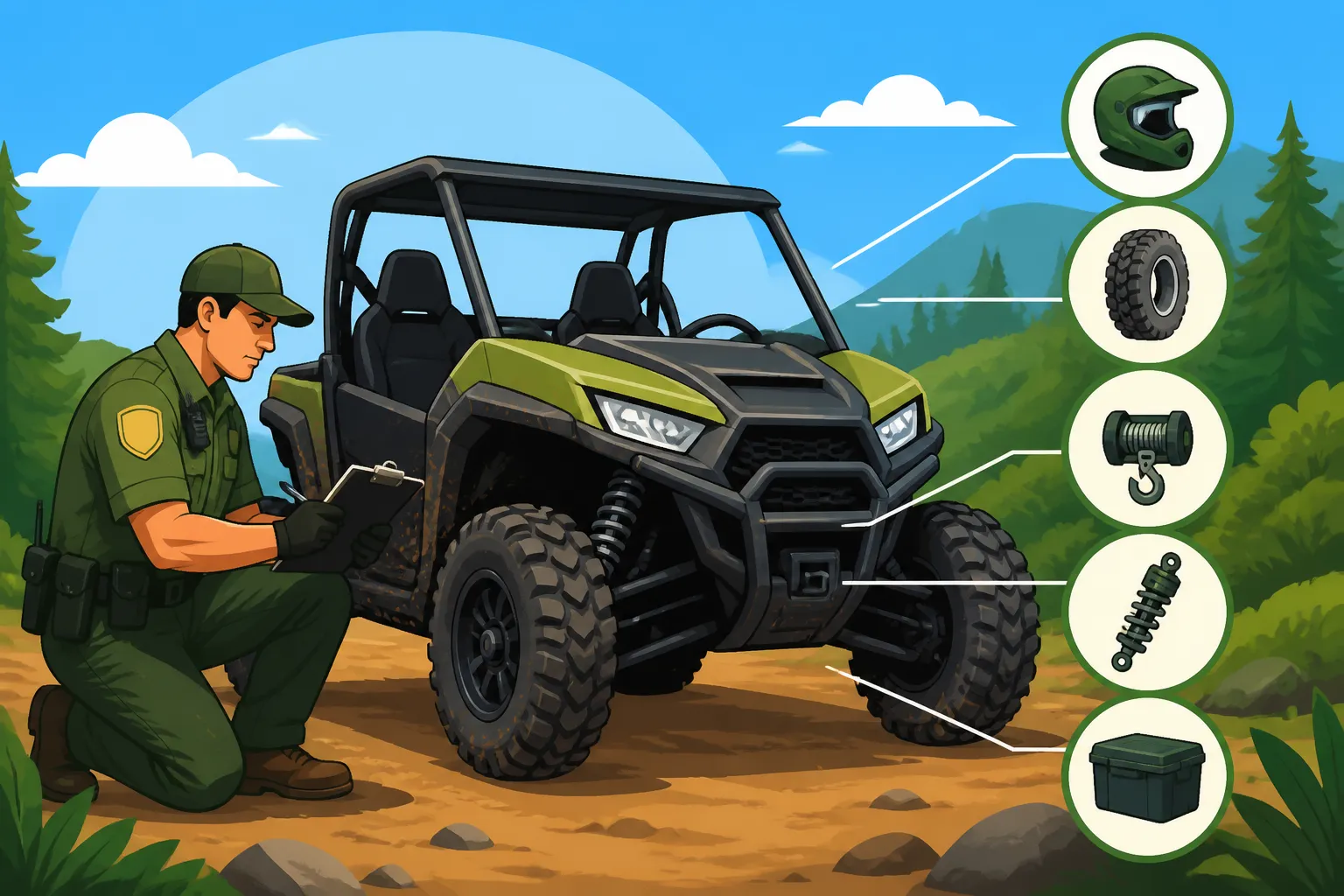
It's not just about the paperwork; your machine itself and the gear you're wearing also come under scrutiny. Rangers are looking for basic safety compliance and adherence to trail rules regarding machine modifications. These checks are designed to prevent damage to the trails, reduce noise pollution, and most importantly, protect you and your passengers from injury. Think of it as a pre-ride inspection, just performed by someone else.
Visible Plate and Sticker Placement
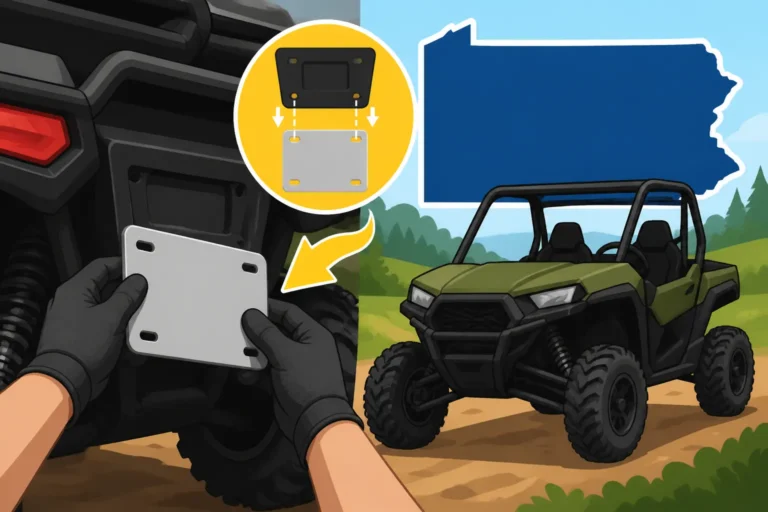
Your Pennsylvania ATV plate and registration sticker need to be clearly visible and properly mounted. The [Pennsylvania ATV Plates and Where They Mount] regulations specify that the plate must be securely attached to the rear of the machine, as close to the center as possible, and not obscured by mud, equipment, or modifications. It also needs to be readable from behind. The registration sticker, indicating your current registration period, should be affixed to the plate in the designated area. A ranger will quickly scan your machine for these visual cues. If your plate is missing, unreadable, or improperly mounted (such as [Mounting a Plate Away From the Tires]), you could face issues. Rangers often conduct [What a Ranger Checks Roadside] and this is one of the first things they'll spot.
Muffler, Spark Arrester, and Lighting Checks
The physical condition of your ATV or UTV also matters. Rangers will typically check that your machine has an effective muffler and a working spark arrester. The muffler is crucial for keeping noise levels down, preventing disturbance to wildlife and nearby residents. The spark arrester, a mesh screen in the exhaust, is a fire prevention device, absolutely vital in wooded areas to prevent hot carbon particles from igniting dry vegetation. [Pennsylvania Spark Arrester Requirement] is a serious rule. Additionally, if you plan on any night riding, or if visibility is low, your machine's lighting must be fully functional. This includes headlights and taillights. [Pennsylvania Lighting Requirements for ATVs] ensure you can see where you're going and, just as importantly, that other riders can see you.
Helmet and Eye Protection: Non-Negotiables
Your personal safety gear is just as important as your machine's condition. In Pennsylvania, all ATV and UTV operators and passengers under the age of 16 are required to wear a helmet. While riders 16 and older are generally not mandated to wear a helmet on private land, when riding on state-designated trails or roads, [Pennsylvania Helmet Law for ATV Riders] requires all riders, regardless of age, to wear an approved helmet. Eye protection is also highly recommended for everyone to shield against dust, debris, and insects. A ranger will often look to see if you and your group are properly geared up before you hit the trail. It's about protecting your most valuable asset: yourself.
Machine Width and Weight Limits (For State Trails)
Finally, for many state forest trails, there are specific limitations on the dimensions of your machine. Most DCNR trails have a [Pennsylvania's Class II Trail Width Limit] of 64 inches. Some trails also have a maximum weight limit, often around 1,800 pounds. Rangers are increasingly checking this, especially with the growing popularity of wider UTVs. If your side-by-side is wider than the allowed limit, it might not be permitted on certain trails, even if everything else is in order. It's always best to measure your machine before heading out to a new trail system. You don't want to get all the way to a trailhead like [Bloody Skillet From the Northern Terminus] only to find your machine is too wide to ride there.
| Document / Item | Purpose | Where to Find It | What a Ranger Checks |
|---|---|---|---|
| ATV Registration Card | Proof of legal ownership and registration with DCNR. Funds trail work. | Wallet or waterproof holder | Valid dates, VIN matching machine. |
| Registration Decal | Visual proof of current registration. | Affixed to license plate. | Proper placement, current year. |
| ATV Plate | Unique identifier for your machine. | Rear of ATV/UTV. | Visibility, secure mounting, cleanliness. |
| Proof of Insurance | Ensures liability coverage for accidents off private property. | Wallet or waterproof holder | Current policy, matching machine details. |
| Safety Certificate | Mandatory safety training for riders ages 8-15. | Wallet or waterproof holder | Rider's age, certificate validity. |
| Trail Permit | Required for specific state forest trail systems (e.g., Northcentral). | Wallet or waterproof holder | Valid for current season/year, specific trail system. |
| Helmet | Protects rider/passenger from head injury. | Worn on head. | Approved safety rating (DOT, Snell). |
| Eye Protection | Protects eyes from debris. | Worn over eyes. | Present and functional. |
| Muffler | Reduces engine noise. | Exhaust system. | Present, functional, not excessively loud. |
| Spark Arrester | Prevents wildfires from exhaust sparks. | Exhaust system. | Present, functional. |
| Machine Width | Adherence to trail restrictions (e.g., 64-inch limit). | Actual machine measurement. | Visual check, sometimes a physical measurement. |
What Happens If You're Missing Something
So, you've pulled into the staging area, excited to hit the trails, and a ranger approaches. You've gone through your mental checklist, but what if something isn't quite right? The consequences can range from a minor inconvenience to a significant disruption to your day, and potentially, your wallet. Rangers have discretion, but their primary duty is to enforce the law and ensure safety. It's far better to be prepared than to face the music.
On-the-Spot Corrections or Warnings
In some cases, especially for minor infractions or if you're genuinely close to compliance, a ranger might issue a warning or allow for an on-the-spot correction. For example, if your [Where the Sticker Goes on the Plate] is peeling off, they might just tell you to secure it better. Or, if a child's helmet strap isn't quite tight enough, they might guide you to fix it. These situations are more likely when the ranger perceives a genuine misunderstanding rather than a deliberate disregard for the rules. They might also provide educational materials or direct you to resources, like the DCNR website, to help you understand the requirements better. However, don't count on a warning for major issues like missing registration or insurance; those typically carry immediate penalties.
Fines and Citations: The Unpleasant Reality
For more serious violations, particularly those related to registration, insurance, or operating without a required safety certificate, a ranger will issue a citation. This is essentially a ticket, much like a traffic ticket, and it carries a fine. As mentioned, [Riding Unregistered Brings an Automatic $300 Fine] in Pennsylvania, and that doesn't even include the [Cost of Prosecution on Top of a Fine]. [Pennsylvania Fines for No ATV Insurance] can also be substantial. These fines can quickly add up, turning what was supposed to be a fun day into an expensive mistake. A citation means you'll either have to pay the fine or appear in court to contest it, which is a time-consuming and often costly process. It's a harsh reminder that the rules are there for a reason and that ignoring them has real consequences.
Being Turned Away From the Trailhead
Perhaps the most immediate and frustrating consequence of non-compliance is being turned away from the trailhead. If you don't have the proper registration for the trail system, or if your machine is too wide for the designated trails, the ranger has the authority to deny you access. This can be incredibly disappointing, especially if you've driven a long distance. Imagine [Getting to Whiskey Springs From Westport] or [Getting to Bloody Skillet From Snow Shoe], only to be told you can't ride. It means your entire trip is wasted, your fuel money is gone, and you're left packing up without ever hitting the dirt. Rangers are often polite but firm in these situations, as their job is to uphold the integrity of the trail system. They might suggest alternative riding locations where your machine or documentation might be compliant, but generally, if you're at a state trailhead and don't meet the requirements, you'll be sent home. This is why a thorough pre-trip check, including all your documents, is crucial for a stress-free day on the trails.
Disclaimer
This article is for general informational purposes only and does not constitute professional advice. Laws, prices and regulations vary by location and change over time. Consult a qualified professional for guidance on your specific situation.