Pennsylvania Designated ATV Road List
Navigating the labyrinth of rules for ATV and UTV use on public roads in Pennsylvania can feel like trying to find your way through a dense, unmapped forest. It's a common source of frustration and confusion for riders who just want to get from point A to point B safely and legally, without incurring a hefty fine. This guide is here to shed some light on the concept of "designated ATV roads" in Pennsylvania, helping you understand what they are, how to find them, and how to ride them responsibly.
Understanding Pennsylvania's Approach to ATV Road Use
Pennsylvania's stance on ATVs and UTVs on public roads is often a source of head-scratching for riders. Unlike some other states that might allow limited street-legal conversions or general road use, Pennsylvania maintains a very restrictive approach. For the most part, ATVs and UTVs are not permitted on state or local roads. This blanket restriction is in place for safety reasons, given the inherent design of these machines for off-road environments.
Why Roads Are Generally Closed to ATVs
The core reason you can't just hop on your quad and cruise down Main Street in most Pennsylvania towns boils down to how ATVs and UTVs are classified. They are considered "Class II" vehicles, specifically designed for off-highway recreational use. They lack many of the safety features, like sealed cabins, seatbelts, and specific lighting, turn signals, and braking systems, that are standard on vehicles designed for regular highway travel. The Pennsylvania Department of Conservation and Natural Resources (DCNR), which oversees ATV registration and state forest trails, has a clear mandate to manage these machines for recreational purposes, not as conventional road vehicles.
This distinction is crucial. It means that while you might feel perfectly capable of handling your machine on pavement, the law sees it differently. The goal is to prevent accidents involving these vehicles in traffic scenarios they weren't built for. It’s not just about the vehicle itself; it’s about the interactions with cars, trucks, and other road users who aren't expecting an ATV. This often leads to riders asking, [Are ATVs Street Legal in Pennsylvania?]. The short answer, outside of specific designated circumstances, is generally no.
The Exception: Designated ATV Roads
However, there's a significant exception to this rule: designated ATV roads. These are specific sections of roads, typically local township roads or sometimes parts of state forest roads, that have been officially opened for ATV and UTV use. These aren't just random stretches of pavement; they've undergone a formal process to allow off-highway vehicle traffic. The designation is usually driven by a need to connect trail systems, provide access to trailheads, or allow local riders limited access within their community. Think of them as critical arteries linking the trail network, rather than a free-for-all on all roads. These designated roads are the only places where you might find yourself legally riding on a paved or gravel surface that isn't part of a dedicated trail system. Understanding these specific allowances is key to avoiding [Pennsylvania Fines for Riding Illegally].
How a Road Becomes "Designated" for ATV Use
The process for designating an ATV road in Pennsylvania is quite specific and doesn't happen overnight or by individual whim. It requires official action by the governing body responsible for that particular road.
Who Makes the Decision
For local roads, like those in townships or boroughs, the decision rests with the local municipal government – usually the Board of Supervisors or the Borough Council. They have the authority to [How a Pennsylvania Township Designates a Road]. This often involves public meetings, discussions about safety, local impact, and the potential benefits to the community or riders. It's a localized process, which is why what might be allowed in one township could be strictly prohibited in an adjacent one.
For state forest roads, the DCNR is the authority. They assess various factors, including environmental impact, existing recreational uses, and the overall management plan for the state forest. These designations are typically made to connect existing ATV trails or provide access to staging areas. You won't find PennDOT, the state's Department of Transportation, involved in designating ATV roads, as their focus is on highway vehicles. You might be interested in [Why PennDOT Does Not Register Pennsylvania ATVs] for more on their role.
What the "Designation" Entails
When a road is designated for ATV use, it means that, for that specific stretch of road, the general prohibition on ATVs is lifted. However, this doesn't mean all rules go out the window. Riders are still expected to follow all applicable laws regarding registration, insurance, and safe operation. Designated roads are often subject to specific speed limits for ATVs, hours of operation, and other local ordinances that dictate how and when you can ride.
It's also important to understand that a "designated road" is often a "joint-use road." This means it's shared with other traffic – cars, trucks, bicycles, and pedestrians. This sharing requires extra vigilance and caution from ATV and UTV riders. Accessories that enhance visibility, such as additional lighting or mirrors from companies like SuperATV, can be particularly helpful in these shared environments, ensuring you're seen by other road users. Being aware of these rules helps you understand [Pennsylvania Joint-Use Road Rules] better.
Finding and Interpreting Pennsylvania's Designated ATV Road Lists
So, once a road is designated, how do riders actually find out about it? This is where the informational aspect becomes crucial. There isn't a single, statewide, real-time map that updates automatically with every new designation.
Where to Look for Information
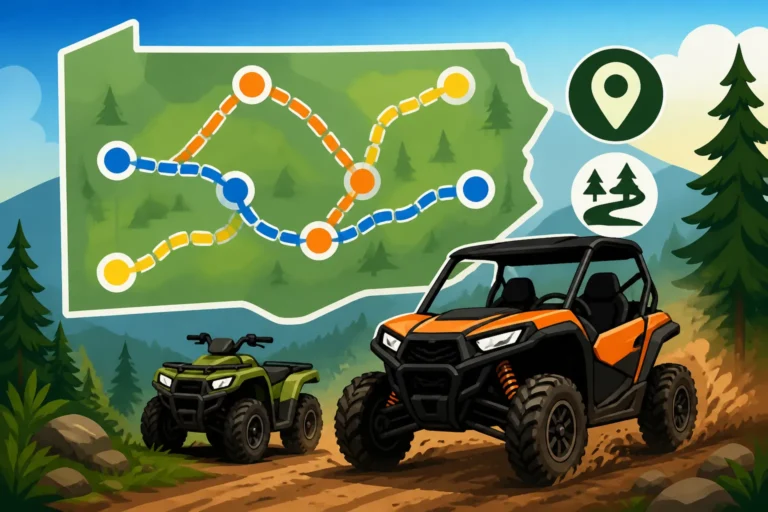
The primary source for information on designated ATV roads within state forest lands will be the DCNR website. They often publish maps of state forest ATV trail systems, and these maps will clearly indicate any designated forest roads that are open for ATV use as part of the trail network. For local roads, the best resource is often the individual township or borough's municipal office or website. They may publish ordinances or maps indicating which roads, or portions thereof, are open to ATVs.
Local ATV clubs are also invaluable resources. These clubs are often deeply involved in advocating for and maintaining ATV access, and their members usually have the most up-to-date, hyper-local knowledge about designated roads in their area. Before you plan a ride that involves any road sections, it's wise to check with these local sources.
Here's a quick reference for sources of information:
| Road Type | Primary Information Source | What to Look For |
|---|---|---|
| State Forest | DCNR Website (Snowmobile/ATV Section) | Official DCNR ATV Trail Maps, specific road designations. |
| Township/Borough | Municipal Office/Website | Local ordinances, specific road lists, meeting minutes. |
| Local Clubs | Club Websites, Social Media, Events | Community knowledge, rider-submitted maps, club-organized rides. |
Recognizing Designated Roads: The Green Sign
One of the most identifiable markers of a designated ATV road, particularly on township roads, is the "green sign." You've probably seen these. These signs are officially posted by the municipality or DCNR and clearly indicate that the road is open to ATV traffic. [What the Green Sign on a Pennsylvania Township Road Means] is that you're on a legal route. Without this specific signage, you should always assume a road is closed to ATV traffic. Never rely on unofficial word-of-mouth or assume that because others are riding on a road, it's legal. A DCNR ranger or local police officer will only recognize the official signs.
It's also essential to be aware of the exact boundaries. A road might be designated for a specific stretch, but then it could revert to being a non-designated road. Pay close attention to signage at intersections and where the designation might begin or end. Some roads might be open only to connect two trails, for instance.
Navigating Designated Roads: Rules and Best Practices
Riding on a designated ATV road isn't just about knowing it's legal; it's about doing so safely, respectfully, and in compliance with all relevant regulations.
Key Rules for Road Riding
When you're on a designated ATV road, remember that you're sharing the space with other vehicles, pedestrians, and cyclists. This means:
- Speed Limits: Obey all posted speed limits, which are often lower for ATVs on these roads. Even if no specific ATV speed limit is posted, the general road speed limit applies, and it's wise to ride well below it for safety.
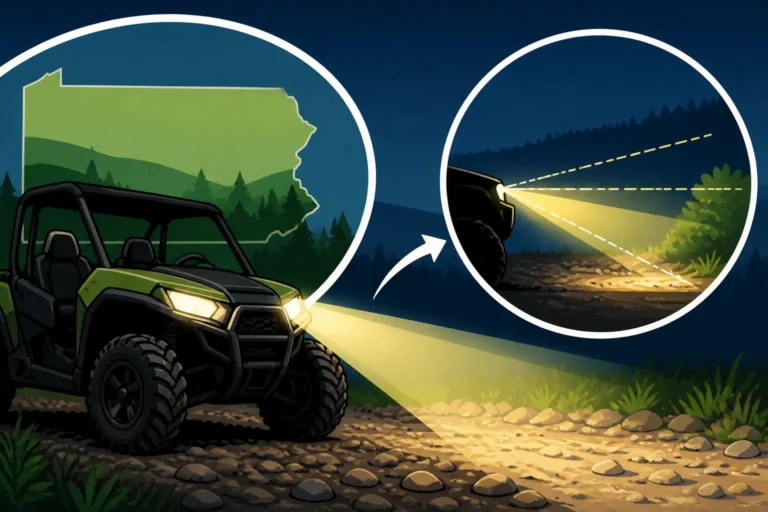
- Lights and Visibility: Your ATV or UTV must have functioning headlights and taillights, especially if you're riding at dawn, dusk, or night. Many riders enhance their machines with brighter LED lights or additional marker lights for better visibility on roads. Companies like SuperATV offer robust lighting solutions that can make a big difference in being seen. Remember, [Pennsylvania Lighting Rules for Road Use] are crucial.
- Helmets: The [Pennsylvania Helmet Law for ATV Riders] requires all riders under 16 to wear a helmet. However, for your safety, and often for insurance purposes, it's highly recommended that all riders, regardless of age, wear a DOT-approved helmet when riding on any public land, including designated roads.
- Insurance: You are required to carry liability insurance for your ATV or UTV when riding off your own private property, and this absolutely includes designated roads. Make sure your insurance card is with you. For more, see [Pennsylvania ATV Insurance Requirements].
- Registration: Your machine must be properly registered with the DCNR, and you must display your [Pennsylvania ATV Plates and Where They Mount]. Riding without proper registration can lead to significant fines.
- Signage: Always follow any specific signage related to ATV use on that road, which might include specific hours of operation or seasonal closures.
Best Practices for Sharing the Road
Riding on designated roads requires a different mindset than purely off-road trail riding. Here are some best practices:
- Be Predictable: Use hand signals or turn signals (if equipped) to indicate turns. Maintain a steady speed and direction. Avoid sudden maneuvers.
- Stay to the Right: Keep as far right as safely possible, especially on blind curves or hills, to allow room for oncoming traffic.
- Yield to Others: Always yield to conventional vehicle traffic, pedestrians, and cyclists. They often have the right of way, and it’s simply good etiquette.
- Control Dust: If you're on a gravel designated road, be mindful of dust, especially when passing houses or other road users. Slow down to minimize the impact.
- No Reckless Riding: Designated roads are not places for wheelies, high-speed passes, or aggressive maneuvers. Save that for the trails. Any activity that puts other road users at risk can result in fines or even suspension of your riding privileges.
- Dress for Visibility: Consider wearing bright-colored gear, even during the day, to increase your visibility to other motorists.
By understanding how designated ATV roads work, where to find information, and how to ride them safely, you can greatly enhance your ATV or UTV experience in Pennsylvania, connecting those fantastic trails without running afoul of the law. Always consult the most current information from official sources like DCNR and local municipal offices before heading out.
Disclaimer
This article is for general informational purposes only and does not constitute professional advice. Laws, prices and regulations vary by location and change over time. Consult a qualified professional for guidance on your specific situation.