Pennsylvania Rules for Riding a Bridge
One of the most common questions and biggest sources of frustration for ATV and UTV riders in Pennsylvania revolves around where they can legally ride. It feels like every road, every shortcut, every connector path has a different rule, and bridges are a particular point of confusion. You see them, they look like a natural part of a route, but how do you know if you're allowed to cross? This guide is here to untangle the complexities of riding a bridge on your ATV or UTV in Pennsylvania, giving you a clear understanding of the rules and how to stay on the right side of the law.
Understanding Pennsylvania's General ATV Road Rules
Before we dive specifically into bridges, it's essential to grasp the fundamental principle of ATV and UTV use on public roads in Pennsylvania. It's not like registering a car; your quad isn't automatically street legal just because it has a plate. The default position of the law is that ATVs are not permitted on public roads unless that specific road has been explicitly designated for ATV use. This can be a tough pill to swallow for riders who just want to connect trails or get to a gas station.
Why Most Roads (and Bridges) Are Closed by Default
Pennsylvania's laws are designed to keep off-highway vehicles (OHVs), which include ATVs and UTVs, separate from highway vehicles for safety and infrastructure reasons. The thinking is that ATVs are built for rugged terrain, not asphalt, and don't always have the same safety features or road manners as cars. This default closure extends to almost all roads and, by extension, the bridges that carry those roads. So, when you look at an average bridge in a rural area, assume it's closed to your ATV unless you have clear evidence to the contrary. It's a "guilty until proven innocent" situation in the eyes of the law. You cannot simply ride on a road, or over a bridge, just because it looks like a quiet country lane. The burden of proof is on you, the rider, to confirm legality.
Designated ATV Roads and Joint-Use Roads
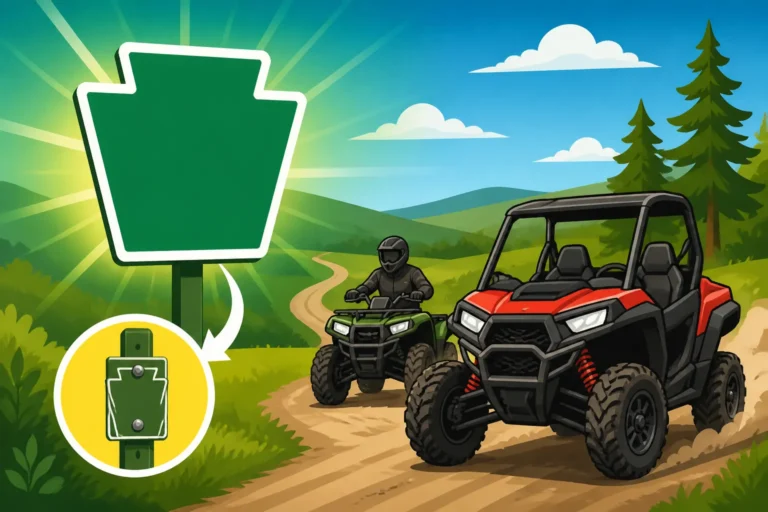
The good news is that there are exceptions to this general prohibition. Pennsylvania does have a system for opening certain roads to ATV and UTV traffic. These fall mainly into two categories: designated ATV roads and joint-use roads. Designated ATV roads are typically found within state forests or are short segments specifically opened to connect trails. They are clearly marked with distinctive green signs that often include the ATV symbol. [What the Green Sign on a Township Road Means] is a critical piece of information for any rider.
Joint-use roads are a bit different. These are usually township or borough roads where the local municipality has passed an ordinance explicitly opening them to ATVs. On these roads, you're sharing the pavement with regular vehicles, so extra caution and adherence to all traffic laws are paramount. When riding on these roads, you'll want to be sure your machine is visible, perhaps with upgraded LED lighting, something a brand like SuperATV offers for enhanced safety. It’s important to remember that these designations apply to the entire road segment, including any bridges that are part of that segment. If the road is open, the bridge on that road is typically open too, but always be on the lookout for specific signage that might contradict this.
Specific Considerations for Riding a Bridge on an ATV in Pennsylvania
Now that we understand the general road rules, let's zero in on bridges. The key here is context: where is the bridge located? Is it part of a state trail, a local road, or a major highway? Each scenario has its own set of rules.
Crossing Bridges on Designated ATV Trails or Connectors
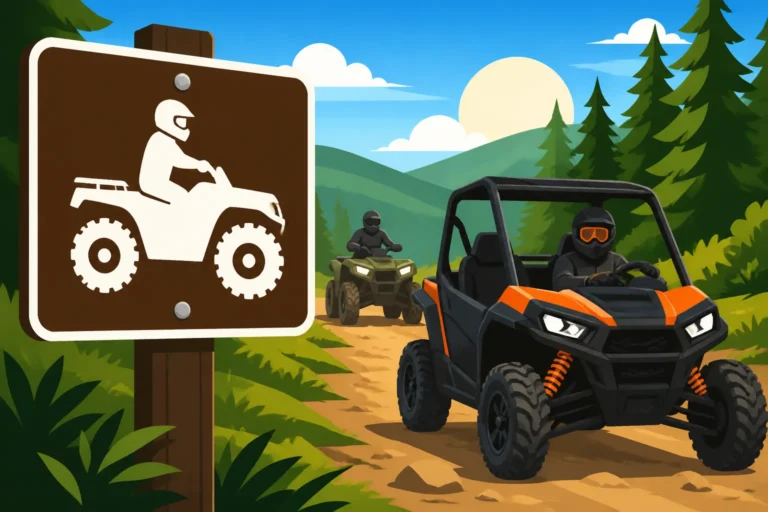
This is generally the most straightforward scenario. If you're on a clearly marked, official Pennsylvania ATV trail, and that trail crosses a bridge, you are almost certainly allowed to use that bridge. These bridges are an integral part of the approved trail system. Think of the bridges you encounter while riding in Sproul State Forest or on parts of the Bloody Skillet trail system; they are designed and maintained for ATV use. [Where to Ride an ATV in Pennsylvania] will lead you to many such trail systems.
These bridges are often engineered to withstand the weight and wear of off-road vehicles. They might be rustic timber bridges or more robust steel structures. The important thing is that they are on the trail. As long as you stay on the designated path, you should have no issues crossing these structures. Always follow posted speed limits and safety guidelines, especially on wooden structures that might be slippery when wet.
Crossing Bridges on Joint-Use Roads or Designated Township Roads
As discussed, some township and borough roads are opened to ATVs through local ordinances. If a bridge is located on one of these officially designated joint-use roads, then you are generally permitted to cross it. The bridge becomes an extension of the legal road segment. You’ll typically find these roads marked with the distinctive green signs, sometimes accompanied by smaller local signs indicating ATV use. [Pennsylvania's Designated ATV Roads] are vital to learn about.
However, a crucial point here is the jurisdiction of the road. A township might open its local roads, but that authority usually doesn't extend to state routes or county-owned bridges that happen to pass through their township. You need to be certain that the bridge in question falls under the same jurisdiction as the designated road. Look for signs, and if in doubt, it’s always best to err on the side of caution. If a township road leads up to a bridge that is actually part of a state highway system, you likely cannot cross that bridge.
Bridges on State Routes or Major Highways: A Firm No
This is where many riders get into trouble. With very few, highly specific exceptions (like a designated ATV trail crossing under a highway bridge, or a very rare designated crossing point), ATVs and UTVs are strictly prohibited from operating on state routes, state highways, and the bridges that carry them. These roads are managed by PennDOT, not DCNR or local townships, and their regulations for OHVs are extremely restrictive. [Crossing a Highway on an ATV in Pennsylvania] covers this in detail.
Even if a bridge looks quiet and out of the way, if it’s part of a numbered state route (like SR 144 or SR 120), assume it's off-limits. There are often fines and penalties associated with riding illegally, and these can be substantial. [Pennsylvania Fines for Riding Illegally] can be a harsh lesson. You simply cannot use these structures as shortcuts or connectors, no matter how tempting it might be. Stick to the officially designated trails and roads to avoid legal issues.
Safety and Legal Compliance When Crossing Any Bridge
Beyond just knowing if you can ride a bridge, it’s equally important to know how to do it safely and compliantly. Bridges, by their nature, present unique riding challenges, and being prepared is key.
Checking Posted Signs and Local Ordinances
The most reliable way to determine if a bridge is legal to cross is to look for official signage.
- Green ATV Signs: As mentioned, these are your best friend. If you see them leading onto and off a bridge, you're likely good to go.
- "No ATV" Signs: Conversely, if you see signs explicitly prohibiting ATVs, heed them immediately. These might be present even on roads that seem otherwise suitable.
- Local Ordinances: For township or borough roads, the definitive answer lies in their local ordinances. Some municipalities publish lists of open and closed roads, like [Windber Borough's Published Closed Roads]. Checking these resources beforehand can save you a lot of grief. Unfortunately, you can't rely on the absence of a "No ATV" sign as proof of legality. The default is no, unless there is a yes sign.
Here’s a quick guide to bridge types and typical legality:
| Bridge Type | Typical Legality for ATVs in PA | Key Indicator(s) |
|---|---|---|
| On Designated ATV Trail | Generally Permitted | Part of marked DCNR trail system |
| On Joint-Use/Designated Township Road | Permitted if bridge is part of the designated road | Green ATV signs, local ordinance confirmation |
| On State Route/Major Highway | Generally Prohibited | Numbered state route, PennDOT jurisdiction |
| Private Bridge (with permission) | Permitted with landowner's explicit written consent | Owner permission, no public access issues |
| Unknown/Unmarked Bridge | Assume Prohibited | Absence of clear "Open" signs |
Safe Riding Practices on Bridge Crossings
Even on legal bridges, safety is paramount. Bridges can be tricky due to their surface, potential for narrowness, and sometimes adverse conditions.
- Surface Awareness: Bridge decks can be metal grating, concrete, asphalt, or wood. Each presents different traction challenges. Metal grates can grab tires or become extremely slippery when wet. Wooden planks can be slick with moss or ice. Adjust your speed and riding style accordingly. Using tires with aggressive tread patterns, like those available from SuperATV, can help with traction on varying surfaces.
- Reduced Speed: Always slow down when approaching and crossing a bridge. This gives you more time to react to surface changes or unexpected obstacles.
- Stay in Your Lane (if applicable): On joint-use road bridges, stay to the right and be mindful of any oncoming traffic. Remember, you're sharing the road.
- Awareness of Obstacles: Watch for potholes, debris, or structural issues, especially on older or less-maintained bridges on trails.
- Bridge Rails/Edges: Be extremely careful near bridge railings or edges, especially on narrow bridges. A momentary lapse of concentration can have severe consequences. Avoid riding too close to the edge.
Consequences of Illegally Riding a Bridge in Pennsylvania
Riding an ATV or UTV illegally on any road or bridge in Pennsylvania comes with serious repercussions. It's not just a minor slap on the wrist; the state takes these violations seriously for safety and environmental reasons.
Fines and Penalties for Illegal Road Use
Operating an ATV or UTV on a non-designated public road or bridge is a violation of Pennsylvania's ATV laws. The base fine for operating an unregistered or illegally operated ATV on public roads can be significant. [Pennsylvania Fines for an Unregistered ATV] are just one example of the costs involved, but illegal road use carries its own set of penalties, which typically start in the hundreds of dollars.
Beyond the initial fine, you may also be assessed court costs and other fees, which can quickly add up. Law enforcement, including DCNR rangers and state police, actively patrols areas known for illegal riding. Getting caught can ruin your day and lighten your wallet considerably.
The Impact on Your Riding Privileges and Insurance
Repeated offenses for illegal ATV operation could potentially impact your ability to register an ATV in the future, or even lead to confiscation of your machine in extreme cases. While an ATV citation typically doesn't directly hit your driving record, it's still a legal infraction that goes on your record.
Perhaps even more critical is the impact on your insurance. If you have an accident while illegally riding your ATV on a prohibited road or bridge, your insurance policy may refuse to cover damages or injuries. Most ATV insurance policies are designed to cover off-road use or use on legal designated trails and roads. Operating outside these parameters could void your coverage, leaving you personally responsible for potentially massive medical bills, property damage, and legal fees. [Pennsylvania ATV Insurance Requirements] exist for a reason. Always verify your coverage and understand its limitations to avoid such a nightmare scenario.
Staying informed about Pennsylvania's specific rules for ATV and UTV operation on roads and bridges is not just about avoiding fines; it's about ensuring your safety and protecting your investment. By sticking to designated trails and legally open roads, you can enjoy the vast and beautiful riding opportunities Pennsylvania has to offer without unnecessary worry.
Disclaimer
This article is for general informational purposes only and does not constitute professional advice. Laws, prices and regulations vary by location and change over time. Consult a qualified professional for guidance on your specific situation.