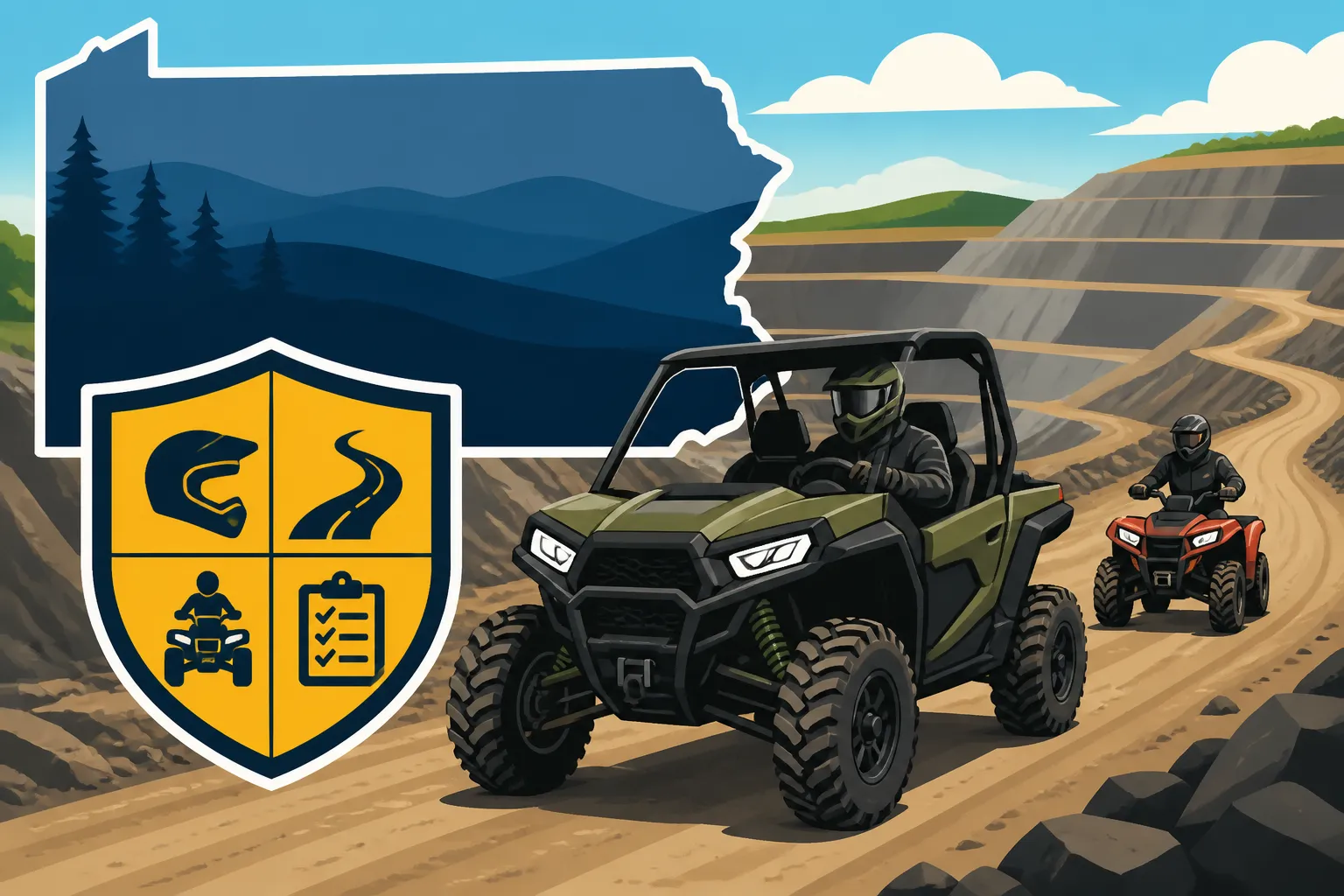
Pennsylvania Rules for Riding a Strip Mine Road
Riding an ATV or UTV across the moonscape of an old Pennsylvania strip mine road can seem like the ultimate adventure – wide-open spaces, challenging terrain, and a feeling of unbridled freedom. But here's the honest truth: what looks like an abandoned playground is almost always private property, and riding without explicit permission can lead to serious trouble. This guide will cut through the myths and give you the clear, actionable rules for legally and safely navigating Pennsylvania's unique strip mine roads.
Understanding Strip Mine Roads and Legal Access in Pennsylvania
Before you even think about airing down your tires and hitting the throttle, it’s crucial to understand what strip mine roads are, why they exist, and most importantly, who actually owns them. The wild, untamed appearance can be incredibly deceptive, leading many riders astray.
The Nature of Strip Mine Roads
Strip mine roads are, as the name suggests, remnants of former surface mining operations. These areas, once industrial landscapes, are now often characterized by their dramatic, often stark, beauty. You'll find vast expanses of shale and rock, deep ravines that were once pits, and elevated benches where overburden was pushed aside. The terrain is frequently unmaintained, which means it can be incredibly challenging – think rocky climbs, unpredictable drops, and deep mud holes that seem to appear out of nowhere. For many off-road enthusiasts, this kind of raw, unfiltered riding is a huge draw. It’s a place where you can truly test your machine and your skills against the elements.
However, this very nature also presents significant risks. Unlike purpose-built ATV trails, these roads were never designed for recreational use. They might be crisscrossed with old, unstable haul roads, dotted with hidden industrial debris like rebar or discarded piping, or feature unexpected changes in elevation that could lead to rollovers. The appeal of their wildness often overshadows the inherent dangers and the strict legalities surrounding access.
Who Owns These Roads? The Private Property Conundrum
This is the absolute cornerstone of riding strip mine roads in Pennsylvania: they are almost universally private property. This isn't like a state forest trail or a joint-use township road where the government explicitly permits ATV use. Instead, these lands belong to individuals, corporations, or sometimes even land trusts who may have acquired them after mining operations ceased. The concept of "abandoned" land can be misleading; while the mining might be over, the ownership certainly isn't.
The implication of private ownership is profound: without express permission from the landowner, you are trespassing. It's that simple. Many riders mistakenly believe that if an area isn't actively posted with "No Trespassing" signs, or if they see others riding there, it's implicitly open to the public. This couldn't be further from the truth. In Pennsylvania, land is considered private unless it is explicitly designated for public use, and signs are merely a courtesy, not a legal requirement for land to be private. Understanding this distinction is vital for avoiding fines, legal trouble, and even potential machine impoundment. You wouldn't drive your ATV across someone's backyard without asking, and strip mine roads should be viewed no differently, regardless of their wild appearance.
Securing Permission: The Only Legal Way to Ride
Given that strip mine roads are almost exclusively private property, the only legal way to ride them is by obtaining explicit permission from the landowner. This isn't a suggestion; it's a legal imperative. Skipping this step can have severe consequences, far beyond just getting a stern talking-to.
Obtaining Landowner Permission
Let's be clear: a handshake or a vague nod from someone you think might be the landowner simply isn't enough when it comes to riding private property in Pennsylvania. You need written permission. This protects both you and the landowner by clearly outlining the terms of your access. The risks of relying on implied permission, or the common sentiment that "everyone rides here," are immense. You could be charged with trespassing, have your ATV seized, and face significant fines. Even worse, if you or someone in your group gets injured, or if you cause any damage to the property, you could be held civilly liable, leading to costly lawsuits.
So, how do you get proper permission? The first step is to identify the actual landowner. This might involve checking county tax records, which are often publicly accessible online or at the county courthouse. Once identified, a formal, written request is the best approach. This request should clearly state who you are, what you intend to do (ride ATVs/UTVs), when you plan to be there, and what specific areas you wish to access. It's often helpful to include a brief explanation of how you plan to ride responsibly and minimize your impact. Landowners often have valid concerns about liability, so addressing this upfront can be beneficial. Some might ask you to sign a liability waiver, which is a reasonable request. A proper permission agreement should specify dates, times, and the exact boundaries of the areas you are permitted to ride. Remember, getting a "no" is always better than getting a trespass citation. For more detailed information on this, check out [Pennsylvania Landowner Permission Rules].
Riding with Clubs or Organized Events
For many riders, the most practical and common way to legally access strip mine areas is through organized clubs or events. Numerous ATV and UTV clubs in Pennsylvania have established agreements, leases, or outright ownership of former mining lands. These clubs act as intermediaries, securing the necessary permissions and managing the land for recreational use. When you join such a club, your membership often grants you legal access to their designated riding areas, which frequently include vast tracts of reclaimed strip mine land.
These organized venues come with several advantages. Firstly, the legality of your ride is established; you're not guessing about permission. Secondly, these areas often have some level of management, even if it's just basic signage or designated parking. Third, clubs frequently organize events like poker runs, weekend rallies, or cleanup days, which provide a structured and social way to enjoy the terrain. Many clubs also require riders to carry appropriate insurance and adhere to specific safety rules, fostering a more responsible riding environment. If you're looking for consistent, legal access to this type of challenging terrain, finding a reputable ATV club in Pennsylvania with access to strip mine properties is often your best bet. Keep an eye out for events or club rides on specific dates, as these are often the easiest ways to experience these unique landscapes legally. You can learn more about this by reading [Pennsylvania Rules for a Group Ride] or [Pennsylvania Rules for Riding a Club Trail].
Safety Considerations and Responsible Riding on Strip Mine Roads
Even with permission in hand, riding on strip mine roads demands a heightened awareness of safety and a commitment to responsible practices. These are not manicured trails; they are wild, unpredictable, and can be unforgiving.
Unique Hazards of Strip Mine Terrain
The very features that make strip mine roads exciting also make them inherently dangerous. The ground is often unstable, with loose shale, sharp rocks, and hidden soft spots that can swallow a tire. You'll encounter steep inclines and declines that can be far more extreme than anything found on a managed trail, often with little warning or traction. Water-filled pits, remnants of old mining operations, can be deceptively deep and contain submerged debris. Imagine dropping your front end into a water crossing only to discover a submerged steel beam or concrete block. These areas also lack the regular maintenance that designated trails receive. Trees might fall and remain across paths, erosion can create massive washouts, and unexpected sinkholes can form.
Furthermore, if you're riding in an area that might still have active, albeit limited, industrial operations, you could encounter heavy machinery. Always be aware of your surroundings, listen for sounds of equipment, and look for signs of ongoing work. Finally, consider the environmental impact. These lands are often in various stages of reclamation. Riding off established paths or through sensitive vegetation can hinder ecological recovery. Stick to existing roads and trails, avoid creating new ones, and always pack out everything you pack in.
Essential Gear and Machine Preparedness
Riding strip mine roads isn't the time to skimp on gear or maintenance. Beyond your standard helmet, eye protection, gloves, and sturdy boots, you need to think about what the terrain will throw at you.
Here's a breakdown of what you should consider:
| Item | Why It's Crucial for Strip Mine Riding |
|---|---|
| Heavy-Duty Tires | Sharp rocks and debris can quickly puncture standard tires. Consider 8-ply or higher. |
| Skid Plates | Essential for protecting your ATV/UTV's undercarriage from sharp rocks and impacts. |
| Winch & Recovery Gear | Mud, steep climbs, and unpredictable terrain make getting stuck almost inevitable. |
| Full-Size Spare Tire | If riding a UTV, a full-size spare is a game-changer. Patch kits for ATVs. |
| Communication Device | Cell service is often spotty. A satellite messenger or two-way radio is vital. |
| First-Aid Kit | Comprehensive kit for injuries, as help might be far away. |
| Navigation (GPS) | Strip mine areas can be disorienting with no clear landmarks. |
| Tools & Repair Kit | Basic hand tools, tire repair kit, zip ties, duct tape. |
| Extra Fuel/Water | Distances can be greater, and facilities non-existent. |
| Tow Strap/Rope | For assisting others or being assisted out of a bind. |
When it comes to your machine, think about reinforcement. Brands like SuperATV offer a range of products specifically designed to beef up your ATV or UTV for extreme conditions. Heavy-duty A-arms, robust tie rods, and reinforced suspension components can stand up to the brutal impacts and twists that strip mine terrain delivers. Investing in quality protective accessories like rock sliders and brush guards is also a smart move. Always ride with at least one other person – the buddy system is non-negotiable in such remote and challenging environments. Make sure someone not on the ride knows your planned route and expected return time. This extra layer of preparedness can literally be a lifesaver.
Legal Ramifications of Unauthorized Riding
Let's not sugarcoat it: riding on private strip mine roads without permission is illegal, and the consequences can be severe. It's not just a slap on the wrist; it can lead to financial penalties, legal headaches, and the potential loss of your machine. This is why knowing and respecting [Pennsylvania Trespass Rules for Riders] is so important.
Trespassing and Associated Fines
In Pennsylvania, trespassing on private property is a serious offense. While specific charges can vary depending on the circumstances, such as whether the land was clearly posted or if damage was caused, you can expect fines. These aren't just minor tickets; they can range from hundreds to thousands of dollars, often accompanied by court costs and administrative fees. If you're caught riding an unregistered ATV on top of trespassing, you could face additional fines under [Pennsylvania Fines for an Unregistered ATV] or [Pennsylvania ATV Registration Fines], potentially leading to an automatic $300 fine even before the trespassing charge is considered.
Beyond financial penalties, there's the very real risk of your ATV or UTV being impounded. Law enforcement, fed up with repeat offenders and the damage caused by unauthorized riders, has the authority to seize machines. Getting your machine back can be a lengthy, expensive, and frustrating process, often involving impoundment fees, legal fees, and proof of ownership and registration. Furthermore, if your unauthorized riding leads to any damage to the private property – whether it's tearing up a reclaimed area, damaging a gate, or disturbing sensitive habitat – the landowner can pursue civil charges against you for damages, adding another layer of legal and financial burden. It's a risk simply not worth taking when legitimate options exist.
Environmental Violations and Other Charges
The legal fallout from unauthorized riding can extend beyond simple trespassing. Many strip mine areas, even if inactive, are undergoing environmental reclamation. These efforts are often subject to strict state and federal environmental regulations. Riding an ATV or UTV through newly planted areas, wetlands, or sensitive habitats can disrupt these efforts and lead to additional charges for environmental damage. This could include fines for disturbing protected species or polluting waterways if, for example, your machine leaks fluids.
Additionally, if you are caught riding near active mining operations, you could face charges related to violating industrial safety zones, which carry even stiffer penalties due to the inherent dangers. There's also the possibility of charges for littering if you leave trash behind, or even vandalism if you damage any structures or equipment. The bottom line is that these lands, despite their rugged appearance, are not free-for-all zones. Disregarding posted signage – which might indicate active operations, reclamation areas, or simply private property – is a direct invitation for legal trouble. Always seek proper permission, stay on designated paths if permission is granted, and be a responsible steward of the land. It protects you, your machine, and the environment.
Disclaimer
This article is for general informational purposes only and does not constitute professional advice. Laws, prices and regulations vary by location and change over time. Consult a qualified professional for guidance on your specific situation.