Riding Two-Mile Road to the Trailhead
Figuring out the exact, legal way to get your ATV or UTV from point A to point B in Pennsylvania, especially when "point B" is a beloved trailhead, can feel like navigating a maze designed by a particularly mischievous cartographer. It’s not always about finding the shortest distance, but the right distance, the one that keeps you legal and safe. If you've been eyeing Two-Mile Road as your access point to some fantastic riding, you're in the right place. This guide will walk you through everything you need to know to safely and legally use Two-Mile Road to get to the trailhead.
What Exactly Is Two-Mile Road?
Two-Mile Road isn't just any old stretch of pavement or gravel; it's a critical artery for many riders looking to tap into Pennsylvania's vast trail systems. But like any road with a specific purpose for ATV and UTV enthusiasts, it comes with its own set of characteristics and rules that are vital to understand before you roll your machine onto it.
Location and Significance
For many riders, Two-Mile Road acts as a crucial connector, often linking the small, quiet communities nestled in the Susquehannock State Forest area to the extensive ATV trails that lie beyond. You'll often find it mentioned in discussions about accessing the Northern Terminus of the Bloody Skillet ATV Trail system, especially if you're coming from the Snow Shoe area or even further east. It's not a trail in itself, but rather a bridge – literally and figuratively – to the adventure that awaits on dedicated off-road paths. Imagine you've trailered your rig for hours, eager to hit the dirt, and then you're faced with a handful of last-mile options. Two-Mile Road often presents itself as the most direct and logical approach, but that doesn't automatically mean it's open to all vehicles all the time. Understanding its precise location and its strategic importance as an access route can help you plan your journey effectively, avoiding frustrating detours or, worse, illegal maneuvers.
Road Surface and Conditions
The character of Two-Mile Road can change dramatically depending on where you are on it and, crucially, the time of year. Parts of it might be well-maintained gravel, sturdy enough for any truck and trailer combo, while other sections could devolve into a packed dirt path that's more akin to a forest road. During the dry summer months, you might encounter dusty conditions, where visibility can become a real concern, especially if you're following other vehicles. Come spring, after the snowmelt and with a few good rain showers, those dirt sections can turn into a muddy slog, creating ruts and making traction a challenge. Conversely, in the winter, if it's open to ATV traffic, you might be navigating snow and ice, which brings its own set of demands on your machine and your riding skills. Always expect the unexpected with rural Pennsylvania roads. A road that was smooth last month might be riddled with potholes or washouts today. Checking local conditions before you head out is always a smart move.
Who Owns and Manages It?
This is often the most critical question when it comes to riding any road that isn't a dedicated trail. The ownership and management of Two-Mile Road dictate the rules that apply to it. Is it a state forest road managed by the Department of Conservation and Natural Resources (DCNR)? Is it a township road under local municipal control? Or perhaps it's a private road, where access is strictly prohibited without explicit permission? Each scenario comes with a different set of regulations regarding ATV and UTV use. For instance, DCNR-managed roads often have very clear guidelines about when and where ATVs are permitted, usually aligning with specific ATV trail seasons. Township roads might require local ordinances to be passed to allow ATV access, and these can vary wildly from one township to the next. Knowing who maintains the road is your first step in determining if it's legally open for your machine. Don't assume; verify. A quick call to the local DCNR office or the township office can save you a lot of headache, and a potential fine.
Legalities of Riding Two-Mile Road
Riding an ATV or UTV on any public road in Pennsylvania, even one that seems like a natural connector to a trail system, is not something to take lightly. The rules are specific, often misunderstood, and penalties for non-compliance can be stiff. Two-Mile Road, if it's indeed designated for ATV/UTV access, operates under a specific set of guidelines that you must adhere to.
Designated Joint-Use Road Status
The key term you'll hear for roads like Two-Mile Road, if they permit ATV/UTV access, is "designated joint-use road." This means the road has been officially recognized and posted by the managing authority (usually DCNR or a local municipality) as open for both conventional vehicle traffic and ATVs/UTVs. You won't just find these roads through word-of-mouth; they should be clearly marked with specific green signs that indicate ATV/UTV use is permitted. These signs are your official go-ahead. Without them, even if you see others riding, assume it's not a designated road. [Pennsylvania's Joint-Use Roads] explains what this status truly means for riders.
It's crucial to understand that "joint-use" means sharing the road with cars, trucks, and even logging vehicles. Your machine, while capable off-road, needs to operate like a conventional vehicle on these sections, adhering to traffic laws, posted speed limits, and defensive driving practices. This isn't a trail; it's a road with shared access.
Vehicle Requirements for Designated Roads
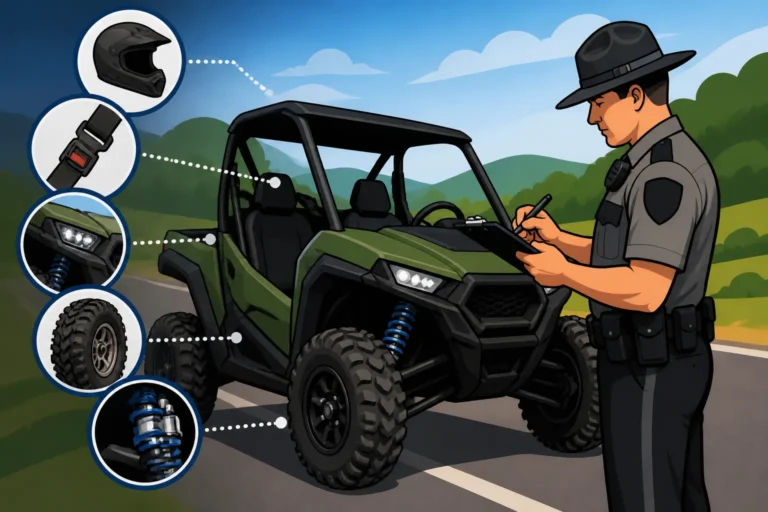
Just because a road is open for ATVs doesn't mean your ATV is automatically legal to ride on it. Pennsylvania has specific requirements for machines operated on designated roads:
- Registration: Your machine absolutely needs a valid Pennsylvania ATV registration. For most riders accessing trails and roads, this will be a [Pennsylvania's General Registration for Everywhere Else]. This type of registration indicates your machine is cleared for use on designated trails and approved public roads. You'll get a plate and a sticker, which must be displayed correctly.
- Insurance: Off your own private land, you are required to carry liability insurance for your ATV or UTV. This isn't just a good idea; it's the law when riding on public lands or designated roads. Make sure your policy meets Pennsylvania's requirements. [Pennsylvania ATV Insurance Requirement] provides more detail on this critical aspect. Carry proof of insurance with you – a physical card in a waterproof pouch is always a good idea.
- Helmet Use: For all riders and passengers, helmets are mandatory on designated roads and trails, regardless of age. Don't even think about leaving your helmet at home. This isn't just about avoiding a ticket; it's about your safety. You'll find specific details in [Pennsylvania Helmet Law for ATV Riders].
- Lighting: If you're riding at dawn, dusk, or night, or in conditions of reduced visibility, your ATV/UTV must have operational headlights and taillights. These are crucial for being seen by other vehicles sharing the road.
Table: Key Requirements for Riding Designated Roads in PA
| Requirement | Description | Important Note |
|---|---|---|
| Registration | Valid Pennsylvania ATV registration (typically General Registration for public access). | Plate and sticker must be properly displayed. Check [Pennsylvania General Registration Cost] for fee details. |
| Insurance | Proof of liability insurance. Required for riding off private land, including designated roads and trails. | Carry physical proof. Ensure your policy meets state minimums. |
| Helmet | D.O.T.-approved helmet for all operators and passengers. | Mandatory, no exceptions for age or experience. |
| Lighting | Functional headlights and taillights for low-light conditions. | Crucial for visibility to other road users, especially on shared routes. |
| Age/Supervision | Operators must meet minimum age requirements; minors often require supervision or safety certification. | See [Pennsylvania Minimum Age to Ride a Road] for specific age rules on designated roads. |
| Safety Cert. | Riders aged 8-15 generally require a Pennsylvania ATV Safety Certificate to ride on public land. | Even if riding on a road to a trailhead, this is essential for younger riders. |
Age and Passenger Restrictions
Pennsylvania has strict age guidelines for ATV and UTV operators, especially when it comes to riding on designated public roads. Generally, you need to be at least 16 years old to operate an ATV on a designated road without direct adult supervision, and even then, you must hold a valid safety certificate. Riders under 16 often have engine size restrictions and require direct supervision by an adult over 18 years old. For younger riders, a [Pennsylvania Minimum Age to Ride a Road] article offers more comprehensive details.
When it comes to passengers, your ATV must be specifically designed by the manufacturer to carry more than one person. Trying to carry a passenger on a single-rider ATV, even on a designated road, is not only dangerous but illegal. UTVs are typically designed for multiple occupants and usually present fewer passenger issues, but always respect the manufacturer's seating capacity. Always ensure any passenger, regardless of age, also wears a D.O.T.-approved helmet.
Practical Tips for Riding Two-Mile Road to the Trailhead
Using a designated road like Two-Mile Road as a connector means you're operating in a hybrid environment – part public road, part precursor to off-road adventure. This requires a slightly different mindset and preparation than just pulling your rig off a trailer directly onto a trail.
Pre-Ride Checklist
Before you even think about turning the key on Two-Mile Road, a thorough pre-ride check is non-negotiable. This isn't just for safety on the trail; it's equally, if not more, important for road use where you'll be sharing space with full-sized vehicles.
- Machine Readiness:
- Tires: Check tire pressure. Road riding can be harder on tires than soft trails, and proper inflation is key for stability and handling. Look for any visible damage or low tread.
- Lights: Test all lights – headlights (high and low beam), taillights, and brake lights. [Being Seen on a Rural Road at Dusk] isn't just good advice; it's a safety imperative. If your machine is equipped with turn signals, make sure they work.
- Brakes: Ensure both front and rear brakes are fully functional and provide strong stopping power.
- Fluids: Check oil, coolant, and brake fluid levels.
- Fuel: Top off your tank. You don't want to run out on a remote road before you even hit the trails.
- Muffler/Spark Arrester: Ensure your machine has a properly functioning muffler and spark arrester. Excessive noise or fire risk can lead to fines.
- Paperwork in Order:
- Registration Card: Carry your DCNR-issued ATV registration card.
- Proof of Insurance: Have your insurance card readily accessible.
- Safety Certificate: If you're a youth rider (8-15) or supervising one, ensure the safety certificate is on hand.
- ID: Always carry personal identification.
- Waterproof Storage: Invest in a small, waterproof case or bag to keep all your documents dry and protected. Nothing worse than a soggy registration card!
Navigating the Road Safely
Riding a designated road means you're no longer in the exclusive world of the trail. You're sharing the space, and safety requires vigilance and respect for others.
- Share the Road: Assume there could be oncoming traffic around every blind curve, especially on narrow sections of Two-Mile Road. Stay to the right side of the road.
- Speed Limits: Obey all posted speed limits. These aren't just suggestions; they're legal requirements. Even if no speed limit is posted, maintain a speed that is safe for the conditions and allows you to stop quickly.
- Blind Corners and Hills: Slow down significantly before blind corners or cresting hills. You never know what's on the other side – another vehicle, a deer, or a fallen tree.
- Dust Control: If it's a dry, dusty day, give other riders and vehicles plenty of space to avoid riding in their dust cloud. Similarly, be mindful of the dust you're kicking up for others.
- Eye Protection: Beyond your helmet, good eye protection (goggles or a face shield) is essential, especially on dusty or gravel roads, to protect against debris.
- Signaling: Use hand signals if your machine doesn't have turn signals to indicate turns or stops, just as you would on a motorcycle.
- Enhanced Visibility: Consider adding aftermarket accessories to enhance your visibility to other road users. Products from SuperATV, for example, include excellent LED light bars for better illumination, or side mirrors that greatly improve your awareness of what's behind and beside you. These can be real game-changers for safety on shared roads.
- Wildlife: Rural roads are wildlife corridors. Be alert for deer, bears, and other animals, especially at dawn and dusk.
Connecting to the Trail System
The whole point of riding Two-Mile Road is usually to get to a specific trailhead. Knowing exactly where that transition occurs is crucial.
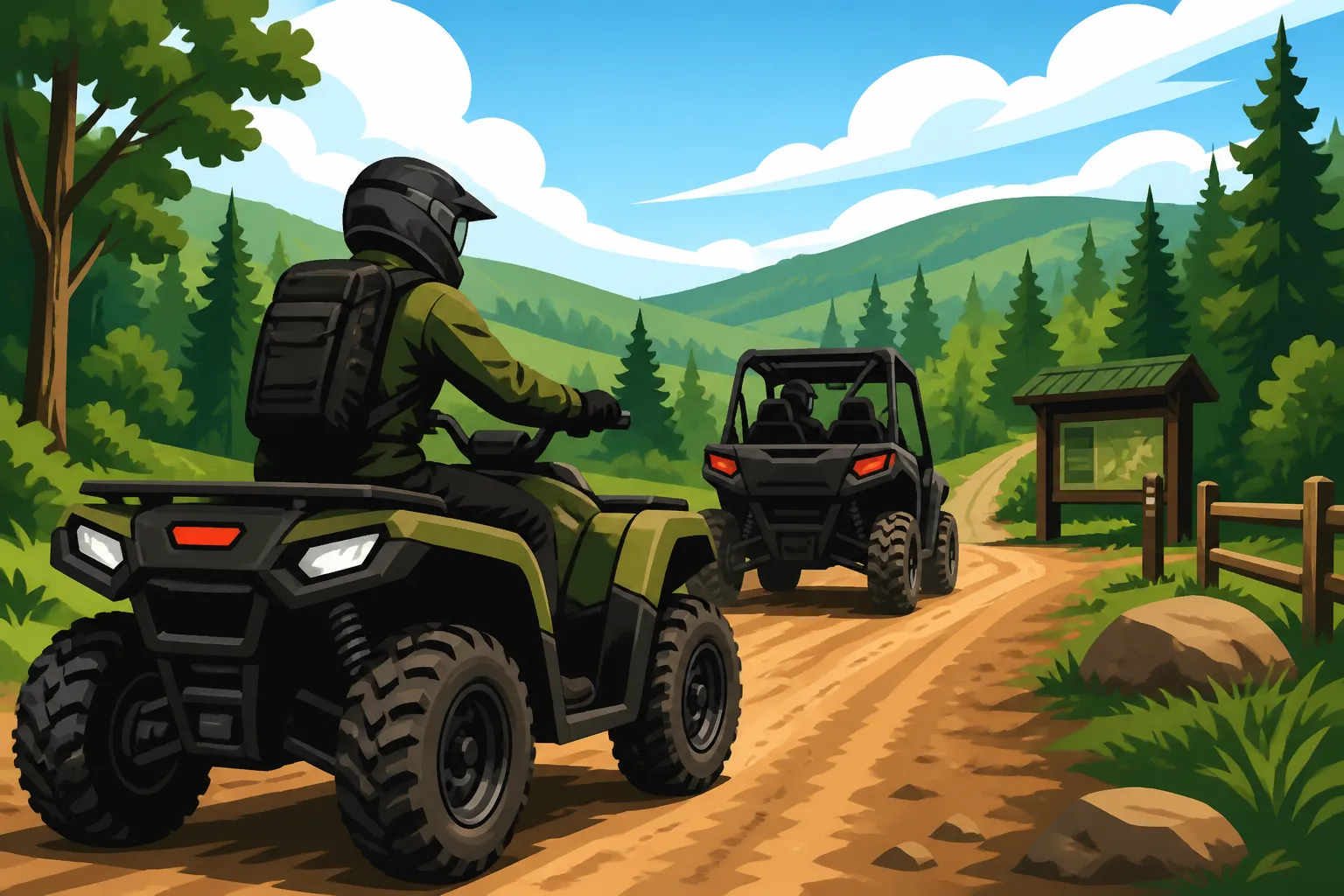
- Clear Markings: Look for clear signage indicating the start of the ATV trail system. These are typically different from the green road signs, often brown or blue with trail symbols.
- Staging Areas: Some popular trailheads, like those associated with Bloody Skillet or Whiskey Springs, have designated staging areas where you might see other trucks and trailers parked. This can be a good indicator that you're in the right spot. However, if you are riding your machine in, you might pass these areas and continue to the actual trail entrance. For example, knowing the exact access point for [Getting to Bloody Skillet From Snow Shoe] can save you from confusion.
- Trail Permits: Double-check if the trail system you're accessing requires a specific permit (like the Northcentral Regional Trail Permit for some DCNR trails). You'll usually need to purchase these in advance.
Common Pitfalls and How to Avoid Them
Even with the best intentions and preparations, riding ATVs and UTVs on public roads in Pennsylvania can present challenges. Being aware of these common pitfalls and knowing how to avoid them will ensure a smoother, more enjoyable, and legal experience.
Unposted Roads and Trespass
One of the biggest traps riders fall into is assuming that "if it looks like a road, it must be open." This couldn't be further from the truth in Pennsylvania. Many forest roads, township roads, and even old logging roads are not designated for ATV/UTV use, even if they look perfectly rideable. Riding an unposted road, even innocently, constitutes trespass if it's private land, or riding illegally if it's public land not specifically designated for your machine.
- Verification is Key: Always verify the legal status of any road you plan to ride. Look for those specific green "ATV/UTV Permitted" signs. If you don't see them, or if the signage is ambiguous, assume it's not open. A quick call to the local DCNR district office or township municipal office can confirm status.
- Consequences: Getting caught riding illegally can result in significant fines. [Pennsylvania Fines for Riding Illegally] can be substantial, often starting at $300 or more per offense, plus court costs. It's a costly mistake to make. Also, riding on private land without permission can lead to criminal trespass charges, beyond just a fine. Respect posted "No Trespassing" signs without exception.
Weather and Seasonal Closures
Pennsylvania weather is famously unpredictable, and its impact on roads and trails can change rapidly. What might be a pleasant ride one day could be impassable or dangerous the next.
- Mud Season: Early spring and after heavy rains, dirt and gravel roads can turn into thick, rutted mud. This isn't just messy; it can cause damage to the road, make control difficult, and lead to your machine getting stuck. Many roads, especially DCNR-maintained forest roads, implement seasonal closures during these periods to prevent significant [Mud Season and Road Damage]. Always check official DCNR websites or local township notices for current road conditions and closures before heading out.
- Winter Conditions: While some trails are open for winter riding, not all roads leading to them are maintained for ATV/UTV access in heavy snow or ice. Even if the trail is open, the connecting road might be dangerous or closed. Be prepared for slick conditions, reduced visibility due to snow, and potential closures.
- Storms: Heavy winds can bring down trees, blocking roads and creating hazardous conditions. Always check weather forecasts and be prepared to turn back if conditions deteriorate.
Equipment Challenges
A breakdown on a remote stretch of Two-Mile Road, far from any cell service, can quickly turn an enjoyable ride into a stressful situation. While ATVs and UTVs are robust, they aren't invincible.
- Basic Tool Kit: Carry a basic tool kit with common wrenches, a tire plug kit, a small air pump, zip ties, and duct tape. These simple items can often fix minor issues that would otherwise strand you.
- Communication: Don't rely solely on your cell phone. Many remote areas in Pennsylvania have spotty or non-existent cell service. Consider carrying a satellite messenger or a two-way radio if riding in a group.
- Recovery Gear: If you're riding a UTV or a heavier ATV, especially in challenging conditions, a winch is an invaluable piece of equipment. SuperATV offers a range of durable winches and recovery straps that can help you or a riding buddy out of a sticky situation. Even if you don't have a winch, carry a tow strap.
- Spares: A spare belt (for CVT machines), a small bottle of motor oil, and extra fuel can be lifesavers.
- First Aid Kit: Always carry a well-stocked first aid kit, and know how to use it. Minor injuries can become major problems if not addressed promptly.
- Navigation: A GPS unit (either dedicated or on your phone with downloaded offline maps) can be incredibly useful, especially if you take an unexpected turn or need to find an alternate route. Don't rely solely on paper maps, which can get wet or lost.
Riding Two-Mile Road to the trailhead can be a fantastic part of your Pennsylvania ATV or UTV adventure, but it requires a blend of preparation, knowledge, and respect for the rules. By understanding the road's status, ensuring your machine and documents are in order, practicing safe riding habits, and being ready for common challenges, you'll be set for a great day on the trails.
Disclaimer
This article is for general informational purposes only and does not constitute professional advice. Laws, prices and regulations vary by location and change over time. Consult a qualified professional for guidance on your specific situation.