Riding Beside a Creek Road
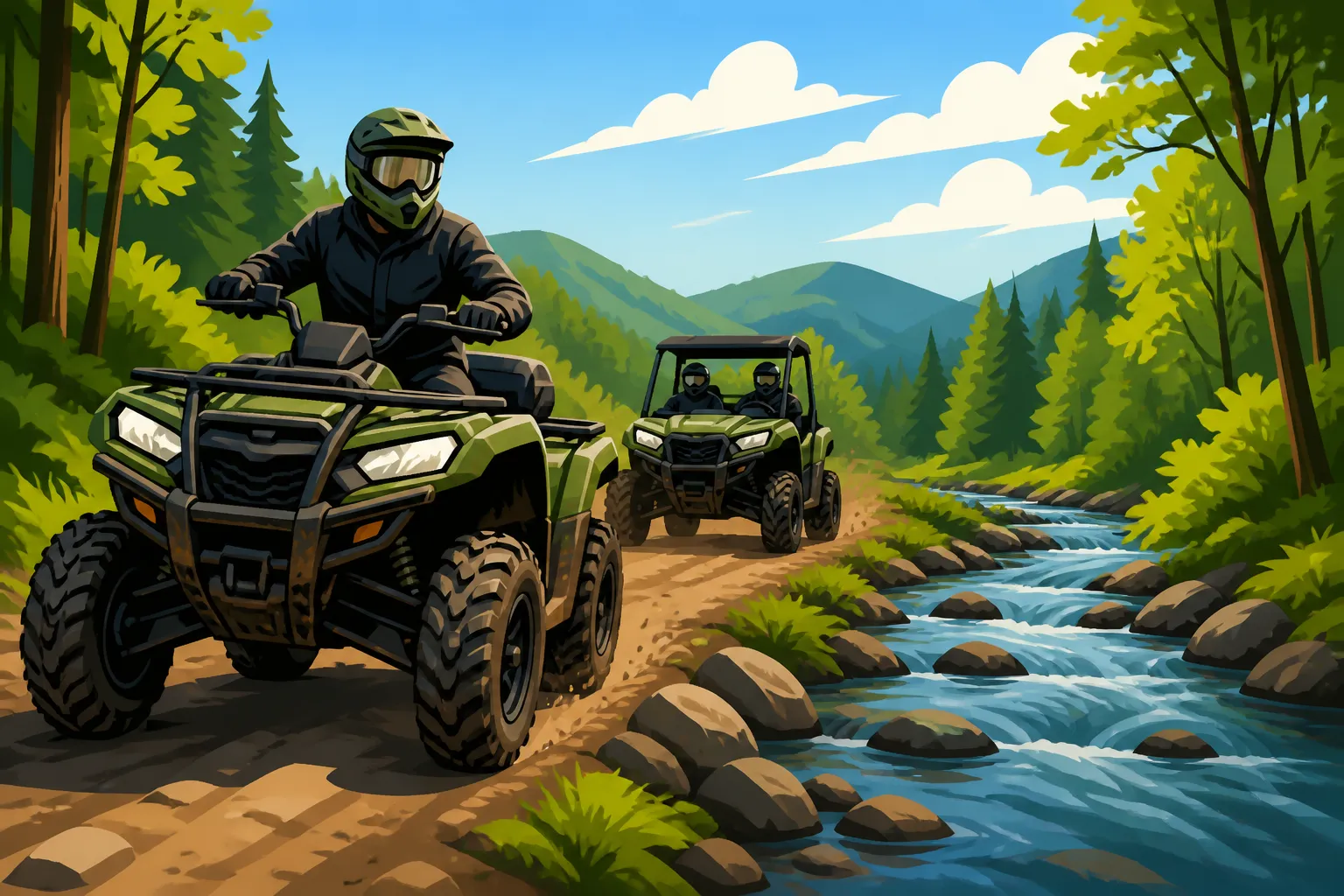
It’s a scene many of us envision: cruising along on our ATV or UTV, the air crisp, the sun dappled through the trees, and the soothing sound of a creek babbling right alongside you. Pennsylvania, with its countless waterways and beautiful forests, seems like the perfect backdrop for such an adventure. But the reality of riding "beside a creek road" here in the Commonwealth can be far more complicated than that idyllic picture, often fraught with legal pitfalls, environmental concerns, and safety considerations that can quickly turn a peaceful ride into a frustrating headache or even a costly fine. This guide will help you understand the nuances of what it means to ride near Pennsylvania's precious creeks, keeping you informed, legal, and safe.
Understanding What "Creek Road" Means in Pennsylvania
When we talk about riding "beside a creek road," it sounds straightforward, right? You picture a path, maybe gravel or dirt, running parallel to a stream. But in Pennsylvania, the definition of what constitutes a "road" and where you can legally ride an ATV or UTV gets pretty complex, especially when water is involved. It's not always about where the water is, but more about the type of land you're on and its legal designation.
The Nuance of Public vs. Private Lands Near Waterways
First and foremost, the biggest distinction you need to make is whether you are on public or private land. Many creeks in Pennsylvania flow through private property, and without explicit, written permission from the landowner, riding an ATV or UTV on or even alongside these creeks is trespassing. This is a huge deal, and it's not always obvious where private land begins and ends, especially in rural areas where "creek roads" might be old logging trails or farm access routes that simply follow a stream. Even if a trail looks open, if it's on private land, you cannot ride it without permission. You might see a small, unmarked dirt path running right next to a beautiful trout stream, but that path could very well be part of someone's backyard, leading to serious legal repercussions if you're caught.
On public lands, like state forests or game lands, the rules are different, but still very specific. Just because a creek runs through a state forest doesn't mean every path beside it is an open ATV trail. In fact, most state forest roads, even those that run parallel to picturesque streams, are typically closed to ATVs unless specifically designated otherwise. It’s critical to remember that [Pennsylvania Rules for Riding a State Forest Road] often restrict motorized vehicles to paved or clearly marked gravel roads that are part of the public highway system, or to specifically designated ATV trails. A beautiful dirt track meandering along a creek might look inviting, but if it's not signed as an ATV trail, it's off-limits.
The Misconception of Creek Beds as Trails
Another common misconception, and a truly damaging one, is that a creek bed itself can serve as an ATV or UTV trail. Let me be absolutely clear: riding in a creek bed, stream, or any body of water in Pennsylvania is almost universally illegal and incredibly destructive to the environment. Pennsylvania takes its waterways very seriously, and for good reason. Riding through a creek stirs up sediment, destroys aquatic habitats, degrades water quality, and can harm fish and other wildlife. Even if it's a small, shallow stream, the impact of churning tires and leaking fluids can be devastating.
Enforcement officers, whether they are DCNR rangers, game wardens, or local police, are very vigilant about protecting waterways. Getting caught riding in a creek can lead to significant fines and penalties, far beyond what you might expect for simple trespassing. So, when we talk about "creek roads," we are never talking about the actual creek itself. We're discussing roads or trails that run adjacent to them, and even then, those must be legally designated and open for ATV and UTV use. If you are ever unsure, err on the side of caution and stay out of the water.
The Legal Landscape: Can You Even Be There?
The legality of riding your ATV or UTV near a creek in Pennsylvania hinges entirely on whether the specific stretch of land you're on is designated for such use. Pennsylvania has clear laws governing where ATVs and UTVs can operate, and ignorance of these laws is definitely not an excuse. This isn't just about avoiding a ticket; it's about respecting the land and other users.
Designated ATV Trails and Crossings
The safest and most legal way to enjoy riding near a creek is on a designated ATV trail that runs alongside or crosses a waterway. Pennsylvania boasts some incredible trail systems, many of which offer stunning views of creeks and rivers. These trails are specifically designed and maintained for ATV and UTV use, and they will have proper signage, usually marking entry points, trail rules, and any specific considerations for water crossings. For example, some trails might have culverts or bridges built over smaller streams, or designated, hardened crossings where you can legally and safely navigate your machine over a creek.
It’s important to understand that even on a designated trail, there are rules. You can't just veer off the trail into the creek. The trail itself is the designated path. Riding off designated trails, especially near sensitive environmental areas like creeks, is a serious violation. You might even find specific instructions about speed limits or environmental precautions posted near water features on these trails. Always check trail maps from organizations like the DCNR to ensure you are on a legal, open route. These maps will clearly delineate [Pennsylvania's Designated ATV Roads] and trails, and anything not marked as such should be considered off-limits for motorized vehicle use.
The Realities of Unposted and Illegally Opened Paths
Here's where many riders get into trouble: seeing an unposted dirt path that looks like a great "creek road" and assuming it's okay to ride. In Pennsylvania, if a road or trail isn't explicitly posted open for ATV use, it's generally considered closed to ATVs. This applies to old logging roads, power line access paths, and especially those charming-but-illegal tracks running along creeks. A major frustration for riders is that many of these paths seem harmless, perhaps even used by locals, but they are not legal for public ATV access.
Riding on these unposted or illegally opened paths can lead to significant [Pennsylvania Fines for Riding Illegally]. DCNR rangers and local law enforcement actively patrol areas known for illegal riding, and they don't hesitate to issue citations. Beyond the fines, there's the damage to your reputation and the possibility of legal action if you trespass on private land. It also gives the entire ATV community a bad name, making it harder to advocate for more legal riding opportunities.
The only exception to the "posted open" rule on public land might be very specific joint-use roads in certain townships or boroughs, but these are rare and typically involve very clear signage about shared use, not just casual creek-side tracks. [Pennsylvania Rules for Riding a Township Road] generally state that if a township or borough has opened a road to ATV use, there will be clear, specific signs indicating it. Without such signs, assume it's closed.
Table: Legal vs. Illegal Creek-Adjacent Riding Scenarios in Pennsylvania
| Scenario | Legality | Risk Level | Environmental Impact | Potential Outcome |
|---|---|---|---|---|
| Riding on a clearly marked ATV trail alongside a creek with designated crossings. | Legal. Trail is officially designated and maintained. | Low | Minimal if staying on trail and using designated crossings. | Enjoyable ride, positive experience. |
| Riding an old dirt road that runs beside a creek on State Forest land, but isn't signed as an ATV trail. | Illegal. If not explicitly posted open for ATVs, it's closed. | Moderate-High | Potential for erosion, habitat disruption if trail isn't maintained for ATVs. | Citation for illegal trail use, fine. |
| Riding on a path beside a creek on private land without landowner permission. | Illegal. Trespassing. | High | Potential for property damage, wildlife disturbance. | Trespassing charges, fines, potential civil lawsuit from landowner. |
| Riding directly in a creek bed or stream (even shallow ones). | Highly Illegal. Major environmental violation. | Very High | Severe. Sedimentation, habitat destruction, water pollution, damage to aquatic life. | Large fines, potential confiscation of vehicle, significant legal trouble. |
| Using an ATV to retrieve game from a creek on Game Lands with a permit. | Legal with proper permit/exemption. Specific rules apply for game retrieval on Game Lands. | Low-Moderate | Minimal if following strict guidelines. | Legal game retrieval. |
Permit Requirements and Compliance
Beyond where you ride, you also need to make sure your machine and you as a rider are properly compliant. This means having your ATV or UTV properly registered with the DCNR. [Pennsylvania ATV Registration and Trail Access] is mandatory for operating on any state-owned land or designated trail systems. This two-year registration ensures your machine is trackable and that funds are generated for trail maintenance and development.
Furthermore, if you are a younger rider (ages 8-15), you are required to have a [Pennsylvania ATV Safety Certificates] to operate on public lands. This certificate teaches crucial safety practices, environmental awareness, and adherence to trail rules, all of which are vital when navigating sensitive areas like those near creeks. Even for adult riders, taking a safety course is a fantastic idea to hone your skills and understanding of responsible riding.
Environmental and Safety Considerations Near Water
Let's shift gears from just legalities to the broader picture of responsible riding near Pennsylvania's invaluable waterways. Beyond the rules, there are ethical and practical considerations for protecting our natural resources and ensuring your own safety.
Protecting Pennsylvania's Precious Waterways
Pennsylvania is known for its beautiful streams, rivers, and rich aquatic ecosystems. These waterways are crucial for drinking water, wildlife, fishing, and recreation. Riding irresponsibly near or in creeks can have severe and lasting negative impacts:
- Erosion and Sedimentation: ATV and UTV tires can quickly churn up soil, especially on creek banks or poorly maintained trails. This loosened soil then washes into the creek, clouding the water (sedimentation). This chokes out fish eggs, smothers macroinvertebrates (the base of the food chain), and degrades water quality for everyone. It also widens streams and makes them shallower, impacting flood control and natural processes.
- Pollution: Fluids from your machine – oil, gas, antifreeze – can leak or spill, especially during aggressive riding or if you roll over. Even small amounts of these chemicals are toxic to aquatic life and can contaminate drinking water sources. [Pennsylvania Muffler Requirements for ATVs] also hint at emissions, though less directly impactful on water than spills.
- Habitat Destruction: Creek beds and banks are vital habitats for countless species, from tiny insects and amphibians to larger fish and birds that feed along the water's edge. Riding through these areas directly crushes and displaces these creatures, destroys their homes, and disrupts delicate ecosystems.
Responsible riders understand that access to these beautiful areas is a privilege, not a right. We all need to do our part to ensure these resources are preserved for future generations. This means strictly adhering to designated trails, avoiding any direct contact with waterways unless on a marked crossing, and always being mindful of your machine's condition to prevent leaks.
Navigating Slippery Terrain and Changing Conditions
Riding near creeks often means encountering varied and potentially challenging terrain. Creek banks can be steep, rocky, and notoriously slippery, especially after rain or during periods of high humidity. What might look like firm ground can quickly turn into a slick, muddy slide, even on established trails.
Consider the impact of weather. [Pennsylvania Rules for Riding a Trail After Heavy Rain] are often about closures due to excessive mud and potential damage. A trail that's perfectly navigable in dry conditions can become a treacherous quagmire after a downpour, with slippery rocks and deep ruts. Riding in such conditions not only makes it unsafe for you but can also significantly damage the trail, leading to deep ruts and erosion that impact other riders and the environment.
Water levels in creeks can also change rapidly, especially during spring thaws or heavy rain events. What was a minor stream crossing earlier in the day might become a raging torrent by afternoon. Always assess water crossings carefully, and if there's any doubt about depth or current, it's best to turn around. No ride is worth risking your life or your machine.
Practical Tips for Navigating Water-Adjacent Terrain
If you're riding legally on designated trails that happen to run beside or cross creeks, there are some practical tips to keep you safe and your machine in good shape.
Gearing Up for Wet and Wild Conditions
Riding near water inevitably means you'll encounter moisture, mud, and potentially even crossing shallow streams. Having the right gear, both for you and your machine, is crucial.
- Personal Protective Equipment (PPE): Beyond your helmet and eye protection, consider waterproof riding gear. A good quality waterproof jacket, pants, and gloves will make a huge difference in comfort if you hit a surprise puddle or if the weather turns. Waterproof boots are an absolute must, not just for keeping your feet dry but for grip on slippery ground when you dismount.
- Tires: The right tires can make or break your experience. For riding on trails that might be wet or muddy near creeks, aggressive tread patterns designed for mud and rock are often beneficial. Brands like SuperATV offer a range of tires, from all-terrain to more specialized mud tires, which can provide crucial traction on slick creek banks and through shallow water crossings, helping you maintain control and prevent slipping.
- Winch and Recovery Gear: A winch isn't just for looking cool; it's a lifesaver, especially if you get stuck in a muddy section or slide into an embankment near a creek. Even if you don't plan on getting into extreme situations, a portable winch or recovery straps in your kit, along with a shovel, can save you hours of struggle. SuperATV also provides robust winch options and recovery gear that can be invaluable in these situations.
- Waterproofing Your Machine (Sensibly): While you should never intentionally submerge your machine, accidental deep water splashes or crossings can happen. Consider basic waterproofing for electrical connections. Some riders opt for snorkel kits for very specific, legal water crossings, but these should only be installed if you fully understand their purpose and the limitations of your machine. Remember, just because you have a snorkel doesn't mean you can ride through deep rivers – you still risk engine damage and serious safety hazards.
Smart Riding Techniques Near Water
Even with the best gear, your technique is paramount when riding near creeks.
- Slow and Steady Through Crossings: When approaching a designated water crossing, slow down significantly. Walk the crossing if possible to gauge depth and obstacles. Pick a smooth, controlled line, and maintain a steady, low speed. Avoid sudden throttle bursts or braking, which can cause you to lose traction or hydroplane. If the water is moving, be aware of the current and how it might pull your machine.
- Look Ahead and Read the Terrain: Always keep your eyes up and scan the trail ahead, especially around blind corners or crests near water. Look for changes in terrain, hidden rocks, slippery roots, or sudden drops. The ground near creeks can be notoriously unpredictable.
- Respect the Trail and the Environment: Stay on designated trails. Do not create new paths, especially near water. Pack out everything you pack in, and leave no trace. If you encounter wildlife near a creek, give them space and observe from a distance. Responsible riding ensures that these beautiful areas remain accessible for all.
- Riding with Others: Whenever possible, ride with a buddy, especially when you're in areas that might present challenges like water crossings or muddy sections. If one person gets stuck, the other can assist with recovery. It’s also a good idea to carry a basic first-aid kit and know how to use it, as well as a way to communicate, even if cell service is spotty.
Navigating Pennsylvania's beautiful landscapes, especially those with picturesque creeks, on your ATV or UTV is an incredible experience when done legally and responsibly. By understanding the regulations, respecting the environment, and preparing yourself and your machine, you can ensure your "creek road" adventures are safe, enjoyable, and sustainable.
Disclaimer
This article is for general informational purposes only and does not constitute professional advice. Laws, prices and regulations vary by location and change over time. Consult a qualified professional for guidance on your specific situation.