Keeping Your ATV Plate Readable From Behind
There’s nothing quite like the feeling of hitting the trails on your ATV in Pennsylvania, feeling the rumble of the engine and the wind in your face. But that feeling can quickly turn to frustration if you’re pulled over by a DCNR ranger not for how you’re riding, but for something as simple as a dirty or unreadable license plate. This guide is all about helping you understand why your plate's visibility matters so much and, more importantly, how to keep it clear, clean, and compliant so you can focus on enjoying the ride without unnecessary hassle.
The Critical Importance of a Readable Pennsylvania ATV Plate
When you register your ATV with the Pennsylvania DCNR, you're issued a unique plate that serves as your machine's primary identifier. It's not just a piece of plastic or metal; it's a legal requirement that signals your compliance with state regulations. For many riders, the focus is often on having the plate mounted, but ensuring it's readable is just as, if not more, crucial. Ignoring this can lead to uncomfortable encounters and unnecessary expenses, taking away from the freedom you crave on the trails.
Avoiding Unwanted Attention and Fines from DCNR Rangers
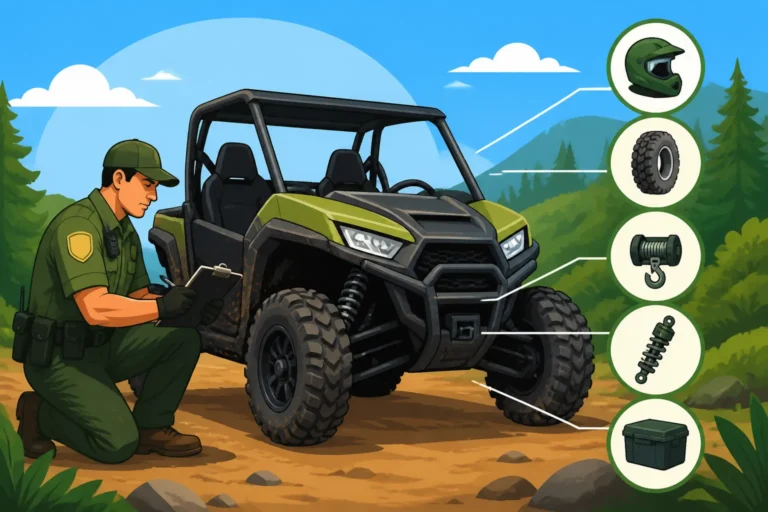
Picture this: you're just about to pull into the staging area at Whiskey Springs after a fantastic morning ride, maybe a little mud-splattered but exhilarated. Then, you see a DCNR ranger waving you over. Your heart sinks a little, even if you know you haven't been speeding or riding off-trail. The ranger approaches, and the first thing they point out is your rear plate, caked in mud, its numbers and letters indistinguishable. It's a common scenario, and it's easily avoidable.
DCNR rangers are out there to ensure everyone is riding safely and legally. A part of that responsibility involves checking for proper registration. If your plate isn't clear, they can't quickly verify your registration status, which raises a red flag. What might seem like a minor oversight to you could be a legitimate reason for them to stop you and conduct a more thorough check. While an unreadable plate isn't the same as riding unregistered, it often leads to the same outcome: being stopped and potentially cited. Depending on the ranger's discretion and the severity of the obstruction, you might just get a warning, or you could face a fine. It’s far better to prevent this interaction entirely than to try and explain why your plate looks like it just went through a mud bog at full throttle.
Ensuring Your Machine is Properly Identified for Safety and Accountability
Beyond the potential for fines, a readable plate plays a vital role in the overall safety and accountability of ATV riding in Pennsylvania. Imagine a situation where there's an incident on the trail – perhaps a rider needs assistance, or worse, there's a collision where one party leaves the scene. A clear, identifiable plate is paramount in these scenarios. Law enforcement and emergency services rely on these identifiers to track down individuals, report incidents, and provide necessary aid.
Your ATV plate is like a fingerprint for your machine. If your quad is lost or stolen, its registration number is a key piece of information for recovery. If a plate is obscured or damaged beyond recognition, it significantly hampers efforts to identify the rightful owner or the responsible party in an accident. This isn't just about the state’s rules; it’s about being a responsible member of the riding community. We all want to feel safe out there, and knowing that every machine can be identified helps maintain that sense of security and accountability among riders.
Common Obstacles to a Clear Pennsylvania ATV Plate
Pennsylvania's diverse terrain offers incredible riding experiences, from the rocky climbs of the Bald Eagle State Forest to the sprawling coal lands of the Anthracite Outdoor Adventure Area. However, these very conditions, which make our trails so exciting, are also the biggest enemies of a clean and readable ATV plate. Understanding these common culprits is the first step in effectively combating them and keeping your plate in tip-top shape.
Mud, Dirt, and Debris – The Trail's Natural Adversaries
Let's be honest: part of the fun of off-roading is getting a little (or a lot) dirty. But the very mud and dirt that caking your tires and fenders can quickly render your license plate illegible. On many Pennsylvania trails, especially after a good rain, you'll encounter everything from slick clay to deep, soupy mud holes. As your tires spin and churn through these conditions, they become incredibly effective projectors, flinging mud and debris directly onto your machine's rear, right where your license plate is typically mounted.
Think about a late spring ride on Bloody Skillet after a week of rain. You hit that perfect mud patch, and suddenly your whole rear end, including your plate, is completely obscured. It happens in an instant. Dust is another common culprit during dry spells. Riding dusty gravel roads or dry sections of trail can create a fine layer of grime that, while not as dramatic as mud, still coats your plate and can make the numbers hard to read from a distance. Even water crossings can splash up sediment, leaving a film that, once dry, makes your plate look faded and unreadable. These elements are an unavoidable part of the off-road experience, which means you need to be proactive in your cleaning and maintenance routine.
Physical Damage and Wear from Aggressive Riding
Beyond the grime, your ATV plate is constantly exposed to physical punishment. The very nature of trail riding – navigating tight trees, bumping over rocks, and sometimes even experiencing an unplanned rollover – puts your plate at risk. A low-hanging branch can catch the corner of your plate, bending it irrevocably. A rock kicked up by your own tire or a fellow rider’s machine can ding and scratch the reflective surface, making the letters and numbers harder to discern.
Vibration is another insidious enemy. Over time, the constant rattling and shaking that an ATV experiences on rough terrain can cause the metal of the plate itself to fatigue and crack, especially around the mounting holes. Bolts can loosen, allowing the plate to flap and bend, eventually leading to it becoming detached entirely. We've all seen a plate that looks like it's been through a blender – bent, torn, faded, and virtually unrecognizable. When a plate is significantly damaged, not only does it become unreadable, but it can also be a safety hazard, with sharp edges exposed. It’s important to remember that these plates are issued by the DCNR to be durable, but they aren't indestructible. For more details on mounting, check out [Pennsylvania ATV Plates and Where They Mount]. The constant exposure to the elements also contributes to wear, causing the reflective coating or paint to fade over the years, making the numbers less distinct.
Actionable Steps to Maintain Your Pennsylvania ATV Plate's Readability
Now that we know why keeping your plate clean and visible is so important, and what tends to obscure it, let's talk about the practical things you can do. These aren't complicated or expensive steps, but they require a little dedication to your post-ride routine. Just a few minutes of attention can save you a lot of grief on your next adventure.
Regular Cleaning and Inspection After Every Ride
This might seem obvious, but it's probably the most overlooked step for many riders. When you get back from a ride, especially if you’ve encountered a lot of mud or dust, don't just park your ATV and walk away. Make a habit of giving your plate a quick clean. All it takes is a hose, some mild soap, and a soft brush or sponge. Don’t use abrasive scrubbers or harsh chemicals, as these can damage the reflective surface or paint over time, ironically making the plate less readable. A gentle wash will usually remove all the accumulated gunk.
While you're cleaning, take a moment to inspect the plate. Is it still securely mounted? Are the numbers and letters clear and intact, or are they starting to fade or peel? Are there any new bends or cracks? Addressing minor issues immediately can prevent them from becoming major problems. For example, if you notice a mounting bolt is a bit loose, tighten it right away. If the plate is slightly bent, you might be able to gently straighten it out before it becomes too distorted. This routine not only keeps your plate compliant but also extends its lifespan. Think of it as part of your cool-down ritual after a day on the trails, much like checking your tire pressure or fuel level.
Strategic Mounting and Protection for Your Pennsylvania Plate
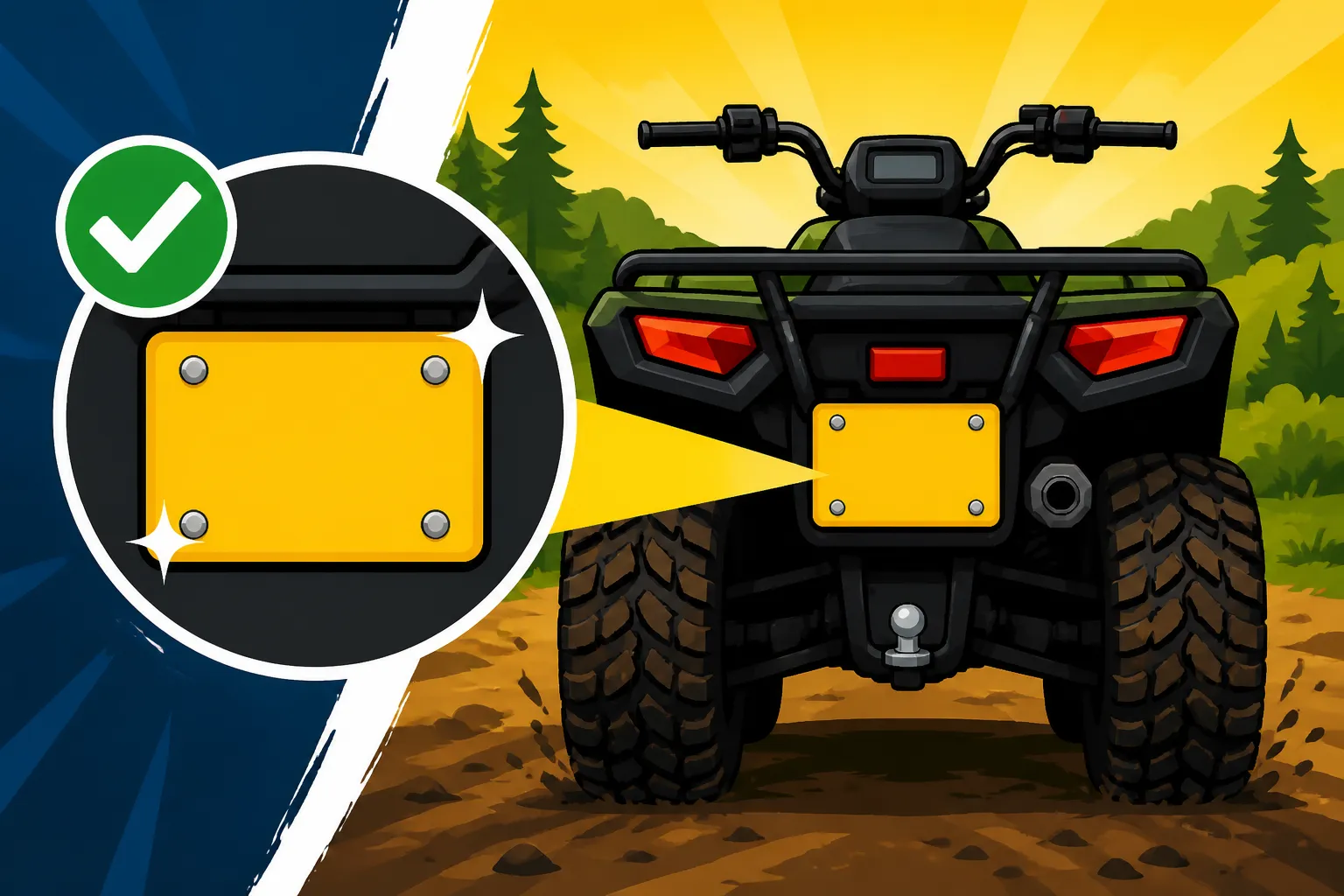
Where and how your plate is mounted can make a huge difference in its susceptibility to mud and damage. Many ATVs come with a standard mounting bracket, but these are often in a low, exposed position directly behind the rear tire – prime real estate for mud splatter. Consider relocating your plate to a higher, more protected area on your ATV’s fender or cargo rack, if feasible and compliant with [Mounting a Plate Away From the Tires]. There are many aftermarket plate relocation kits available that can help achieve this. Just ensure that the new location still allows the plate to be clearly visible from behind and is mounted securely.
Beyond relocation, consider adding some protection. Aftermarket plate holders can provide a sturdy frame around the plate, helping to prevent bending and impact damage. Some riders even fabricate small mud flaps or splash guards that extend just above and behind the plate. This can significantly reduce the amount of mud and debris flung directly onto the plate by the rear tire. When mounting, always use secure hardware. Lock washers, nyloc nuts, or thread locker can prevent bolts from vibrating loose, ensuring your plate stays firmly in place even on the roughest Pennsylvania trails. Don’t overtighten, though, as you can crack plastic fenders or damage the plate itself. A little preventative maintenance and smart mounting can go a long way.
Considering Replacement for Severely Damaged or Unreadable Plates
Sometimes, despite your best efforts, a plate can become so damaged, faded, or bent that it's simply beyond reasonable repair. If the numbers and letters are truly illegible, or if the plate is so distorted that it looks like it's been mangled, it's time to consider a replacement. Trying to "make do" with a plate in this condition is a gamble that's rarely worth taking, as it significantly increases your chances of a DCNR encounter.
Replacing a Pennsylvania ATV plate is a straightforward process through the DCNR. You'll typically need to fill out a form and pay a nominal fee to get a new one issued. This is a much better solution than repeatedly getting stopped or risking a citation. For detailed steps on how to replace a lost or damaged plate, you can refer to resources like [Replacing a Lost Pennsylvania ATV Plate] and find information about [Pennsylvania ATV Plate Replacement Cost]. Remember, a fresh, clearly readable plate isn't just about avoiding trouble; it’s about maintaining the integrity of your machine’s legal identification and showing respect for the rules that allow us to enjoy our incredible public lands.
The Ripple Effect of an Illegible Pennsylvania ATV Plate
While a dirty or damaged ATV plate might seem like a minor issue when you're geared up and ready to hit the trail, the reality is that it can lead to a cascade of negative experiences. From interactions with law enforcement to affecting how you're perceived by other riders, an unreadable plate carries consequences that can certainly put a damper on your passion for off-roading.
Enforcement Encounters and Legal Ramifications
The most immediate and tangible consequence of an illegible ATV plate is an encounter with a DCNR ranger or other law enforcement. As discussed, a dirty plate makes it impossible for them to quickly verify your registration. This means they have to stop you. What might start as a simple "clean your plate, please" warning can quickly escalate. If the ranger perceives deliberate obstruction, or if your plate is so damaged it raises suspicions about its origin or authenticity, the situation becomes more serious.
In Pennsylvania, riding an unregistered ATV can lead to significant fines, potentially starting around $300 for a first offense, as outlined in [Riding Unregistered Brings an Automatic $300 Fine]. While an unreadable plate isn't the same as an unregistered machine, it can certainly invite the same scrutiny, and in some cases, lead to a citation if the issue isn't quickly rectified or if there are other contributing factors. Being cited for non-compliance means not only paying a fine but also potentially dealing with court costs and the time investment of addressing the issue. Nobody wants to spend their trail time in a legal battle, and something as simple as a clean plate can often be the difference between a wave and a full stop. For details on what happens when you're cited, you can read [Being Cited for No Registration].
Impact on Your Riding Experience and Reputation
Beyond the legal and financial aspects, having an unreadable plate can subtly impact your overall riding experience and how you're viewed by the riding community. Constantly being stopped, even if just for a warning, can break your flow, cause delays, and frankly, be a frustrating interruption to your day of fun. You spend all that time planning your trip, loading your machine, and driving to the trailhead, only to be held up by something preventable. This constant low-level stress can detract from the enjoyment of your passion.
Furthermore, it can affect your reputation as a responsible rider. The ATV community thrives on respect – for the trails, for the rules, and for each other. When a rider consistently has an unreadable or poorly maintained plate, it can sometimes be perceived as a sign of negligence or a disregard for the regulations that keep our trails open and safe. Most riders strive to set a good example, especially for newer or younger enthusiasts. Being seen as someone who isn't keeping their machine compliant can reflect poorly on the entire community, potentially fueling negative perceptions of ATV riders among the general public and land managers. Ultimately, taking a few extra minutes to ensure your plate is clear is a small effort that yields significant returns in peace of mind, compliance, and positive community spirit.
Disclaimer
This article is for general informational purposes only and does not constitute professional advice. Laws, prices and regulations vary by location and change over time. Consult a qualified professional for guidance on your specific situation.