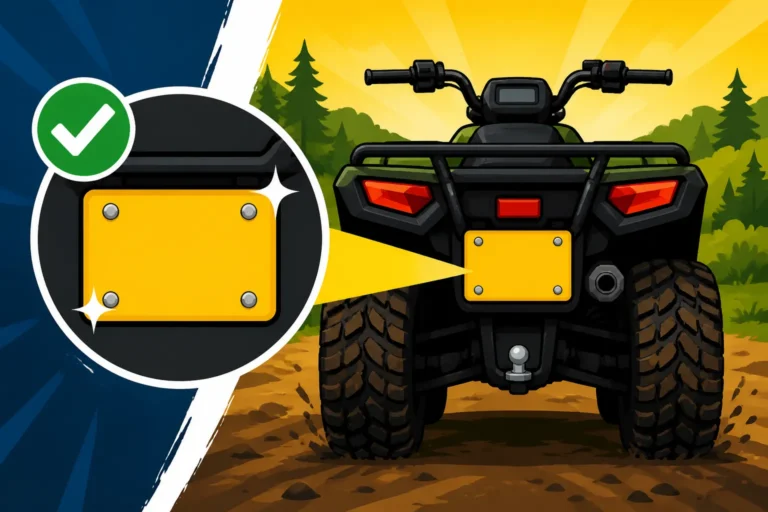
The Plate Pennsylvania Gives Limited Registrants
Navigating the world of ATV and UTV registration in Pennsylvania can feel like a maze, especially when you're trying to figure out which plate you'll actually receive and what it signifies. Many riders purchase a quad for use on their own property or a friend's land, expecting a simple process, only to be confronted with terms like "limited registration" and wonder how that impacts their riding. This comprehensive guide will clear up the confusion surrounding the Pennsylvania plate given to limited registrants, detailing its appearance, purpose, and all the crucial details you need to know.
Understanding Pennsylvania's Limited Registration
Pennsylvania's Department of Conservation and Natural Resources (DCNR) manages ATV and UTV registrations, and they've created a system that distinguishes between machines primarily used on private land and those venturing onto state-designated trails. The limited registration is specifically designed for ATVs and UTVs that aren't typically ridden on public lands or DCNR-managed trails. It's a recognition that not every machine needs the same level of access or incurs the same administrative costs associated with maintaining public riding areas.
This distinction is super important because it directly impacts where you can legally ride your machine. If you've just bought a quad to explore your sprawling property in the Endless Mountains or to zip around your hunting camp near Renovo, limited registration is likely what you'll be looking at. It acknowledges your ownership and provides a basic level of identification without all the bells and whistles (or the higher fees) of general registration, which is tied to the trail system. Think of it as Pennsylvania saying, "We know you're not hitting the state trails, but we still need to know this machine belongs to you."
Who Needs Limited Registration?
Limited registration is primarily intended for owners who plan to operate their ATVs or UTVs exclusively on private property. This could mean your own sprawling farm fields in Lancaster County, a leased hunting ground in Potter County, or a friend's expansive woodland acreage in Clearfield. It’s perfect for situations where your machine is a tool for work, like checking fences, moving feed, or accessing remote areas of your property. Farmers often use this registration type for their utility quads, as do those who manage large plots of land for timber or recreation.
For instance, imagine you own a sizable parcel of land near Mansfield where you hunt and maintain food plots. You use your ATV to haul gear, check trail cameras, and retrieve game. Since you have no intention of riding DCNR trails, the limited registration fits your needs perfectly. It's a way for the state to keep a record of your machine without requiring you to contribute to the upkeep of the state's public trail system, which you won't be using anyway. You're registering your machine, but the scope of its legal operation is clearly defined as off-public-trail. For more on specific use cases, check out [Pennsylvania's Limited Registration for Your Own Land].
What Limited Registration Doesn't Allow
This is where many new riders get tripped up, and it's vital to understand the limitations. While limited registration does give you a plate, that plate explicitly does not grant you access to Pennsylvania's DCNR-designated ATV trails or any joint-use roads opened for ATV travel. If your dream is to ride the vast networks at Bloody Skillet or Whiskey Springs, or any of the state forest trails, a limited registration simply won't cut it. Trying to access these trails with a limited plate can lead to fines and citations, which is the last thing anyone wants when they're out enjoying a ride.
It's a common misconception that any plate means you can hit any trail. But with limited registration, that's absolutely not the case. The intent behind this registration type is strictly for private property use. So, if you live in a rural area and plan to ride from your house to a nearby state trail, or even just cross a public road to get to another section of private land, your limited plate offers no legal protection for those public movements. Those scenarios require a general registration. It's a source of frustration for many, but the rules are clear: limited means limited to private land.
The Appearance of the Limited Registration Plate
When you receive your limited registration for an ATV or UTV in Pennsylvania, you'll notice it looks quite different from a standard vehicle license plate or even a general ATV registration plate. This isn't just an aesthetic choice; it’s a functional one, making it easy for DCNR rangers and law enforcement to quickly identify the type of registration your machine carries from a distance. Knowing what to expect can help you understand its purpose and why it's designed the way it is.
The plate isn't designed for high speeds on asphalt roads, so it doesn't need the same reflective properties or complex security features you'd find on a car plate. Instead, it's built for utility and clear identification in an off-road environment. The distinction between plate types helps enforce the rules, ensuring that machines on designated public trails have contributed to their upkeep through general registration fees.
Color, Material, and Numbering
The Pennsylvania limited registration plate is a distinctive orange color. Yes, bright orange! This vibrant hue isn't just for fun; it immediately signals to anyone looking that this is a limited registration. It's typically made from a durable, lightweight aluminum or similar metal, designed to withstand the bumps and scrapes that come with off-road use, though it’s certainly not indestructible. The lettering and numbering are usually embossed or clearly printed in a contrasting color, often black, ensuring they stand out against the orange background.
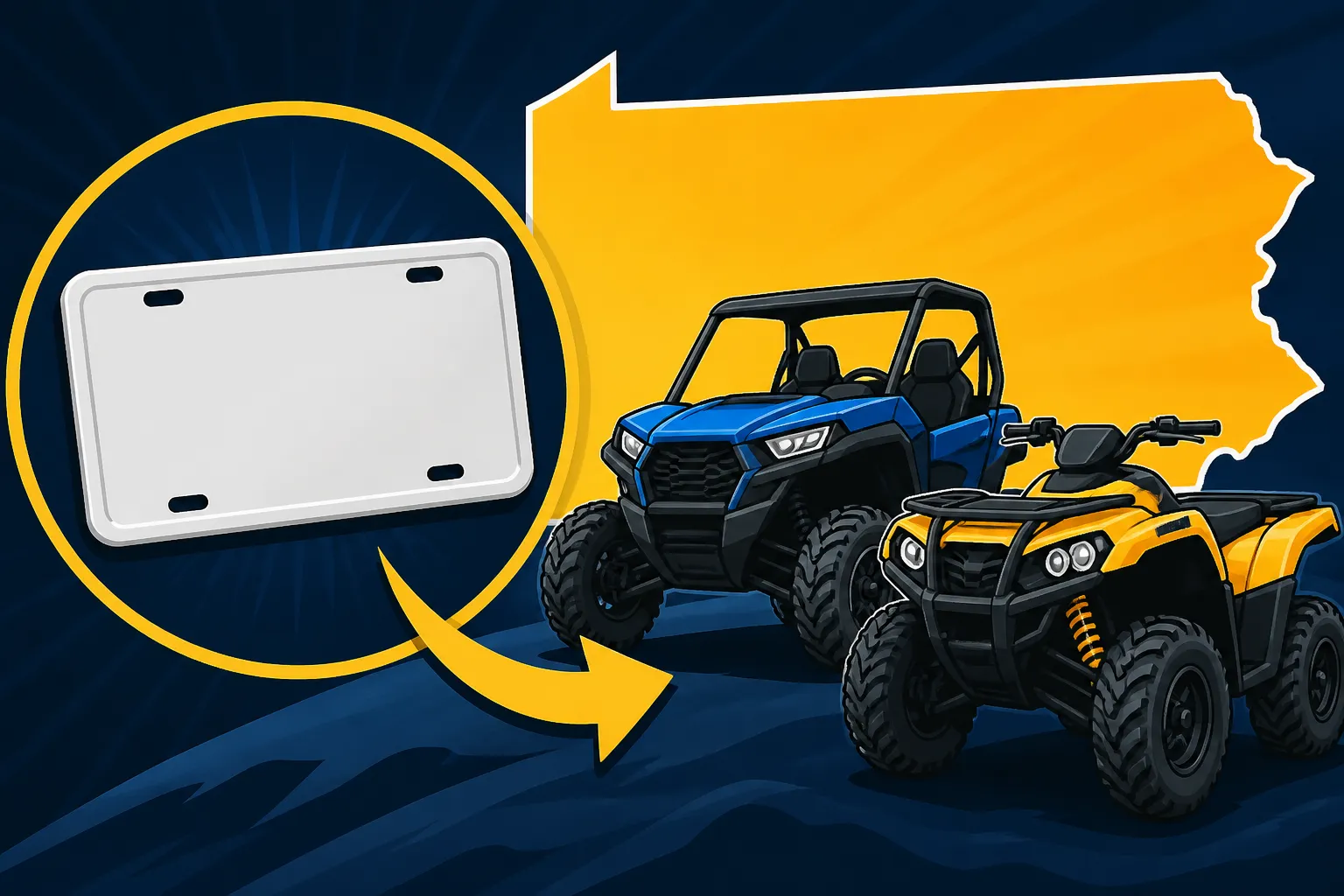
The plate will feature "PA ATV" (or "PA UTV" depending on your machine) along with a unique alphanumeric serial number. This number is your machine's identifier within the DCNR system, much like a vehicle's license plate number. It also indicates the year of expiration, or sometimes a sticker will denote the expiration, similar to a car's registration sticker. The size is also standardized, fitting most ATV and UTV mounting locations. This consistent look helps DCNR staff and law enforcement quickly confirm your registration type. For a visual reference, take a look at The Plate Pennsylvania Gives Limited Registrants.
Distinguishing from General Registration Plates
Understanding the difference between the orange limited registration plate and the general registration plate is paramount. Pennsylvania's general registration plates are blue. That's right, blue for general, orange for limited. This color-coding is the primary visual cue. The blue plate, signifying general registration, means the owner has paid the higher fee that contributes to the DCNR's snowmobile and ATV program, funding trail maintenance, safety education, and enforcement on public lands.
So, if you're pulling up to a trailhead like the one at Sproul State Forest and a DCNR ranger spots an orange plate on your machine, they know immediately that you shouldn't be there. Conversely, a blue plate indicates you're good to go (assuming all other requirements are met, like an [Pennsylvania ATV Safety Certificate Requirements] if you're under a certain age). This clear visual distinction is a simple yet effective way for authorities to manage trail access. It avoids ambiguity and ensures compliance with registration requirements, which ultimately helps keep trails safe and well-maintained for those who contribute to their upkeep.
Where to Mount Your Limited Registration Plate
Once you receive your shiny new orange limited registration plate, the next critical step is to mount it correctly on your ATV or UTV. This isn't just about aesthetics; it's a legal requirement that your plate be clearly visible and legible at all times. Improper mounting can lead to issues with law enforcement or DCNR rangers, even if your registration is otherwise valid. The goal is to ensure that anyone needing to identify your machine can do so without difficulty, especially from the rear.
Consider the rough and tumble nature of ATV and UTV riding. Your plate needs to be secured in a way that it won't easily fall off, get covered in mud, or be damaged by terrain. While specific mounting kits aren't usually provided by DCNR, most ATVs and UTVs have designated areas or convenient spots that accommodate a standard plate size. Always consult your machine's owner's manual for recommended attachment points if you're unsure.
Ensuring Visibility and Legibility
Pennsylvania regulations specify that your ATV or UTV plate must be mounted on the rear of the machine, visible from the back. This means no tucking it under a fender where it’s obscured by mud flaps, or mounting it sideways. It needs to be upright, unobstructed, and easily readable. Imagine a DCNR ranger needing to confirm your registration from a short distance; they should be able to do so without having to get off their vehicle or squint through brush.
To maintain legibility, regularly clean your plate. A thick coating of mud or dust, which is inevitable after a good ride, can render your plate unreadable. While you might not be hitting public trails, maintaining a clean plate is still a good practice for private land use, especially if you ever need to prove ownership or if local authorities are called to your property for any reason. Use sturdy bolts or zip ties designed for outdoor use to ensure it stays put, even over jarring terrain. For advice on specific placement, see [Where Pennsylvania Wants the Plate Mounted].
Protecting Your Plate from Trail Hazards
Off-road riding is inherently rough on equipment, and your registration plate is no exception. It’s exposed to mud, rocks, branches, and even occasional bumps. Mounting it securely and in a relatively protected spot can extend its life and prevent you from needing a replacement. Avoid mounting it in a low position where it's likely to get snagged on obstacles or be constantly sprayed with mud and debris from your tires.
Many riders opt for a plate relocation bracket that can move the plate to a higher, more central position on the rear rack or fender. Others might even fashion a small mud flap or guard around it, being careful not to obscure the plate itself. While the orange plate signifies private land use, a bent, mangled, or missing plate can still complicate things, particularly if you're selling the machine or if there's ever a question of ownership. A little proactive protection can save you a headache and the cost of a replacement plate down the line. What a [Rock Trail Does to Your ATV Plate] is a real concern!
The Wallet Card: Your Companion to the Plate
While the physical orange plate mounted on your ATV or UTV is the most visible sign of your limited registration, it's not the only piece of documentation you'll receive from DCNR. Every registration, whether limited or general, also comes with a small, durable wallet card. This card is just as important as the plate itself and serves a crucial role in verifying your registration status, especially when you're off the machine.
Think of it as your portable proof of registration, much like your driver's license for a car. The plate confirms the machine is registered, but the wallet card confirms you are the registered owner and provides a handy reference for all your registration details. It’s designed to be easily carried with you, making it simple to present if ever requested by a landowner, private security, or local law enforcement.
Why Both a Plate and a Card Are Issued
The DCNR issues both a physical plate and a wallet card for several practical reasons. The plate offers visible identification for the machine, allowing quick checks from a distance without needing to stop the operator. This is particularly useful in situations where multiple machines are present, such as at a private riding event or large gathering. It provides an immediate, unmistakable identifier.
The wallet card, on the other hand, provides detailed proof of ownership and registration information. It includes specifics like the owner's name, address, the machine's VIN, registration number, and expiration date. This card is what you'd present if asked for proof of registration off the machine, for instance, when entering private land where permission is required, or during a routine check by a landowner. It’s also crucial for private sales, showing the buyer that the machine is legally registered. For a deeper dive, check out [Why Both Pennsylvania Registrations Include a Wallet Card].
Keeping Your Wallet Card Safe and Accessible
Given its importance, it's essential to keep your wallet card safe and easily accessible whenever you're operating your ATV or UTV. Many riders choose to carry it in their actual wallet, just like a driver's license. Others prefer a small, waterproof pouch that can be kept in a jacket pocket, a storage compartment on the machine, or even a fanny pack. The key is to protect it from the elements—mud, water, and sweat—while ensuring it's readily available if needed.
Imagine you're on a friend's property, and they ask to see proof of registration for insurance purposes or just to confirm you're legit. Fumbling for a wet, crumpled piece of paper isn't ideal. A laminated card kept in a secure, dry place will make this interaction smooth and professional. It also helps to prevent loss or damage, avoiding the hassle of needing to order a replacement. Remember, even though it's a "limited" registration, the state still expects you to properly maintain and present your documentation.
Obtaining and Renewing Your Limited Registration Plate
The process of getting your limited registration plate in Pennsylvania is relatively straightforward, but it does require attention to detail and completing the right paperwork. Whether you're registering a brand-new machine or one you've just purchased used, knowing the steps can save you time and prevent unnecessary delays. The DCNR aims to make this process accessible, but it's up to you as the owner to ensure all requirements are met.
Once you've successfully registered your machine, the process doesn't end there. Like all registrations, limited registration isn't permanent; it needs to be renewed periodically to remain valid. Staying on top of renewal dates is crucial to avoid any lapse in registration, which could lead to complications down the road.
Initial Application Steps
To obtain your initial limited registration, you'll primarily be working with DCNR Form DCNR-43, the "Application for Certificate of Title and Registration for an All-Terrain Vehicle or Snowmobile." This form is your gateway to getting that orange plate. You'll need to provide detailed information about yourself as the owner, and equally detailed information about the ATV or UTV you're registering. This includes the make, model, year, and crucially, the Vehicle Identification Number (VIN).
You'll also need proof of ownership, such as a manufacturer's certificate of origin (MCO) for a new machine, or a bill of sale and previous title (if applicable) for a used one. If you're buying a used machine from a private seller, having a robust bill of sale is important, and resources like LawDepot can provide templates to ensure all necessary information is included for a clear transfer of ownership, which aids in the registration process. This helps prove that you are the rightful owner. Don't forget the applicable fees, which are typically lower for limited registration compared to general. You can mail in your application or, in some cases, process it through an authorized dealer. For all the specifics on the form, see [What Pennsylvania Asks on Form DCNR-43].
The Renewal Process
Pennsylvania's ATV and UTV registrations, including limited registrations, are valid for a two-year period. This means you'll need to renew your registration every two years to keep it active. DCNR typically sends out renewal notices as your expiration date approaches, but it's ultimately your responsibility to track this date and ensure timely renewal. Ignoring these notices or simply forgetting can lead to your registration lapsing, making your machine unregistered in the eyes of the state.
Renewing is often simpler than the initial application. You can usually renew online through the DCNR's Snowmobile and ATV Portal, which is often the quickest and most convenient method. Alternatively, you can typically renew by mail using the form provided with your renewal notice. Ensure all information is current, especially your address, so DCNR can reach you. The renewal fees for limited registration will apply, and once processed, you'll receive updated documentation and perhaps a new sticker for your plate. For details on how long the registration lasts, read [How Long a Pennsylvania ATV Registration Lasts]. Be sure to mark your calendar so you don't miss the deadline for [Renewing Every Two Years in Pennsylvania].
Common Misconceptions and Troubleshooting
Even with clear guidelines, questions and misunderstandings frequently arise regarding limited registration. It's easy to get confused, especially if you're new to the world of ATV and UTV riding in Pennsylvania. Addressing these common issues upfront can help you avoid potential headaches, fines, or disappointment when you discover your orange plate doesn't grant the access you assumed it would.
Riders often find themselves in situations where their initial plans for their ATV change, or they simply didn't fully grasp the distinctions at the time of purchase. Being prepared for these scenarios and knowing how to troubleshoot them is part of being a responsible ATV owner.
When a Limited Plate Isn't Enough
The biggest misconception is often about trail access. As we've covered, your orange limited registration plate is not for DCNR trails or any public roads designated for ATV use. If you suddenly decide you want to join friends on a trip to the Allegheny National Forest trails or explore a state forest trail system, your limited plate will be insufficient. This can be a real letdown if you show up at a staging area only to be turned away.
In such cases, you would need to convert your limited registration to a general registration. This typically involves paying the difference in fees and submitting the appropriate forms to DCNR. It's a conversion that many riders make as their riding habits evolve, perhaps starting on private land and then wanting to explore the broader public trail networks. Don't risk a fine; if your riding plans extend beyond private property, it's time to upgrade your registration. You can learn more about this process in [Switching From Limited to General in Pennsylvania].
Lost, Stolen, or Damaged Plates
Accidents happen. Plates can get bent, fall off on a bumpy trail, or even be stolen if your machine is left unsecured. Discovering your limited registration plate is missing or unreadable is a problem that needs to be addressed promptly. Operating an ATV or UTV without a visible, legible, and valid registration plate is against Pennsylvania law, even on private property.
If your plate is lost, stolen, or damaged beyond recognition, you'll need to apply for a replacement through DCNR. This usually involves completing a specific form (often the same general application form, indicating it's for a replacement) and paying a small replacement fee. It's wise to do this as soon as possible to avoid any issues. While waiting for your new plate, it’s best to avoid riding, or at least be prepared to explain the situation with proof of your replacement application if you must operate the machine. For costs and procedures, refer to [Replacing a Lost Pennsylvania ATV Plate].
Comparison of Pennsylvania ATV/UTV Registration Types
To help clarify the differences between limited and general registrations, here's a quick comparison table outlining the key aspects of each. This can be particularly helpful if you're still deciding which registration type is right for your riding style or if you're considering changing your current registration.
| Feature | Limited Registration (Orange Plate) | General Registration (Blue Plate) |
|---|---|---|
| Primary Use | Private property, agricultural, logging, hunting camps. | Public DCNR-designated trails, joint-use roads. |
| Plate Color | Orange | Blue |
| Trail Access | NO access to DCNR state trails or designated public roads. | YES access to DCNR state trails and designated public roads. |
| Fees | Generally lower than general registration. | Generally higher, contributes to trail maintenance funds. |
| Proof of Reg. | Orange plate on machine + DCNR wallet card. | Blue plate on machine + DCNR wallet card + expiration sticker. |
| Insurance Req. | Not required by state for private property, but always recommended. | Required for use off private property. |
| Renewal Cycle | Every two years. | Every two years. |
| Conversion | Can be converted to General Registration. | Can be converted to Limited Registration. |
| Common Scenario | Farm quad, machine for large private land parcel. | Rider wanting to access state forest trails like Bloody Skillet. |
This table highlights that while both types of registration provide a legal identity for your machine, their primary purpose and the access they grant are fundamentally different. Choosing the right one ensures you're riding legally and responsibly within Pennsylvania.
Disclaimer
This article is for general informational purposes only and does not constitute professional advice. Laws, prices and regulations vary by location and change over time. Consult a qualified professional for guidance on your specific situation.