How a Pennsylvania Township Designates a Road
Oh, the labyrinthine world of ATV and UTV riding in Pennsylvania! It's enough to make your head spin, isn't it? One minute you're legally tearing up a state forest trail, the next you're looking at a seemingly innocuous township road, wondering if your joyride is about to become a ticketable offense. This guide is here to unravel one of the trickiest parts of that puzzle: understanding exactly how a Pennsylvania township decides to open one of its roads for ATV and UTV use, and what that means for you as a rider.
Understanding the Local Landscape for ATV Riding
Navigating the rules for ATV and UTV riding in Pennsylvania can feel like trying to find your way through a dense forest without a map. Riders often encounter a patchwork of regulations that change from one municipality to the next, especially when it comes to local roads. It's a source of constant frustration for enthusiasts who just want to enjoy their machines without fear of inadvertently breaking the law. The state provides a framework, but the real nitty-gritty, the day-to-day access, often comes down to individual township decisions.
The General Rule: No ATVs on Roads (and why it's frustrating)
Let's be brutally honest: the default position in Pennsylvania is that ATVs and UTVs are not permitted on public roads. This isn't just a suggestion; it's enshrined in state law, specifically in Title 75 (Vehicle Code) and Title 17 (Conservation and Natural Resources). For many riders, this general prohibition is a huge pain point. You might have a perfectly capable machine, legally registered with DCNR, fully insured, and equipped with all the necessary safety gear, but if you can't even connect from your garage to the nearest trailhead via a short stretch of township road, what's the point?
This rule often forces riders to trailer their machines even for short distances, adding time, expense, and logistical headaches to what should be a simple outing. Imagine living just a quarter-mile from a designated trail system, but having to load your quad onto a trailer, drive that short distance, unload, and then reload at the end of the day. It's inefficient, and it creates a barrier to casual riding. This is precisely why the concept of a "designated road" becomes so crucial for expanding access and reducing rider frustration. It's about creating logical pathways, not just isolated pockets of trails.
The Exception: When Townships Step In
Now, here's where the story gets interesting, and a little less restrictive. While the general rule is "no roads," Pennsylvania law does provide a critical exception: local municipalities, including townships, have the authority to designate certain roads under their jurisdiction for ATV and UTV use. This isn't a free-for-all, of course; it comes with its own set of responsibilities for the township and, by extension, for the riders. But it opens up a world of possibility for creating connection routes, accessing trailheads, and sometimes even allowing riders to get to local businesses or amenities.
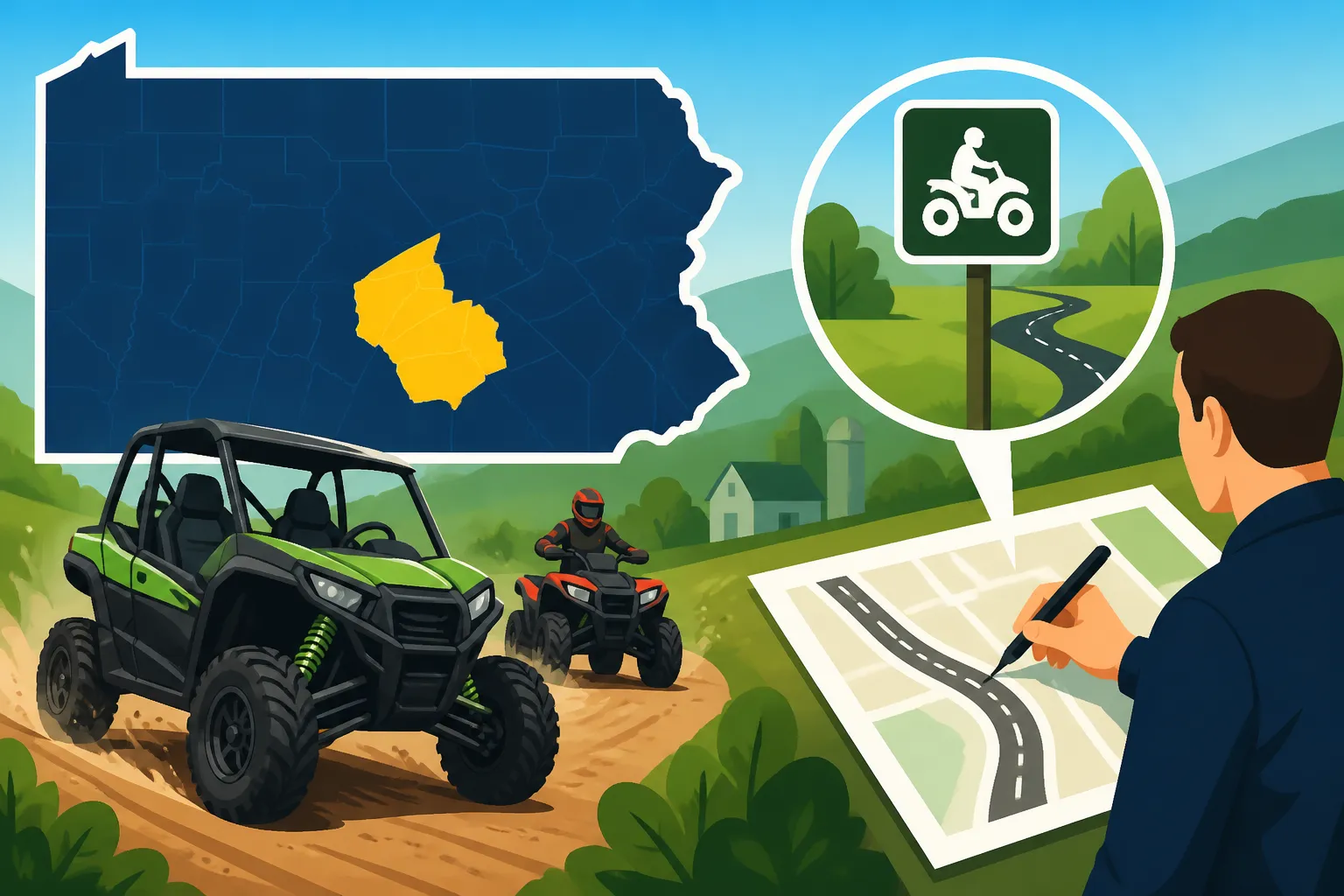
These designated roads are usually marked with a specific sign – often referred to as [The Green Sign on a Pennsylvania Township Road] – indicating that ATV and UTV traffic is permitted. Without this sign, you should always assume the road is off-limits, no matter how many other riders you might see on it. The power to create these exceptions rests entirely with the local township's governing body, meaning that what's legal in one township might be strictly prohibited just across the border in the next. This local control means that riders often need to be intimately familiar with the specific ordinances of the areas they plan to ride in, which can be a full-time job in itself!
The Power of the Local Governing Body
When it comes to opening up roads for ATV and UTV use, the decision-making power truly lies at the hyper-local level in Pennsylvania. It's not a state-level mandate that opens a township road; it's a very deliberate process undertaken by elected officials who represent the residents of that specific community. Understanding who these officials are and how they operate is key to comprehending why some areas embrace ATV use on their roads, and others remain staunchly against it.
Township Supervisors and Ordinances
In most Pennsylvania townships, the governing body is a board of elected supervisors. These individuals are responsible for setting local policy, managing budgets, and making decisions that impact daily life in their community – including whether or not ATVs and UTVs can use township-maintained roads. For a road to be designated, these supervisors must typically pass a formal resolution or ordinance. This isn't a casual conversation over coffee; it's a legally binding legislative act that goes through a public process.
The supervisors will consider various factors, from public safety to potential economic benefits, before voting on such an ordinance. Sometimes, this process is initiated by a specific request from a group of residents or a local ATV club. Other times, it might be part of a broader community planning effort to promote tourism or connect existing trail systems. Regardless of the impetus, the final decision rests squarely with these elected officials, and their vote is what ultimately creates a [Township Roads Open to Pennsylvania ATVs]. Without that official action, the roads remain closed by default.
Public Input and Community Concerns
The process of designating a road for ATV use is rarely a quiet affair. It almost always involves significant public discussion and input. Before township supervisors can pass an ordinance, they are usually required to hold public meetings, where residents have the opportunity to voice their opinions, concerns, and support. This is a critical stage where riders, landowners, and other community members can make their case, for better or worse.
On one side, you'll often hear from ATV enthusiasts and local businesses that stand to gain from increased trail access and tourism. They might highlight the economic benefits, the responsible nature of their sport, and the desire for safe, legal connector routes. On the other side, supervisors often hear from residents concerned about noise, dust, increased traffic, property value impacts, and safety risks to pedestrians, cyclists, and other motorists. These concerns are legitimate and must be addressed. It's a delicate balance for supervisors to weigh the potential benefits against the potential drawbacks, and the outcome often depends heavily on the prevailing sentiment within the community. Sometimes, townships find themselves asking [Why Most Roads Stay Closed], largely due to these persistent community concerns.
The Designation Process: Step-by-Step
So, how does a dusty, gravel backroad or a quiet, paved connector go from being off-limits to open for ATV and UTV riders? It's not magic, and it's certainly not instant. The designation process is a bureaucratic journey that requires careful planning, legal formalization, and clear communication. Understanding these steps can help riders advocate for more access in their communities or simply appreciate the effort that goes into creating those rare opportunities.
Identifying Potential Routes and Connector Paths
Before a township can officially open a road, they first have to decide which roads make the most sense. This isn't just about picking any old road. Townships typically look for routes that serve specific purposes: connecting existing state-managed trails, linking to private riding areas, or providing access to essential services (like gas stations or restaurants) for riders. Safety is a huge consideration here, so heavily trafficked roads, or those with poor sightlines, sharp curves, or residential densities, are usually avoided. The goal is to create [Pennsylvania Joint-Use Roads and Who Shares Them] that minimize conflict.
Often, local ATV clubs or community groups will play a crucial role in this initial identification stage. They might conduct informal surveys, propose specific routes, and even gather community support to present to the township supervisors. They'll often try to identify routes that are already less used by traditional vehicle traffic, or those that can serve as logical [Connector Routes Between Pennsylvania Trails]. This collaborative effort is vital, as supervisors often rely on local knowledge to make informed decisions about the practicality and safety of potential ATV routes.
The Resolution or Ordinance: Making It Official
Once potential routes are identified and public input has been gathered, the real legislative work begins. The township supervisors will draft a formal resolution or ordinance. This legal document explicitly defines which roads, or portions of roads, are designated for ATV and UTV use, often specifying operating hours, speed limits, and other conditions. It will reference the state statutes that grant them this authority and outline the local regulations that will govern ATV operation on these specific roads.
This resolution isn't just a simple statement; it's a detailed piece of legislation. It often includes provisions for enforcement, penalties for violations, and mechanisms for review or amendment. The process typically involves multiple readings at public meetings, giving residents ample opportunity for comment before a final vote is taken. This formal step is what gives legal weight to the designation, transforming a general prohibition into a specific allowance. Without this official township action, regardless of any informal discussions or desires, the roads remain closed to ATVs and UTVs. This is the moment when [Who Votes to Open a Road] truly matters.
Signage and Public Notification: What Riders See
After an ordinance is officially passed, the township has a responsibility to clearly communicate these new rules to both residents and riders. The most visible manifestation of this is the installation of specific signage along the designated roads. As mentioned, the "green sign" is the common indicator that an ATV/UTV is permitted on that particular stretch of pavement or gravel. These signs are critical for enforcement and for rider compliance; without them, riders are left guessing, which can lead to confusion and fines.
Beyond physical signs, townships often issue public notices, update their websites, and inform local law enforcement about the newly designated routes. This ensures that everyone, from casual residents to visiting riders, is aware of where they can and cannot legally operate their machines. Proper signage should be visible from both directions of travel and at all access points to the designated road, leaving no room for ambiguity. This clear communication is essential not only for public safety but also for fostering a positive relationship between the riding community and the local municipality. You want to see that clear [The Green Sign on a Pennsylvania Township Road] before you venture out.
Factors Influencing a Township's Decision
Deciding whether to open township roads to ATVs and UTVs is a complex balancing act for local supervisors. It’s not just about what riders want; it's about what’s best for the entire community. Numerous factors weigh into their deliberations, and understanding these can shed light on why some townships eagerly embrace the idea, while others remain firmly closed off.
Safety Concerns and Traffic Patterns
Perhaps the most significant factor a township board considers is public safety. Introducing ATVs and UTVs onto roads designed primarily for cars, trucks, and sometimes pedestrians or bicycles raises legitimate concerns. Supervisors will scrutinize traffic volumes, speed limits, road widths, sight distances, and the presence of schools, parks, or residential areas. They want to know if these machines can safely coexist with other vehicles and vulnerable road users. This is where things like proper lighting, mirrors, and even specific tire requirements for ATVs and UTVs become important – riders need to demonstrate they can operate safely on mixed-use surfaces. For machines that frequently encounter road sections, investing in enhanced visibility components, like those from SuperATV, can significantly improve safety and potentially sway public opinion towards acceptance.
There are concerns about inexperienced riders, especially younger ones, and the potential for accidents. Townships may impose additional restrictions beyond state law, such as specific hours of operation or even stricter age limits on their designated roads. The primary goal is always to minimize the risk of collisions and ensure the well-being of everyone using the roads. If a route poses too many inherent safety hazards, it’s highly unlikely to be designated, no matter how convenient it might be for riders.
Economic Benefits and Tourism
On the flip side, townships often look at the potential economic upside of opening roads to ATVs and UTVs. In rural areas, particularly those with existing trail systems, ATV tourism can be a significant boost to local businesses. Riders need fuel, food, lodging, and sometimes repairs, all of which inject money into the local economy. Designating connector roads can make it easier for riders to access these services, encouraging longer stays and repeat visits. This is often why you see [Pennsylvania's Designated ATV Roads] around popular riding destinations.
Local businesses, such as gas stations, restaurants, and convenience stores, might actively lobby supervisors to open roads, presenting data on potential revenue increases. This economic argument can be very compelling, especially in communities struggling with declining industries or seeking new avenues for growth. Supervisors must weigh these potential benefits against the costs, such as increased road maintenance or potential public safety expenditures. When the economic argument is strong, it can often overcome some of the initial hesitations regarding road designation.
Infrastructure and Maintenance Considerations
Another practical concern for townships is the impact of ATVs and UTVs on their road infrastructure and the associated maintenance costs. While ATVs are generally lighter than traditional vehicles, concentrated or heavy use on gravel or unpaved roads can accelerate wear and tear, leading to potholes, washboarding, and erosion. Supervisors will consider the current condition of their road network, the type of surfacing on proposed routes, and their existing budget for road maintenance.
Some townships might require riders or ATV clubs to contribute to road maintenance efforts, either through permit fees or volunteer work. This can be a point of negotiation during the ordinance development. For example, if a township approves a route that often gets muddy, they might look to groups using heavy-duty equipment – perhaps even customized UTVs with SuperATV utility beds or plows for moving gravel – to assist in upkeep. This helps offset the burden on local taxpayers. The willingness of the riding community to take responsibility for shared infrastructure can significantly influence a township's decision, making the proposition more palatable from a financial standpoint.
What It Means for Riders: Rules and Responsibilities
So, a township has done the hard work, deliberated, held public meetings, and finally designated a road for ATV and UTV use. Fantastic, right? Absolutely! But for us as riders, this isn't a free pass to do whatever we want. It comes with a very specific set of rules and responsibilities that we must adhere to. Ignoring these not only risks a hefty fine but also jeopardizes the future of these precious access points for everyone.
Specific Operating Requirements on Designated Roads
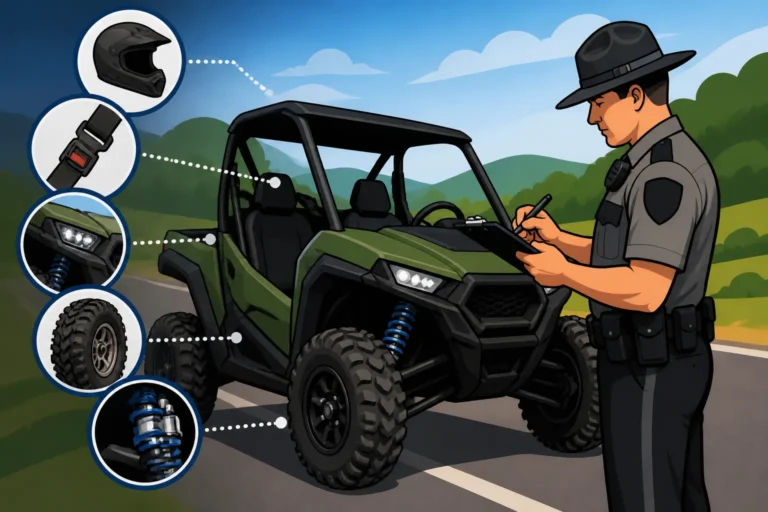
Just because a road is open to ATVs doesn't mean it's open season for reckless riding. Pennsylvania law, and often the township's specific ordinance, will outline strict operating requirements. You can expect things like mandatory helmets (even for adults, in many cases, especially when under 16), valid [Pennsylvania ATV Registration] and proper [Pennsylvania ATV Plates and Where They Mount], and proof of [Pennsylvania ATV Insurance Requirements]. Furthermore, ATVs and UTVs on designated roads must typically meet certain equipment standards: working headlights and taillights, brake lights, and mirrors are often required. Machines must also be equipped with an approved muffler and spark arrester to control noise and prevent wildfires, issues that are often at the heart of community concerns.
Speed limits will be enforced, and they are usually much lower than the posted speed limit for cars on the same road, sometimes as low as 15 or 25 mph. Riders are expected to operate safely, respect private property adjacent to the road, and yield to other traffic. Think of it less like an open trail and more like sharing a public thoroughfare where your vehicle is simply a different type of allowed traffic. Familiarize yourself with all the specific provisions of the local ordinance, as they can sometimes be more stringent than state-wide regulations. This might mean equipping your machine with additional accessories, perhaps even rugged items from SuperATV, to ensure full compliance and safety on varied terrain.
Connecting to State Trails and Other Networks
One of the primary reasons townships designate roads is to create vital connections. This means using a short stretch of public road to link a rider's home to a DCNR-managed state forest trail, or connecting two otherwise isolated segments of a trail system. These "connector routes" are incredibly valuable, as they reduce the need for trailering and allow for longer, more integrated rides. They transform fragmented riding opportunities into cohesive networks, enhancing the overall experience for riders. Imagine being able to ride from your camp directly to [Whiskey Springs and Pennsylvania's Longest Trail], even if it means a mile or two on a designated township road.
However, riders must be aware that designated township roads are generally not state forest roads or Game Lands roads. The rules can be different. While a township road might lead you to a state forest trailhead, you still need to ensure you have the appropriate [Pennsylvania ATV Trail Permits Explained] for the state lands themselves. It's a chain of permissions: township permission for the road, and DCNR/Allegheny National Forest permission for the trails. Never assume that because you're on a designated township road, you can automatically access any adjacent state land; always check the specific rules for each segment of your ride.
The "Green Sign" and How to Interpret It
That green sign – often with a white ATV silhouette and sometimes directional arrows or specific hours – is your explicit permission slip to be on that road. It's your signal from the township that you are welcome and legal. However, it's absolutely crucial to remember what that sign doesn't mean. It doesn't mean you can ride off the shoulder into someone's field. It doesn't mean you can disregard speed limits or other traffic laws. And it definitely doesn't mean you can ride on any road in that township, only the ones specifically marked. A designated road is an exception, not a blanket rule.
If you don't see the [The Green Sign on a Pennsylvania Township Road], assume the road is closed to ATVs. This is the safest and most legally sound approach. Ignorance of the law is never an excuse, and a township official or state game warden will not hesitate to issue a citation for riding on an undesignated road. Being a responsible rider means actively seeking out these signs and respecting their absence elsewhere. It builds trust with local communities and helps ensure that these limited opportunities for road access are preserved and potentially expanded in the future.
| Factor | Encourages Designation | Discourages Designation |
|---|---|---|
| Community Support | Strong local advocacy from riders & businesses | High volume of resident complaints (noise, dust) |
| Economic Impact | Potential for tourism, increased local business revenue | No perceived economic benefit, or fear of increased costs |
| Road Characteristics | Low traffic volume, good sightlines, suitable surface (gravel/less-trafficked paved) | High traffic, poor visibility, residential density, school zones |
| Safety Concerns | Clear safety plan, rider education, proposed speed limits | High accident risk, lack of enforcement resources, general public safety fears |
| Connectivity | Links to established trail systems, local amenities | Creates isolated segments, no logical endpoints for riders |
| Infrastructure Impact | Willingness of riders/clubs to assist with maintenance, low impact | Significant wear and tear on roads, budget constraints for repairs |
| Enforcement Capacity | Local law enforcement supportive and able to enforce rules | Lack of resources or desire to enforce new regulations |
Disclaimer
This article is for general informational purposes only and does not constitute professional advice. Laws, prices and regulations vary by location and change over time. Consult a qualified professional for guidance on your specific situation.