Pennsylvania Rules for a Fifteen-Year-Old Rider
It can feel incredibly frustrating when your 15-year-old is itching to hit the trails, full of confidence and skill, but you're not entirely sure what the legal landscape in Pennsylvania allows. You want them to enjoy the thrill of ATV riding, but you also need to ensure they're safe and that you're both on the right side of the law. This guide will walk you through the specific regulations governing 15-year-old ATV riders in the Keystone State, clarifying where they can ride, what training they need, and how to keep them safe and compliant.
Navigating Pennsylvania's ATV Age Restrictions for 15-Year-Olds
Pennsylvania's laws regarding ATV operation are designed to balance the excitement of off-road riding with essential safety considerations, especially for younger operators. For a 15-year-old, this often means navigating a set of rules that can feel a bit complex, particularly when comparing private property to public access areas. The general sentiment is that while competence might be high, the legal framework often prioritizes experience and maturity, especially in high-risk environments.
The Core Age Rule and Its Nuances
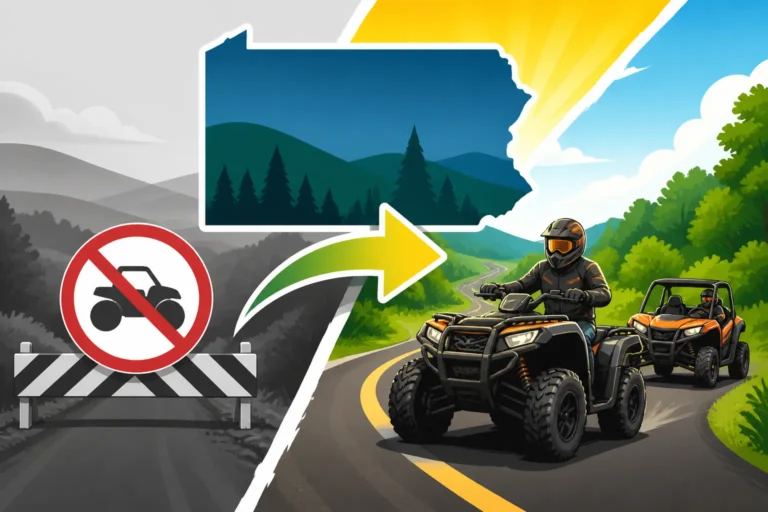
The foundational rule in Pennsylvania states that to operate an ATV on designated roads, a rider must be at least 16 years old. This is a critical distinction that often catches families off guard. Many 15-year-olds are perfectly capable drivers in other contexts, but the state draws a firm line when it comes to shared public roadways, even those designated as "joint-use." This rule is rooted in a broader understanding of traffic safety, where operating a specialized vehicle like an ATV alongside traditional motor vehicles requires a level of judgment and experience that is legally ascribed to those 16 and older. It's not about your child's personal skill, but rather the state's blanket policy for road safety.
However, this doesn't mean your 15-year-old is entirely grounded. The age restriction primarily applies to public road usage. The law recognizes that private property offers a different risk environment, and state-managed trail systems have their own sets of regulations that sometimes allow younger riders under specific conditions. Understanding these nuances is key to finding legal and safe riding opportunities. It's about recognizing that the "road rule" isn't the only rule, but it is one of the most restrictive. You might find it helpful to review [Pennsylvania's Sixteen-Year-Old Road Rule] for more context on this particular restriction.
Where a 15-Year-Old Can Legally Ride
For a 15-year-old, the primary legal places to ride an ATV in Pennsylvania are on private property with explicit permission from the landowner or on certain state-managed ATV trail systems. On private land, the owner sets the rules, but it is still highly recommended that all riders, regardless of age, adhere to basic safety practices and wear appropriate gear. This is where many families begin their riding journey, as it offers a controlled environment to build skills without the complexities of public land regulations. Always ensure you have written permission when riding on land you don't own to avoid any trespass issues.
When it comes to public lands, Pennsylvania State Forest trails generally allow riders between the ages of 8 and 15, provided they have successfully completed an approved ATV safety training course and are under the direct supervision of an adult (18 years or older) who also holds a valid safety certificate. This supervised access is a fantastic opportunity for younger riders to experience the vast and beautiful [Pennsylvania State Forest Trails]. It's crucial to understand that even on these designated trails, specific rules apply regarding machine size and supervision, ensuring a safe experience for all users. The goal here isn't to restrict fun, but to foster responsible riding habits from a young age.
Safety Training and Certification for Young Riders
Safety is paramount when it comes to ATV riding, and Pennsylvania has specific requirements to ensure that young riders are adequately prepared for the challenges of the trail. Simply being able to operate the machine isn't enough; understanding trail etiquette, environmental considerations, and emergency procedures is just as important. These training requirements are designed to instill a comprehensive understanding of responsible ATV operation.
Mandatory Safety Course Requirements
For any rider aged 8 to 15 to operate an ATV on state-owned land in Pennsylvania, they must possess a valid ATV safety certificate. This isn't just a suggestion; it's a legal requirement. These courses, typically offered by the Pennsylvania Department of Conservation and Natural Resources (DCNR) or approved third-party providers, cover everything from basic operation and control to risk awareness, environmental impact, and state laws. Completing this course isn't just a hurdle; it's a foundational step that equips young riders with critical knowledge. The skills and awareness gained in an official course can make a significant difference in preventing accidents and ensuring enjoyable rides. You can learn more about these requirements by looking into [Pennsylvania ATV Safety Certificate Requirements].
Even if your 15-year-old only plans to ride on private land, taking a safety course is highly recommended. The principles taught are universal and contribute immensely to overall rider safety. Think of it like getting a driver's education certificate before getting a car license; it's about building a solid foundation. The certificate often needs to be carried with the rider when on public lands, so a small, waterproof holder for their [Why Both Pennsylvania Registrations Include a Wallet Card] and safety certificate is a wise investment.
The Importance of Practical Skills and Supervision
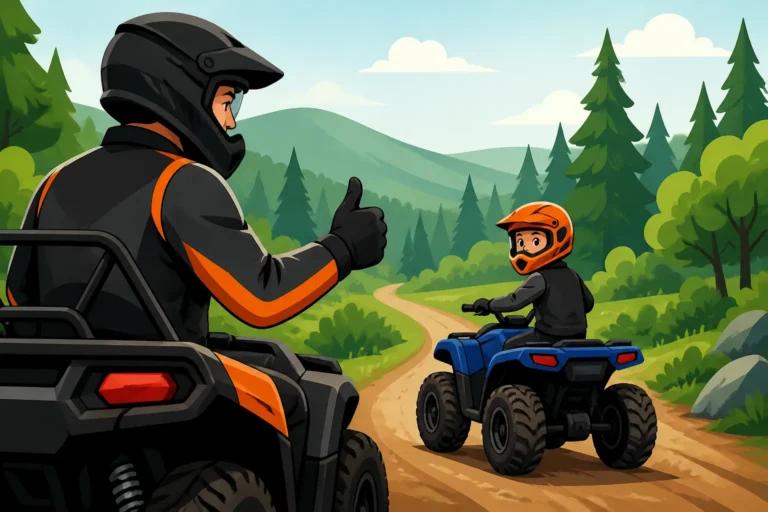
While the safety course provides theoretical knowledge and foundational skills, there's no substitute for practical, hands-on experience under direct adult supervision. A 15-year-old, even with a safety certificate, benefits immensely from having an experienced adult rider present, guiding them through varied terrain and reinforcing safe riding habits. This isn't just about watching them; it's about actively mentoring them on the trail. This supervision requirement is often strict on public lands, sometimes dictating that the supervising adult be within direct sight or hearing.
Beyond just watching, it's about teaching specific skills: how to navigate inclines and declines safely, how to handle obstacles, and what to do in case of a mechanical issue. Many families find that riding together, with the adult leading by example, is the best way to foster these skills. Investing in communications systems that allow for easy conversation between riders can also enhance safety and instruction, especially on longer rides. Remember, proper supervision isn't just about following rules; it's about passing down a love for the sport responsibly. This hands-on guidance complements the formal training, making for a much more competent and confident young rider.
Equipment and Machine Requirements for Teen Riders
Ensuring your 15-year-old has the right equipment and an appropriately sized machine is just as crucial as their training and where they ride. An ill-fitting helmet, a machine too powerful, or one that's not properly maintained can quickly turn a fun day into a dangerous situation. These are not areas where you want to cut corners; safety gear and machine suitability are non-negotiable.
Sizing the ATV to the Rider
For 15-year-olds, selecting the right-sized ATV is critical. While they are often physically capable of handling larger, more powerful machines, it's important that the ATV fits them well, allowing them to comfortably reach all controls (handlebars, throttle, brakes, footrests) and maintain balance. For riders under 16, Pennsylvania law, in line with national safety standards, generally recommends ATVs with engine sizes that match the rider's age and experience. For state-managed trails, the DCNR has specific guidelines, often capping engine size for younger riders, though a 15-year-old will typically be eligible for a machine that offers sufficient power for diverse terrain.
The goal is to ensure the rider can easily control the machine, especially in unexpected situations. An ATV that is too large or too powerful can be difficult to maneuver, increasing the risk of rollovers or loss of control. Conversely, a machine that is too small might not handle terrain effectively and could be uncomfortable or unstable. Test rides are crucial here to ensure a good fit. Focus on a machine that allows for confident and controlled riding, not just the fastest or most powerful available. Many dealerships have expertise in [Sizing a Machine to a Young Rider] and can provide excellent guidance.
ATV/UTV Modifications and Safety Accessories
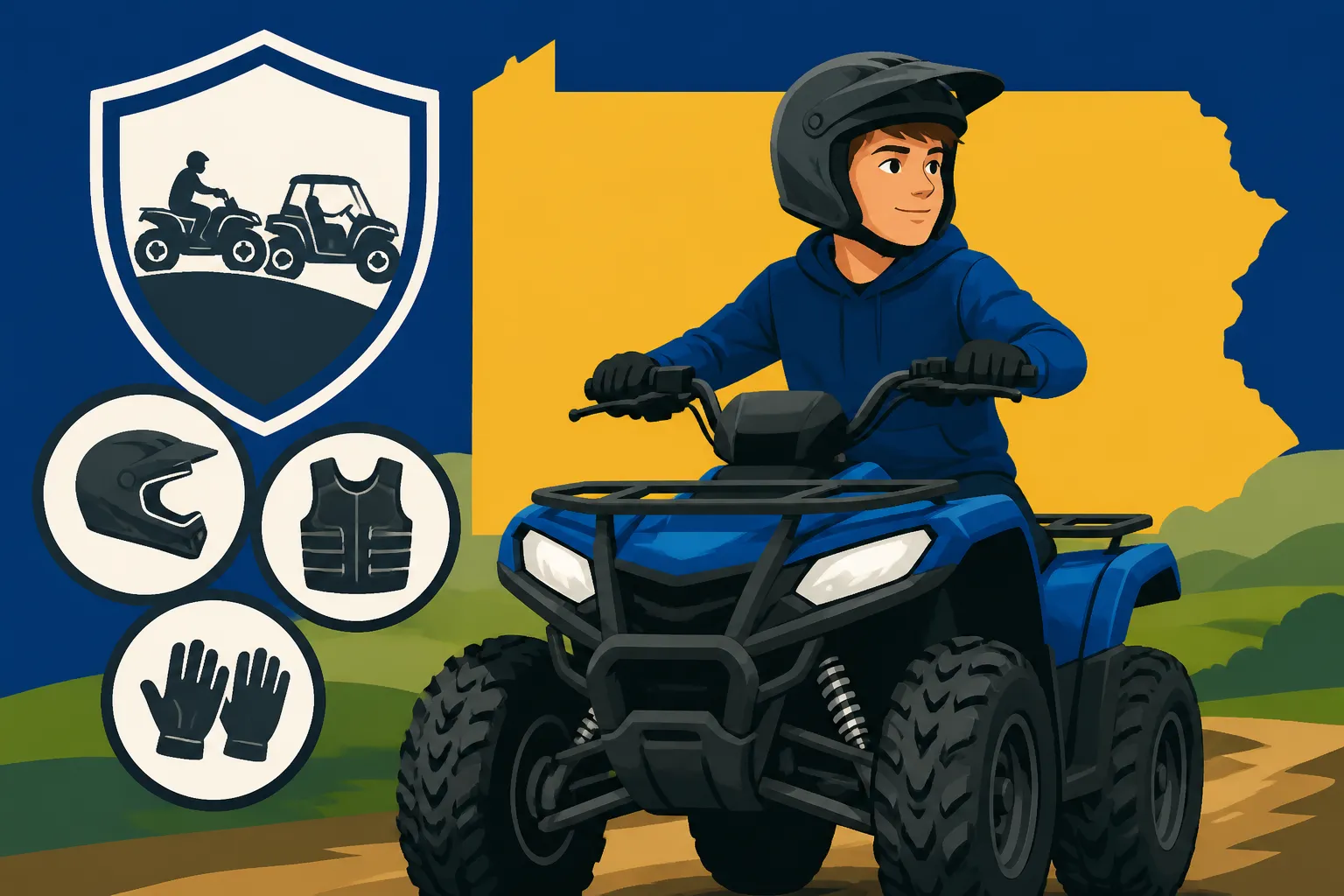
Beyond the right-sized machine, all riders, especially teenagers, need appropriate safety gear. This includes a DOT-approved helmet (which is mandatory for all ATV riders in Pennsylvania, regardless of age or experience, except under very specific agricultural exemptions). Eye protection, sturdy boots, gloves, and long-sleeved shirts and pants are also essential. These items provide crucial protection against impacts, abrasions, and flying debris. You can read more about specific requirements in [Pennsylvania Helmet Law for ATV Riders].
For the ATV itself, ensuring it's in top mechanical condition is vital. Regularly check tires, brakes, fluid levels, and lighting. If you're considering aftermarket additions, focus on those that enhance safety and performance. For instance, upgrades like robust skid plates, reinforced suspension components, or improved lighting from reputable brands like SuperATV can contribute to a safer and more enjoyable ride, especially when tackling challenging Pennsylvania terrain. SuperATV, for example, offers a wide range of accessories designed to improve durability and rider protection. Additionally, installing a durable flag on a whip antenna can greatly increase visibility on trails, which is particularly important for younger riders who might be less experienced in anticipating other trail users.
Understanding Road Crossings and Designated ATV Roads
One of the most common areas of confusion and potential legal trouble for ATV riders, especially younger ones, revolves around public roads. Pennsylvania's rules are quite strict in this regard, and it's essential for parents of 15-year-olds to understand exactly what is and isn't allowed. Misinterpreting these rules can lead to significant fines and dangerous situations.
Crossing Public Roads: The Strict Rules
For the most part, ATVs are not permitted on public roads in Pennsylvania. This prohibition extends to 15-year-olds without exception. The state's Department of Transportation (PennDOT) does not title or register ATVs for street use, meaning they are inherently off-road vehicles. While there are very limited circumstances under which an ATV might cross a highway or road, these crossings are highly regulated and come with strict conditions. For instance, a crossing must typically be at a 90-degree angle, only when safe, and often requires the operator to dismount and walk the machine across the travel lanes if not crossing at an intersection.
Crucially, even when legal crossings are made, the operator must be at least 16 years old to operate the ATV on any portion of a public roadway, including the shoulders, to facilitate such a crossing. This means a 15-year-old, even with a safety certificate and supervision, cannot legally operate an ATV across a public road. This restriction is a major point of emphasis in Pennsylvania's ATV laws, designed to prevent accidents between ATVs and motor vehicles. It's important to differentiate between crossing a trail and crossing a public road. You can find more specific rules by reviewing [Crossing a Highway on an ATV in Pennsylvania].
Designated ATV Roads and Their Age Implications
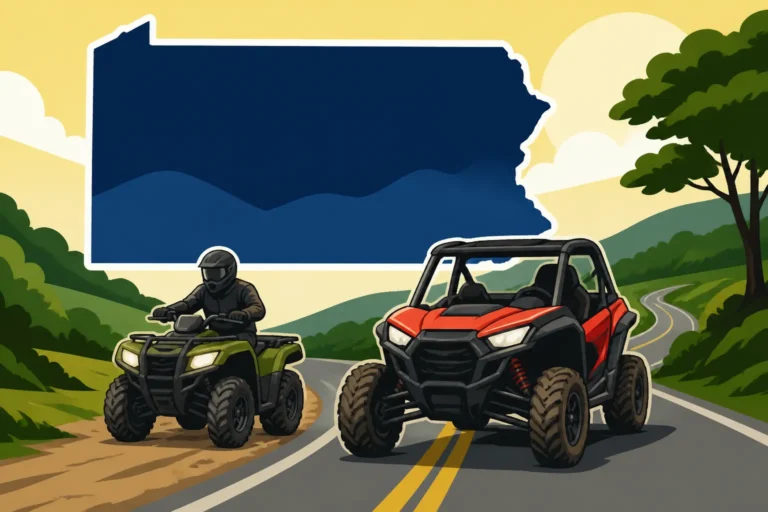
Pennsylvania has established some "joint-use" or designated ATV roads, typically township or borough roads, where ATVs are permitted. These are often connector routes between trail systems or provide access to trailheads. However, the critical point for 15-year-old riders is that these designated roads still fall under the general age 16 rule. This means that even on a road specifically opened for ATVs, a 15-year-old is not legally permitted to operate their machine.
The intent behind opening these roads is to create a more integrated trail network, allowing riders to travel safely from staging areas to trails. But the age requirement for operating on any public road, whether designated or not, remains firm at 16. It's a common misunderstanding that a "designated ATV road" removes all age restrictions. This is a vital distinction for parents to grasp to ensure compliance and avoid potential fines. Always look for the specific signage, like [The Green Sign on a Pennsylvania Township Road], but remember that even with that sign, the age rules still apply. For a 15-year-old, focus riding on private property or the state forest trails where younger riders are explicitly allowed under supervision.
| Riding Location | Age 15 Permitted? | Supervision Required? | Safety Certificate Required? | Machine Size Limits? | Notes |
|---|---|---|---|---|---|
| Private Property | Yes | Recommended | Recommended | N/A (owner sets rules) | Landowner permission is key. |
| State Forest Trails | Yes | Yes (by 18+ adult) | Yes | Yes (by DCNR guidelines) | Adult must also have a safety cert. |
| Designated ATV Roads | No | N/A | N/A | N/A | Operator must be 16+ for any public road use. |
| Public Roads (Crossing) | No | N/A | N/A | N/A | Operator must be 16+ for any public road use. |
| Organized Events | Varies | Often Yes | Often Yes | Varies by event/venue | Check event rules carefully, particularly for age. |
Disclaimer
This article is for general informational purposes only and does not constitute professional advice. Laws, prices and regulations vary by location and change over time. Consult a qualified professional for guidance on your specific situation.