Pennsylvania Helmet Law for ATV Riders
Navigating the world of ATV and UTV riding in Pennsylvania can sometimes feel like trying to solve a puzzle with half the pieces missing, especially when it comes to understanding the laws that keep us safe. One of the biggest areas of confusion, and frankly, frustration, often revolves around helmet requirements. Do you always need one? Are kids the only ones? What about on private land? This guide is here to untangle all those rules, offering clear, realistic insights into Pennsylvania's helmet laws for ATV riders so you can hit the trails confidently and legally.
The Core Rule: Who Needs a Helmet in Pennsylvania?
Let's cut right to the chase: Pennsylvania takes rider safety seriously, and that often means helmets are part of the deal. While it might seem straightforward, there are a few key distinctions that can make all the difference, primarily centered around a rider's age and where they're operating their machine. Understanding these core principles is your first step to staying compliant.
Age Matters: Riders Under 16
For any rider under the age of 16, the rules are pretty rigid: a helmet is absolutely, unequivocally required. This isn't just a suggestion; it's a non-negotiable legal mandate. It doesn't matter if they're just zipping around in the backyard, riding on a designated state trail, or cruising across a friend's private property—if they're under 16, they need to have that helmet securely fastened. We've all seen kids who think they're invincible, but accidents can happen anywhere, and a helmet is the best defense against severe head injuries. It's a foundational safety measure that the state enforces to protect our youngest riders. This also extends to any young passengers they might be carrying; the rules often mirror the operator's requirements. For more on this, you might find [Pennsylvania Helmet Law for Passengers] helpful.
Adults and the "Where You Ride" Factor
Now, for riders 16 years of age and older, the helmet law gets a little more nuanced. It's not a blanket requirement for every single scenario. The crucial factor here is where you're riding. If you're 16 or older and operating an ATV on your own private property, away from public access points, you typically are not legally required to wear a helmet. However, and this is a big "however," if you are riding on any public land, state-designated trails (like those in Sproul State Forest or the Allegheny National Forest), or even on private land that is open for public access (such as many popular ATV parks), then yes, a helmet is required, regardless of your age. This distinction is vital because many riders will transition between private land and public trails, and the rules change the moment you cross that boundary.
Passengers and Helmet Requirements
When it comes to passengers, the general rule is that they fall under the same helmet requirements as the operator of the ATV. So, if the operator is required to wear a helmet, so is their passenger. This means any passenger under 16 absolutely needs a helmet, no exceptions. If the operator is 16 or older and riding on public trails where a helmet is mandated for them, then their adult passenger also needs one. It’s about ensuring that everyone on the machine has the same level of head protection, minimizing risk for all occupants. This is particularly important for side-by-sides, which often carry multiple passengers. Even with seatbelts and roll cages, a helmet provides a critical layer of protection against impacts that these other safety features might not fully mitigate.
Exceptions and Special Scenarios
While the general rules cover most situations, Pennsylvania, like many states, has a few specific carve-outs and considerations that can affect whether or not a helmet is required. These are important to understand to avoid misunderstandings or, worse, potential citations.
The Agricultural Exception
One of the most common exceptions people hear about is for agricultural use. Pennsylvania law does provide a specific carve-out: if you are 16 years of age or older and operating an ATV strictly for agricultural purposes on land owned or leased by you, a helmet is generally not legally required. However, this exception is often misinterpreted and can be a bit of a trap. "Strictly for agricultural purposes" is a pretty narrow definition. It means you're actively engaged in farming, like herding livestock, checking fences, or transporting tools for farm work. It does not mean you can go joyriding on your farm without a helmet simply because it's a farm. If you're using your ATV for recreation, even on agricultural land, and you meet the age requirement, you're expected to follow the general rules. Crossing a public road to get to another part of your farm might also bring you back under the helmet mandate, even if only for a short distance. It’s a very specific exception, and it's easy to accidentally step outside its bounds. For a deeper dive into this, you can check out [Pennsylvania's Agricultural Exception to the Helmet Rule].
Private Property vs. Public Access
We've touched on this, but it bears repeating with more detail. If you own your land and ride your ATV on it, and you're 16 or older, the state doesn't typically mandate a helmet. This is where many riders feel the most freedom. However, this freedom comes with a strong recommendation for safety. Even on private land, obstacles, rough terrain, and unexpected events can lead to serious accidents. Now, consider "private property with public access." This often refers to places like the Anthracite Outdoor Adventure Area (AOAA) or Rock Run Recreation Area. While they are privately owned, they operate as public riding parks. These facilities almost universally have their own strict helmet rules, often requiring them for all riders, regardless of age. Their rules usually align with or even exceed state safety standards, and you must abide by them to ride there. Always check the specific rules of any private riding park before you go.
UTVs and Helmet Rules
The rise of UTVs has brought new questions about helmet laws. Many UTVs come with roll cages, seatbelts, and even windshields (often provided by companies like SuperATV, offering great protection from debris), leading some to believe helmets aren't necessary. However, for off-road use in Pennsylvania, UTVs generally fall under the same helmet requirements as ATVs. This means if you're riding a UTV on designated public trails or public access private parks, helmets are required for all riders, especially for those under 16, just like with ATVs. The roll cage and seatbelts are fantastic safety features that protect against rollovers and ejection, but a helmet protects against direct head impacts, even inside the cage. When a UTV is being operated on designated joint-use roads, the helmet rule for the off-road context still generally applies, particularly for minors. It's best practice to assume helmets are required for UTVs in any public or designated riding scenario. You can find more information on [Pennsylvania Rules for a UTV on a Road].
Here's a quick reference table to help visualize Pennsylvania's helmet requirements:
| Scenario | Rider Age < 16 | Rider Age >= 16 (on own private land) | Rider Age >= 16 (on public land/designated trails) | Rider Age >= 16 (agricultural use, specific conditions) | Passenger Requirements |
|---|---|---|---|---|---|
| Helmet Required? | Yes | No (but highly recommended) | Yes | No (but highly recommended) | Follows Operator's Rules |
| Legal Basis | State Law | Private Property Rights | State Law / Park Rules | State Law (specific exception) | State Law / Park Rules |
| Examples | Backyard, Trail | Own Farm, Own Hunting Land | State Forests, AOAA, Rock Run, Joint-Use Roads | Tending crops, Herding livestock | All ages, mirrors operator |
The "Why" Behind the Helmet Law and Enforcement
It’s easy to feel like laws are just hurdles, but helmet requirements are fundamentally about safety. Understanding the rationale, the risks, and the enforcement helps put these rules into perspective and encourages compliance, even when it might feel inconvenient.
Safety First: Protecting Yourself and Your Loved Ones
The primary reason for helmet laws is simple: protection. ATV and UTV riding, while incredibly fun and exhilarating, carries inherent risks. A sudden stop, a roll-over, or an unexpected impact with a tree or another machine can happen in an instant. Head injuries, even seemingly minor ones, can have devastating and lifelong consequences. A properly fitted, DOT-approved helmet significantly reduces the risk of severe brain trauma. It's a piece of gear that literally saves lives and prevents debilitating injuries. Think of it as cheap insurance for your most valuable asset. While companies like SuperATV focus on performance parts and accessories, the fundamental safety equipment like helmets remains paramount for rider well-being. It's about ensuring that when you're out enjoying the beautiful Pennsylvania landscapes, you come home safe and sound to your family.
Fines and Consequences for Non-Compliance
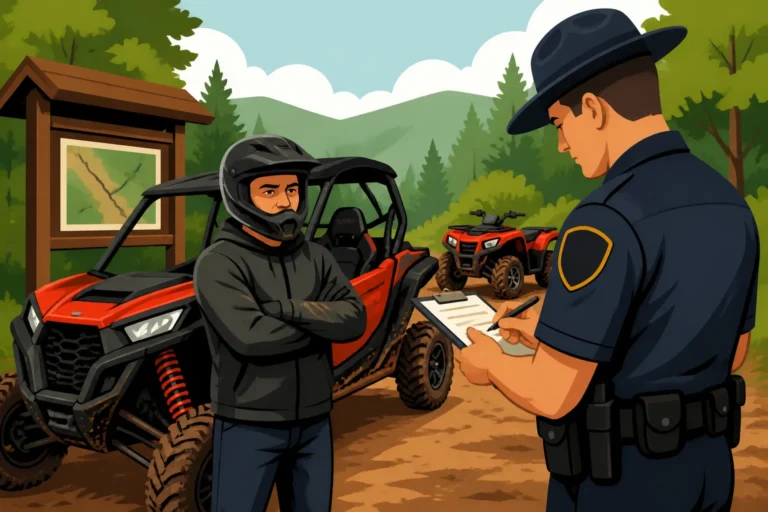
Ignoring Pennsylvania's helmet laws isn't just a minor oversight; it can lead to serious legal and financial consequences. If you're caught riding without a required helmet, you can face citations and significant fines. Enforcement is often carried out by DCNR rangers in state forests and parks, as well as local law enforcement on joint-use roads. These officers are specifically trained to look for compliance with all ATV regulations, including helmets. A ranger at a trailhead, for example, will check for proper registration, safety certificates, and, yes, helmets, especially for younger riders. [What a Ranger Checks at a Trailhead] often includes these safety basics. While specific fine amounts can change, know that these tickets are designed to be a deterrent, making it quite costly to disregard the rules. Beyond the immediate fine, repeated violations could potentially lead to further legal complications or even suspension of riding privileges. While not specific to helmets, a broader context of financial penalties can be seen in [Pennsylvania Fines for an Unregistered ATV].
Choosing the Right Helmet
Selecting the correct helmet is just as important as wearing one. Not all helmets are created equal, and simply putting any helmet on your head isn't enough. Here’s what to look for:
- Certification: Ensure the helmet has a DOT (Department of Transportation) certification. This means it meets federal safety standards. Many riders also look for Snell or ECE certifications, which often indicate even higher safety ratings.
- Fit: A helmet should fit snugly but comfortably. It shouldn't shift around on your head, nor should it pinch or cause pressure points. Too loose, and it won't protect you; too tight, and it will be uncomfortable and distracting.
- Type: Off-road specific helmets are ideal. They typically have a sun visor, more ventilation, and an extended chin bar for face protection. Many come designed to be worn with goggles for optimal eye protection.
- Condition: Inspect your helmet regularly for any cracks, dents, or signs of wear. If a helmet has been involved in an impact, even if it looks fine on the outside, its protective capabilities might be compromised, and it should be replaced.
Don't forget eye protection! While helmets are critical, flying debris, dust, and insects can severely impair your vision. Goggles or a full-face shield are just as important for a safe ride.
Navigating Pennsylvania's Diverse Riding Landscape
Pennsylvania offers an incredible variety of terrain for ATV and UTV enthusiasts, from sprawling state forests to dedicated private parks. Understanding how helmet laws apply across these different environments is key to a hassle-free riding experience.
State Forest and Designated Trails
When you're riding on Pennsylvania's extensive network of state forest trails, such as those found in Bald Eagle, Tiadaghton, or Sproul State Forests, or the popular Whiskey Springs and Bloody Skillet trails, the helmet law is clear: helmets are always required for all riders, regardless of age. These are public lands, and the state's safety regulations are strictly enforced. This means if you're 16 or older, even though you might not need a helmet on your own private land, you do need one the moment your tires touch a state forest trail. This often goes hand-in-hand with other requirements like having a valid [Pennsylvania ATV Safety Certificate Requirements] for younger riders and proper registration for your machine. Riders should always be prepared with their helmets when planning a trip to any state-managed trail system. For more information on where to ride, check out the [Pennsylvania Designated ATV Road List] for specific locations.
Private Parks and Their Rules
Pennsylvania is also home to fantastic private riding parks, like the AOAA in Coal Township or Rock Run Recreation Area in Cambria County. These parks offer miles of diverse trails, but they also have their own set of rules and regulations that riders must adhere to. Almost without exception, these private parks mandate helmets for all riders and passengers, regardless of age. While Pennsylvania state law might offer an exception for adults on private land, these parks often prioritize safety above and beyond the minimum state requirements. They want to ensure a safe experience for everyone, which often means stricter helmet policies. Always check the specific rules and requirements on the park's website before planning your visit. It’s better to be over-prepared with your helmet than to be turned away at the gate.
Crossing Roads and Joint-Use Routes
Riding an ATV on public roads in Pennsylvania is generally prohibited, with very specific exceptions for designated joint-use roads or for crossing a highway at a 90-degree angle. When you are legally operating your ATV on a designated joint-use road or crossing a highway, the helmet laws for off-road riding typically still apply, especially for minors. This means if you are under 16, a helmet is absolutely required. For riders 16 and older, if the joint-use road connects two sections of a designated trail system where helmets are required, then you should expect to wear your helmet on that road section as well. It’s always safer and wiser to wear a helmet when interacting with any public roadway, even if it’s a legal, designated route. Understanding [Pennsylvania Joint-Use Road Rules] is crucial here, as these rules often come with their own set of safety stipulations that impact what gear you should be wearing. Always err on the side of caution and wear your helmet whenever there's any ambiguity or when you're leaving purely private, owned land.
Disclaimer
This article is for general informational purposes only and does not constitute professional advice. Laws, prices and regulations vary by location and change over time. Consult a qualified professional for guidance on your specific situation.