Pennsylvania Spark Arrester Requirement
Riding an ATV or UTV in Pennsylvania is an incredible experience, offering hundreds of miles of beautiful trails and scenic routes. But the joy of hitting the dirt can quickly turn to frustration if you're not up to speed on all the regulations, especially those seemingly small details like your exhaust system. Many riders don't realize that simply having a loud exhaust isn't the only concern; a critical safety device called a spark arrester is a non-negotiable requirement that can lead to fines if overlooked. This guide will walk you through everything you need to know about Pennsylvania's spark arrester rules, ensuring your machine is ready for the trails.
Why Pennsylvania Requires a Spark Arrester on Your ATV or UTV
It might seem like a minor detail, lost among discussions of helmets, registration, and trail permits, but the spark arrester is incredibly important for riding legally and responsibly in Pennsylvania. The state's vast state forests, game lands, and private trails are often surrounded by dense woodlands, dry brush, and agricultural fields, all of which present a significant fire hazard. A single spark from an ATV's exhaust can ignite dry leaves, grass, or other debris, quickly escalating into a devastating wildfire. Nobody wants to be the cause of that kind of damage, and the state takes these precautions very seriously.
Think about a hot summer day at Bloody Skillet, with the ground cover parched from weeks without rain. You've just pulled off the trail for a quick snack, and your exhaust system is still radiating heat. If a stray spark were to escape, it could ignite the dry tinder almost instantly. It's not just about direct flames; even superheated carbon particles can act like miniature embers. The spark arrester is there to prevent that exact scenario, protecting our beautiful natural resources and ensuring the safety of everyone enjoying the outdoors. [Pennsylvania Rules for Riding a State Forest Road] lays out many of these regulations, and the spark arrester is right up there with other essential safety measures.
The legal framework for this requirement stems from Pennsylvania's commitment to fire prevention. The Department of Conservation and Natural Resources (DCNR), which oversees many of the state's ATV trails, mandates these devices to mitigate risks. It's part of a broader effort to allow recreational riding while safeguarding the environment that makes Pennsylvania such a popular destination for off-road enthusiasts. This isn't some arbitrary rule; it's a critical component of responsible land use and environmental stewardship.
What Exactly Is a Spark Arrester and How It Works
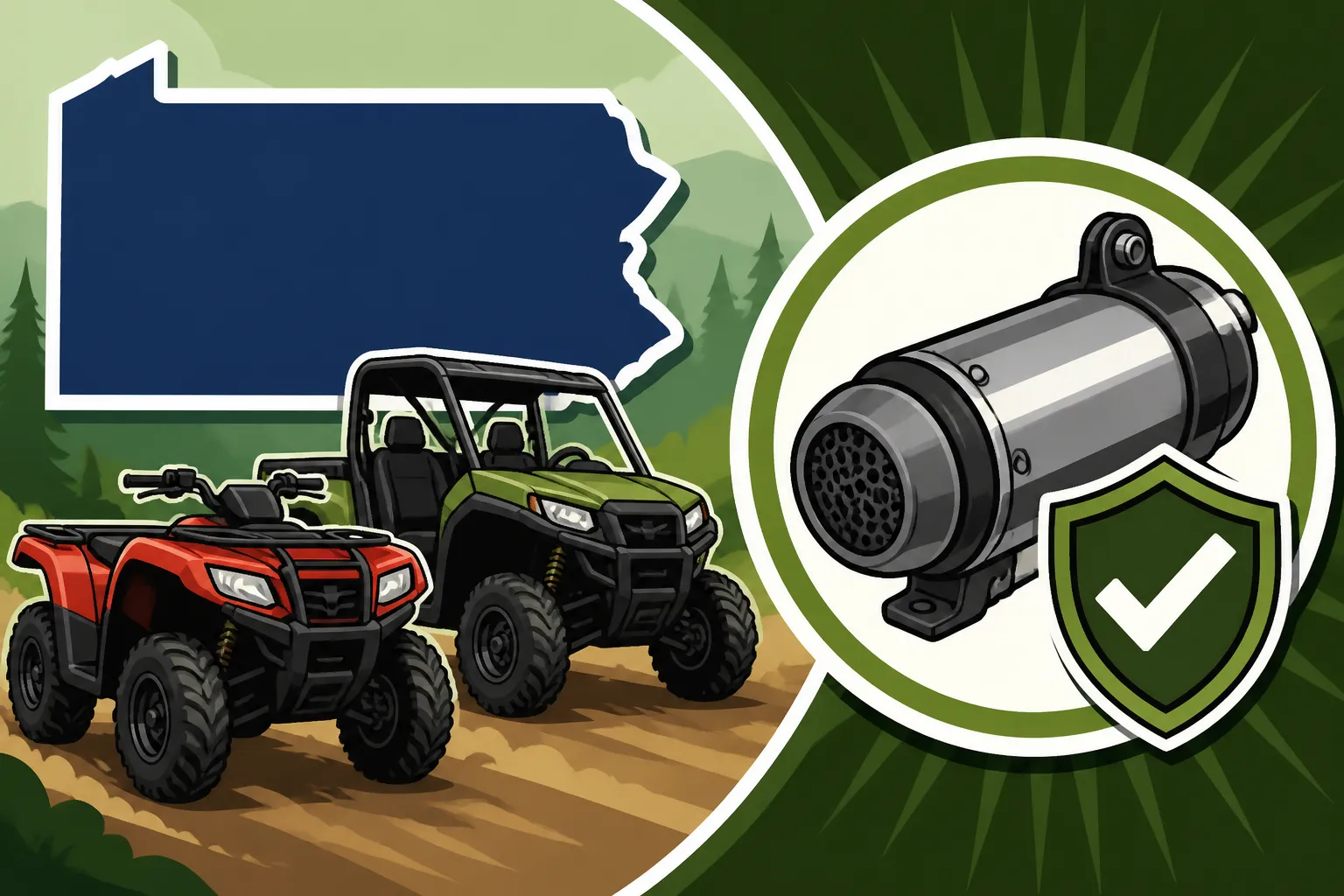
A spark arrester is essentially a specialized screen or baffle device installed in the muffler or exhaust system of an internal combustion engine. Its primary job is to cool and/or trap hot carbon particles and sparks that are expelled from the engine, preventing them from exiting the exhaust pipe and potentially starting a fire. It's a simple, yet incredibly effective, piece of technology.
Most spark arresters use a screen, perforated metal cone, or a series of baffles to create a labyrinthine path that forces exhaust gases to change direction multiple times. As the gases flow through, any hot carbon particles or embers collide with the metal surfaces, losing heat and often breaking up into smaller, cooler pieces that are less likely to ignite fuel sources. Any larger, still-hot sparks are trapped by the screen or baffles, preventing their escape. Many factory-installed spark arresters are integrated directly into the muffler, while aftermarket solutions might involve an add-on device or a muffler designed with the arrester built-in. You'll often see a "USDA Forest Service approved" stamp on compliant arresters, indicating they meet federal standards for fire prevention.
Different Types of Spark Arresters
While the basic principle remains the same, spark arresters can come in a few different forms:
- Screen-Type Arresters: These are the most common and often feature a fine mesh screen at the end of the exhaust pipe or within the muffler. They're effective but can become clogged with carbon buildup over time, requiring regular cleaning.
- Turbine or Centrifugal Arresters: These use a series of vanes or an impeller to spin the exhaust gases rapidly. The centrifugal force throws heavier carbon particles to the outside, where they are trapped in a collection chamber, while the cleaner gases exit. These are less prone to clogging than screen types.
- Chamber-Type Arresters: These designs use multiple internal chambers and baffles to create a twisting path for the exhaust, allowing sparks to cool and settle out before the gas exits.
Understanding these types can help you identify if your machine has one and how to maintain it. It's not enough to just have one; it needs to be in good working order.
Maintenance and Inspection of Your Spark Arrester
Regular maintenance is key to ensuring your spark arrester remains effective and compliant. Over time, carbon deposits can build up on the screen or baffles, restricting exhaust flow and potentially rendering the arrester ineffective. This buildup can also affect engine performance, so keeping it clean benefits both compliance and your ride.
Here’s a general guide for inspection and maintenance:
- Locate It: Most spark arresters are visible at the very end of your muffler or integrated into the muffler body. Look for the screen or a removable end cap.
- Inspect Visually: Check the screen or internal components for any damage, holes, or excessive carbon buildup. A screen that's torn or rusted through means it's no longer doing its job.
- Clean Regularly: Depending on your riding habits and fuel quality, you should clean your spark arrester periodically. This usually involves removing the end cap or screen and brushing out the carbon deposits. Some manufacturers recommend cleaning every 20-50 hours of operation. A wire brush or even a pressure washer (carefully, to avoid forcing debris further into the muffler) can be effective.
- Check for USDA Stamp: Many spark arresters will have a stamp indicating they are "USDA Forest Service approved." This is a good indicator of compliance, but remember that even an approved arrester needs to be maintained.
Neglecting this simple maintenance can lead to a citation if a ranger finds your arrester to be non-functional during a trailside check. [What a Ranger Checks at a Trailhead] often includes a quick peek at your exhaust.
How to Ensure Your ATV/UTV Meets Pennsylvania's Spark Arrester Rules
Making sure your machine is up to snuff before you hit the trails is paramount. Most modern, factory-produced ATVs and UTVs come equipped with a USDA Forest Service-approved spark arrester right out of the box. If you bought your machine new from a dealer, it's highly likely to be compliant. However, there are scenarios where you'll need to double-check.
If you've purchased a used ATV or UTV, especially one that's older or has had modifications, you absolutely need to verify the spark arrester's presence and condition. Sometimes, a previous owner might have removed it for perceived performance gains or replaced the stock exhaust with an aftermarket system that doesn't include one. That's a huge red flag for compliance in Pennsylvania.
Checking for Compliance on Your Machine
- Examine Your Exhaust: Look for a screen at the end of the muffler, or a removable end-cap that allows access to an internal screen or baffles.
- Look for the USDA Stamp: This is often a small, metal tag or a stamp directly on the muffler body, indicating it meets federal spark arrester standards. It will typically say "USDA Forest Service Approved" or bear a similar identifier.
- Consult Your Owner's Manual: Your owner's manual will confirm if your machine came with a spark arrester and often provides instructions for inspection and maintenance.
- If You Have an Aftermarket Exhaust: If you've swapped out your stock exhaust, you must confirm that the new system explicitly states it includes a spark arrester and is USDA Forest Service compliant. Don't assume. Many performance exhausts are designed without them unless specified.
- For Older Machines: Some very old machines might not have come with spark arresters as standard. In these cases, you'll need to source an aftermarket solution.
When you're looking for replacement parts or considering an upgrade, reputable manufacturers often provide spark arrester options. For example, if you're upgrading your exhaust or just need a replacement spark arrester insert, you might find suitable components from brands like SuperATV that ensure your machine remains compliant. It's always best to choose parts that explicitly state they are spark arrester equipped and comply with federal regulations.
What to Do If Your Machine Is Not Compliant
If you discover your ATV or UTV isn't equipped with a functional, compliant spark arrester, don't panic, but do take immediate action before riding on any public or regulated lands.
- Purchase an Aftermarket Spark Arrester: For many aftermarket mufflers, you can buy a spark arrester insert that fits into the exhaust outlet. Make sure it's designed for your specific muffler and is USDA Forest Service approved.
- Replace the Exhaust System: If your current aftermarket exhaust doesn't accommodate an arrester insert, or if your stock system is damaged beyond repair, you might need to replace the entire muffler or exhaust system with one that is spark arrester equipped. Again, look for the USDA stamp.
- Seek Professional Installation: If you're unsure about installing a new arrester or exhaust, take your machine to a qualified ATV/UTV mechanic. They can ensure it's installed correctly and is fully compliant.
Remember, riding trails like those in Sproul State Forest or at Rock Run Recreation Area without this critical component is not only illegal but also incredibly risky for the environment. Ensuring your machine is compliant is a small step that makes a huge difference.
Consequences of Riding Without a Spark Arrester in Pennsylvania
Riding an ATV or UTV without a legally required spark arrester in Pennsylvania is a serious offense, and the consequences can range from hefty fines to more severe penalties, especially if your machine causes a fire. It's not just a theoretical risk; DCNR rangers and local law enforcement actively patrol trails and conduct checks, looking for machines that don't meet safety and environmental standards.
Fines and Citations
If you're caught riding on public or regulated private land without a spark arrester, or with one that is damaged and non-functional, you'll likely receive a citation. The specific fine amount can vary, but it's generally a base fine with additional court costs and fees that quickly add up. This isn't just a slap on the wrist; it's designed to be a deterrent and reinforce the importance of these regulations. Getting cited for something like this can put a damper on your entire riding trip, and it’s a completely avoidable headache.
Consider riding through the Whiskey Springs trails. A DCNR ranger might be set up at a common staging area or even patrolling the trails themselves. They’re trained to spot non-compliant machines, and a quick visual inspection of your exhaust or a request to see your documentation can lead to a ticket. [Pennsylvania Fines for a Trail Violation] covers a range of infractions, and a spark arrester violation falls squarely under that umbrella. It’s also important to remember that riding an ATV with a loud exhaust, which might be related to a missing or modified spark arrester, can also draw unwanted attention from authorities and lead to additional citations. [Pennsylvania Rules for a Loud Exhaust] is another regulation to keep in mind.
Environmental Impact and Liability
Beyond the direct fines, the environmental risks are far more severe. If your non-compliant machine is responsible for starting a wildfire, the legal and financial ramifications could be catastrophic. You could face:
- Criminal Charges: Depending on the severity of the fire and the damage caused, you could face felony charges related to arson or reckless endangerment.
- Civil Liability: You could be held financially liable for the costs of fighting the fire, property damage, timber loss, and restoration efforts. Wildfire suppression costs can run into the millions of dollars, and personal liability could be devastating.
- Loss of Riding Privileges: Causing a fire or repeatedly violating safety rules could lead to a suspension or revocation of your ability to ride on state lands.
This is why the spark arrester requirement is so critical. It's not just about a piece of equipment; it's about safeguarding Pennsylvania's beautiful forests and recreational areas for everyone. Responsible riders understand that access to these lands comes with the responsibility to protect them.
Here's a quick overview of what authorities check for:
| Compliance Area | What a Ranger Looks For | Potential Consequence of Non-Compliance |
|---|---|---|
| Spark Arrester | USDA stamp, intact screen/baffles, no visible damage | Fine, citation, potential liability for fire |
| Registration | Current DCNR registration sticker and wallet card | Fine (e.g., [Pennsylvania Fines for an Unregistered ATV]) |
| Insurance | Proof of mandatory liability insurance | Fine, citation |
| Helmet Use | Proper DOT-approved helmet for all riders/passengers | Fine, citation |
| Muffler Noise | Excessive noise beyond legal limits | Fine, citation (related to [Pennsylvania Muffler Requirements for ATVs]) |
| Age and Supervision | Proper age for machine size and appropriate supervision | Fine for parent/guardian, riding restrictions |
| Trail Permit | Valid state forest or park permit, if applicable | Fine, expulsion from trail |
Making sure your ATV or UTV is properly equipped, registered, and insured is part of being a good steward of our trails. Don't let a small detail like a spark arrester turn your fun day into a costly nightmare. Double-check your machine before you load up the trailer, and ride safe and compliant.
Disclaimer
This article is for general informational purposes only and does not constitute professional advice. Laws, prices and regulations vary by location and change over time. Consult a qualified professional for guidance on your specific situation.