An Electric Machine and Pennsylvania Registration
So, you've just picked up a shiny new electric ATV or UTV, or maybe you're thinking about going green with your off-road adventures, and now you're wondering, "Does this thing even need to be registered in Pennsylvania?" It's a really common question, and honestly, it's easy to get tripped up thinking that because it's electric, it might fall under different rules. But here's the straightforward answer: yes, generally speaking, your electric ATV or UTV absolutely needs to be registered with the Pennsylvania DCNR, just like its gas-powered counterparts. This guide will walk you through why that is and how to get it done, making the process much clearer.
Understanding Pennsylvania's Definition of an ATV or UTV
When it comes to registering an off-road machine in Pennsylvania, the Department of Conservation and Natural Resources (DCNR) focuses less on what powers your vehicle and more on its design and intended use. This is often where the confusion for electric machines creeps in. People sometimes assume that because it doesn't have a roaring gas engine, it might be exempt, but that's simply not the case in the Commonwealth.
What Constitutes an "ATV" in Pennsylvania Law?
In Pennsylvania, an All-Terrain Vehicle (ATV) is broadly defined by its characteristics, not its fuel source. We're talking about a motorized off-highway vehicle that has a seat designed to be straddled by the operator, travels on three or more tires, and has handlebars for steering. If your electric machine fits that description – whether it's battery-powered, hybrid, or anything else – then DCNR considers it an ATV for registration purposes.
This definition is crucial because it sets the stage for all the subsequent rules and regulations. It doesn't matter if your electric quad hums quietly through the woods or if it's got zero emissions; if it looks and acts like an ATV as defined by the state, it's an ATV. This helps ensure uniformity in how vehicles are managed on public lands and designated trails, regardless of technological advancements in propulsion. Many riders find this surprising, especially if they're coming from a background with different state regulations or simply haven't thought about how electrics fit into existing frameworks.
How UTVs Are Categorized for Registration
Similarly, Utility Terrain Vehicles (UTVs), often called side-by-sides, also fall under DCNR's umbrella, and again, the electric motor doesn't change a thing. UTVs are typically defined by having four or more wheels, side-by-side seating (often for two or more occupants), a steering wheel, and roll-over protection. These machines are designed for off-road use, hauling, and recreational riding, and their electric nature doesn't grant them any special exemption from registration in Pennsylvania.
Think about it this way: the state's primary concern is regulating vehicles that are used off public roads, whether they're kicking up dust with gasoline power or silently gliding on electric power. This ensures accountability, funds trail maintenance through registration fees, and helps maintain safety standards for all riders. So, if your electric UTV looks like a smaller, open-air car with off-road tires and a steering wheel, DCNR will categorize it as such, and you'll need to go through the proper registration steps to use it legally.
Why the Power Source Doesn't Change the Rules
The core reason why your electric machine still needs to be registered is that Pennsylvania's ATV and UTV laws are primarily focused on the use of the vehicle, particularly its operation on state-managed lands and designated trails. The DCNR's mandate is to oversee responsible off-road recreation, and that involves all applicable vehicles, regardless of what's under the hood (or in the battery compartment). An electric machine can still impact trails, require rescue services, and contribute to the overall user experience, just like a gas-powered one.
Furthermore, the fees collected from ATV and UTV registrations directly support the very trails and programs that electric vehicle owners will also enjoy. [What Pennsylvania ATV Fees Pay For] explains how these funds are allocated. It ensures that everyone contributing to the wear and tear of these facilities is also contributing to their upkeep. So, while you might be trailblazing with cutting-edge electric technology, the bureaucratic realities of off-road vehicle management mean that the registration process remains largely universal. The state isn't necessarily concerned with your carbon footprint when it comes to registration; they're concerned with maintaining a safe and funded system for all off-road enthusiasts.
The Two Main Registration Types for Electric Machines
Just like their gasoline-fueled relatives, electric ATVs and UTVs in Pennsylvania are eligible for two distinct types of registration: General Registration and Limited Registration. Your choice depends entirely on where you plan to ride your electric machine. It's really important to get this right from the start, as the wrong registration can lead to fines or restrict your access to the trails you want to explore.
General Registration for Trail and State Land Riding
If your vision of electric off-roading involves exploring Pennsylvania's vast network of state forest trails, riding designated county or municipal trails, or even visiting private, pay-to-ride parks that require state registration, then General Registration is what you'll need. This is the more common type for recreational riders who want to take their electric machine beyond their own property. It signifies that your vehicle is compliant with state regulations for public access.
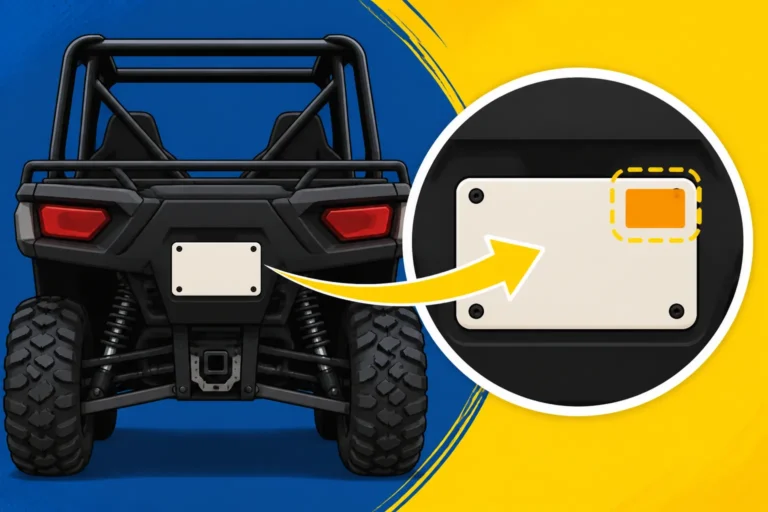
When you obtain General Registration, you'll receive a distinct Pennsylvania ATV plate that mounts to the rear of your machine, a small sticker that goes on that plate, and a wallet-sized registration card. [Pennsylvania ATV Plates and Where They Mount] goes into detail about the physical components. This registration is valid for two years, and the fees associated with it directly contribute to the maintenance and development of Pennsylvania's extensive trail system. It's the key that unlocks many miles of riding pleasure, allowing you to quietly cruise through forests and over varied terrain, all while being a responsible and legally compliant rider.
Limited Registration for Private Property Use
Now, if your electric ATV or UTV is primarily going to be used on your own property, or on private land where you have explicit permission to ride (and that land isn't part of a public trail system), then Limited Registration might be suitable. This registration type is less about public access and more about acknowledging ownership and legal status for machines that rarely, if ever, leave private ground. It's a good option for those who use their electric UTV for chores around a large property, for hunting access on leased land, or simply for private recreational riding without ever touching a public trail.
With Limited Registration, you'll get a different type of plate – typically a small, unnumbered plate that simply indicates "Limited Use" along with your registration number. You also receive a wallet card. [The Plate Pennsylvania Gives Limited Registrants] illustrates what this looks like. The significant difference here is that a Limited Registration does not permit you to ride on state forest trails, designated DCNR trails, or other public riding areas. It's strictly for private land. Many people opt for this if they have a large farm or a hunting camp where the machine will live its entire life without ever needing public trail access. It's often a bit less expensive and simpler if your riding ambitions are purely private.
Choosing the Right Registration for Your Electric Ride
Deciding between General and Limited registration for your electric ATV or UTV comes down to a simple question: Where do you plan to ride? If there's even a remote chance you'll want to hit a state forest trail or a private park that mandates state registration, then General Registration is the way to go. It offers the most flexibility and ensures you're covered for almost any legal riding scenario in Pennsylvania. It's a bit like having a full driver's license versus a learner's permit; one opens up more possibilities.
If you are absolutely certain your electric machine will never leave your own deeded property or strictly controlled private land where public access isn't a factor, then Limited Registration could save you a bit of money and hassle. However, be honest with yourself about potential future plans. Many riders start with limited use and then find themselves wanting to explore more. Switching from [Pennsylvania's Limited Registration for Your Own Land] to [Pennsylvania's General Registration for Everywhere Else] is possible, but it involves additional paperwork and fees, so it's best to aim for the right registration type from the outset. Consider your riding habits, your local options, and any future aspirations you might have for your electric off-road vehicle.
Here’s a quick overview to help you decide:
| Feature | General Registration | Limited Registration |
|---|---|---|
| Intended Use | Public trails, state forests, private parks | Private land, owner's property, leased hunting land |
| Plate Type | Numbered DCNR ATV plate with sticker | Unnumbered "Limited Use" plate |
| Trail Access | Yes, on designated public trails | No, strictly for private property |
| Cost | Higher | Lower |
| Validity | Two years | Two years |
| Contribution to Trails | Fees directly support public trail maintenance | Fees primarily acknowledge ownership |
The Registration Process for Your Electric ATV/UTV
Once you've decided on either General or Limited registration, the actual process for getting your electric ATV or UTV registered in Pennsylvania isn't as intimidating as it might seem. The DCNR has made efforts to streamline things, though like any government process, it requires attention to detail and the right paperwork.
Essential Paperwork and Information Needed
Whether your electric machine is brand new from a dealer or a pre-owned gem from a private seller, you'll need to gather a few key pieces of information and documents. The core requirement is proof of ownership, which usually comes in the form of a manufacturer's certificate of origin (MCO) for new machines, or a title if you bought it used. For older electric ATVs that may not have been titled previously, a notarized bill of sale is often acceptable, but it's crucial to ensure it clearly transfers ownership to you. This is where resources like LawDepot can be incredibly helpful. If you're buying a used electric ATV or UTV privately, you can use a service like LawDepot to generate a legally sound [Pennsylvania ATV Bill of Sale Requirements] document, which often contains all the necessary fields to prove transfer of ownership and purchase price.
You'll also need to complete DCNR Form DCNR-43, the "Application for Certificate of Title and/or Registration for Snowmobile/ATV." This form will ask for details about your electric machine, such as its Vehicle Identification Number (VIN), make, model, and engine size (even if it's electric, you might list "electric" or a comparable horsepower). You'll also need personal identification information. If you purchased your electric machine from a private party, you will need to provide proof of sales tax payment, which is 6% of the purchase price in most areas of Pennsylvania. [Pennsylvania ATV Sales Tax on a Private Purchase] outlines how this applies to private sales. Having all this paperwork in order before you start will save you a lot of headaches!
Where to Submit Your Application
Pennsylvania offers a few different avenues for submitting your registration application, catering to various preferences.
1. Through a DCNR-Authorized Dealer: If you purchased your new electric ATV or UTV from a Pennsylvania dealer, they are often your best bet for a smooth registration process. Dealers typically handle all the paperwork for you, submitting it directly to DCNR. They'll collect the necessary fees, ensure all forms are correctly filled out, and might even provide you with a temporary 45-day sticker so you can start riding your electric machine while you wait for your official plate and card. This is arguably the easiest method, as the dealer acts as an intermediary, reducing the burden on you.
2. By Mail Directly to DCNR: You can also mail your completed Form DCNR-43, along with all supporting documents (proof of ownership, sales tax payment, etc.) and a check or money order for the applicable fees, directly to the DCNR's Snowmobile and ATV Section. This method requires you to be very meticulous with your paperwork, ensuring everything is filled out correctly and all attachments are included. Missing information will result in delays as DCNR will have to contact you for clarification.
3. Online Through the DCNR Portal (for renewals or specific transactions): While initial registrations sometimes require mailing in physical documents, DCNR has been expanding its online services. You can sometimes handle renewals or address changes for your electric machine through the [Registering Online at Pennsylvania's DCNR Portal]. It's always a good idea to check the DCNR website for the most current options available for initial registrations versus renewals, as this can change.
What Happens After You Apply
Once DCNR receives your complete application and all necessary fees, they will process your registration. The timeline can vary, but generally, you can expect to receive your registration plate, sticker, and wallet card within a few weeks. The wallet card is particularly important as it serves as your official proof of registration, and you should carry it with you whenever you're operating your electric ATV or UTV off your own private property. [Why Both Pennsylvania Registrations Include a Wallet Card] explains its significance.
Upon receiving your plate and sticker, make sure to properly mount the plate on the rear of your electric machine in a visible location and affix the sticker to the designated area on the plate. These visual indicators are how law enforcement and trail rangers verify your compliance. If you opted for General Registration, this plate and sticker are your ticket to enjoying Pennsylvania's incredible public and private trail systems. If you chose Limited Registration, your plate confirms you're legally recognized as an owner for private land use. Either way, once you have these in hand, your electric machine is officially ready for legal riding in the Commonwealth!
Disclaimer
This article is for general informational purposes only and does not constitute professional advice. Laws, prices and regulations vary by location and change over time. Consult a qualified professional for guidance on your specific situation.