Why Both Pennsylvania Registrations Include a Wallet Card
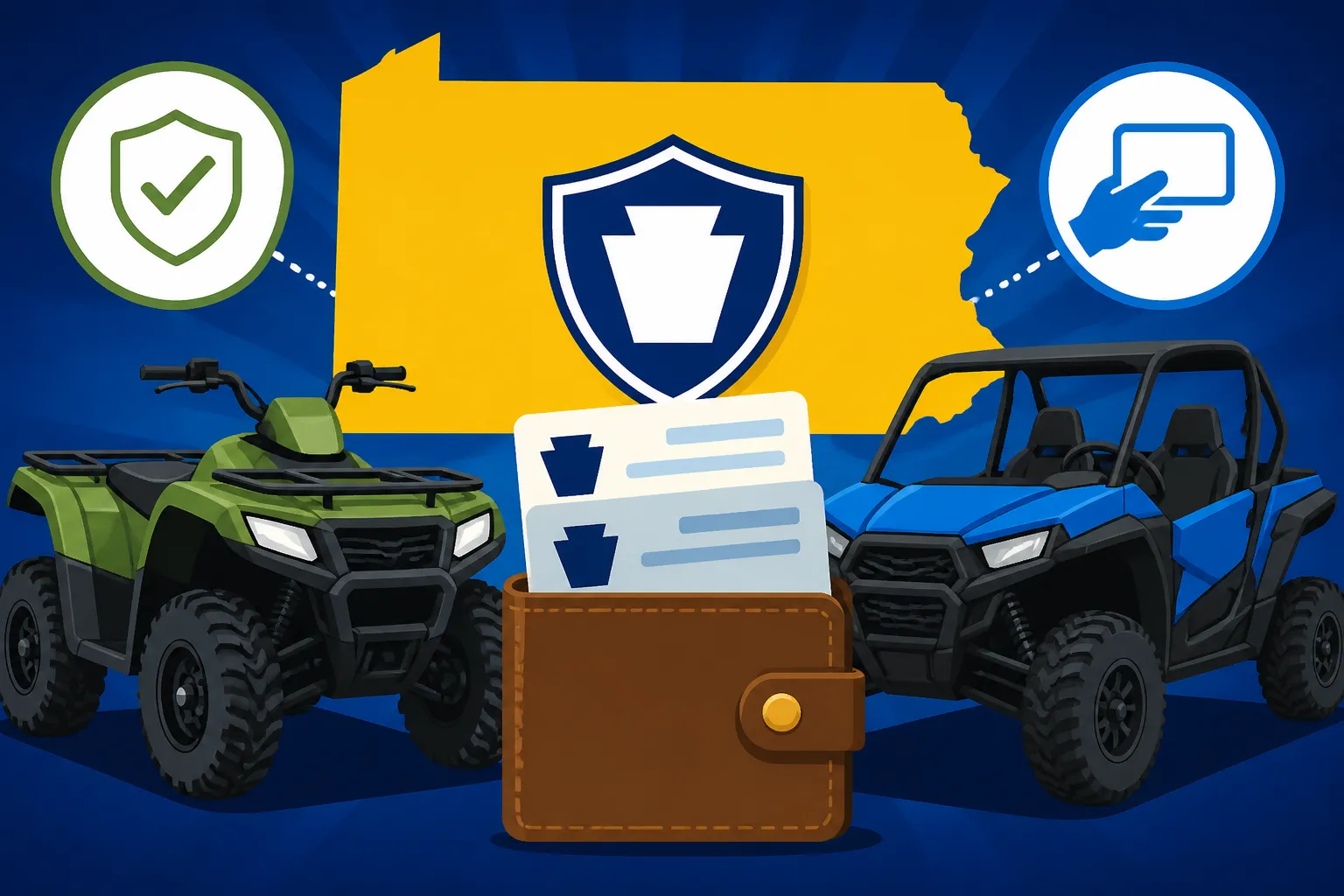
If you've ever registered an ATV in Pennsylvania, whether it's for tearing up the state trails or just for puttering around your own property, you've received that little wallet-sized card. It's a small detail, but it often leaves riders scratching their heads: why do both types of registration, Limited and General, come with the exact same kind of card? It seems a bit redundant at first glance, especially if your machine never leaves your hunting camp or farm. This guide is here to unravel that mystery, explaining the practical reasons behind this ubiquitous little document and why it's a crucial part of your riding experience, no matter where your wheels take you.
Understanding Pennsylvania's Dual Registration System
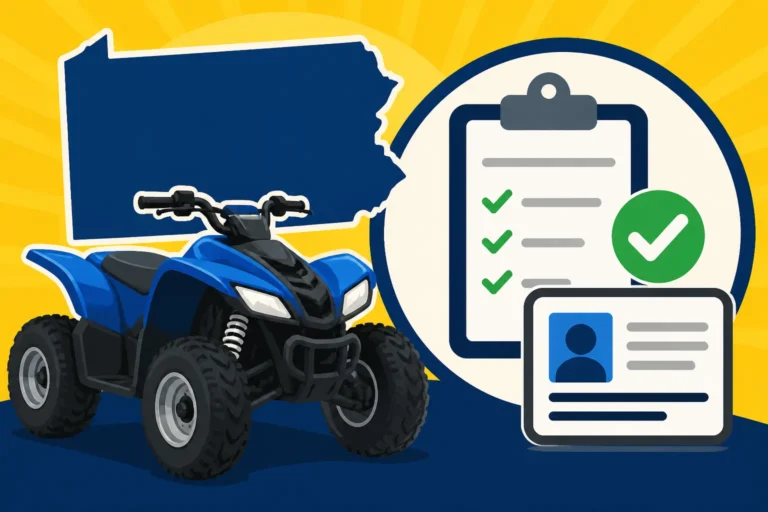
Pennsylvania has a unique approach to ATV registration, acknowledging the diverse ways people use their machines. Unlike states that might have a single registration for everything, the Keystone State recognized that a quad used exclusively on private land has different needs and impacts than one tearing up state forest trails. This led to the creation of a two-tiered system, each with its own set of rules, but surprisingly, both require that handy wallet card.
The Core Purpose of Limited Registration
Imagine you’ve got a sprawling property in rural Pennsylvania, maybe a few hundred acres of woodland and fields. Your ATV is your workhorse: you use it to check fences, haul firewood, scout for deer during hunting season, or simply enjoy a ride through your own domain. For this kind of use, where your machine never touches public trails or designated roads, Pennsylvania offers a [Pennsylvania's Limited Registration for Your Own Land]. This registration is designed to be less about public access and more about identifying the machine and its owner for administrative purposes, like theft recovery or proving ownership if you ever decide to sell.
Even though your ATV might never leave your property, the wallet card for Limited Registration serves a vital function. Think about it: if your quad were ever stolen, that card, with its unique VIN and registration number, provides immediate, tangible proof of ownership to law enforcement. It also serves as a quick reference for you, the owner, for details like the exact VIN when you need to order parts or inquire about insurance. The state doesn't care where you ride, but it does care that every ATV is accounted for in some way, and the card ensures that even private-land machines have a clear paper trail.
The Scope of General Registration
Now, let's say your passion is hitting the trails—the rugged, winding paths of Sproul State Forest, the challenging terrain of the Anthracite Outdoor Adventure Area, or any of Pennsylvania's designated public ATV trails. For this, you need a [Pennsylvania's General Registration for Everywhere Else]. This registration is your golden ticket to legal public riding, signaling that your machine meets state requirements for use on these shared resources. It’s a more robust registration because it comes with more responsibilities, including a visible plate and often, a higher fee which helps fund trail maintenance.
For General Registration, the wallet card becomes even more critical. When you pull up to a trailhead, especially one with a DCNR ranger present, they’re going to want to see proof that you’re legally registered. While your [The Sticker Pennsylvania Adds to General Registration] on your plate is a visual cue, the wallet card is the definitive document. It shows the expiration date, your name, and the specific details of your machine, allowing for quick verification. Without it, even with a plate, you might face questioning or even citations, because the sticker alone doesn't carry all the necessary verifiable information.
Why Pennsylvania Doesn't Have a Single System
It’s easy to wonder why Pennsylvania didn't just create one all-encompassing registration. The answer lies in both practicality and legislative intent. The Pennsylvania Department of Conservation and Natural Resources (DCNR), which manages ATV registration, recognized the distinct needs of its citizens. Requiring a full, public-access registration for someone who only uses their ATV on their secluded hunting camp would be an unnecessary burden, both financially and administratively. It would also potentially over-regulate private land use.
By having two systems, Pennsylvania strikes a balance. Limited Registration serves the private user, primarily for ownership identification, while General Registration serves the public trail rider, ensuring compliance with rules designed to protect shared natural resources and provide a safe riding experience. The wallet card, in this context, acts as a unifying element—a single, familiar format for carrying essential machine and owner information, regardless of where the ATV is intended to be used. It simplifies the DCNR's record-keeping and provides a consistent method for riders to carry their proof of legality.
The Practicality of the Wallet Card on the Trail
When you're out riding, whether it's through the dense woods or across open fields, the last thing you want to worry about is having cumbersome paperwork. The wallet card is designed with this very scenario in mind, offering a convenient and robust way to carry your essential registration details.
Immediate Proof for Law Enforcement
Imagine you're deep in Bald Eagle State Forest, cruising along a designated ATV trail, enjoying the peace and quiet. Suddenly, you round a bend and there's a DCNR ranger or state police officer conducting a routine check. They'll likely ask to see your registration and, often, proof of insurance. Fumbling through a glove box for a large, folded paper document is not only inconvenient but also impractical in a dusty or wet environment. This is where the wallet card shines.
Its compact size means it fits easily into a wallet, a small waterproof pouch, or even a zippered pocket on your riding gear. You can produce it quickly, allowing the officer to verify your machine's VIN, registration number, and expiration date in seconds. This efficiency helps keep the trails moving and minimizes delays for riders. Without this readily accessible proof, an officer might have to conduct a more thorough check, which could lead to delays, or worse, a citation if they cannot easily verify your compliance. We've all heard stories about riders caught off guard; don't be that person who gets hit with a [Riding Unregistered Brings an Automatic $300 Fine] simply because their paperwork was inaccessible or missing. It’s always better to be prepared than to face [Being Cited for No Registration].
Ease of Carrying and Durability
Let’s be honest, ATV riding isn't exactly a clean sport. Dust, mud, water, and sudden downpours are all part of the experience. Traditional paper documents would quickly degrade, becoming illegible and falling apart after just a few rides. The Pennsylvania DCNR wisely chose a more durable format for its registration proof. The wallet card is typically made from a sturdy, laminated material, similar to a driver's license or credit card. This construction makes it surprisingly resilient against the elements.
You can slip it into a waterproof baggie alongside your cell phone, or even tuck it into a sealed compartment on your ATV. This durability means it can withstand the occasional splash, a little mud, or even being jostled around in your pocket without turning into a pulpy mess. This is particularly important when considering [Keeping Paperwork Dry on a Wet Trail]. And while it's tough, accidents happen. If your card takes an unexpected swim or goes through the laundry, you know there’s a process for [Replacing a Wallet Card That Went Through the Wash] — another testament to the practicality of its design, even in less-than-ideal circumstances.
Consistency Across Registration Types
From the DCNR's perspective, using a single, consistent format for both Limited and General Registrations simplifies their administrative processes. Whether you're dealing with a machine that rarely leaves your farm or one that racks up hundreds of miles on public trails, the method of proving registration is identical: produce the wallet card. This consistency eliminates confusion for both riders and enforcement personnel.
It means that no matter what kind of ATV registration an officer encounters, they know exactly what document to ask for and what information it should contain. This uniformity reduces errors, speeds up roadside checks, and ensures that the state's regulations are applied fairly and efficiently across the board. It’s a smart move that benefits everyone by streamlining what could otherwise be a complicated verification process for Pennsylvania's diverse ATV community.
What Information the Wallet Card Holds
Despite its small size, your Pennsylvania ATV registration wallet card is packed with essential information. Think of it as your ATV's ID card, providing all the critical details about the machine and its legal status in the state. Understanding what's on it can help you verify its accuracy and be prepared for any situation.
Key Details About Your Machine
The most prominent information on your wallet card pertains directly to your ATV itself. This includes its Vehicle Identification Number (VIN), which is arguably the single most important identifier. Just like your car, an ATV's VIN is unique and crucial for proving ownership, tracking the machine, and deterring theft. If your quad is ever recovered after being stolen, that VIN on your card is what law enforcement will use to confirm it's yours.
Beyond the VIN, you'll find details like the make, model, and year of your ATV. This descriptive information helps distinguish your machine from others and confirms that the registration applies to the specific ATV you are operating. The card also displays your Pennsylvania ATV plate number, which links directly to the physical plate (for Limited Registration) or the plate with the sticker (for General Registration). These details are fundamental for any official inquiry, whether it's at a trailhead check, a repair shop, or during an insurance claim.
Your Information as the Registered Owner
The wallet card isn't just about the machine; it also identifies you, the individual responsible for it. Your full name and current address will be clearly listed as the registered owner. This information is critical for accountability. If there's an incident on a trail, or if your machine is found abandoned, the card instantly provides law enforcement with who to contact.
This owner information is also vital for administrative purposes. If the DCNR needs to send you renewal notices or other important communications, the address on file from your registration card is what they'll use. It ties the machine directly to a responsible party, which is a cornerstone of any effective registration system designed to manage and track vehicles, both on private and public lands.
Registration Status and Expiration
Perhaps one of the most frequently checked pieces of information on the wallet card is the registration status and its expiration date. The card will clearly indicate whether your ATV holds a Limited or General Registration, leaving no room for ambiguity about where you are legally permitted to ride. Crucially, it displays the exact date your current registration expires.
This expiration date is your personal reminder of [How Long a Pennsylvania ATV Registration Lasts], which for ATVs in Pennsylvania is two years. Overlooking this date can lead to an expired registration, and as we've discussed, that can result in significant fines if you're caught riding. Many riders keep their card in an accessible place, not just for law enforcement, but as a quick visual cue to remember when it's time for renewal. Being aware of [When a Pennsylvania ATV Registration Expires] means you can plan ahead, avoiding any gaps in your legal riding status.
Beyond the Card: Other Proofs and Considerations
While the wallet card is undeniably the star of your registration documentation, it's part of a larger ecosystem of proofs and considerations that Pennsylvania ATV riders need to be aware of. Relying solely on the card without understanding these other elements could leave you unprepared.
The Physical Plate and Sticker
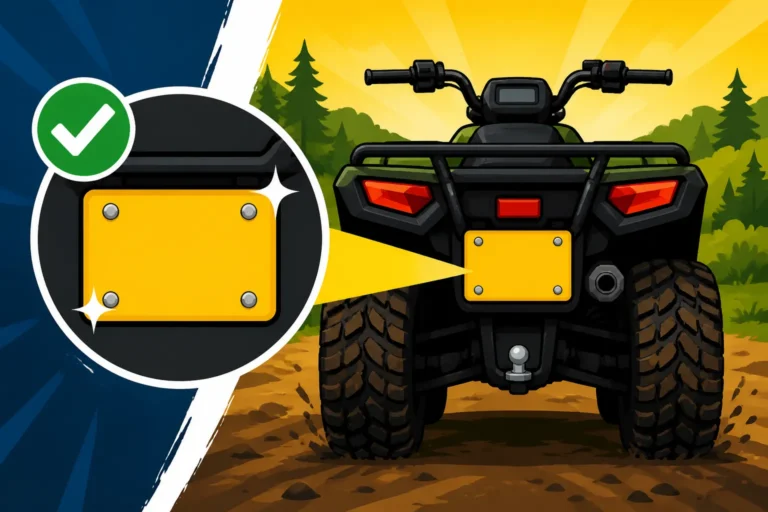
For both Limited and General Registrations, a physical plate is issued. If you have a [The Plate Pennsylvania Gives Limited Registrants], this small, sturdy metal plate typically features your registration number and is meant to be displayed on the rear of your ATV. It's a quick visual identifier that your machine is registered in Pennsylvania, even if it's only for private use. This plate is directly tied to the information on your wallet card.
For General Registrations, you'll also receive a [The Sticker Pennsylvania Adds to General Registration]. This sticker is applied to your physical plate and usually signifies the current year or expiration period. While the plate and sticker offer visible proof, they don't contain all the granular details found on your wallet card, such as your name or the full VIN. They are complementary, not substitutes, for the comprehensive data the card provides. Think of the plate and sticker as the external "license plate" for your ATV, while the wallet card is the internal "driver's license" for your machine.
Digital Alternatives and Real-World Limitations
In our increasingly digital world, many wonder if a photo of their registration card on their phone is sufficient proof. While having a digital backup can be helpful in a pinch, it’s crucial to understand that official policy generally requires the physical card. Law enforcement officers are trained to look for the tangible document, and a digital image can sometimes be questioned, especially if it's not clear or if the officer suspects tampering.
Furthermore, relying solely on a digital image can be problematic in the environments where ATVs thrive. Remote Pennsylvania trails are notorious for spotty or non-existent cell service. If you're out of range, that digital image is as good as invisible. Batteries die, screens crack, and phones get lost or damaged in a fall. These real-world limitations make the physical, durable wallet card an indispensable item. While a picture might remind you not to ride with an [Riding With an Expired Sticker], it won't replace the official document when a ranger asks to see it.
Importance of Insurance Proof
Here's a critical point that sometimes gets overlooked: your Pennsylvania ATV registration wallet card does not serve as proof of insurance. While both are vital for legal riding, they are separate documents. Pennsylvania has specific requirements for ATV insurance, especially if you plan to ride anywhere off your own private land. This is a big one, as [Pennsylvania ATV Insurance Requirement] mandates liability coverage for machines operating on public land or designated trails.
You need to carry separate proof of insurance with you, typically an insurance card provided by your insurer. This card confirms that you have the necessary coverage in case of an accident. While the DCNR registration system and the insurance industry are separate entities, they both contribute to responsible ATV ownership. When preparing for a ride, make sure you have both your registration wallet card and your insurance card readily accessible. Remember, [Carrying Proof of Insurance in Pennsylvania] is just as important as carrying your registration, and both documents ensure you're fully compliant and protected. If you're buying or selling an ATV privately, and need official documentation like a bill of sale to prove transfer of ownership for insurance or registration, a resource like LawDepot can provide templates to ensure you meet all necessary legal requirements for a smooth transaction. This ensures all your ducks are in a row before you register and insure your new (or newly sold) machine.
Managing Your Wallet Card and Registration
Having your registration card is one thing; understanding how to get it, keep it current, and handle situations like transfer of ownership is another. Proper management of your wallet card and registration ensures continuous compliance and hassle-free riding.
Initial Issuance and Delivery
Once you've completed the registration process for your ATV, whether it's through a dealer, by mail, or via the online DCNR portal, the Pennsylvania DCNR will process your application. This includes generating your official registration wallet card and mailing it to the address you provided. The card typically arrives shortly after your registration is fully processed and approved.
It's natural to be eager to hit the trails, but patience is key. The DCNR needs time to review applications, print cards, and get them into the mail. While specific turnaround times can vary, generally, [How Long Pennsylvania Takes to Process a Registration] can be a few weeks. If you’ve registered and don’t receive your card within a reasonable timeframe, it’s always a good idea to contact the DCNR’s Snowmobile and ATV Section to inquire about the status. Always double-check your mailing address during the application to avoid delays.
Renewing and Replacing Your Card
Pennsylvania ATV registrations are valid for two years, meaning you'll need to renew them periodically. When it's time for renewal, the DCNR will typically send you a reminder notice. Once you complete the [Renewing a Pennsylvania ATV Registration] process, a brand new wallet card, reflecting the updated expiration date, will be issued and mailed to you. This ensures that your proof of registration is always current.
Life happens, and sometimes a wallet card can get lost, damaged, or simply become unreadable after too many adventures. If you find yourself in this situation, don't despair. The DCNR has a process for replacing lost or damaged documents. While it's not quite the same as [Replacing a Lost Pennsylvania ATV Plate], the principle is similar: you'll need to submit a request and likely pay a small fee for a duplicate card. It's always a good idea to replace a lost card as soon as possible to avoid any issues if you're stopped by law enforcement.
Transferring Ownership and New Cards
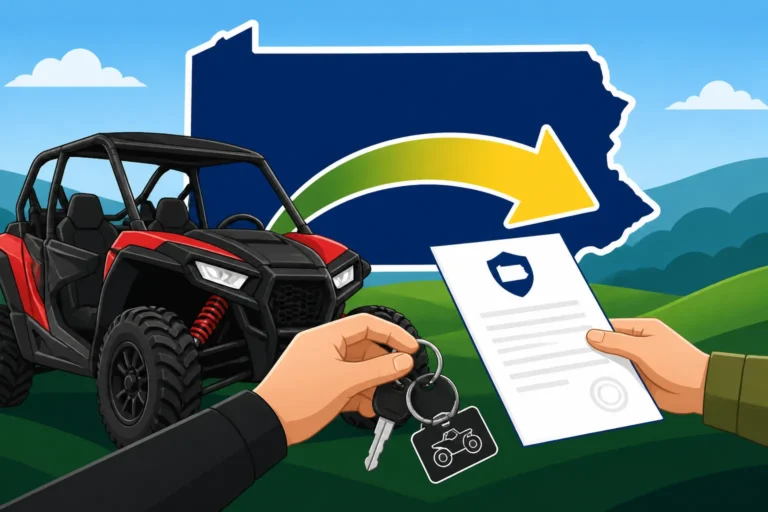
The ATV registration wallet card is tied to both the machine and the registered owner. This means that if you sell your ATV, your old wallet card is no longer valid for that machine once it changes hands. The new owner will be responsible for registering the ATV in their name, which will then result in a new wallet card being issued to them. This ensures that the DCNR's records are always up-to-date with the current legal owner.
When you're involved in [Selling an ATV and Transferring in Pennsylvania], it's crucial for both the seller and the buyer to understand this process. As a seller, you'll want to ensure you've formally documented the sale, perhaps with a bill of sale provided by a service like LawDepot, to protect yourself and provide the buyer with the necessary paperwork for their new registration. The buyer, in turn, will need that documentation, along with proof of payment for sales tax, to successfully register the ATV and receive their own wallet card. Without proper documentation from the sale, the buyer may have difficulties with [Pennsylvania ATV Bill of Sale Requirements] or [Proving You Paid Tax on a Private Sale], which could delay their ability to get their own valid wallet card and hit the trails legally.
Here's a quick comparison of the two Pennsylvania ATV registration types and how the wallet card functions:
| Feature | Limited Registration | General Registration | Wallet Card Role |
|---|---|---|---|
| Primary Use | Private land, farming, hunting camps, private trails | Public ATV trails, designated joint-use roads | Essential proof of ownership and registration details. |
| Physical Plate | Yes, required. | Yes, required, with an additional sticker. | Contains the plate number and other identifying info. |
| Trail Access | No public trail access. | Yes, access to DCNR-managed public trails. | Verifies legal registration for trail access. |
| Cost | Generally lower than General Registration. | Generally higher than Limited Registration. | Details the registration type purchased. |
| Proof of Insurance | Not required by DCNR for private land, but recommended. | Mandatory for public land/trail use. | Does not serve as insurance proof; separate card needed for insurance. |
| Required to Carry | Yes, for identification/proof of ownership. | Yes, for verification by law enforcement/trail staff. | Uniform and convenient way to carry legal status for both types. |
Disclaimer
This article is for general informational purposes only and does not constitute professional advice. Laws, prices and regulations vary by location and change over time. Consult a qualified professional for guidance on your specific situation.