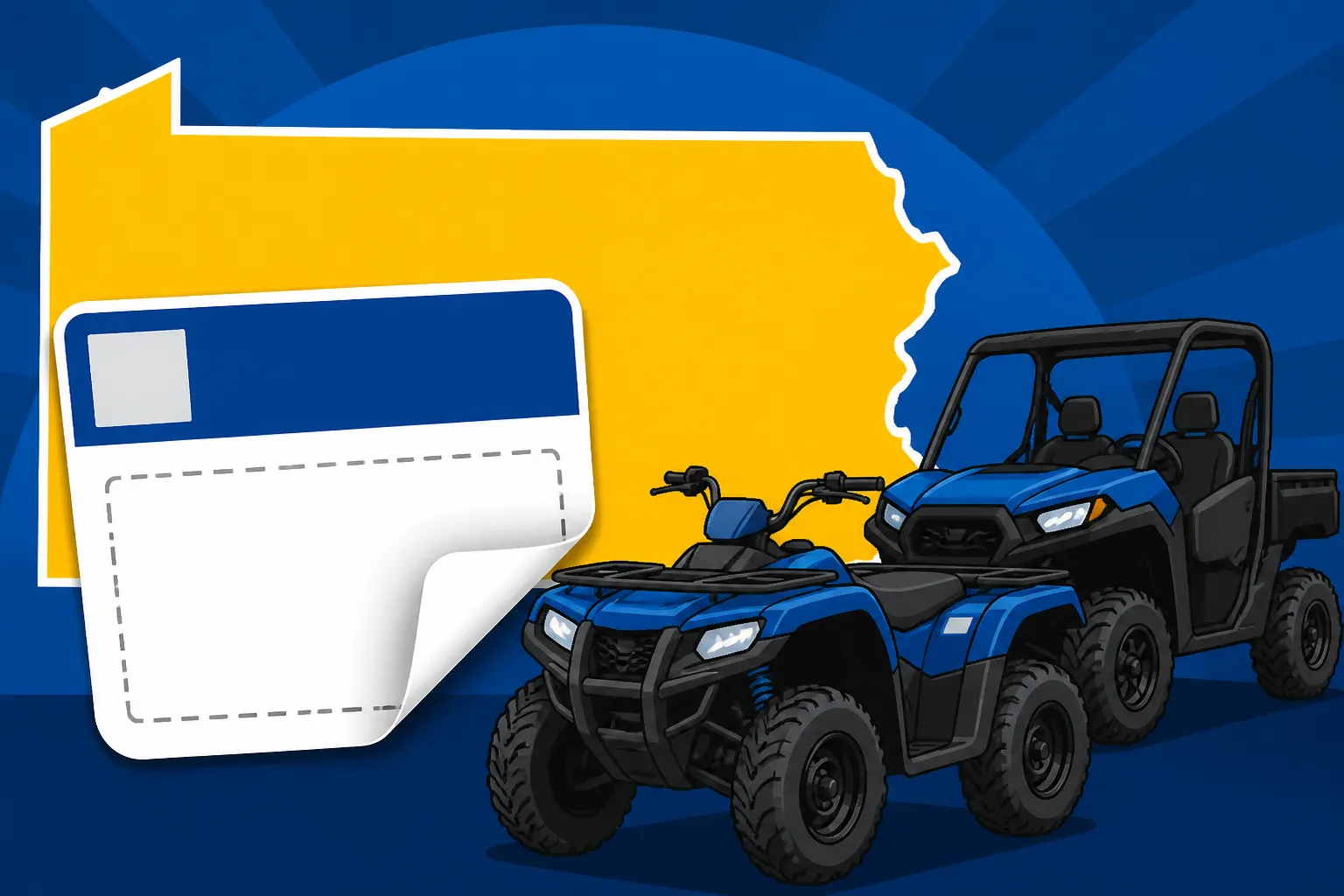
The Forty-Five Day Dealer Sticker in Pennsylvania
There's nothing quite like the excitement of bringing home a brand-new or new-to-you ATV or UTV. You’ve just made the purchase, the paperwork is signed, and all you want to do is hit the trails. But then reality sets in: you still need to get it officially registered with the Pennsylvania Department of Conservation and Natural Resources (DCNR), and that process takes time. The thought of your shiny new machine sitting idle, waiting for a little plate and sticker, can be incredibly frustrating. This guide is here to walk you through how Pennsylvania addresses this very real dilemma with the handy 45-day dealer sticker, ensuring you can get out and ride sooner rather than later.
What Exactly Is This 45-Day Dealer Sticker?
When you buy an ATV or UTV from a licensed dealer here in Pennsylvania, they often provide a temporary registration sticker, commonly known as the 45-day dealer sticker. This isn't just a courtesy; it's a vital piece of the registration puzzle designed to bridge the gap between your purchase and the arrival of your permanent DCNR registration. It means you don't have to put your riding plans on hold, watching the days tick by while the mail carrier slowly brings your official plate.
Bridging the Gap Between Purchase and Permanent Registration
Imagine buying a new quad on a Friday, dreaming of hitting the trails that weekend. Without this temporary sticker, your machine would have to sit in your garage until the DCNR processed your application, printed your plate, and mailed it out—a process that can sometimes take a few weeks, especially during peak seasons. The 45-day dealer sticker essentially pre-approves you to operate your ATV or UTV on legally designated areas for a limited period, treating it as if it already has a permanent registration. It acknowledges that the administrative process can be slow, but your desire to ride isn't. It's the state's way of saying, "We know you're excited, go ahead and enjoy your new machine while we finish up the official stuff." This temporary status is crucial for those who purchase their machines in the spring or early summer, when trail seasons are in full swing and waiting means missing out on prime riding weather.
Who Issues It and What It Looks Like
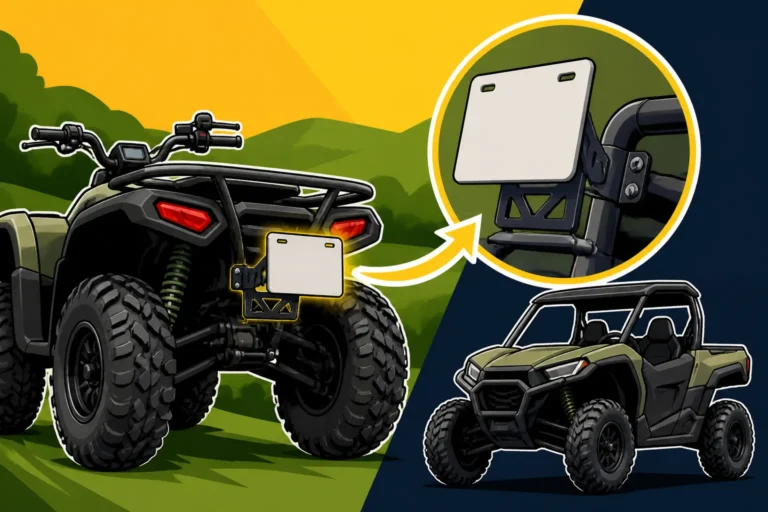
The 45-day dealer sticker is issued directly by the powersports dealership where you bought your machine. They are authorized by the DCNR to provide this temporary proof of registration. Typically, it's a small, adhesive sticker, often rectangular, with clear lettering that states it's a temporary registration and displays the expiration date. You’ll find it prominently affixed to the rear of your ATV or UTV, in the same general area where your permanent DCNR registration plate will eventually go. It needs to be clearly visible to law enforcement or DCNR rangers who might be checking for registration at trailheads or on designated riding areas. The dealer ensures it's placed correctly, so you don't have to worry about improper mounting.
The Critical Information It Contains
Despite being temporary, this sticker is packed with important details that confirm your machine's temporary legal status. It will typically include:
- The Vehicle Identification Number (VIN): This is unique to your specific ATV or UTV and is crucial for identification.
- The Issuance Date: When the sticker was placed on your machine.
- The Expiration Date: This is the critical piece of information, indicating the last day your temporary registration is valid. It's typically 45 days from the date of issue.
- Dealer Information: The name and license number of the dealership that sold you the machine and issued the sticker.
- A Temporary Registration Number: While not your permanent plate number, this unique identifier is linked to your temporary status.
All this information allows authorities to quickly verify your machine’s legitimacy and ensures that you're riding within the legal framework while waiting for your permanent plate. Without these details, the sticker would be meaningless, and you could face fines for operating an unregistered machine.
How a Pennsylvania Dealer Handles Registration for You
One of the biggest advantages of buying an ATV or UTV from a licensed Pennsylvania dealer isn't just the machine itself, but the streamlined registration process they offer. They act as an intermediary, handling much of the DCNR paperwork on your behalf, which saves you a significant amount of time and potential headaches. They understand the intricacies of [Registering an ATV in Pennsylvania] and help ensure all the boxes are checked correctly from the start.
The Dealer's Role in Paperwork Submission
When you purchase an ATV or UTV from a dealer, they don't just hand you the keys and wish you well; they typically take on the responsibility of submitting your registration application to the DCNR. This usually involves electronic submission of forms like [What Pennsylvania Asks on Form DCNR-43], ensuring accuracy and speeding up the initial processing time. They gather all the necessary information from you – your personal details, the machine's VIN, and your choice of [Pennsylvania's Limited and General Registrations]. This electronic filing system allows for a much quicker turnaround than if you were to mail in paper forms yourself. Their experience with these forms means fewer errors and a smoother path to getting your permanent plate and sticker. In essence, [What a Pennsylvania Dealer Handles for You] covers all the nitty-gritty details that can often trip up an individual buyer.
Proving Sales Tax Was Paid at the Dealership
Paying sales tax is a non-negotiable part of any vehicle purchase in Pennsylvania, and ATVs and UTVs are no exception. When you buy from a licensed dealer, the sales tax is collected at the point of sale, and the dealer is responsible for remitting it to the state. This simplifies things immensely for you, the buyer, because the proof of sales tax payment is inherently tied into the dealer's paperwork submission to the DCNR. You won't have to worry about separately proving payment or calculating the tax yourself, as you might in a private sale. The DCNR sees that the dealer has handled this, which helps prevent delays in your registration process. This integrated approach ensures compliance with state tax laws without you needing to do extra legwork.
Why Going Through a Dealer Simplifies Things
The convenience offered by a dealer in the registration process is truly invaluable. Beyond just collecting sales tax and submitting paperwork, they often have direct lines of communication with the DCNR, allowing them to troubleshoot any issues that might arise during your application. They ensure all required documentation, like the manufacturer's certificate of origin (MCO), is correctly accounted for and transferred. For many riders, the thought of navigating government forms and understanding specific requirements like [Pennsylvania's Limited Registration for Your Own Land] versus [Pennsylvania's General Registration for Everywhere Else] can be daunting. Dealers remove this burden, allowing you to focus on the excitement of your new ride. This level of service is a major reason why many choose to buy from a dealership, even if it might mean a slightly higher upfront cost compared to a private sale.
Riding Legally with Your Temporary Sticker
The 45-day dealer sticker isn't just a placeholder; it's a fully legitimate, albeit temporary, registration that grants you permission to ride your ATV or UTV in accordance with Pennsylvania laws. Understanding the parameters of this temporary status is key to avoiding any unnecessary issues while you wait for your permanent registration.
Where You Can and Cannot Ride with a 45-Day Sticker
The good news is that for the duration of its validity, the 45-day dealer sticker grants you the exact same riding privileges as a permanent DCNR registration. This means you can hit all the designated public ATV trails across the state, such as those in the state forests or at private parks like the Anthracite Outdoor Adventure Area (AOAA) or Rock Run Recreation. If you've opted for a General Registration, you can ride on any roads or trails specifically opened to ATVs by municipalities or state agencies. If you chose a Limited Registration, you're permitted to ride on your own land and land where you have permission. The sticker doesn't impose any additional restrictions beyond what a permanent plate would. However, it's crucial to remember that you still need to adhere to all other state regulations, such as carrying proof of insurance and wearing a helmet where required.
Carrying Your Paperwork During the Temporary Period
Just because you have a sticker on your machine doesn't mean you can leave everything else at home. When riding with your 45-day dealer sticker, it’s imperative to carry specific documentation with you. This typically includes:
- Proof of Insurance: Pennsylvania mandates insurance for ATVs and UTVs operated off private land.
- The Temporary Registration Receipt: The dealer will usually provide a paper receipt along with the sticker. This confirms the details of your temporary registration.
- Your DCNR Wallet Card: While the permanent one may not have arrived yet, if the dealer processes it, you might have a temporary one or at least the receipt to show that the process has begun. [Why Both Pennsylvania Registrations Include a Wallet Card] emphasizes the importance of having proof on your person.
Keeping these documents safe and dry, perhaps in a waterproof pouch, is a smart move. A DCNR ranger or law enforcement officer may ask to see these at any time to verify your compliance. Not having them could lead to delays or potential citations, even if your machine is technically registered.
Understanding the Expiration Date
The "45-day" in the sticker's name is not just a suggestion; it's a hard deadline. The expiration date printed on your temporary sticker is the absolute last day you can legally operate your ATV or UTV with that temporary registration. [How Long a Pennsylvania ATV Registration Lasts] is generally two years, but this temporary sticker has a much shorter lifespan. It’s vital to mark this date on your calendar and keep an eye on it. In most cases, your permanent DCNR registration plate, sticker, and wallet card will arrive well before this temporary period ends. However, if for some reason your permanent registration is delayed and the 45 days are drawing to a close, you'll need to know what steps to take, which we'll cover next. Riding past this expiration date without your permanent registration can lead to fines for operating an unregistered machine, just as if you had no registration at all.
What Happens After the 45 Days Are Up?
Ideally, by the time your 45-day dealer sticker is nearing its expiration, your permanent registration materials will have arrived in the mail. This seamless transition is the goal of the temporary sticker system. However, life isn't always ideal, and sometimes delays happen. Knowing what to expect and what to do if things don't go as planned is crucial for continuous, legal riding.
Receiving Your Permanent Pennsylvania ATV Registration
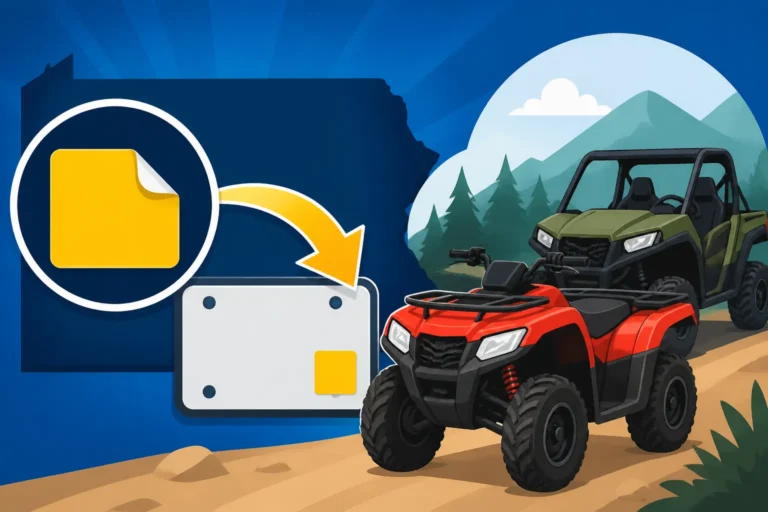
When your permanent registration is processed and mailed by the DCNR, you'll typically receive a package containing several key items. For most riders, this will include the actual DCNR registration plate, which is a small, durable plate that needs to be mounted on the rear of your ATV or UTV. You'll also receive the annual registration sticker, which usually adheres to a specific corner of the plate. If you received a [The Plate Pennsylvania Gives Limited Registrants], it will look different than [The Sticker Pennsylvania Adds to General Registration]. Finally, you'll get your wallet-sized registration card. This card contains important information about your machine and your registration status, and it's essential to carry it with you whenever you ride. Once you have these items in hand, you can remove the temporary 45-day sticker and securely mount your permanent plate.
What to Do If Your Permanent Registration Hasn't Arrived
It’s rare, but sometimes DCNR processes can take longer than expected, or there might be an issue with mail delivery. If your 45-day dealer sticker is close to expiring and you still haven't received your permanent registration materials, don't panic, but don't ignore it either. Your first step should be to contact the DCNR Snowmobile and ATV Section directly. They can look up the status of your application using your VIN or the temporary registration number from your sticker. It’s possible there was a processing delay, a mailing error, or even a small issue with the initial paperwork that needs clarification. They might be able to offer guidance on what to do next, which could include confirming a new mailing date or advising if you need to take any further action. Continuing to ride without either a valid temporary or permanent registration can result in significant fines.
Transitioning from Temporary to Permanent Plate
Once your permanent registration arrives, the transition is straightforward. Carefully peel off the 45-day dealer sticker from your ATV or UTV. Then, you'll mount your new DCNR registration plate in the designated area on the rear of your machine. Make sure it's securely fastened and clearly visible. The DCNR provides specific guidelines on [Pennsylvania ATV Plates and Where They Mount] to ensure compliance. After mounting the plate, apply the small annual registration sticker to the specified corner of the plate. This sticker signifies that your registration is current for the given two-year period. Finally, tuck your new wallet card into your riding gear. This entire process ensures that your ATV or UTV is always legally registered and ready for the trails. Remember, the permanent registration is valid for two years, and you'll need to renew it when that period expires.
Comparing Dealer Sales to Private Sales for Registration
The decision to buy an ATV or UTV from a licensed dealer versus a private seller has significant implications for the registration process, particularly concerning that initial period of waiting for official paperwork. Understanding these differences can save you time, effort, and potential frustration down the road.
The Convenience Factor of Dealer-Handled Registration
As we’ve discussed, buying from a dealer offers unparalleled convenience when it comes to registration. They are set up to handle all the intricate paperwork for you, from submitting [What Pennsylvania Asks on Form DCNR-43] electronically to ensuring sales tax is properly remitted. This means you walk out with your new machine, often with a 45-day dealer sticker already affixed, and the peace of mind that the registration process is underway without you having to lift a finger beyond providing your personal information. This "set it and forget it" approach is a huge draw for many riders, allowing them to focus purely on enjoying their purchase. This streamlined service makes the dealer experience much more user-friendly for first-time buyers or those who simply don't want to deal with the administrative hassle.
Navigating Registration After a Private Sale
A private sale, while potentially offering a lower purchase price, requires you to take on the full responsibility for registration. There's no dealer to issue a temporary sticker, no one to electronically submit forms, and no one to automatically handle the sales tax. This means your ATV or UTV will sit unregistered until you personally complete all the necessary steps with the DCNR. [Registering After a Private Sale in Pennsylvania] involves several crucial steps:
- Obtain a Proper Bill of Sale: This document is critical. It must include the buyer's and seller's information, the ATV's VIN, the purchase price, and a clear statement of sale. A robust bill of sale will protect both parties and is often required for DCNR processing. Services like LawDepot can be invaluable for generating professional, legally sound bills of sale, ensuring you don't miss any critical details that could cause delays.
- Ensure You Have the Title: The seller must provide you with a properly endorsed title. If the machine doesn't have a title (e.g., it's a very old machine from before titling was common), you might need to explore options for [Pennsylvania ATV Registration Without a Title] or understand [Do You Need a Title for an Older Pennsylvania ATV?].
- Complete DCNR Forms: You'll need to accurately fill out the DCNR's registration application forms yourself.
- Proof of Sales Tax: You'll need to prove you paid the required Pennsylvania sales tax, which brings us to the next point.
This DIY approach requires careful attention to detail and patience, as any errors could lead to your application being returned, further delaying your ability to legally ride.
Proving Sales Tax on a Private Sale
One of the most common pitfalls in a private ATV sale is properly handling the sales tax. In Pennsylvania, even private sales of ATVs and UTVs are subject to the state's sales tax, typically 6 percent of the purchase price, unless a specific exemption applies. When you register a privately purchased machine, the DCNR will require proof that this sales tax has been paid. This is usually done by showing a properly completed bill of sale that clearly states the purchase price and confirms the tax was either collected by the seller (if they were registered to do so, which is rare for individuals) or that you, the buyer, are responsible for remitting it. You'll often have to send a check for the sales tax amount directly to the state along with your registration application. Without this proof and payment, your registration will not be processed. For detailed guidance, consult resources on [Pennsylvania ATV Sales Tax on a Private Purchase]. Platforms like LawDepot can help you generate a comprehensive bill of sale that includes all necessary tax information, making it easier to fulfill this requirement and avoid complications with the DCNR.
Comparison: Dealer-Handled vs. Private Sale Registration
Let's break down the key differences to give you a clear picture:
| Feature | Dealer-Handled Registration | Private Sale Registration |
|---|---|---|
| Initial Riding Access | Immediate (with 45-day temporary sticker) | Delayed (until permanent registration arrives) |
| Paperwork Submission | Handled electronically by dealer | Buyer's responsibility (mail-in or online if available) |
| Sales Tax Payment | Collected by dealer at point of sale, remitted by dealer | Buyer pays tax directly to state, usually with application |
| Document Preparation | Dealer ensures forms are correct, provides MCO | Buyer responsible for all forms, bill of sale, title |
| Temporary Registration | Yes, 45-day sticker provided | No temporary registration available |
| Potential Delays | Minimal, usually due to DCNR processing backlog | Higher due to buyer errors, missing documents, or mail delays |
| Ease of Process | High convenience, minimal effort for buyer | Low convenience, significant effort for buyer |
| Cost | Might include a "documentation fee" (check dealer policy) | Buyer pays registration fees, title fees, and sales tax |
Disclaimer
This article is for general informational purposes only and does not constitute professional advice. Laws, prices and regulations vary by location and change over time. Consult a qualified professional for guidance on your specific situation.